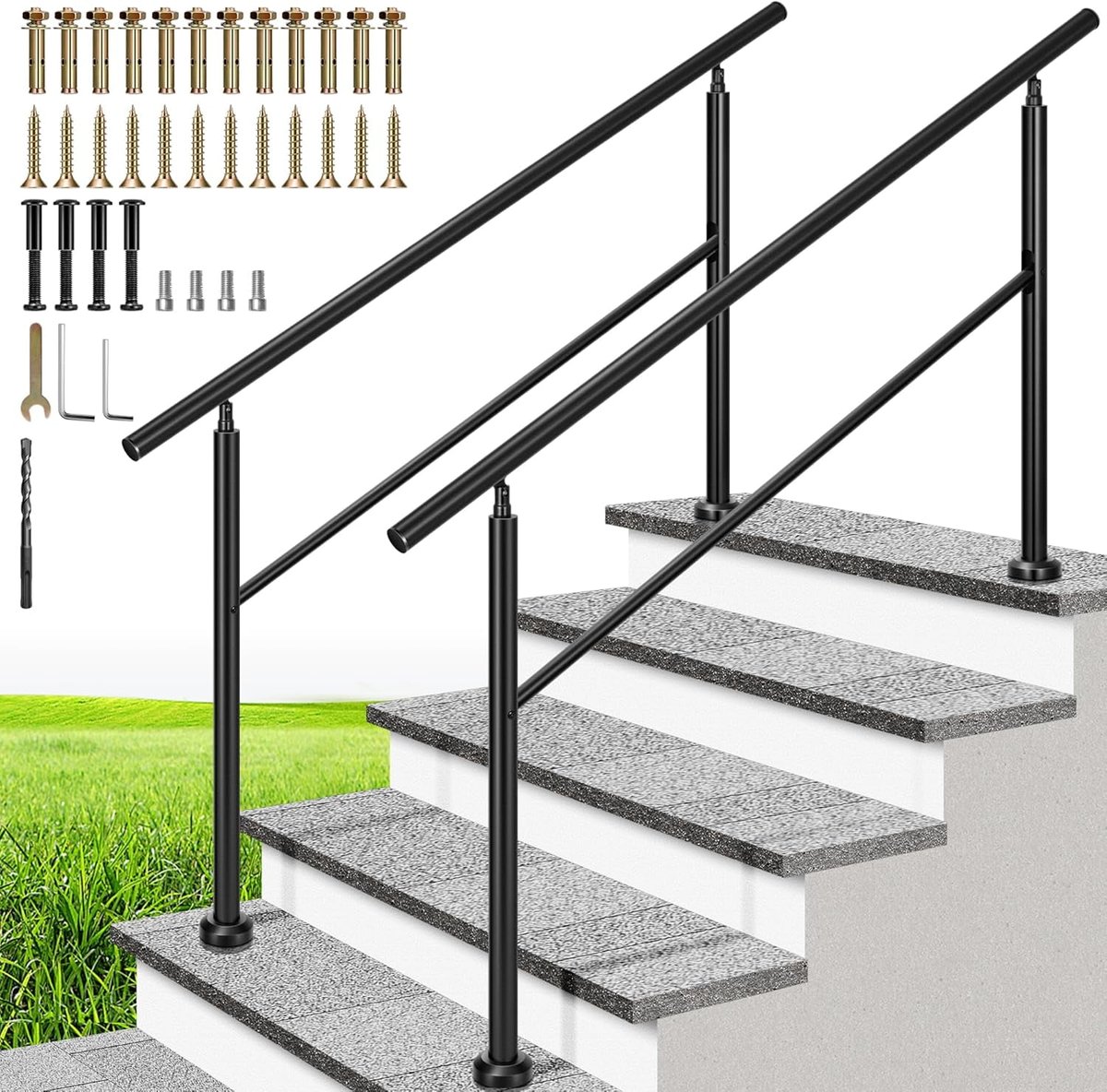
When stepping onto a staircase outdoors, whether it's a garden path or a backyard deck, the presence of proper handrails can mean the difference between a safe journey and a dangerous fall. These simple yet vital elements of outdoor construction are often overlooked, yet they play a crucial role in preventing injuries and ensuring accessibility for all users. From the materials used to the height requirements and design aesthetics, outdoor handrails require careful consideration to meet both functional needs and visual appeal.
Picture this: You're walking home after a long day, your feet finding their way down a set of outdoor stairs. The weather might be crisp, or perhaps it's been raining. In moments like these, a sturdy handrail becomes your trusted companion. Outdoor stair handrails aren't just decorative features—they're essential safety components that deserve serious attention. They protect people of all ages and abilities, from elderly individuals navigating steps with care to young children learning to climb safely. Whether you're planning a new construction project or updating an existing space, understanding how to properly select and install outdoor handrails is critical for everyone's wellbeing.
Understanding Outdoor Handrail Standards and Regulations
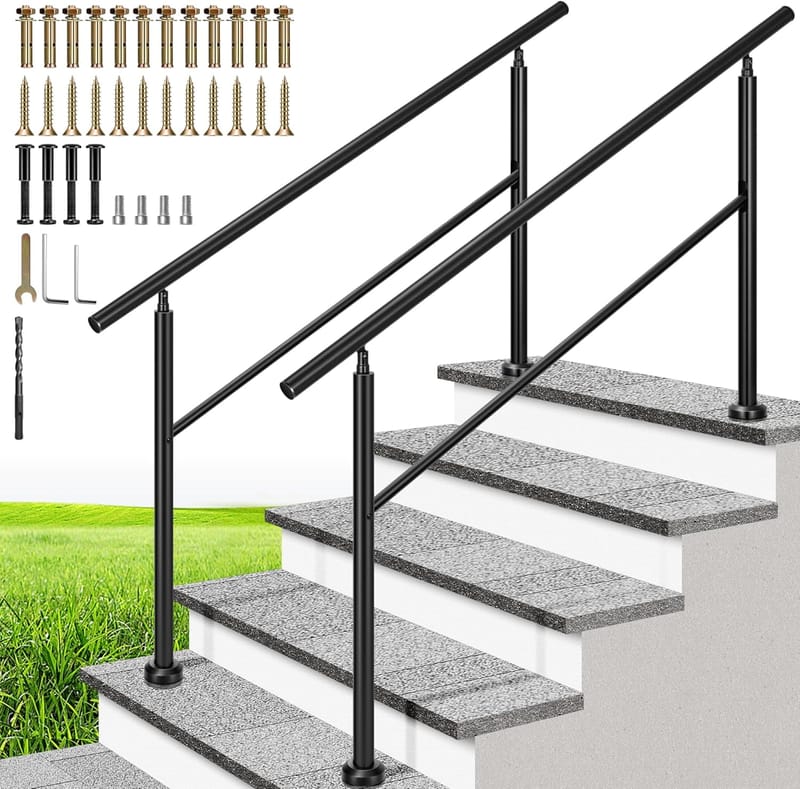
Before diving into materials or designs, it's important to understand the rules that govern outdoor handrails. Building codes vary by location, but most follow similar principles for safety. The general rule is that handrails must be between 34 and 38 inches high from the nosing of the tread. This range ensures that the handrail is easily reachable for most adults while still providing adequate support. For those with mobility challenges, some local regulations may require additional features such as gripping surfaces or specific materials. It's always best to check with your local building department before starting any work. Many areas have specific requirements for outdoor installations, particularly regarding materials that can withstand weather conditions and maintain structural integrity over time. Consider that these standards exist not just for legal compliance, but to ensure every person using the stairs can do so safely.
Choosing the Right Materials for Outdoor Durability
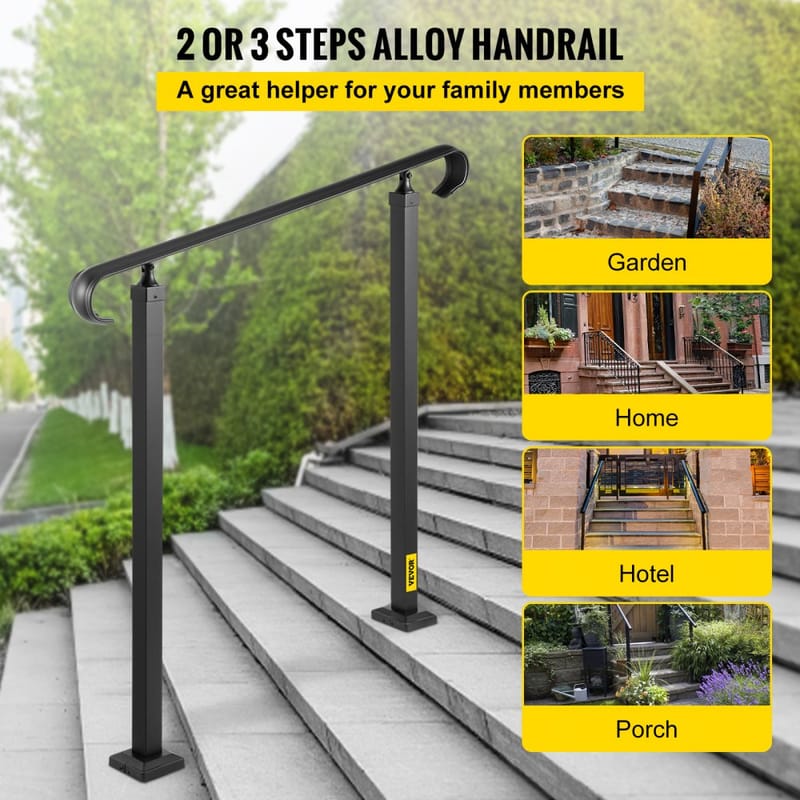
The material you choose for your outdoor handrail significantly impacts its longevity and appearance. Wood remains popular for its natural look and ease of customization, but it requires regular maintenance to prevent rot and decay. Stainless steel offers excellent durability and low maintenance, making it ideal for high-traffic areas. Aluminum is another strong option, lightweight and resistant to rust. Composite materials combine the beauty of wood with the strength of synthetic options, offering a balance of aesthetics and performance. Each choice comes with trade-offs. Wood provides warmth but needs periodic staining or sealing. Steel offers strength but might rust if not properly treated. Aluminum is corrosion-resistant but can conduct heat in direct sunlight. Consider your climate, budget, and aesthetic preferences when selecting the material that best fits your needs. A well-chosen material will serve you for years, reducing replacement costs and maintaining safety standards.
Design Considerations for Visual Appeal and Functionality
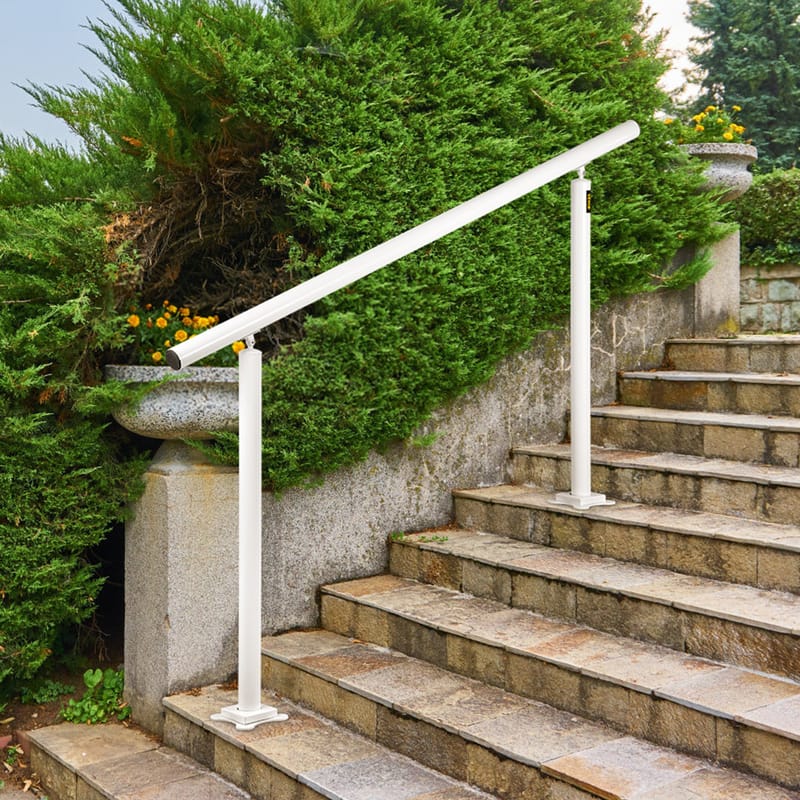
Great outdoor handrails do more than provide support—they enhance the overall look of your space. The design should complement existing architecture and landscaping. Curved handrails can add elegance to a gentle slope, while straight lines work well with modern structures. The diameter matters too; a 1.5-inch to 2-inch diameter is typically comfortable for most users. Textured surfaces offer better grip, especially important for wet conditions. Think about how the handrail connects to the structure—it should appear seamless rather than awkwardly attached. Some people prefer matching the railings to their fence or deck railing for consistency. Others want a contrasting color to make them stand out. The key is balancing form with function. A beautiful handrail that's difficult to grasp defeats its purpose entirely. Take time to consider how the handrail will be used daily, and let that influence your design choices.
Installation Process and Key Technical Details
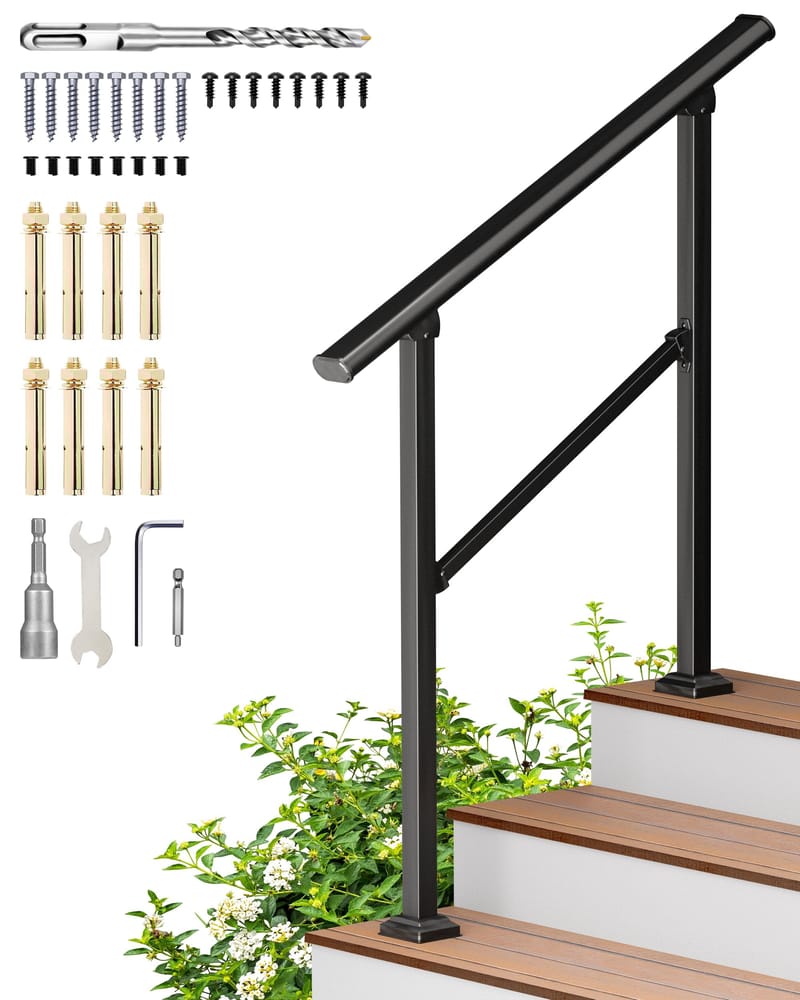
Installing outdoor handrails correctly is half the battle. Start by measuring accurately and marking attachment points. Most handrails require mounting brackets spaced every 4 feet along the length. The mounting hardware must be secure enough to handle the weight and forces applied during use. For wooden rails, use appropriate screws designed for outdoor exposure. Metal rails may require welding or specialized fasteners. Always check that your mounting points can support the load. A good rule of thumb is to assume that each person using the stairs will apply up to 200 pounds of force. This means reinforcing the structure where the handrail attaches. Professional installation is recommended for complex setups or if you're unsure about structural integrity. Even experienced DIYers benefit from consulting local building codes to avoid costly mistakes later.
Related Posts

Unveiling the Timeless Charm of Black and White Striped Patio Um

Unpacking the Truth About Walking on Pool Covers Your Essential

Mastering the Art of the Perfect Pool Party Experience A Guest's Guide

Understanding the Pink Slime in Your Pool What It Is and How to Tackle It

Keeping Your Concrete Patio Happy and Safe Around the Fire Pit

Transforming Your Corner Lot A Masterclass in Curb Appeal
Maintenance Tips for Long-Term Performance
A quality handrail lasts longer with proper care. Regular cleaning prevents dirt buildup and helps spot potential issues early. For wooden rails, annual inspection for signs of splitting or weather damage is essential. Apply protective coatings according to manufacturer recommendations. Stainless steel and aluminum rails should be cleaned with mild soap and water regularly. Check fasteners periodically to ensure they haven't loosened due to temperature changes or vibrations. Look for signs of wear on gripping surfaces. If a handrail feels loose or unstable, address it immediately. Many people overlook routine checks, but they're the difference between a long-lasting feature and one that needs frequent replacement. Keeping a maintenance schedule makes it easier to catch small problems before they become big ones.
Safety Features and Accessibility Compliance
Modern outdoor handrail systems often incorporate accessibility features that make them usable for people with disabilities. These include continuous handrails that extend beyond the stairway, providing support for users to navigate around corners. Some installations include tactile guidance for visually impaired individuals, using contrasting colors or raised surfaces. The grip surface should allow for easy handling even when hands are wet or sweaty. For wheelchair users, the handrail height and width must comply with ADA guidelines. These guidelines specify minimum and maximum dimensions for accessibility compliance. Adding features like non-slip surfaces or reinforced sections can improve safety for everyone. The goal is creating a system that works for all users, regardless of physical ability or age. When designing or upgrading outdoor stairways, consider these universal access principles to build inclusive spaces.
Outdoor stair handrails represent more than just safety equipment—they're fundamental components that enhance both security and beauty in our living spaces. Whether you're installing new railings or upgrading existing ones, taking time to understand the various factors involved pays off in increased safety and longevity. From choosing the right materials to following proper installation techniques and maintaining them over time, every step matters. Remember that these structures serve people every single day, so investing thoughtfully into their design and implementation creates lasting value. The effort you put into getting it right today ensures safer journeys tomorrow. Don't let the simplicity of handrails fool you—when done properly, they're powerful tools for protecting lives and improving quality of life for everyone who uses them.
