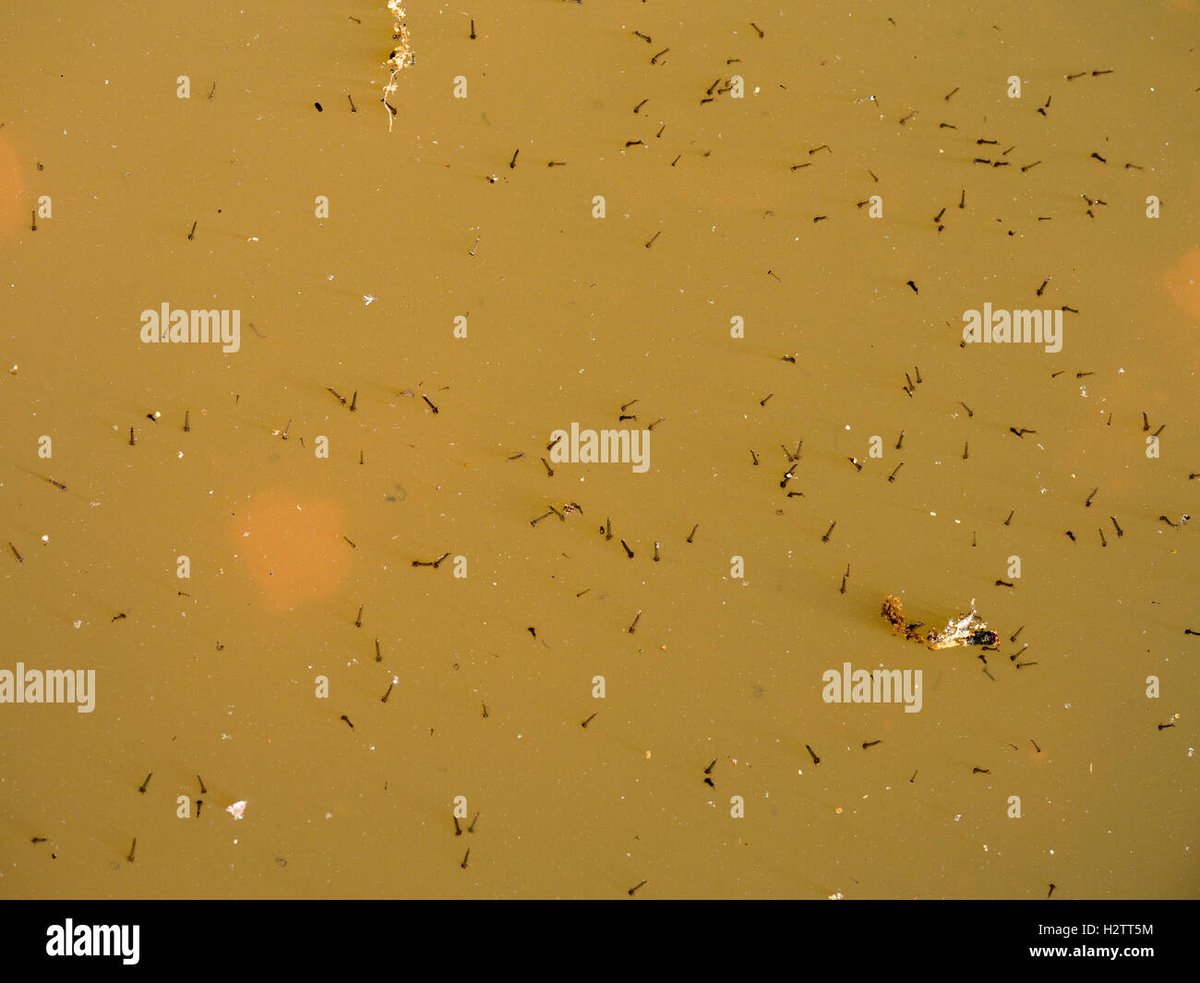
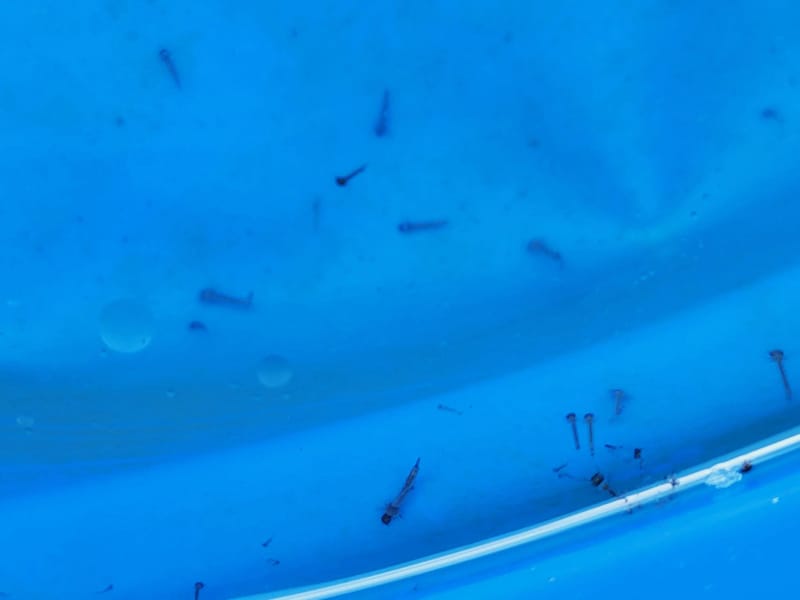
Picture this: you're ready for a refreshing dip, but instead of cool water, you find yourself facing a pool full of tiny, wriggling creatures. These aren't fish or tadpoles - they're mosquito larvae, and they've found their way into your backyard sanctuary. It's a common problem that catches many pool owners off guard, but understanding how these pests get there and how to stop them is crucial for maintaining a safe, enjoyable swimming environment.
Swimming pools are supposed to be places of relaxation and fun, but when mosquito larvae appear, they quickly turn into an unwelcome guest. These small, worm-like creatures might seem harmless, but they represent a larger issue that affects millions of pool owners worldwide. The good news? With the right knowledge and some simple preventive measures, you can keep your pool pristine and larvae-free. Let's explore what exactly these little invaders are, why they end up in your pool, and most importantly, how to keep them at bay.
What Are Mosquito Larvae?
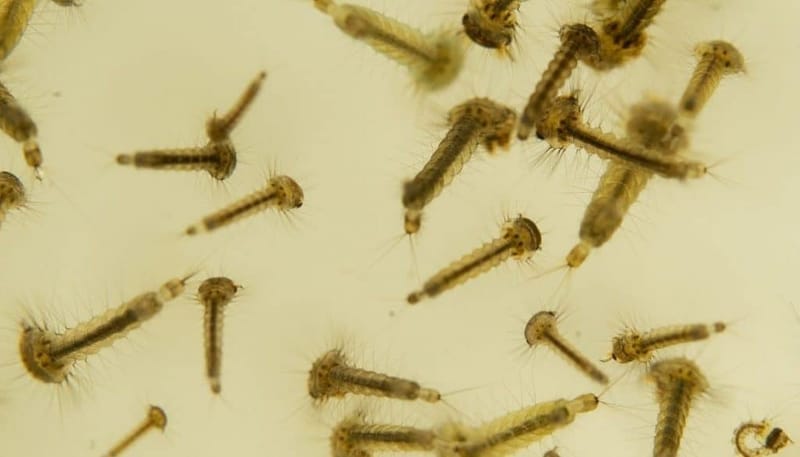
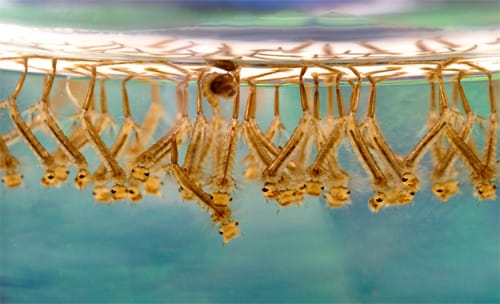
Mosquito larvae are the aquatic stage of mosquitoes, and they look nothing like the flying insects we usually see. Think of them as tiny, segmented worms that move through water by wriggling their bodies. They're typically about 1/4 inch long, though some species can grow slightly larger. These larvae have a distinctive head capsule and a series of tiny hairs that help them breathe underwater. You'll often see them swimming near the surface, especially during early morning hours when they're most active. Their coloration ranges from dark brown to black, sometimes with lighter stripes along their sides. Unlike adult mosquitoes, larvae cannot fly - they're completely dependent on water for survival. When you spot these creatures in your pool, they're usually either newly hatched or close to metamorphosing into adult mosquitoes. This is where the problem begins because each larva has the potential to become a full-grown mosquito that could carry diseases like West Nile virus or Zika. The key is catching them before they develop further.
Why Do Mosquitoes Choose Pools?
Pools don't naturally attract mosquitoes, but they provide ideal conditions for mosquito larvae to thrive. The main reason is that pools hold standing water, which is exactly what female mosquitoes need to lay their eggs. These insects are drawn to areas with stagnant water, even if it's just a few inches deep. If your pool isn't properly maintained, debris can accumulate around the edges, creating perfect breeding spots. Rainwater pooling in the pool area, leaves falling into the water, or even small amounts of standing water in pool equipment can all serve as breeding grounds. Mosquitoes are incredibly opportunistic creatures - they'll use whatever water source they can find, and pools offer them everything they need: shelter, food, and a place to reproduce. The fact that pools are often located in warm, humid climates makes them even more appealing to these pests. Plus, if there's no regular circulation or filtration, the water becomes still and stagnant, which is exactly what mosquitoes love. Understanding this behavior helps explain why certain pools become problematic while others remain clean and mosquito-free.
The Lifecycle of Mosquito Larvae
The mosquito lifecycle is fascinating, and understanding it helps us tackle the problem at its root. It starts when a female mosquito lays her eggs on the water's surface, usually in clusters called egg rafts. Within 24-48 hours, these eggs hatch into first instar larvae, which are the smallest and most vulnerable stage. As they grow, they molt several times, progressing through four distinct stages called instars. During this time, they feed on organic matter in the water, including algae, bacteria, and small particles. The entire larval stage typically lasts between 5-14 days, depending on temperature and environmental conditions. Once fully developed, the larvae form a pupa, which is often called a 'tumbler' due to its spinning motion. After another 2-3 days, adult mosquitoes emerge from the pupal stage. This entire process can happen quite rapidly in warm weather, meaning one mosquito can produce dozens of offspring in just a few weeks. The speed at which this happens explains why mosquito problems can escalate quickly if left unchecked. Knowing this timeline helps pool owners understand when to be most vigilant about prevention.
Signs of Mosquito Larvae in Your Pool
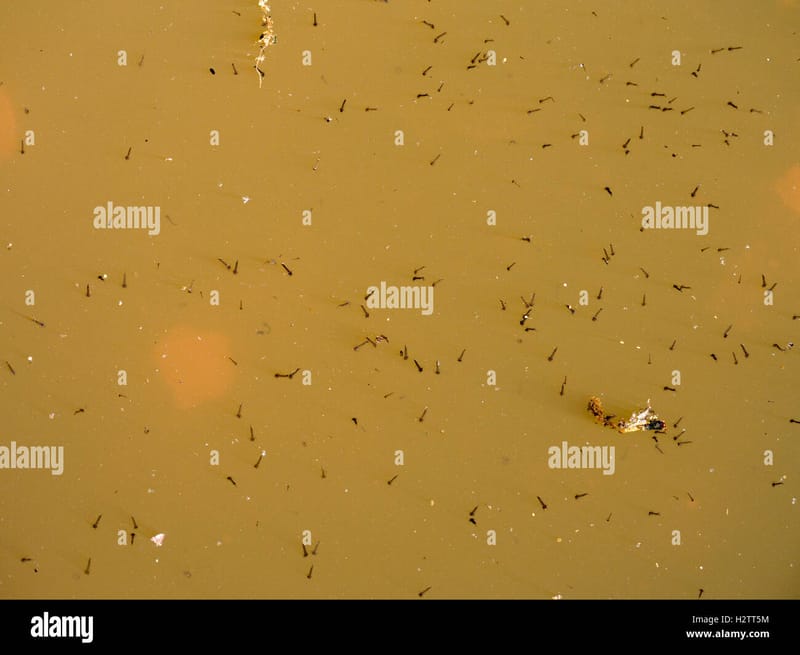
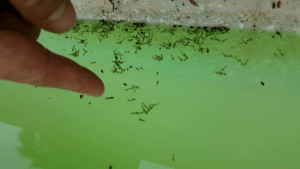
Spotting mosquito larvae isn't always easy, but there are telltale signs that can alert you to their presence. Look for tiny, dark-colored creatures moving along the water's surface or just beneath it. They often appear as small, wriggling dots that move in a distinctive pattern. Another sign is the presence of small, white or yellowish egg masses floating on the water surface. These egg rafts can be easily overlooked but are quite distinctive. You might also notice an increase in adult mosquitoes around your pool area, particularly during dusk and dawn when they're most active. Sometimes, the water may appear slightly cloudy or have a greenish tint due to the organic matter that larvae consume. If you're using a pool vacuum, you might find small, dark particles that aren't typical pool debris. The most obvious indicator is when you see adult mosquitoes hovering around the pool edge, as they're likely returning to lay eggs. Early detection is crucial because once larvae mature into adults, they can spread disease and become much harder to control. Regular visual inspections, especially after rain or if your pool hasn't been used for a while, can help catch problems before they become serious.
Related Posts

Unveiling the Timeless Charm of Black and White Striped Patio Um

Unpacking the Truth About Walking on Pool Covers Your Essential

Mastering the Art of the Perfect Pool Party Experience A Guest's Guide

Understanding the Pink Slime in Your Pool What It Is and How to Tackle It

Keeping Your Concrete Patio Happy and Safe Around the Fire Pit

Transforming Your Corner Lot A Masterclass in Curb Appeal
Prevention Strategies That Actually Work
Preventing mosquito larvae in your pool requires a combination of proactive measures and consistent maintenance. First and foremost, keeping your pool clean and well-maintained is essential. Regularly skim debris from the surface and vacuum the bottom to remove organic matter that larvae feed on. Ensure proper water circulation and filtration, as stagnant water is a major attraction for mosquitoes. Consider using a pool cover when not in use - it's one of the simplest and most effective ways to prevent mosquitoes from accessing your water. Chemical treatments can also help, such as algaecides that reduce organic material in the water. Natural options like BTI (Bacillus thuringiensis israelensis) pellets or liquid treatments are highly effective against mosquito larvae and safe for swimmers. The timing of treatments matters too - applying them regularly, especially after heavy rainfall, can prevent outbreaks. Additionally, removing standing water from around your pool area, including gutters, saucers, and any containers that might collect rainwater, reduces overall mosquito populations nearby. Some pool owners find success with beneficial bacteria products that help break down organic matter faster. The key is being consistent rather than relying on any single method alone.
Treatment Options and Solutions
If you've already discovered mosquito larvae in your pool, there are several treatment options available. One of the most popular and effective approaches is using larvicides specifically designed for pools. These products work by targeting the larvae directly and preventing them from developing into adult mosquitoes. Products containing Bti are particularly effective and environmentally friendly. Another option is using piscicides, which kill both larvae and adult mosquitoes but should be used carefully to avoid harming beneficial aquatic life. Mechanical removal methods, such as skimming or using a pool vacuum, can help reduce immediate populations, though they don't address the root cause. For severe infestations, professional pool services might be necessary to properly assess and treat the problem. Some people swear by adding a small amount of bleach to the pool water, but this should be done carefully and according to manufacturer instructions since it can affect water chemistry. Natural alternatives like introducing mosquito-eating fish (though this is more challenging in pools) or using certain plant extracts can also be helpful. The best approach is often a combination of methods tailored to your specific situation and pool setup.
Mosquito larvae in swimming pools might seem like a small annoyance, but they represent a bigger health concern that deserves attention. Understanding how these creatures develop, why they're attracted to pools, and how to prevent their presence is crucial for maintaining a safe and enjoyable swimming environment. The good news is that with proper maintenance, regular monitoring, and the right preventive measures, you can keep your pool larvae-free year-round. Whether it's through chemical treatments, mechanical removal, or simple lifestyle changes, the key is staying proactive rather than reactive. Remember, prevention is always better than cure, and a little effort now can save you from big problems later. Your family's health and enjoyment of the pool deserve nothing less than a mosquito-free space. By implementing the strategies discussed here, you're taking the first step toward ensuring your pool remains a place of pure bliss, not breeding grounds for pests.
