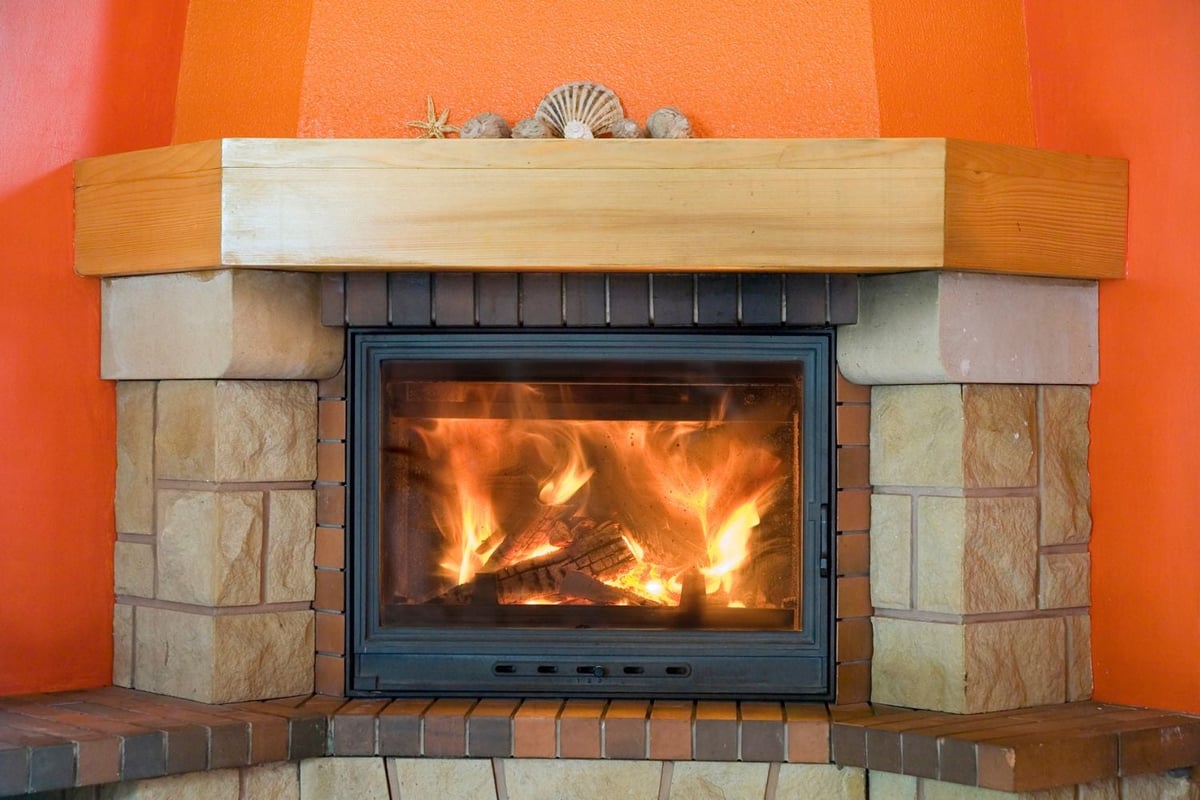
Picture this: you're sitting in your living room, watching flames dance across the hearth, feeling the warmth spread through your home. But instead of wrestling with matches or kindling, you simply flip a switch and the fire ignites with a gentle hiss. That's the magic of a wood fireplace equipped with a gas starter system.
For many homeowners, there's something deeply satisfying about a crackling wood fire. The smell of burning timber, the golden glow, the way it makes a space feel cozy and alive. But let's face it, starting a traditional wood fire can be a hassle. You've got to gather kindling, arrange it just right, and hope your matches work. Enter the wood fireplace with gas starter—a clever fusion that brings together the best of both worlds. It's like having your cake and eating it too, except it's about creating the perfect fire without all the fuss. Whether you're a longtime fireplace owner looking to upgrade or someone considering their first wood-burning stove, understanding how to properly use this system is essential.
What Is a Wood Fireplace with Gas Starter?
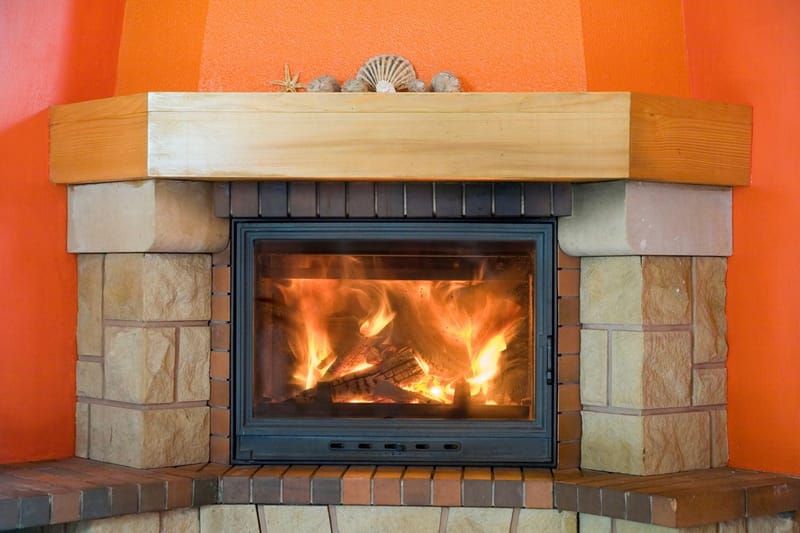
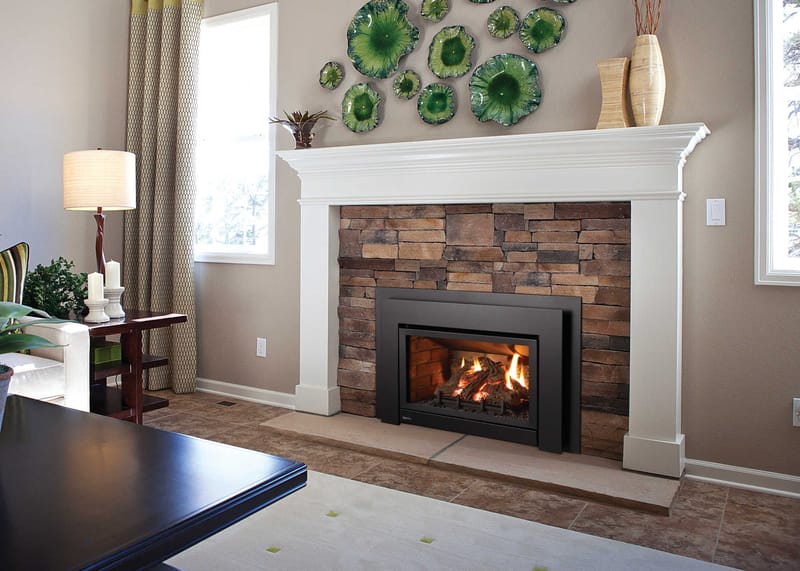
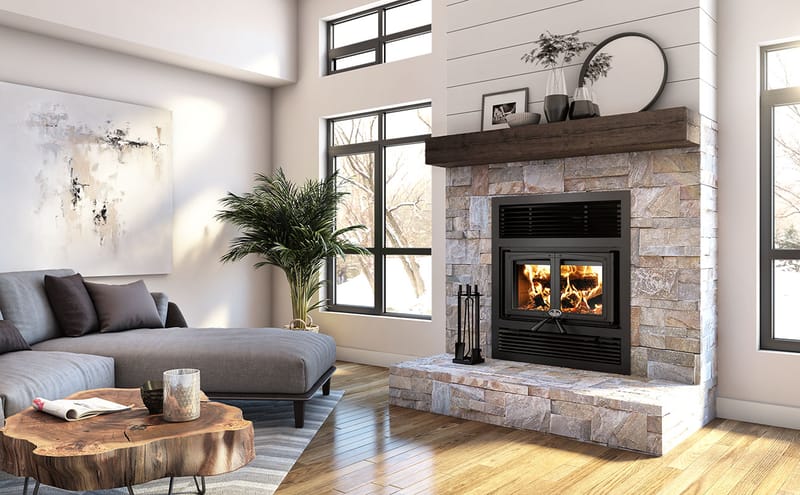
A wood fireplace with gas starter is essentially a traditional wood-burning fireplace that incorporates a small gas ignition system to help light the fire. Instead of relying solely on matches or a lighter, you can use a small gas line connected to a pilot light or ignition system to get those logs burning. This isn't a completely new concept, but rather a smart update that addresses some of the common frustrations with traditional wood fires.
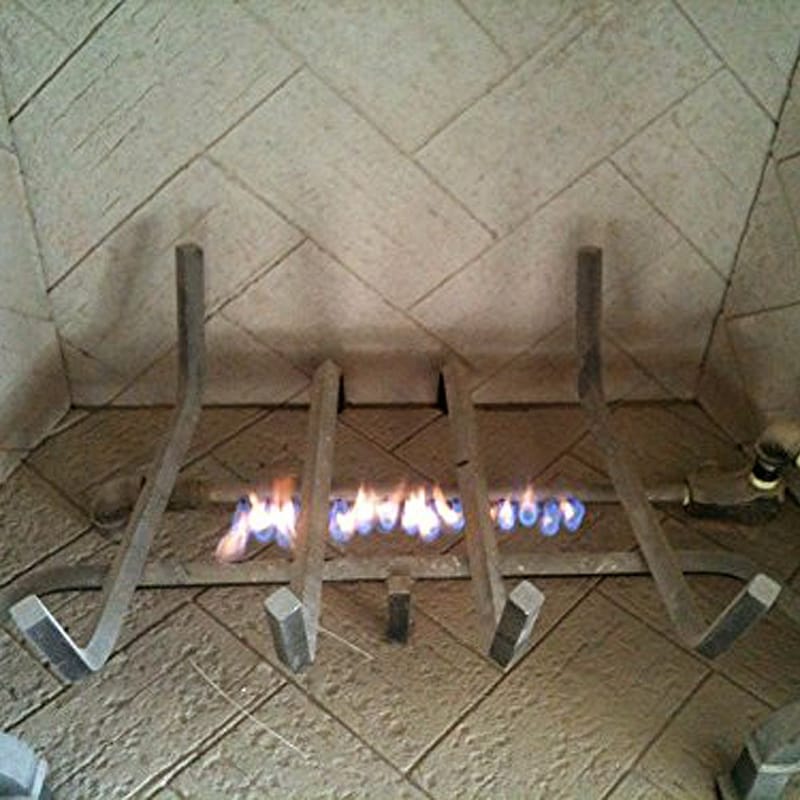
Think of it like having a backup plan for your fire. When you're ready to light up, you turn on the gas for a few seconds, which creates a small flame that helps ignite your kindling and logs. It's particularly helpful during cold mornings when you want to start a fire quickly without fumbling around with wet matches or struggling to get a spark.
Many modern models feature a control valve that lets you adjust the gas flow, ensuring you get just enough fuel to light the fire effectively. Some even come with automatic ignition systems that can be triggered with the push of a button or a simple pull of a lever.
Benefits of Using a Gas Starter
There are several advantages to using a gas starter with your wood fireplace:
Imagine waking up on a freezing morning and wanting to get the fire going before breakfast. With a gas starter, you can simply flick a switch and have a roaring fire in minutes. It's like having a superhero companion for your fireplace. Plus, it's particularly useful if you're dealing with older or more delicate kindling that might not catch easily with regular methods.
How Does a Gas Starter Work?
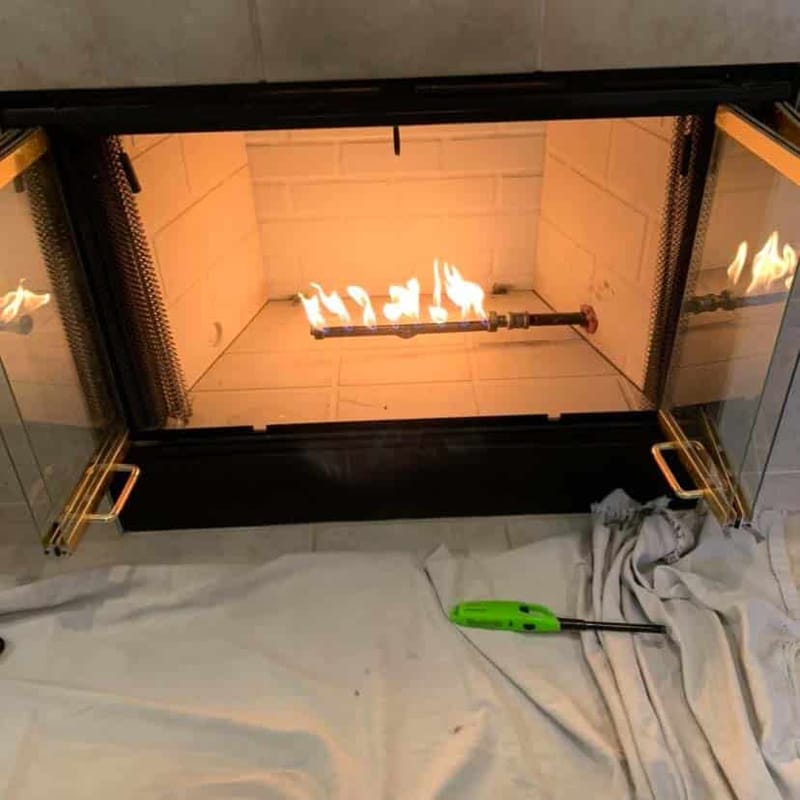
The mechanism behind a wood fireplace gas starter is surprisingly straightforward. It typically involves:
When you activate the gas starter, you're essentially providing a controlled amount of gas to a small area where your kindling is placed. The gas burns briefly, creating enough heat to ignite the tinder. Then, once the fire catches, you can turn off the gas and let the wood burn naturally.
Some systems require you to manually light a match or use a lighter to ignite the gas initially, while others have an electronic ignition that automatically sparks when you turn the gas on. Either way, it's designed to make that first step easier and safer.
Setting Up Your Gas Starter System
Before you can enjoy the benefits of your gas starter, proper installation is crucial. Here's what you need to know:
Related Posts

Unveiling the Timeless Charm of Black and White Striped Patio Um

Unpacking the Truth About Walking on Pool Covers Your Essential

Mastering the Art of the Perfect Pool Party Experience A Guest's Guide

Understanding the Pink Slime in Your Pool What It Is and How to Tackle It

Keeping Your Concrete Patio Happy and Safe Around the Fire Pit

Transforming Your Corner Lot A Masterclass in Curb Appeal
It's worth noting that not all wood fireplaces can accommodate a gas starter. Some older models may need modifications or upgrades. If you're thinking about adding one, it's always wise to consult with a certified technician who understands both wood and gas systems.
Safety Considerations and Best Practices
While gas starters make things easier, they also bring additional safety considerations. Here are some important practices to follow:
Safety shouldn't be an afterthought. Think of it like a relationship—you have to put in effort to keep it healthy. A well-maintained gas starter system is one that works reliably and keeps you safe. That means checking connections periodically, ensuring the gas valve operates smoothly, and knowing how to shut off the gas quickly if needed.
Maintenance Tips for Longevity
Like any mechanical system, a gas starter needs care to function properly over time. Here are some maintenance pointers:
Consider this your fireplace's personal trainer. Just like a gym routine, consistent attention keeps everything working optimally. A little maintenance goes a long way toward preventing costly repairs and ensuring your gas starter continues to work when you need it most.
A wood fireplace with gas starter offers a compelling blend of traditional charm and modern convenience. It removes much of the guesswork from starting a fire while preserving the warmth and ambiance that make wood burning so appealing. Whether you're a seasoned fireplace enthusiast or someone who's just getting started, this technology can enhance your experience and make your fireplace more reliable and user-friendly. The key is understanding how it works, maintaining it properly, and using it safely. With the right approach, your gas starter will become an invaluable part of your home's heating solution. So go ahead, give it a try, and see how it transforms your fireplace from a chore into a pleasure.
