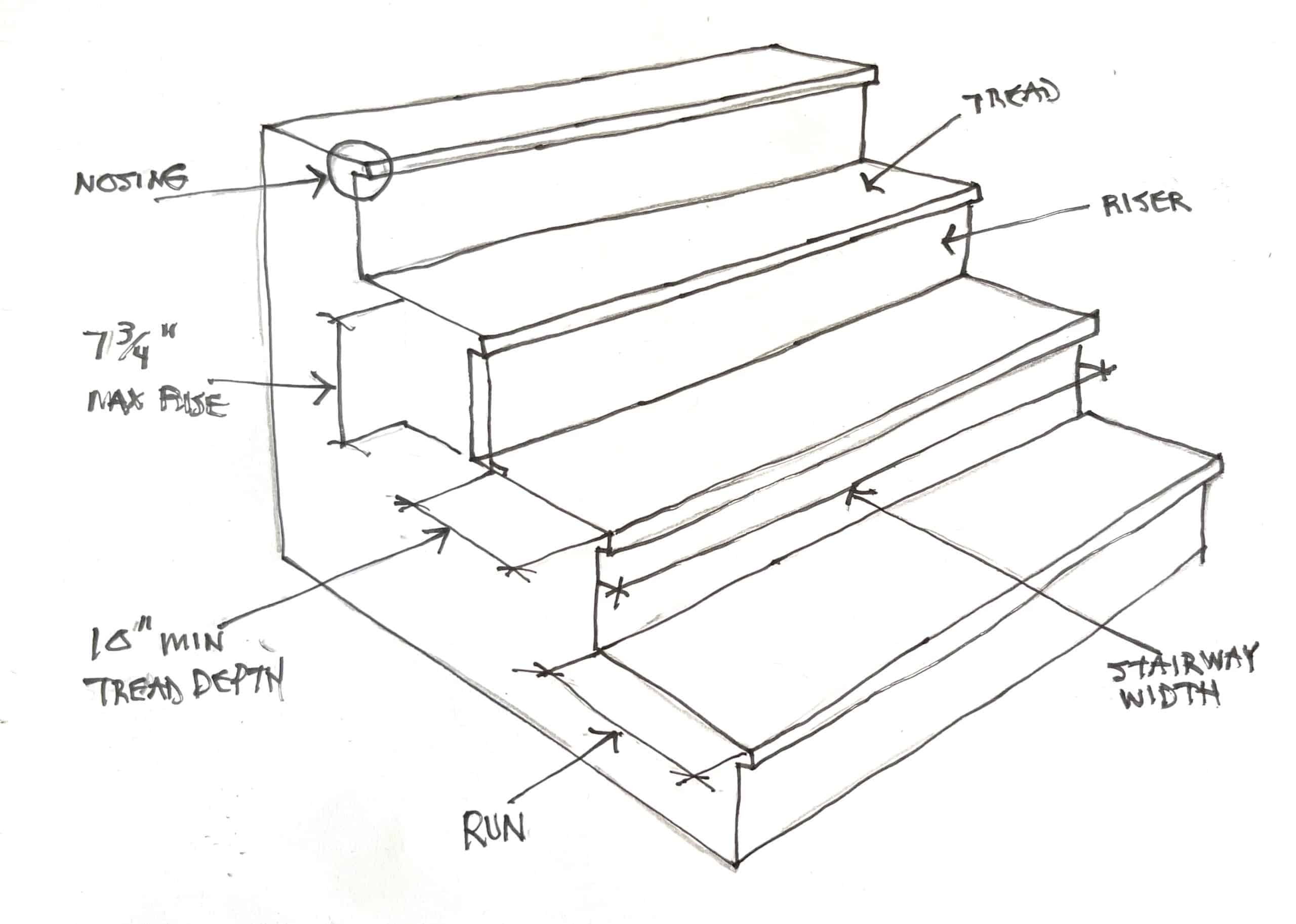
When you think about building or upgrading a deck, the stairs often get overlooked. But they're actually one of the most important features for both safety and usability. How wide are deck stairs, really? The answer isn't just a simple number—it's about balance, accessibility, and following codes that protect everyone who uses them.
Picture this: You're walking home after a long day, your arms full of groceries, and you need to navigate from your porch to your deck. Or maybe you're hosting a party and want to ensure guests can move safely between levels. The width of your deck stairs matters more than you might think. It's not just about fitting through easily—it's about safety, comfort, and meeting building standards that keep everyone protected. Whether you're a homeowner planning a renovation or someone curious about construction basics, understanding deck stair dimensions is crucial.
The Basic Width Requirements
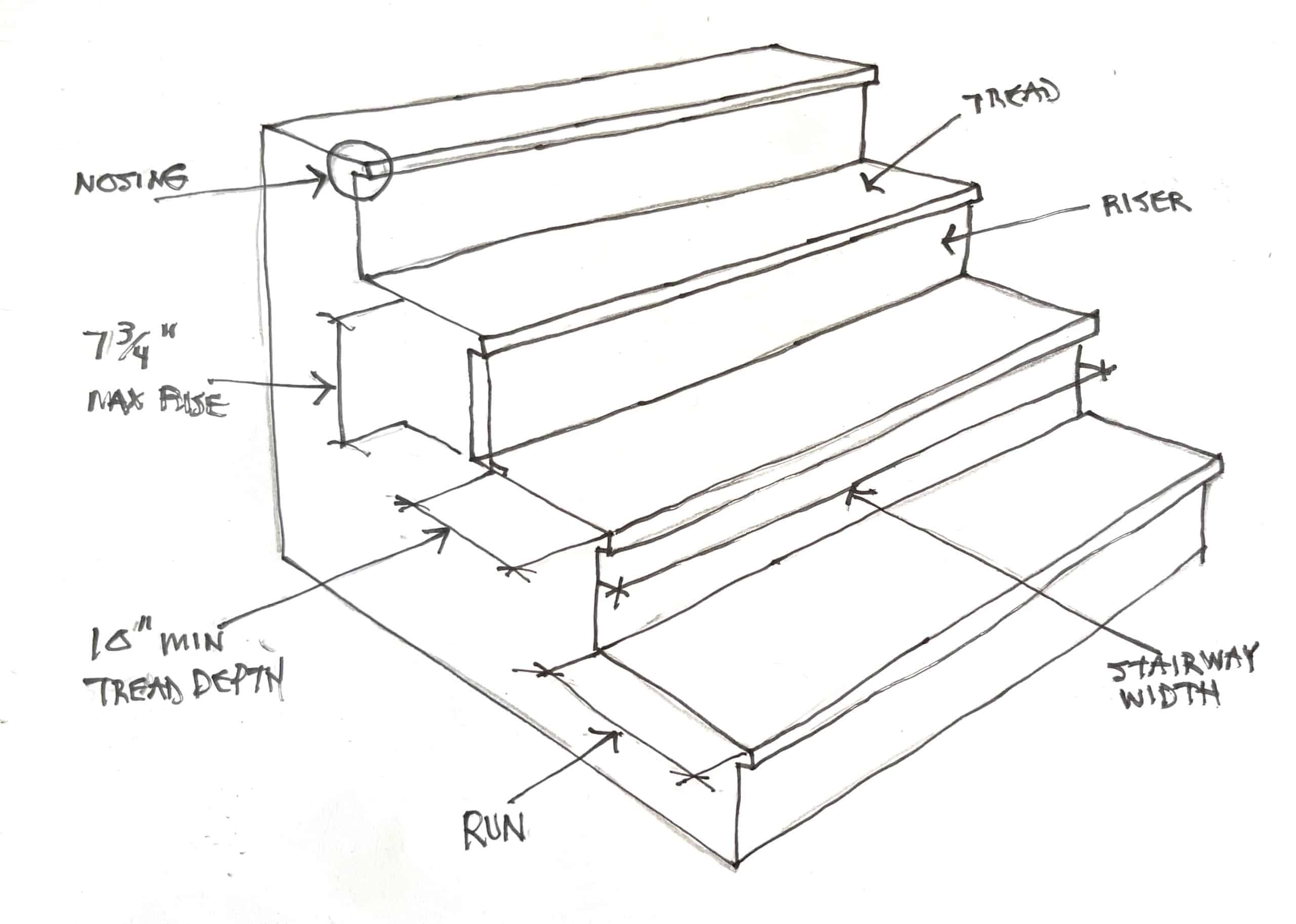
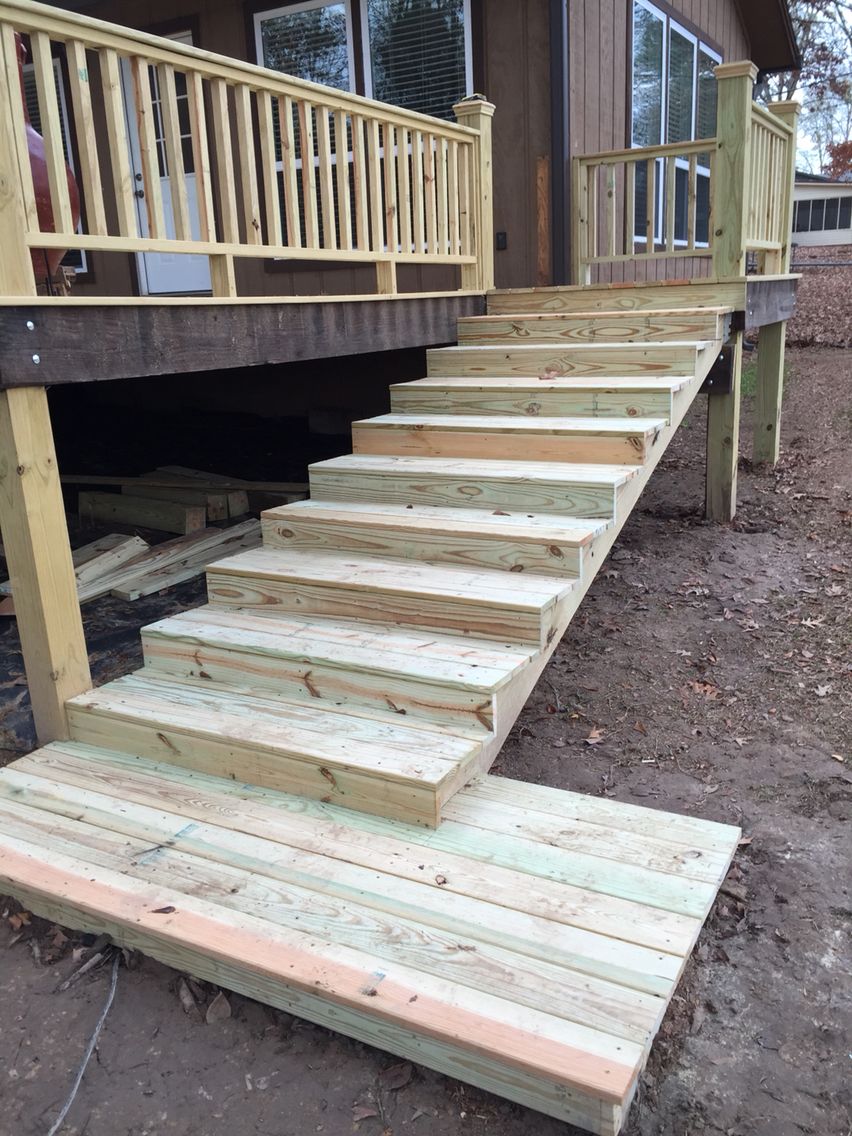
Let's start with the fundamentals. Building codes across most areas require deck stairs to be at least 36 inches wide. That's the minimum standard, but many experts recommend going wider for better usability. Think about it this way: if you're carrying something bulky or have young children, narrow stairs become a real challenge. A 36-inch width gives you room to maneuver and reduces the risk of accidents. Some jurisdictions even mandate 42 inches for residential applications, especially when stairs serve multiple users or are part of a main access route. The exact measurement depends on local building regulations, so always check with your local building department before starting any work.
Why Width Matters for Safety
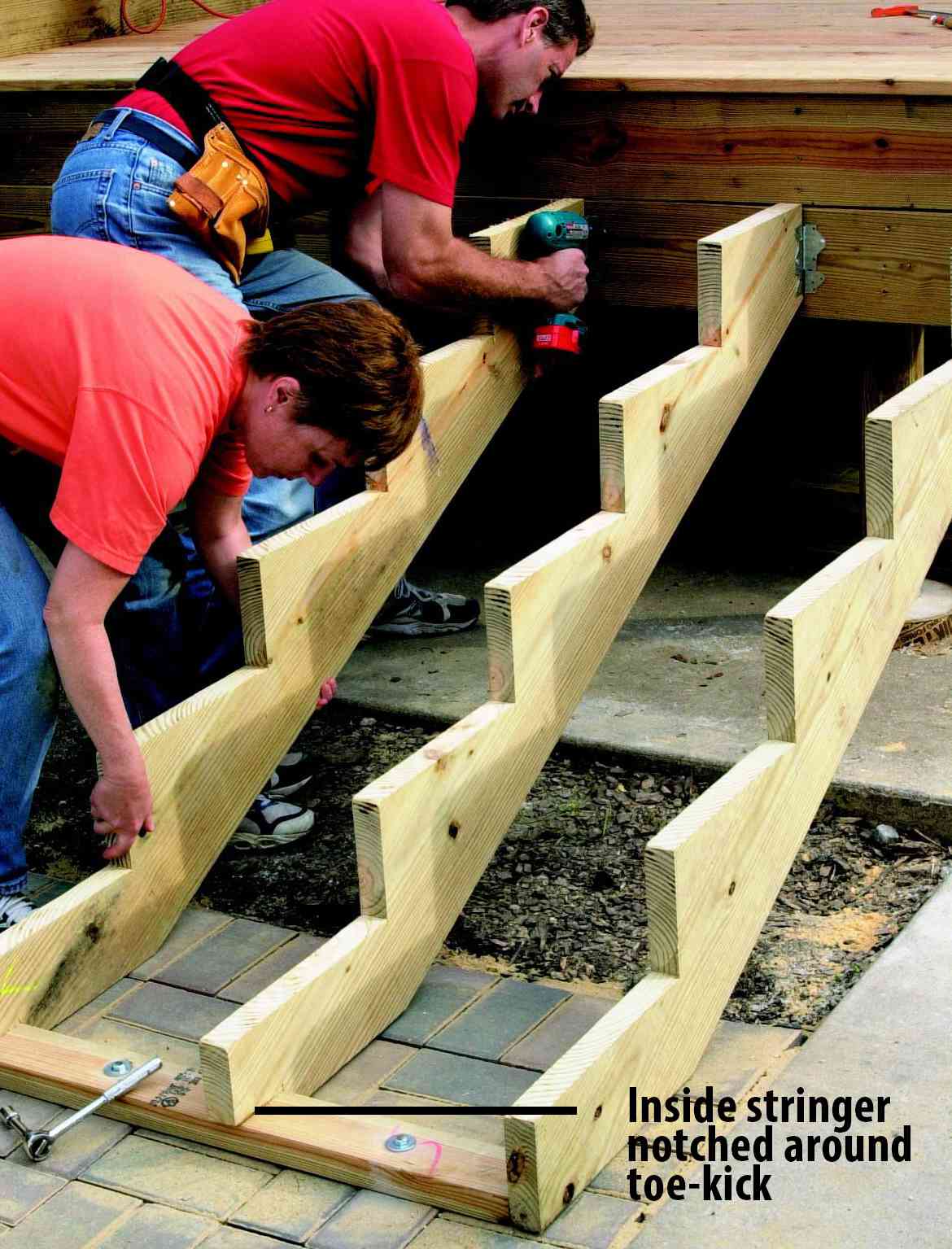
Safety isn't just about preventing falls—it's about creating spaces where people can move confidently. Narrow stairs force users to squeeze through tight spaces, increasing the chance of missteps or getting stuck. When you have adequate width, people can walk side-by-side if needed, carry items without difficulty, and feel secure while moving between levels. Imagine trying to pass a friend on a narrow staircase while holding a coffee cup—awkward and potentially dangerous. Wider stairs allow for smoother movement, especially important during emergencies when quick evacuation might be necessary. Plus, they accommodate mobility aids like walkers or wheelchairs, making your deck more inclusive for all users.
Practical Considerations for Different Uses
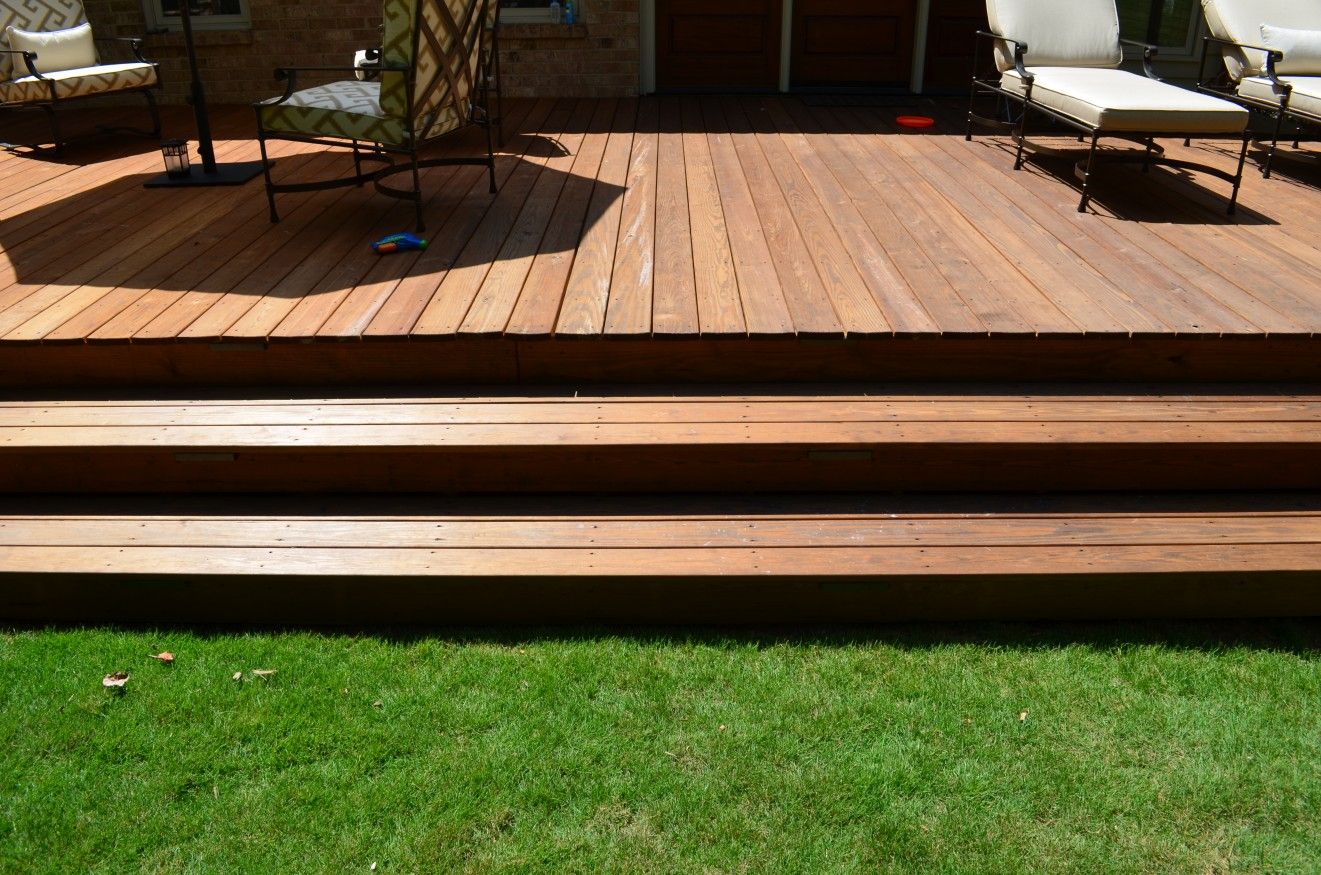
Not every deck needs the same stair width. A small garden deck used primarily for relaxation might only need the minimum width. But a main entrance stair or one serving a family gathering area should be considerably wider. Consider traffic flow too. If your deck sees heavy foot traffic, especially during events, you'll want enough space to handle crowds comfortably. For homes with elderly residents or those with mobility challenges, wider stairs provide peace of mind. You might also want to think about future needs—will you ever need to move large furniture through these stairs? Planning ahead helps avoid costly renovations later on.
Designing for Comfort and Functionality
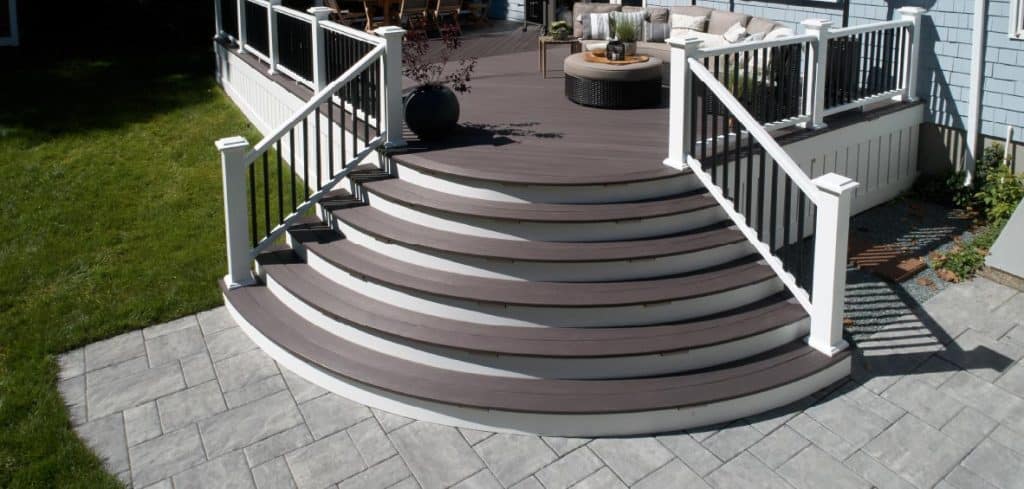
Beyond just meeting code requirements, thoughtful stair design enhances daily life. The ideal deck stair width balances functionality with aesthetics. Too narrow and it feels cramped; too wide and it may look disproportionate to the rest of your deck. Many designers suggest aiming for 42 to 48 inches for primary access stairs. This extra width creates a comfortable walking surface and allows for better handrail placement. Consider adding features like built-in storage or decorative elements that complement the wider design. These additions make your stairs not just functional but also visually appealing. Remember, good design considers how people actually use spaces, not just what's required by law.
Related Posts

Unveiling the Timeless Charm of Black and White Striped Patio Um

Unpacking the Truth About Walking on Pool Covers Your Essential

Mastering the Art of the Perfect Pool Party Experience A Guest's Guide

Understanding the Pink Slime in Your Pool What It Is and How to Tackle It

Keeping Your Concrete Patio Happy and Safe Around the Fire Pit

Transforming Your Corner Lot A Masterclass in Curb Appeal
Common Mistakes in Deck Stair Sizing
Many homeowners fall into the trap of cutting corners on stair width. They assume that a few extra inches won't matter much, but they're wrong. One common error is assuming that narrow stairs are fine for occasional use. But even infrequent users benefit from wider access when they're carrying items or moving quickly. Another mistake is not accounting for the entire staircase system, including landings and transitions. Sometimes people focus only on the stair width itself, forgetting that proper landing widths are equally important. Poor planning can lead to awkward angles or insufficient space for safe passage. These oversights often result in complaints, safety hazards, or even code violations that require expensive corrections.
Local Codes and Professional Guidance
Building codes vary significantly by location, so what works in one area might not be acceptable elsewhere. Always verify local requirements before beginning any project. Some regions have stricter standards for commercial or multi-family properties, while others may be more lenient for private residential use. Hiring a professional contractor or architect can save you time and money in the long run. They understand local nuances and can help ensure compliance. Don't rely solely on online resources—they may not reflect current local regulations. When in doubt, consult with local building officials. Their guidance will help you build or modify stairs that meet all safety and legal standards, protecting both you and future users.
Deck stair width is more than just a measurement—it's a critical element of safe, functional outdoor living spaces. From basic code compliance to thoughtful design choices, the right width ensures comfort and security for everyone who uses them. Whether you're building a new deck or updating an existing one, investing in proper stair dimensions pays off in safety, usability, and peace of mind. Remember, the best stair design considers not just what's legally required, but also how people will actually live and move through their outdoor spaces. Take the time to plan carefully, and your deck stairs will serve you well for years to come.
