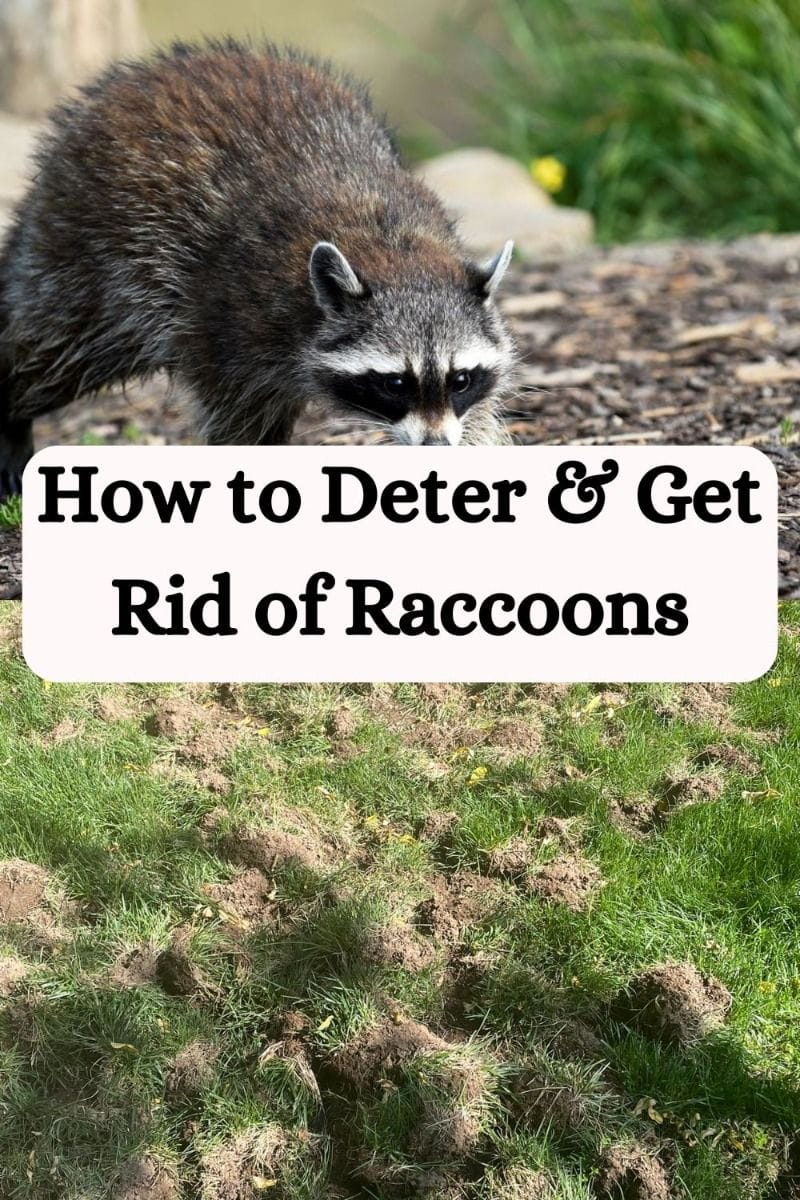
If you've noticed raccoon footprints in your garden, raided trash cans, or heard them rummaging through your backyard at night, you're not alone. These clever creatures can cause quite a mess. But before you panic, there are practical ways to keep them at bay.
Raccoons are notorious for their intelligence and adaptability. They're incredibly resourceful animals that have learned to thrive in urban and suburban environments. While they might seem cute from a distance, their presence in your yard can quickly become problematic. From digging up your flower beds to raiding your garbage, these masked bandits can turn your peaceful outdoor space into a chaotic scene. The good news is that with the right approach, you can successfully keep raccoons away from your property. This guide will walk you through everything you need to know to protect your yard from these persistent visitors.
Understanding Raccoon Behavior
Before you can effectively keep raccoons out of your yard, it helps to understand why they're drawn to your space in the first place. Raccoons are opportunistic feeders, meaning they'll eat almost anything available. They're particularly attracted to easy food sources, especially if they're readily accessible. These nocturnal creatures are most active between dusk and dawn, which means you might not see them during the day, but you'll notice their impact on your yard. Their strong claws and dexterous paws make them excellent at opening containers and digging around. Understanding their behavior patterns helps you anticipate their movements and plan your deterrent strategies accordingly. You might notice raccoon tracks in soft soil, overturned garbage cans, or disturbed garden areas. Pay attention to these signs, as they indicate where raccoons are spending their time.
Securing Food Sources
The most important step in keeping raccoons out of your yard is eliminating their food supply. Raccoons are attracted to easily accessible food sources, and they're persistent when it comes to finding something to eat. Start by securing all potential food sources:
Think about it - if there's no food to be found, raccoons won't bother with your yard. It's amazing how simple this solution can be. Many homeowners find that once they implement proper food storage, raccoon activity drops dramatically within just a few days.
Proper Trash Management
Trash cans are one of the biggest attractants for raccoons, especially if they're left unsecured. These intelligent animals have figured out how to open many types of containers, including those with tight lids. To prevent raccoon access to your trash:
Raccoons have been known to knock over trash cans, scatter contents everywhere, and even climb on top of them. Some raccoons are so determined that they'll even dig through garbage bags to get to food scraps. The key is to make it as difficult as possible for them to access your waste. Even small changes like moving your cans away from your house can make a big difference.
Creating Physical Barriers
Sometimes, despite your best efforts to remove food sources, raccoons will still want to explore your yard. In these cases, physical barriers can be very effective. Consider these options:
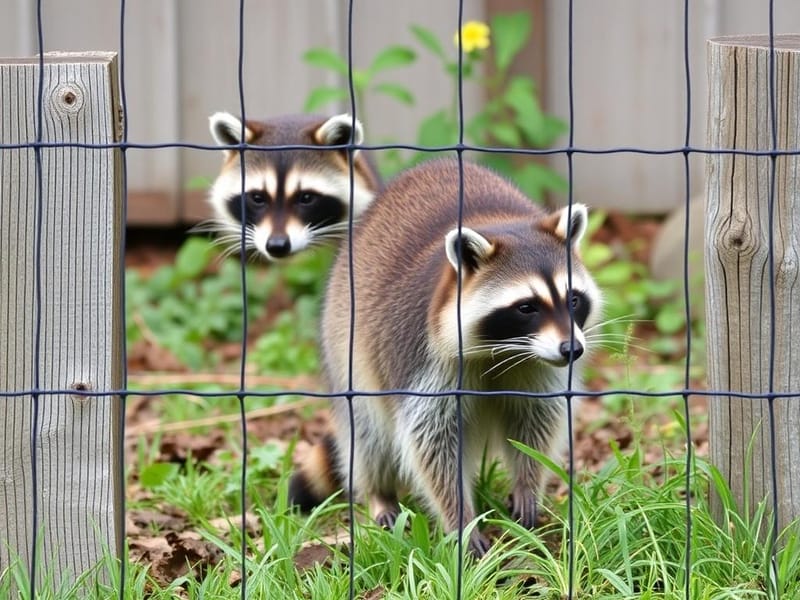
A well-built fence can be one of the most effective deterrents. Raccoons are excellent climbers, so make sure your fence extends above ground and has a sloped top to prevent them from jumping over. They're also skilled at squeezing through small spaces, so check for gaps around doors, windows, and under structures. Many people find success with electric fencing, though it requires careful installation to be effective and safe.
Using Natural Deterrents
There are several natural methods that can help discourage raccoons from entering your yard. These approaches work by making your space less appealing to them:

Related Posts

Unveiling the Timeless Charm of Black and White Striped Patio Um

Unpacking the Truth About Walking on Pool Covers Your Essential

Mastering the Art of the Perfect Pool Party Experience A Guest's Guide

Understanding the Pink Slime in Your Pool What It Is and How to Tackle It

Keeping Your Concrete Patio Happy and Safe Around the Fire Pit

Transforming Your Corner Lot A Masterclass in Curb Appeal
Some people swear by the smell of certain plants to keep raccoons away. While results vary, many find that combining several natural deterrents works better than relying on just one method. The key is consistency and repetition. Raccoons are smart animals, and they may initially ignore a deterrent, but if it's consistently applied, they'll eventually move on to easier targets.
Managing Water Sources
Raccoons need water to survive, and they'll often seek it out in yards where it's easily accessible. Removing water sources can be an effective way to discourage raccoon visits:
Even small amounts of standing water can attract raccoons, especially during dry periods. If you have a pond or water feature in your yard, consider installing a barrier or moving it away from areas where raccoons typically visit. Some homeowners find that simply changing their watering schedule to early morning or late evening helps reduce nighttime raccoon activity.
Professional Solutions
When DIY methods aren't enough, professional help might be necessary. Sometimes raccoon problems become too severe to handle alone. Professional wildlife control services can provide:
Consider calling a professional if you're dealing with multiple raccoons, if they're causing significant damage, or if you're concerned about safety issues. Many professionals offer both immediate solutions and ongoing maintenance programs to ensure long-term protection. It's worth noting that some areas have specific regulations about raccoon removal, so it's wise to check local laws before taking action.
Keeping raccoons out of your yard isn't impossible, but it does require a combination of strategies and consistent effort. The key is to address their primary motivations: food, water, and shelter. By securing food sources, managing trash properly, creating physical barriers, and using natural deterrents, most homeowners can significantly reduce raccoon activity in their outdoor spaces. Remember, patience is crucial - raccoons are intelligent creatures that may take time to adjust to new conditions. What works for one yard might not work for another, so be prepared to experiment with different approaches until you find what works best for your situation. The investment in prevention is always less expensive than dealing with the aftermath of raccoon damage. With the right combination of techniques and persistence, you can reclaim your yard from these clever intruders and enjoy your outdoor space again.
