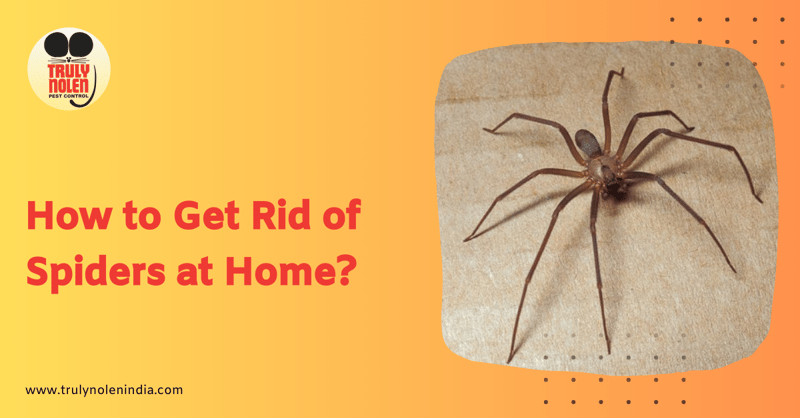
We've all had that moment when we spot a spider scurrying across our porch floor. It's unsettling, especially when they seem to multiply overnight. But fear not - there are proven ways to tackle this common household issue without resorting to harsh chemicals.
Spiders are everywhere, and your porch is no exception. These eight-legged creatures might seem harmless, but they can quickly turn a peaceful outdoor space into an unwelcome habitat. Whether you're dealing with a few spiders or a full-blown infestation, understanding their behavior and implementing effective strategies can make all the difference. This guide will walk you through everything you need to know to banish spiders from your porch for good.
Understanding Spider Behavior on Porches
Before diving into removal techniques, it helps to understand why spiders choose porches as their home base. They're attracted to areas with plenty of hiding spots and food sources. Your porch often provides both - dark corners, under furniture, and even small cracks offer perfect shelter. Spiders are also drawn to insects that might be attracted to lights or food sources nearby. Understanding this can help you target your approach more effectively. Did you know that most porch spiders are actually beneficial, eating other pests? But when their numbers get out of control, they become a nuisance rather than a help.
Natural Repellent Solutions
There are several natural ways to keep spiders away from your porch. Essential oils like peppermint, eucalyptus, and tea tree oil work exceptionally well. Simply mix a few drops with water in a spray bottle and mist around corners, entry points, and dark areas where spiders tend to hide. Citrus peels, particularly orange and lemon, also repel spiders naturally. You can scatter them around your porch or place citrus slices in small containers. Another effective method involves using diatomaceous earth - a fine powder that creates a barrier spiders won't cross. The powder damages their exoskeletons when they try to crawl through it. These methods work best when combined with regular cleaning and maintenance.

Proper Cleaning and Maintenance
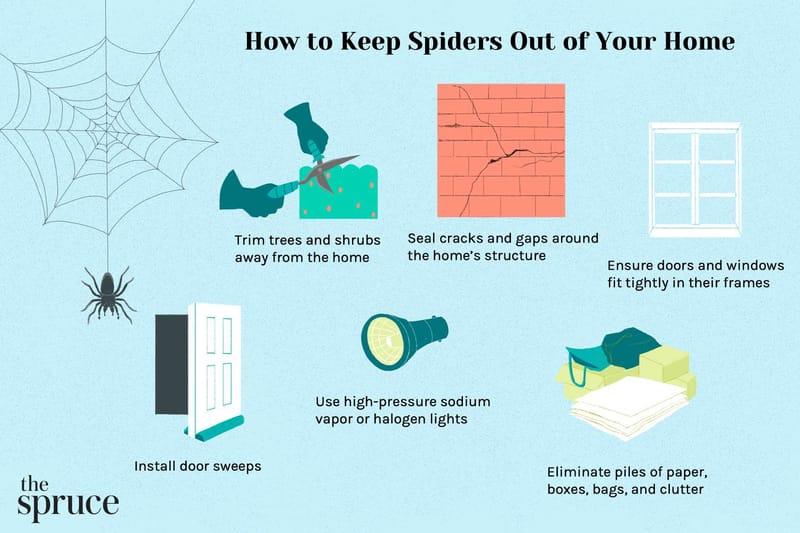
The foundation of any spider prevention strategy lies in cleanliness. Regularly sweep and vacuum your porch, paying special attention to corners, under furniture, and beneath planters. Spiders love clutter because it provides hiding places. Remove any debris, leaves, or items that accumulate on your porch regularly. Check for cracks and gaps in walls, doors, and windows where spiders might enter. Seal these openings with caulk or weatherstripping. Keep your porch well-lit during evening hours, as spiders generally prefer darker spaces. Consider removing outdoor plants that might attract insects, which in turn attract spiders. A clean porch means fewer hiding spots and less appeal to these unwanted guests.
Physical Removal Techniques
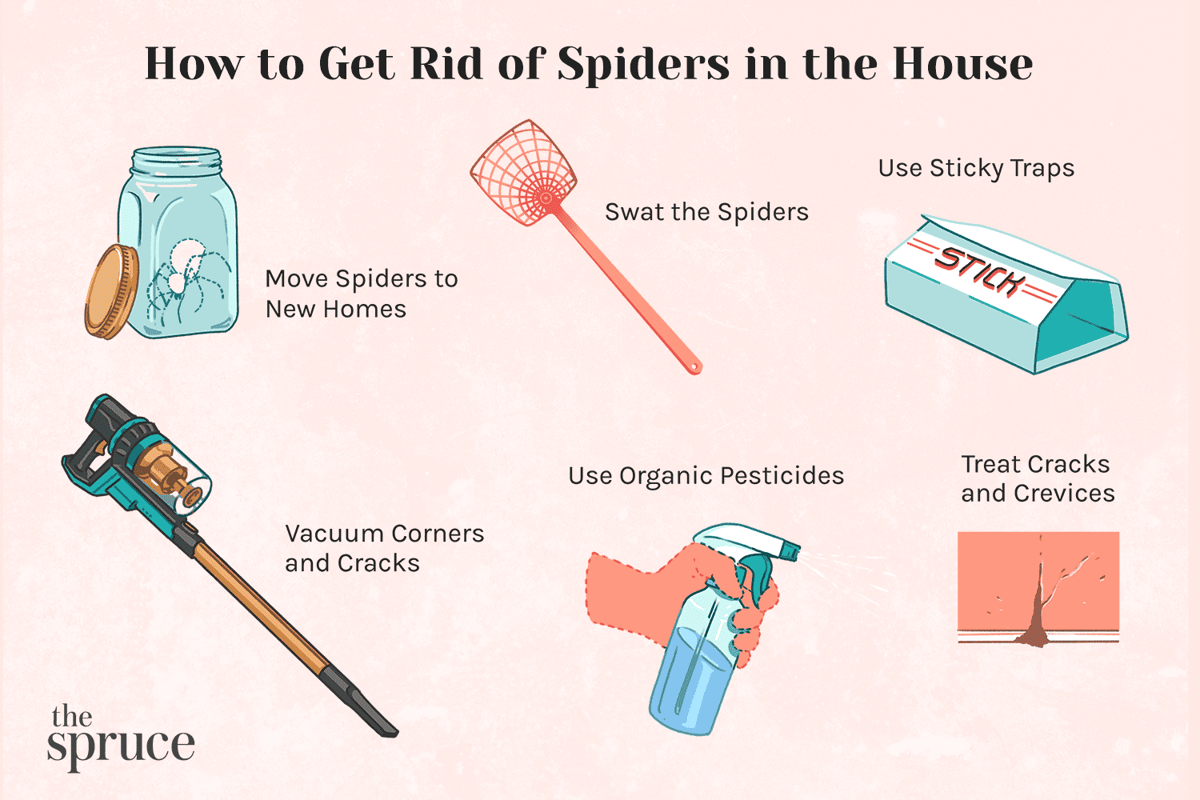
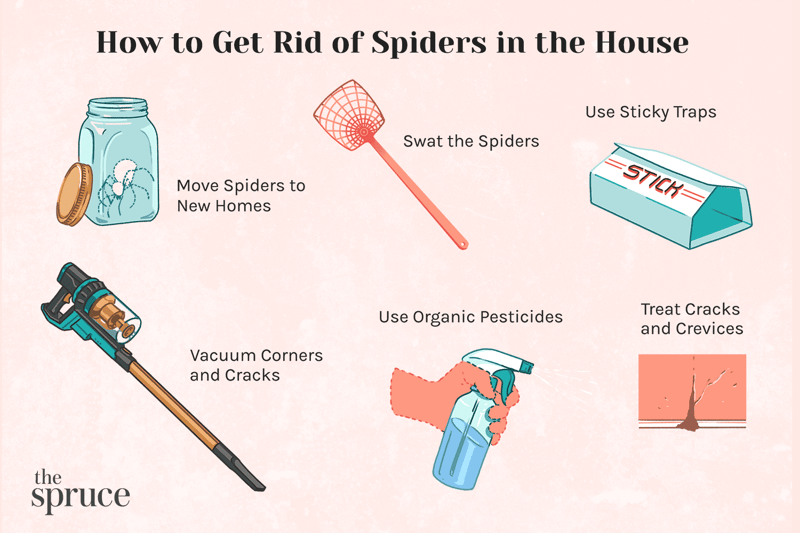
Sometimes you just need to get hands-on with spider removal. Use a vacuum cleaner with a hose attachment to suck up spiders and their webs. Be careful not to crush them directly, as this might cause them to release more webbing. For larger spiders or those in hard-to-reach areas, a long-handled tool like a broom can help you sweep them away. When dealing with webs, simply cut them with scissors or a sharp object rather than trying to pull them off. This prevents the web from sticking to surfaces and potentially attracting more spiders. Remember to dispose of any captured spiders outside, away from your home. Some people find it satisfying to relocate spiders to a garden area where they can do some good work.

Related Posts

Unveiling the Timeless Charm of Black and White Striped Patio Um

Unpacking the Truth About Walking on Pool Covers Your Essential

Mastering the Art of the Perfect Pool Party Experience A Guest's Guide

Understanding the Pink Slime in Your Pool What It Is and How to Tackle It

Keeping Your Concrete Patio Happy and Safe Around the Fire Pit

Transforming Your Corner Lot A Masterclass in Curb Appeal
Professional Pest Control Options
If DIY methods aren't working, professional pest control services can provide more intensive solutions. These experts can assess your specific situation and recommend targeted treatments. Many professionals offer integrated pest management approaches that combine multiple techniques for better results. Some companies specialize in spider control specifically and may use products that are safe for your family and pets. Before hiring someone, ask about their experience with porch spider issues and whether they use environmentally friendly options. Professional treatments often include perimeter spraying and targeted applications in problem areas. While this option costs more upfront, it can provide long-term relief if done correctly.
Prevention Strategies for Long-Term Success
Prevention is always better than cure, especially when it comes to spider problems. Regular inspections of your porch can help catch spider activity early before it becomes serious. Set up a routine cleaning schedule that includes checking corners, under furniture, and other potential hiding spots. Maintain good lighting throughout your porch area, as spiders avoid bright environments. Keep your porch free of clutter and debris that might attract insects. Consider installing door sweeps or weatherstripping to prevent spiders from entering through gaps. Natural deterrents like essential oils can be reapplied weekly as a preventive measure. Creating a spider-unfriendly environment means fewer problems down the road. Think of it as investing in your porch's future comfort.
Dealing with spiders on your porch doesn't have to be a stressful experience. By understanding their habits, maintaining cleanliness, and using natural or professional solutions when needed, you can create a spider-free outdoor space. Remember, the key is consistency - regular maintenance and prevention work together to keep spiders at bay. Whether you choose natural remedies, physical removal, or professional help, the important thing is to stay committed to the process. Your porch should be a place of relaxation, not a spider sanctuary. With these strategies in mind, you'll be well-equipped to handle whatever spider challenges come your way. The most successful approach often combines several methods rather than relying on just one technique. So start with the basics and build from there, adjusting your approach based on what works best for your specific situation.
