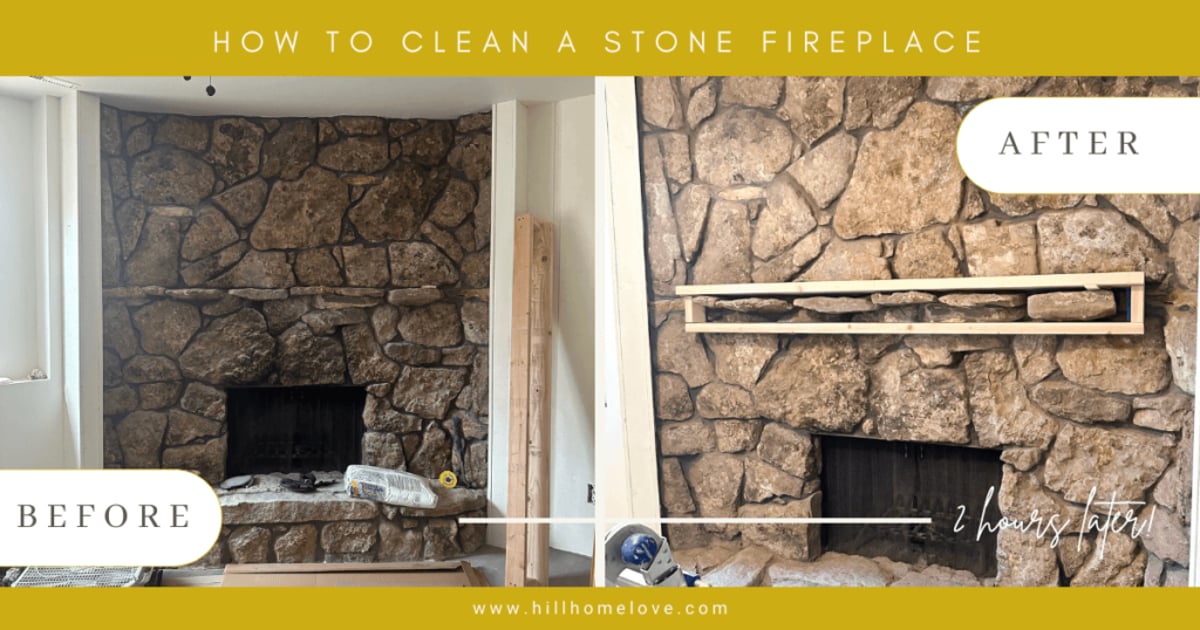
There's something magical about a well-maintained stone fireplace. It adds warmth, character, and charm to any room. But over time, those beautiful stones can accumulate dust, soot, and grime that dulls their natural beauty. Cleaning them properly isn't just about aesthetics – it's about preserving the integrity of the stone itself.
Fireplace stone work deserves special attention when it comes to cleaning. Unlike other surfaces in your home, stone requires a delicate touch and the right approach. Whether you have a natural stone hearth or manufactured stone panels, understanding how to care for these materials can extend their life significantly. The wrong cleaning method can actually damage the stone, creating permanent stains or weakening its structure. That's why knowing the proper techniques matters more than you might think.
Understanding Different Types of Stone
Not all stone is created equal, and that's crucial to know before you start cleaning. Natural stone like limestone, sandstone, and granite each react differently to cleaning products and methods. Limestone tends to be softer and more porous, making it prone to staining and etching. Sandstone can be quite fragile and may crumble if cleaned improperly. Granite, while harder, still needs gentle treatment to avoid scratches.
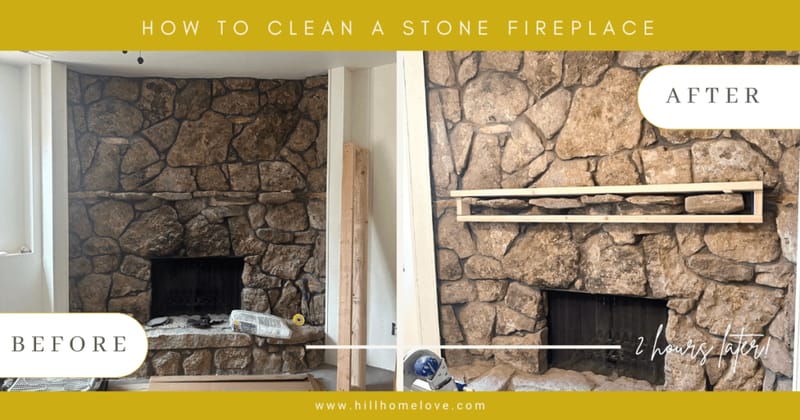
Manufactured stone, often made from concrete or ceramic, behaves differently too. These materials may have a protective coating that could be damaged by harsh chemicals. Understanding what you're working with helps determine whether you should use gentle soap solutions or more aggressive cleaning agents. Sometimes, a quick visual inspection or even a simple water test can tell you a lot about your stone's composition.
Essential Tools and Materials
Before diving into the cleaning process, gather these basic supplies:
The key here is using gentle tools that won't scratch or damage the stone surface. Harsh scrubbing tools like steel wool or abrasive sponges should never touch your fireplace stone. You might think a little extra effort will get better results, but you'll likely end up causing more harm than good.

Preparation Steps Before Cleaning
Proper preparation sets the stage for successful cleaning. Start by turning off your fireplace and allowing it to cool completely. Remove any decorative items, ash, or debris that might interfere with your cleaning process. Clear the area around the fireplace to give yourself room to work. Check if your stone has any existing damage like cracks or chips – these areas may need special attention during cleaning.
If there's heavy soot buildup, consider wearing a mask to protect yourself from inhaling particles. Also, test any cleaning solution on a small hidden area first. This step is vital because some chemicals can discolor certain types of stone. What looks harmless on paper might cause unexpected reactions when applied directly to your fireplace.
Step-by-Step Cleaning Process
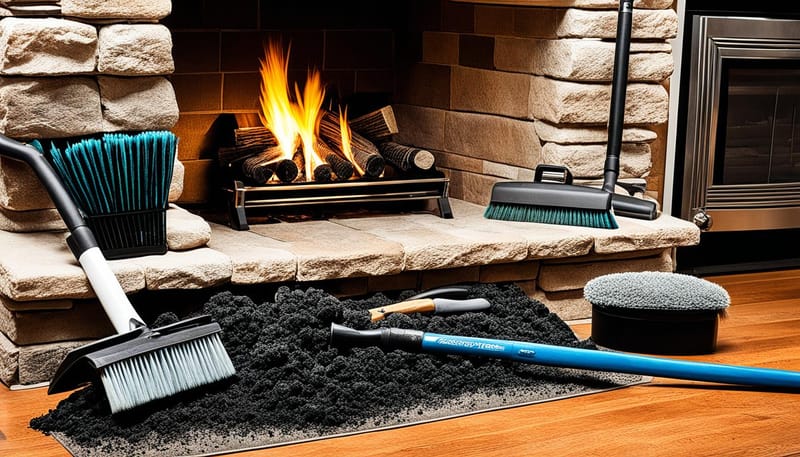
The actual cleaning process follows these steps:
1. Dust removal: Use a vacuum with a soft brush attachment to remove loose dirt and debris from crevices 2. Spot treatment: Apply mild soap solution to stained areas and let it sit for a few minutes 3. Gentle scrubbing: Use soft brushes to work the solution into the stone surface 4. Rinsing: Wipe away soap residue with clean water and microfiber cloth 5. Drying: Allow the stone to air dry completely
For heavily soiled areas, you might need to repeat the process. Remember, patience is key. Rushing through this process often leads to missed spots or incomplete cleaning. Some people find it helpful to clean one section at a time rather than tackling everything at once.
Dealing with Stubborn Stains
Some stains resist regular cleaning methods. Here are effective approaches for common problems:
Always remember that aggressive cleaning can damage stone. When dealing with stubborn stains, try milder solutions first. If the stain persists, consult a professional stone restoration specialist. They have access to specialized equipment and products that can handle tough situations without harming your fireplace.
Maintenance Tips for Long-Term Care
Regular maintenance prevents major cleaning issues later. Here are some practices that keep your stone looking fresh:
Related Posts

Unveiling the Timeless Charm of Black and White Striped Patio Um

Unpacking the Truth About Walking on Pool Covers Your Essential

Mastering the Art of the Perfect Pool Party Experience A Guest's Guide

Understanding the Pink Slime in Your Pool What It Is and How to Tackle It

Keeping Your Concrete Patio Happy and Safe Around the Fire Pit

Transforming Your Corner Lot A Masterclass in Curb Appeal
Think of your stone fireplace as a living element in your home. Just like plants need regular watering and care, stone benefits from consistent attention. Many homeowners notice that their fireplaces look much better when they maintain a routine cleaning schedule rather than waiting until they're visibly dirty.
Safety Considerations and Common Mistakes
Cleaning fireplace stone involves several safety concerns that shouldn't be ignored. Never use acidic cleaners like lemon juice or bleach on natural stone – they can cause irreversible damage. Also, avoid using steam cleaners or high-pressure water, which can force water into cracks and cause further deterioration.
Common mistakes include:
These errors aren't just frustrating – they can lead to expensive repairs down the road. It's always better to take time for proper preparation and use gentle methods rather than risk permanent damage.
When to Call Professionals
While many cleaning tasks can be handled at home, there are situations where professional help is essential. Consider calling experts when:
Professional stone cleaners have specialized knowledge about different stone types and can recommend appropriate treatments. They also carry equipment that allows them to clean effectively without risking damage. Sometimes, what seems like a simple cleaning job becomes a complex restoration project that only professionals can handle correctly.
Cleaning stone on a fireplace is both an art and a science. It requires understanding your specific stone type, using appropriate tools and methods, and maintaining consistency over time. While it might seem daunting at first, breaking the process into manageable steps makes it achievable for most homeowners. The investment of time and effort pays off in the form of a beautiful, long-lasting fireplace that enhances your home's character. Remember, the goal isn't just to make things look clean – it's to preserve the natural beauty and structural integrity of your stone investment. With the right approach, your stone fireplace can remain a stunning focal point for years to come.
