Every summer, we rely on those mesh barriers to keep bugs out while letting fresh air flow in. But how often do we really think about them? These unsung heroes of our outdoor spaces deserve some attention. Cleaning your porch screens isn't just about aesthetics – it's about keeping your investment protected and ensuring they continue working properly.
Screened in porches have become a staple feature in many homes across America. They provide a perfect balance between indoor comfort and outdoor enjoyment. Yet, these screen enclosures often get overlooked when it comes to maintenance. Over time, they accumulate dirt, debris, pollen, and even bird droppings that can significantly reduce their effectiveness. The good news is that cleaning them doesn't require professional help or expensive equipment. With the right approach and simple supplies, you can restore your porch screens to their original condition and extend their lifespan considerably.
Why Screen Cleaning Matters
Think about it – how much do you actually see of your screen? You might be surprised to learn that a dirty screen can block up to 40% of airflow. That means your precious outdoor space becomes less comfortable. When screens are clogged with grime, they're no longer just protecting you from insects. They're also blocking light and reducing the ventilation you crave. Plus, neglecting screen care can lead to premature deterioration. The materials used in screen construction aren't designed to handle constant exposure to dirt and moisture without proper maintenance. This leads to fraying edges, weakened mesh, and ultimately replacement costs that could have been avoided.
Understanding Screen Materials
Not all screens are created equal. Most porch screens use aluminum or vinyl-coated fiberglass mesh. Aluminum screens tend to be more durable and resistant to weather damage. However, they can still develop rust spots if not cleaned regularly. Vinyl-coated screens offer better insulation properties but may fade over time due to UV exposure. The mesh itself varies in size – from fine weave that keeps out tiny insects to larger openings that allow maximum airflow. Understanding your screen type helps determine the best cleaning method and frequency. For instance, delicate mesh might need gentler treatment than heavy-duty aluminum frames. Some screens even have special coatings that protect against UV rays and mildew.
Essential Tools and Supplies
You don't need a full cleaning arsenal to tackle your porch screens. Here's what works best:
The key is having gentle tools that won't damage the screen material. Hard brushes or abrasive cleaners can easily tear the mesh or strip protective coatings. Many people find that using old t-shirts instead of paper towels works wonderfully for wiping down screens without leaving fibers behind.
Step-by-Step Cleaning Process
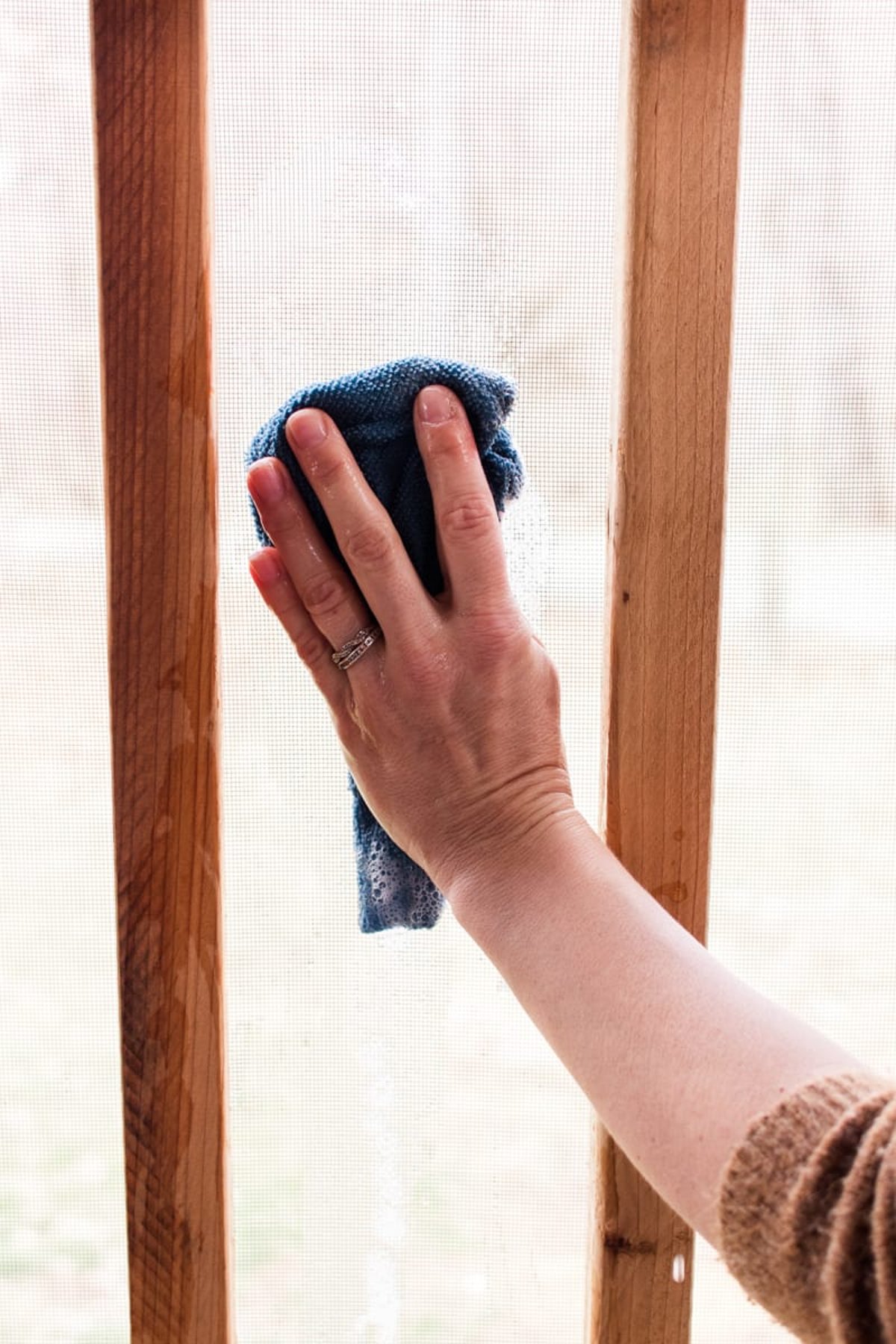
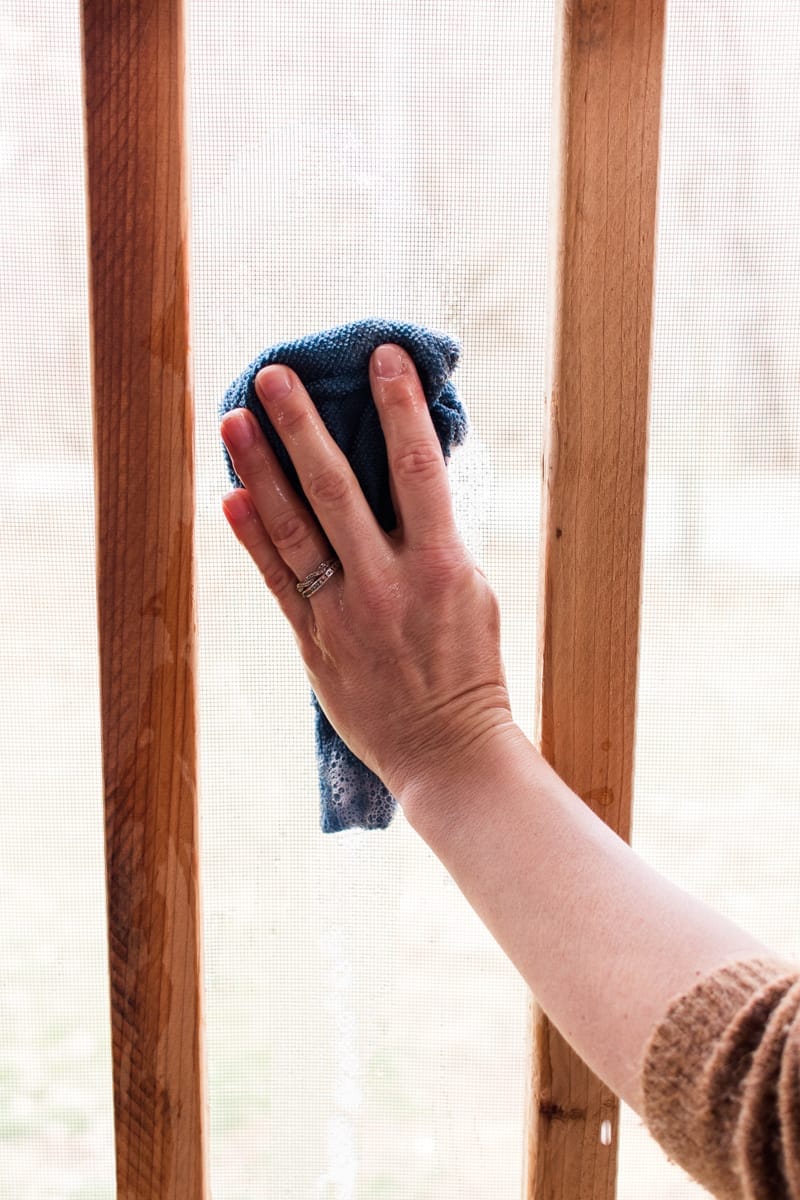
The cleaning process is surprisingly straightforward once you break it down. Start by removing any loose debris with a soft brush or vacuum. Then, prepare a cleaning solution using mild soap and water. Apply the solution gently with a sponge or cloth, working in small sections. Rinse thoroughly with clean water from the inside out to prevent streaks. Finally, dry with clean cloths or let air dry naturally. For particularly dirty screens, soaking them in a solution of warm water and mild detergent for 15-20 minutes before scrubbing can work wonders. The key is patience – rushing through this process often leads to missed spots or damaged screens.
Dealing with Stubborn Stains

Bird droppings, tree sap, and other tough messes require special attention. For organic matter like droppings, let them sit for a few minutes to soften before gently scraping away with a plastic tool. Avoid metal scrapers that could puncture the screen. For sticky substances like sap or resin, try applying rubbing alcohol or nail polish remover to a cloth and dabbing gently. Always test any cleaning product on a hidden area first. Sometimes, the best approach is prevention – regular brushing can keep most stains from setting in. Consider installing a small gutter system or overhang to prevent debris from falling directly onto screens.
Maintenance Tips for Longevity
Regular maintenance prevents major cleaning jobs down the road. Here are some practices that make a difference:
Related Posts

Unveiling the Timeless Charm of Black and White Striped Patio Um

Unpacking the Truth About Walking on Pool Covers Your Essential

Mastering the Art of the Perfect Pool Party Experience A Guest's Guide

Understanding the Pink Slime in Your Pool What It Is and How to Tackle It

Keeping Your Concrete Patio Happy and Safe Around the Fire Pit

Transforming Your Corner Lot A Masterclass in Curb Appeal
Think of screen maintenance as a conversation with your home. Regular check-ins ensure everything stays healthy and functional. Neglecting this relationship can lead to costly repairs or replacements.
When to Call Professional Help
While most screen cleaning can be handled DIY, there are situations where professionals shine. If you notice extensive damage like large tears, broken frames, or sagging screens, it's time to seek expert help. Professional screen installers can also provide advice on upgrading to better materials or addressing structural issues. They might recommend replacing screens entirely if they're beyond repair or if newer, more efficient options are available. Don't wait until screens are completely unusable – early intervention often saves money and stress. Many pros offer maintenance packages that include regular cleaning and inspection services.
Cleaning your porch screens doesn't have to be a daunting task. It's really about establishing a routine that works for your lifestyle and home needs. Whether you tackle it yourself or bring in professionals, the benefits are clear. Clean screens mean better airflow, improved protection, and extended life for your investment. They also contribute to a more enjoyable outdoor experience year after year. Remember, the most important thing isn't perfection – it's consistency. Even a quick weekly brushing can make a huge difference. Your screened in porch deserves care, and taking that step makes all the difference in the world.
