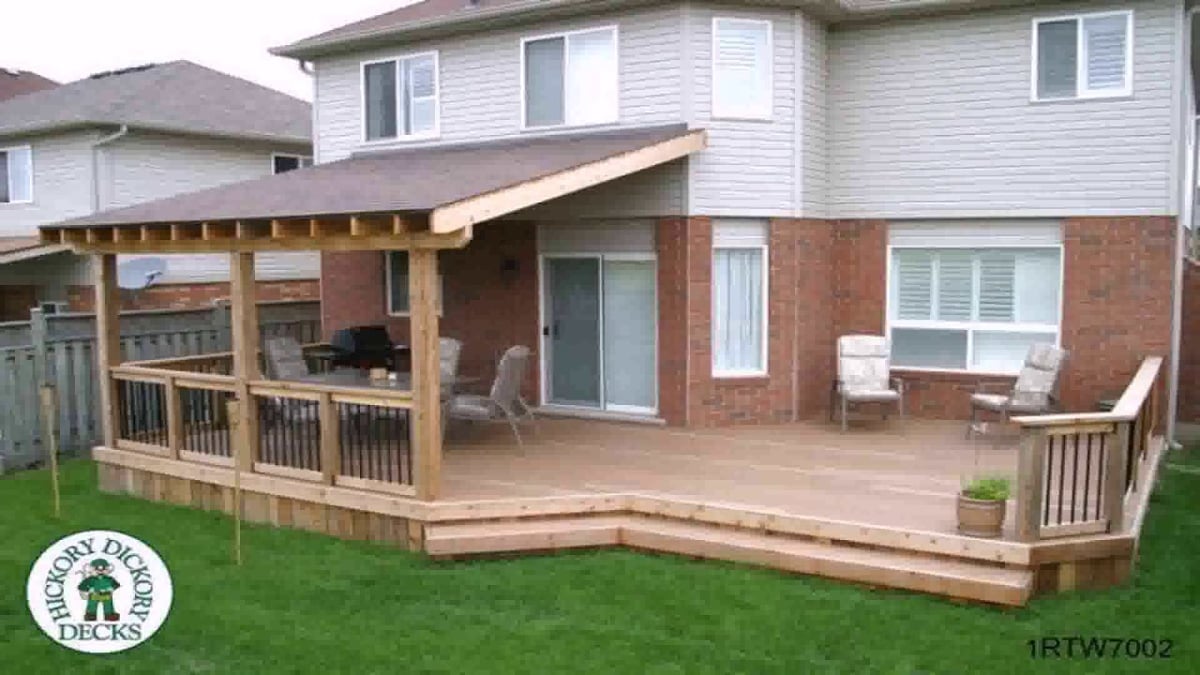
Picture this: warm summer afternoons spent in the shade, your family gathered around a table, the gentle sound of rain on your roof, and all of it happening just steps away from your home's entrance. That's what a well-built patio cover can give you. But building one that connects directly to your house isn't just about putting up some boards and a roof. It requires careful planning, quality materials, and understanding of structural principles.
When you think about extending your living space outdoors, a patio cover attached to your house is often the most practical and cost-effective solution. It provides shelter from the elements while creating a seamless transition between indoor and outdoor areas. But before you start digging holes or cutting lumber, there's a lot to consider. From choosing the right location to ensuring proper attachment methods, each step matters. This guide will walk you through everything you need to know to build a durable, attractive patio cover that complements your home.
Planning and Design Considerations
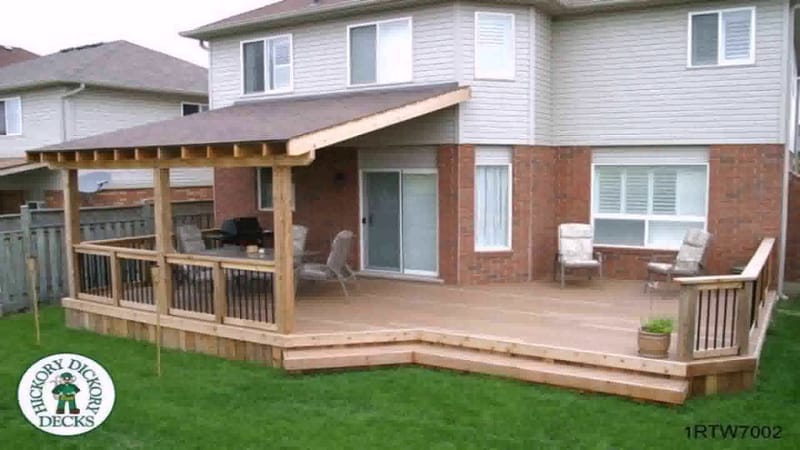
The first step in building any patio cover is proper planning. You'll want to assess your existing space carefully. Look at the area where you plan to attach the cover - is there adequate clearance from the house walls? What's the slope of the ground? How much space do you actually need? These questions might seem basic, but they're crucial for successful construction. Consider the orientation of your house and how sunlight will affect the covered area throughout the day. A cover built facing south will receive more sun than one facing north, potentially affecting your comfort level during different seasons. Think about what activities you'll use the space for. Will you entertain guests regularly? Do you need room for a grill? Planning ahead helps prevent costly mistakes later on. Also, check if you need permits before starting work. Some local building codes require approval for structures over a certain size or height. The design should also account for drainage - water needs to flow away from both the house and the cover structure. Finally, consider the style that best matches your home's architecture. A modern minimalist design might work better with contemporary homes, while traditional designs suit older properties better.
Essential Tools and Materials
Before you begin construction, gather your tools and materials. You'll need basic carpentry tools like a circular saw, drill, level, measuring tape, and square. For structural support, pressure-treated lumber works best for outdoor projects due to its resistance to rot and insects. Common sizes include 2x6s and 2x8s for framing, with 1x6s or 1x8s for the roof decking. You'll also need galvanized screws and bolts designed for outdoor use. Fasteners are critical because they hold everything together securely. For roofing materials, options range from cedar shakes to synthetic alternatives. Cedar offers natural beauty and durability, while synthetic materials provide low maintenance. Other materials include concrete footings for stability, metal brackets for attachment points, and weather-resistant sealers. Quality matters here - investing in good materials upfront saves money and headaches later. Consider the weight load requirements too. A typical patio cover might need to support 20 pounds per square foot for snow loads in many regions. Don't skimp on the foundation components either. Poorly installed footings can lead to structural issues down the road. Think about how you'll access the area for maintenance and repairs. Having enough space around the structure makes future work much easier.
Foundation and Support Structure
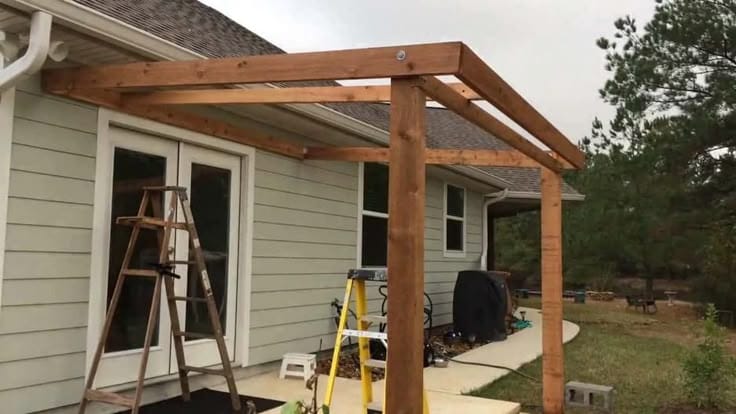
Building a solid foundation is perhaps the most important part of the project. Start by marking out the exact dimensions using stakes and string. The support posts must be perfectly vertical to ensure even weight distribution. Most patio covers use 4x4 or 6x6 posts driven deep into the ground. Concrete footings provide excellent stability, especially in areas with freezing temperatures or high winds. Pour concrete around the base of each post, allowing it to cure properly before attaching anything else. The depth depends on local frost lines, typically 36 inches minimum in most areas. Once the footings set, install the main support beams. These run horizontally across the top of the posts and carry the weight of the entire structure. They must be properly sized based on span length and expected loads. Check local building codes for specific requirements regarding beam sizing and spacing. The horizontal members connect the posts and create a rigid frame. They should be secured with metal brackets that allow for expansion and contraction due to temperature changes. Many builders prefer to use engineered lumber for longer spans. Proper alignment during installation prevents warping or sagging over time. Remember that the structure must transfer loads effectively to the ground through the footings. Any weak point in this chain creates potential failure.
Attaching to Your Home Safely
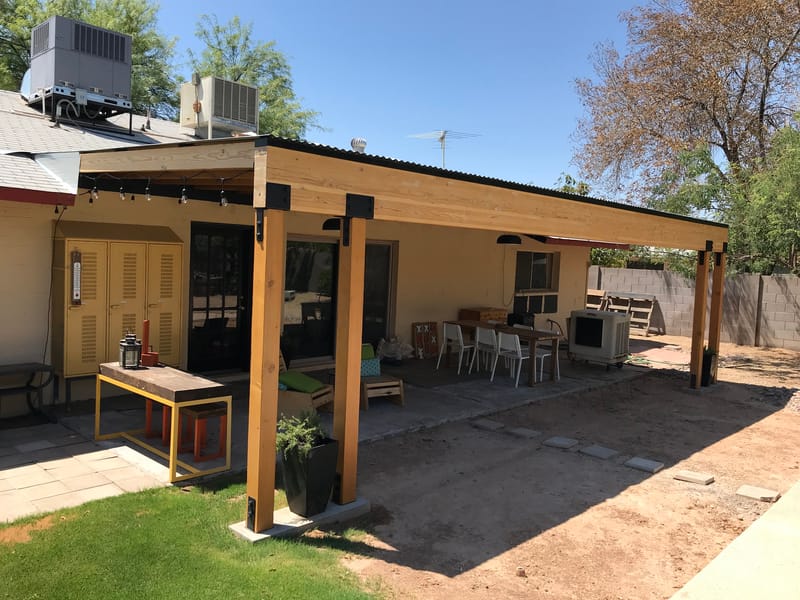
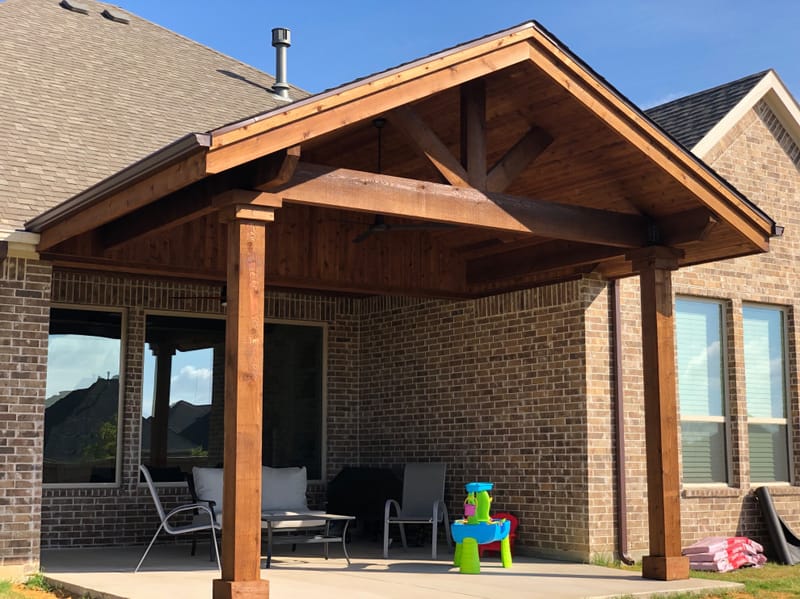
Connecting your patio cover to the house requires careful attention to detail. First, determine exactly where you'll attach it. The connection point should be structurally sound and able to handle additional weight. Look for strong structural elements like load-bearing walls or existing roof supports. If attaching to a brick or stone wall, you may need to cut through the exterior material carefully. Always check with your home inspector or contractor if you're unsure about structural integrity. Use appropriate fasteners designed for wood-to-wood or wood-to-metal connections. Stainless steel or galvanized hardware prevents rust and corrosion. The attachment method varies depending on whether you're connecting to a wooden frame or masonry structure. For wood-to-wood connections, use metal brackets or plates that distribute stress evenly. When working with concrete or brick, anchor bolts or specialized masonry fasteners are necessary. Consider the impact of thermal movement. Wood expands and contracts with temperature changes, so flexible connections help prevent damage to both structures. Plan for proper flashing at the junction to prevent water infiltration. Water can cause serious damage to your home's siding or foundation if it gets behind the cover attachment point. The connection should be watertight and allow for some movement without compromising structural integrity. Don't forget about electrical considerations - if you have outlets nearby, plan accordingly to avoid conflicts with the new structure.
Related Posts

Unveiling the Timeless Charm of Black and White Striped Patio Um

Unpacking the Truth About Walking on Pool Covers Your Essential

Mastering the Art of the Perfect Pool Party Experience A Guest's Guide

Understanding the Pink Slime in Your Pool What It Is and How to Tackle It

Keeping Your Concrete Patio Happy and Safe Around the Fire Pit

Transforming Your Corner Lot A Masterclass in Curb Appeal
Roofing and Weather Protection
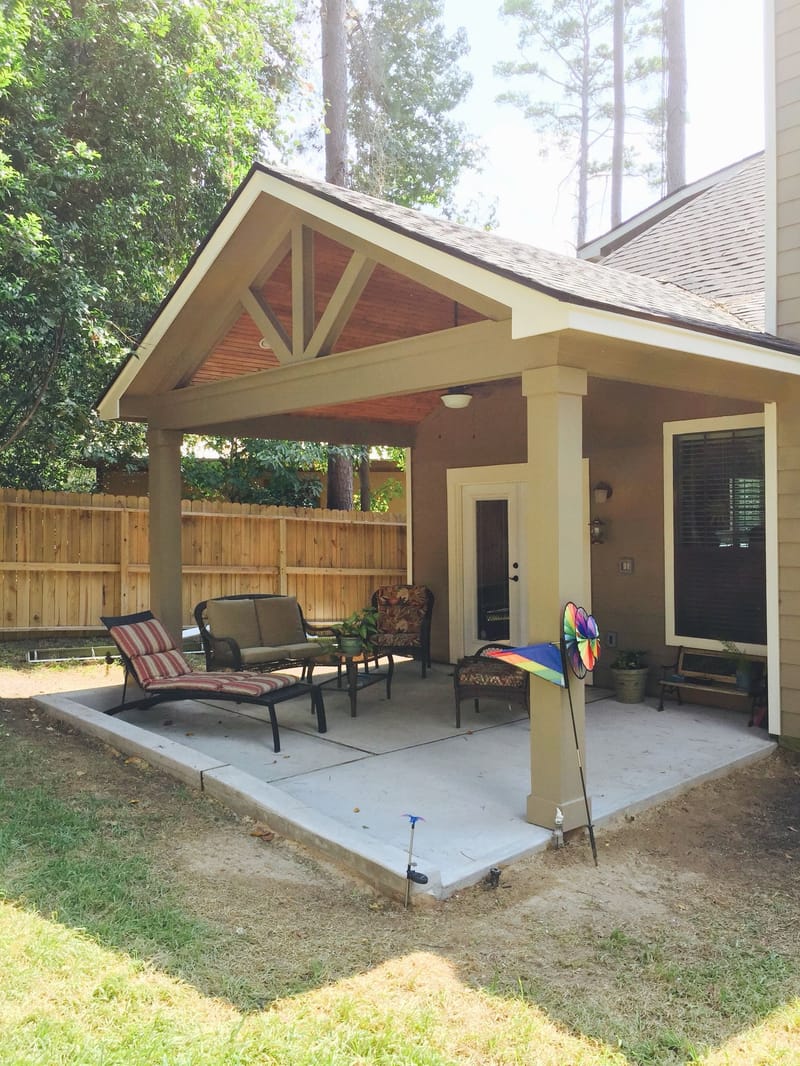
The roof is what protects your patio from rain, sun, and other weather conditions. Choose roofing materials based on your climate and aesthetic preferences. Cedar shakes offer natural beauty and excellent weather protection, but require regular maintenance. Metal roofing is durable and low maintenance, though it can be noisy during storms. Synthetic materials like composite shingles provide a balance of appearance and longevity. The roof pitch affects both water drainage and structural requirements. A steeper slope handles water runoff better but requires more materials. Consider installing a drip edge along the roof's edge to direct water away from the house. Proper ventilation under the roof is also important to prevent moisture buildup and extend the life of materials. Ventilation allows air to circulate and reduces the risk of mold or mildew growth. Some designs incorporate soffit vents or ridge vents. The roof deck should be installed with proper spacing to allow for expansion and contraction. Overlapping materials correctly prevents water penetration. Regular inspections of the roof surface will help identify problems early before they become major issues. Keep gutters clean if you have them, and consider adding a rain collection system if you want to be environmentally conscious. The roof design should complement the overall look of your home and property.
Finishing Touches and Maintenance
Once the structure is complete, attention to finishing details makes all the difference. Install trim around the edges to create clean lines and protect the wood from moisture. This is especially important at the connection points with your house. Stain or paint the wood according to manufacturer instructions for maximum protection. Some homeowners prefer to leave wood natural to show off its grain, while others opt for color coordination with their home's exterior. Add lighting fixtures for evening use, but ensure they're properly grounded and protected from the elements. Consider installing a ceiling fan for additional comfort during hot weather. Proper drainage around the base of the structure prevents water pooling that could damage the foundation or cause wood rot. Landscape the area appropriately to enhance the outdoor space and provide privacy if desired. Regular maintenance keeps your patio cover looking great and functioning properly. Annual inspections of fasteners, seals, and structural elements catch small problems before they become expensive repairs. Clean debris from the roof regularly and check for signs of insect damage. Address any issues immediately rather than waiting for them to worsen. Keep the surrounding area clear of vegetation that might touch the structure and cause damage. With proper care, a well-built patio cover can last decades and provide years of enjoyment for your family.
Building a patio cover attached to your house is a rewarding project that extends your living space and enhances your home's value. It requires patience, careful planning, and attention to detail, but the results are worth every effort. From selecting the right materials to ensuring proper attachment methods, each step contributes to a safe, functional, and beautiful outdoor space. Remember that this is a long-term investment in your home and lifestyle. Take time to plan thoroughly, follow safety guidelines, and don't hesitate to seek professional advice when needed. Whether you're a seasoned DIYer or tackling this project for the first time, the satisfaction of creating a comfortable outdoor retreat is unmatched. With proper construction techniques and regular maintenance, your patio cover will become a cherished part of your home for many years to come. The key is to approach it thoughtfully and with respect for both the structure and the environment around it. Your family will thank you for the extra space and comfort it provides.
