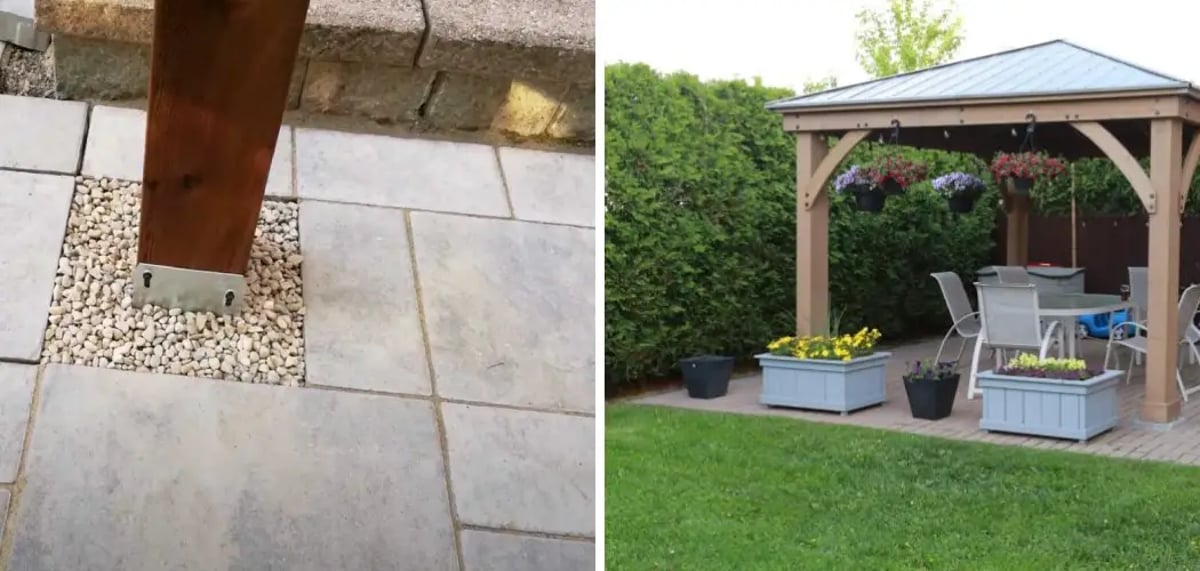
Picture this: you've finally installed your dream gazebo, complete with all the trimmings. The sun is shining, the birds are singing, and you're ready to enjoy your outdoor oasis. But then the wind picks up... and suddenly your beautiful structure starts to wobble. That's when you realize you've forgotten one crucial step - anchoring your gazebo properly to those pavers. It's a common mistake that can lead to serious problems. Let's dive into how to fix that.
When it comes to outdoor structures like gazebos, stability isn't just about aesthetics. It's about safety, durability, and ensuring your investment lasts for years to come. Many people rush to set up their new gazebo and overlook the critical step of proper anchoring to pavers. This oversight can lead to wobbling, shifting, or even complete collapse during strong winds or storms. We're talking about protecting your family, your property, and your hard-earned money here. Whether you're dealing with a small garden gazebo or a large covered structure, understanding the correct anchoring methods is essential. This guide will walk you through everything you need to know to keep your gazebo firmly planted on your paver patio.
Understanding the Basics of Gazebo Anchoring
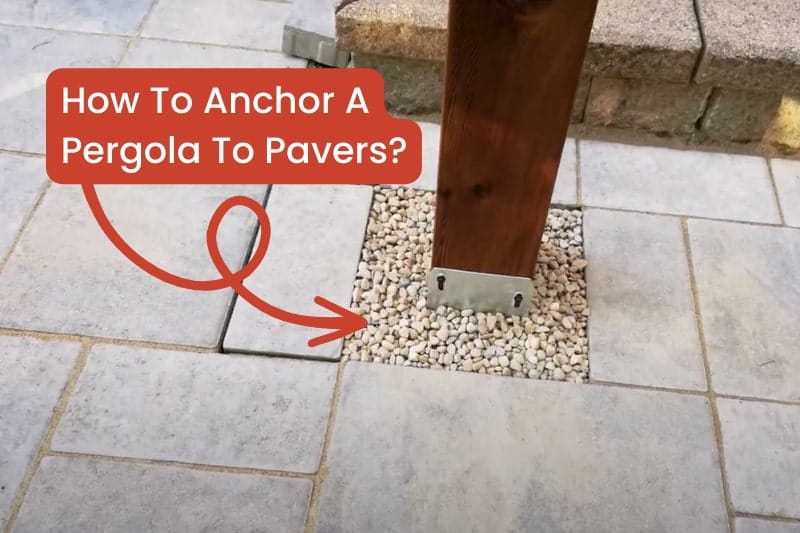
Before we jump into specific techniques, let's cover the fundamentals. When you anchor a gazebo to pavers, you're essentially creating a secure connection between your structure and the existing surface. Unlike concrete foundations or wooden decks, pavers present unique challenges because they're designed to be removable and often laid over a sand base. The key is finding the right balance between secure attachment and preserving the integrity of your paver installation. Think of it like trying to hold onto a slippery bar while standing on ice. You want enough grip to stay put, but not so much that you damage the surface beneath you. What makes this particularly tricky is that pavers are typically thin and can crack under excessive pressure if not handled correctly. The weight distribution also matters - a heavy gazebo needs solid support. You don't want to compromise the structural integrity of your paver work while securing your gazebo. Consider the materials involved too. Metal anchors can rust, while plastic ones might not provide sufficient holding power for larger structures. Finding the right approach requires understanding both your gazebo's weight and the characteristics of your paver system.
Essential Tools and Materials You'll Need
Getting your gear ready before starting is crucial. Here's what you should have on hand:
Some people prefer using specialized gazebo anchor kits that come with everything you need. These can save time and ensure compatibility with your specific gazebo model. However, if you're working with standard pavers, you'll likely need to purchase individual components. The quality of these materials directly impacts your gazebo's stability. Cheap anchors might seem economical initially, but they could fail when you really need them. Invest in good-quality hardware, especially if you live in an area prone to high winds. A few extra dollars upfront can save you from major repairs later. Remember, the right tools aren't just about convenience - they're about achieving professional results.
Step-by-Step Installation Process
The process itself isn't overly complicated once you break it down. Here's how to do it properly:
1. Plan your anchor points - Measure your gazebo frame and mark where you'll place anchors. Usually, you want to position them at each corner and possibly along the center of longer sides.

2. Check the paver layout - Look for pavers that are solid and well-set. Avoid areas where pavers appear loose or damaged.
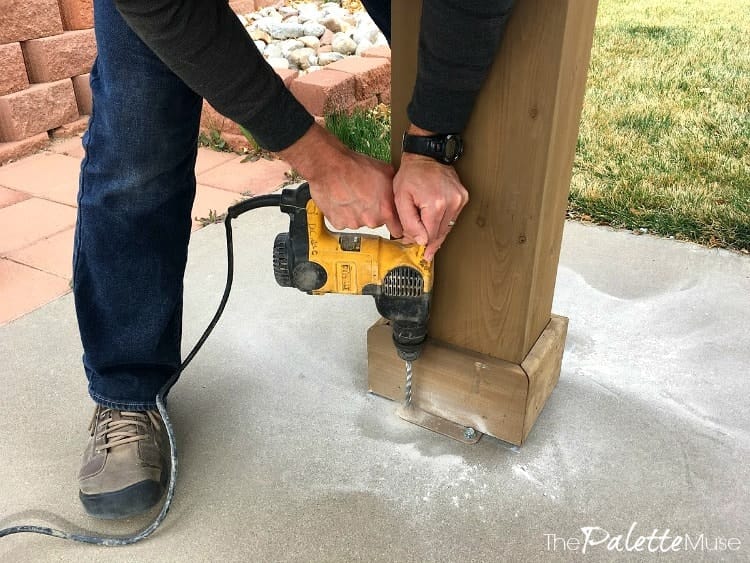
3. Drill pilot holes - Use a masonry bit slightly smaller than your anchor diameter. Drill slowly to avoid cracking the paver.
4. Install anchors carefully - Insert the anchors and tighten gradually. Don't over-tighten, which can cause the paver to crack.
5. Test the setup - Give your gazebo a gentle shake to check for movement. Adjust if necessary.
6. Apply sealant - Run a bead of silicone around anchor points to keep moisture out.
7. Final inspection - Check that everything is level and secure. This step is often overlooked but extremely important.
This method works best for temporary installations or when you cannot remove pavers for permanent mounting. Some people choose to work with their existing paver joints, which can be more challenging but still effective. The key is patience and precision. Rushing through this process increases the chance of mistakes that could compromise your gazebo's security.
Common Mistakes to Avoid
Even experienced DIYers can fall into traps when anchoring gazebos to pavers. Here are some frequent errors:
These mistakes may seem minor, but they compound over time. What starts as a small issue can eventually become a major problem requiring expensive repairs. Consider watching tutorial videos or consulting with local contractors if you're unsure about any aspect of the process. Sometimes, the safest approach is to seek professional advice.
Alternative Methods for Different Paver Types
Not all pavers are created equal, and your anchoring strategy should reflect this. Here's how to handle different scenarios:
Standard Concrete Pavers - These are usually the easiest to work with. They're thick enough to accommodate standard anchors and provide good holding strength. Use standard expansion bolts and ensure you're drilling into solid sections.
Natural Stone Pavers - These require more care. Their irregular shapes and varying densities mean you need to be extra cautious about drilling locations. Consider using longer anchors to ensure proper grip.
Interlocking Plastic Pavers - These are lighter and may not support heavy anchors. Look for specialized fasteners designed for plastic pavers, or consider alternative mounting methods.
Related Posts

Unveiling the Timeless Charm of Black and White Striped Patio Um

Unpacking the Truth About Walking on Pool Covers Your Essential

Mastering the Art of the Perfect Pool Party Experience A Guest's Guide

Understanding the Pink Slime in Your Pool What It Is and How to Tackle It

Keeping Your Concrete Patio Happy and Safe Around the Fire Pit

Transforming Your Corner Lot A Masterclass in Curb Appeal
Sand-Laid Pavers - If your pavers were installed over sand, the situation becomes more complex. You may need to create a more robust foundation or use different anchor types. Sometimes, adding a layer of mortar underneath helps distribute weight better.
Old or Damaged Pavers - These pose special challenges. If pavers are cracked or loose, you might need to replace them first or find alternative mounting points. Don't try to anchor into unstable surfaces.
Each scenario demands its own approach. Understanding your specific paver type is crucial for choosing the right solution. Consulting with paver suppliers or professionals can provide valuable insights for your particular situation.
Maintenance Tips for Long-Term Stability
Once your gazebo is anchored, maintenance becomes equally important. Regular checks ensure your investment stays secure:
Consider keeping a maintenance log to track when you last checked your anchors. This simple practice can alert you to potential issues before they become serious problems. Some people also apply protective coatings to metal anchors to prevent rust. Others prefer to use stainless steel hardware for maximum durability. The goal is to preserve both your gazebo's stability and the appearance of your paver installation. Remember that prevention is always cheaper than repair. Taking a few minutes each month to check your setup pays dividends in peace of mind and structural integrity.
Anchoring your gazebo to pavers might seem like a small detail, but it's actually one of the most important steps in ensuring your outdoor structure remains safe and stable. By following the right techniques, using appropriate materials, and maintaining regular attention to your setup, you can enjoy your gazebo for many seasons to come. The investment of time and effort now pays off tremendously in the long run. Don't let a wobbly gazebo become a safety hazard or a costly repair job. Take the time to get it right from the start. Your future self will thank you for the extra care and attention. Whether you're a seasoned DIYer or tackling this project for the first time, remember that proper anchoring is about more than just keeping your gazebo in place - it's about creating a lasting, enjoyable outdoor space that brings you joy for years ahead. The key is patience, careful planning, and respecting both your structure and your paver installation.
