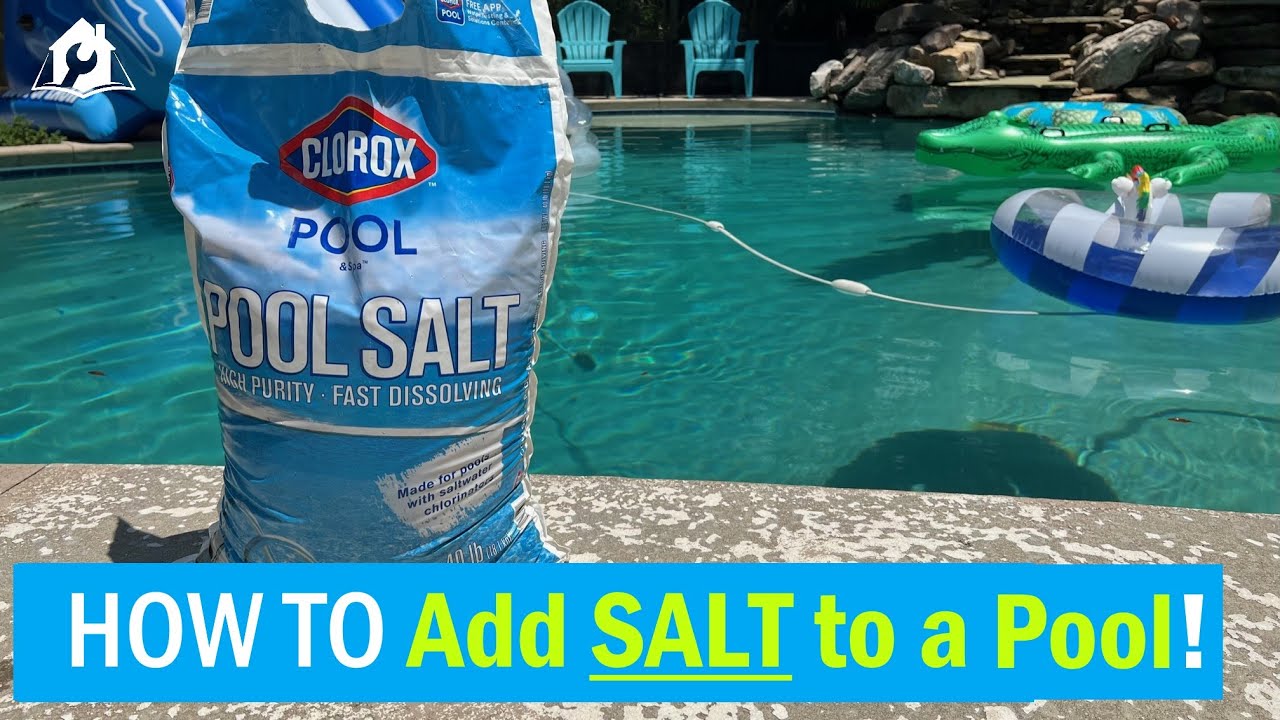
If you've ever wondered about the magic behind crystal-clear pool water, salt might just be the secret ingredient. While many people think pools are filled with regular water, those with salt systems actually use a special mixture that transforms ordinary water into a sanitizing powerhouse. It's like giving your pool a daily health boost, and understanding how to properly add salt is crucial for maintaining that sparkling cleanliness.
Adding salt to your pool isn't just about throwing some bags in there and calling it a day. It's a process that requires attention to detail, timing, and understanding exactly what you're working with. Whether you're installing a new saltwater system or refilling an existing one, getting this right can mean the difference between a crystal-clear pool and one that's murky and difficult to maintain. Think of it this way - salt isn't just another chemical you throw in the water. It's a fundamental part of how your pool's filtration system works, and doing it correctly sets the foundation for months of trouble-free swimming.
Understanding Salt Water Pool Systems
Before we dive into the how-to, let's talk about why salt matters. Salt water pools work differently than traditional chlorine pools because they use a salt chlorinator to generate chlorine naturally. When salt (sodium chloride) dissolves in water, it creates a solution that, when exposed to an electric current, breaks down into chlorine and sodium hypochlorite. This is essentially the same active ingredient found in pool chlorine tablets, but it's generated on-site rather than purchased pre-made.
The key insight here is that your pool water needs to have the right concentration of salt to make this process work effectively. Too little salt and you'll get weak chlorine production. Too much and you risk corrosion issues and potentially damaging your equipment. It's a delicate balance, like trying to perfect a recipe where one ingredient makes or breaks the whole dish.
Checking Your Current Salt Levels
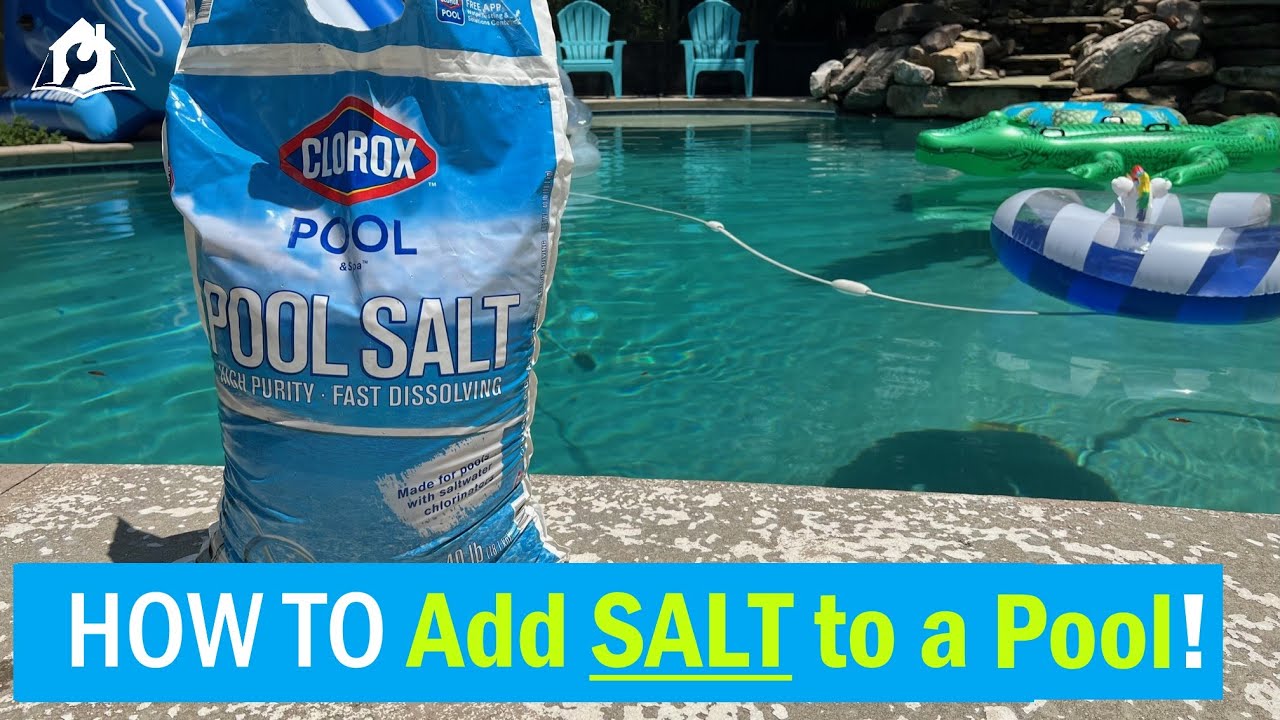
Before adding salt, you must first determine how much you already have in your pool. This is crucial information that will guide your entire process. You can test your salt levels using a salt test kit, which measures the concentration in parts per million (PPM). Most saltwater pools operate best between 2,700 and 4,500 PPM. If you're starting fresh or refilling, your salt levels will likely be near zero.
Here's what to look for:
Think of it like checking your car's oil level before adding more. You wouldn't want to overfill, right? The same principle applies here. You don't want to waste money or risk over-salting your pool.
Choosing the Right Salt Type

Not all salt is created equal, especially when it comes to pool use. You'll want to choose salt specifically designed for pools, often called pool salt or swimming pool salt. This type is typically finer and more pure than table salt, and it dissolves better in water without leaving residue.
Key factors to consider:
There's a reason why professionals recommend specific brands. They've tested them for purity and performance. Imagine if you used the wrong type of flour for baking - the results would be different, and potentially worse. The same applies to pool salt. Using the right kind ensures your system operates smoothly and efficiently.
Preparing Your Pool Area
Getting ready for salt addition involves more than just grabbing a bag. You'll want to ensure your pool area is clean and ready for this process. Start by cleaning the pool deck and surrounding areas to prevent any contamination during the salt addition process. Make sure you have adequate space to work with your salt bags, and consider wearing gloves and safety glasses to protect yourself.

Important preparation steps:
It's also worth noting that salt can be corrosive to certain metals, so keeping tools away from sensitive areas helps prevent damage. You wouldn't want to accidentally scratch a valuable item while adding salt, right?
Step-by-Step Salt Addition Process
Now comes the actual process of adding salt to your pool. This is where careful measurement and gradual addition become essential. Here's how to do it properly:
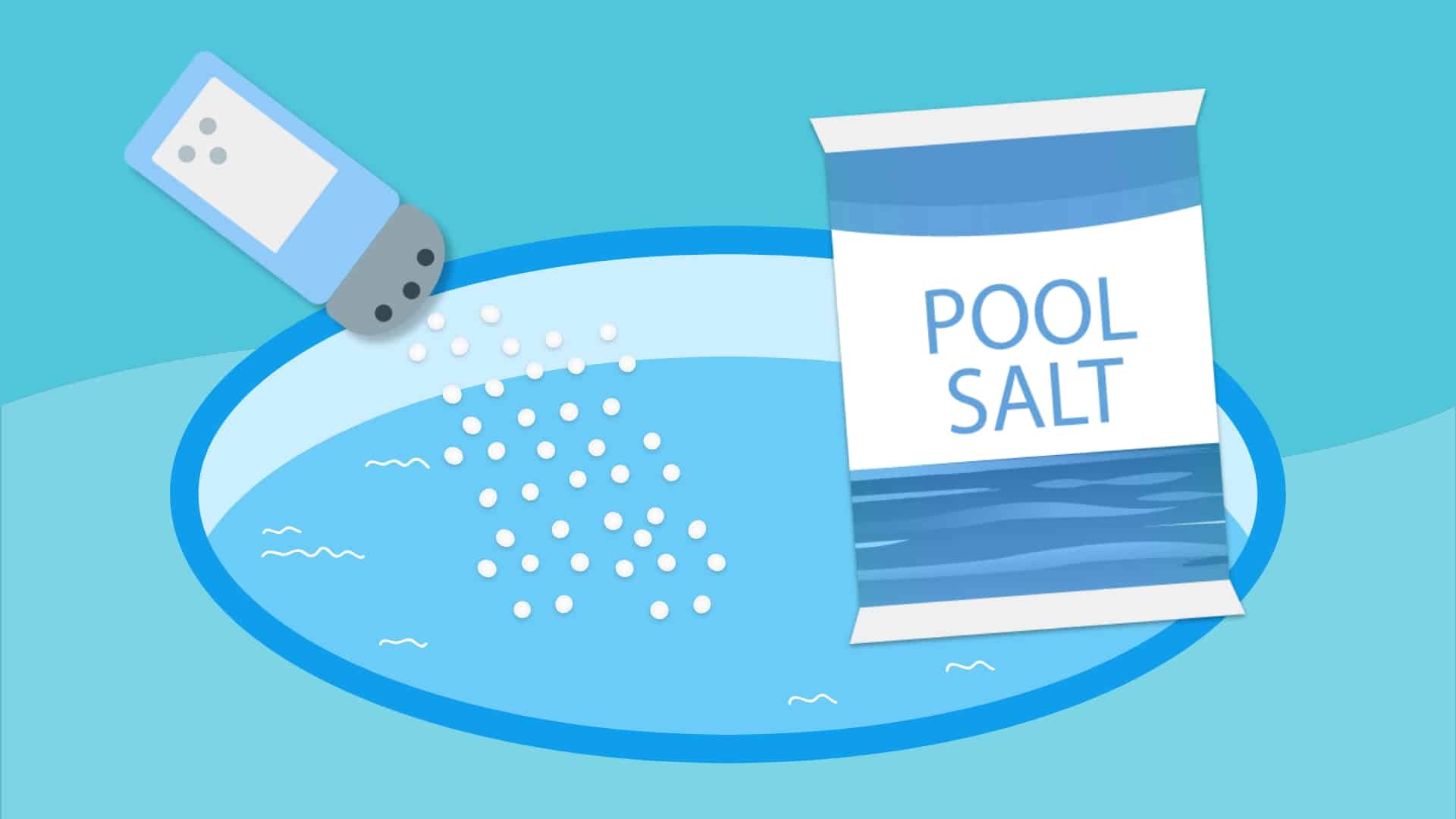
1. Calculate how much salt you need based on your pool volume and desired salt levels 2. Dissolve salt in a bucket of warm water first to avoid clumping 3. Pour the salt solution slowly around the pool edges 4. Run your pump for several hours to distribute evenly 5. Test salt levels after 24 hours and adjust if necessary
This method prevents salt from settling in one area and ensures even distribution. Picture it like stirring a pot of soup - you want everything mixed well rather than letting ingredients settle to the bottom. The salt needs to dissolve completely and spread throughout the pool water to be effective.
Common Mistakes to Avoid
Even experienced pool owners sometimes make errors when adding salt. Understanding these pitfalls ahead of time can save you time, money, and frustration. One common mistake is adding too much salt at once. This can cause immediate problems with your salt chlorinator and may require draining and refilling.
Other frequent errors include:
These mistakes can seem small, but they compound quickly. It's like putting the cart before the horse - you might think you're being efficient by rushing, but it often leads to more work later. Consider the time investment upfront versus the potential problems down the road.
Related Posts

Unveiling the Timeless Charm of Black and White Striped Patio Um

Unpacking the Truth About Walking on Pool Covers Your Essential

Mastering the Art of the Perfect Pool Party Experience A Guest's Guide

Understanding the Pink Slime in Your Pool What It Is and How to Tackle It

Keeping Your Concrete Patio Happy and Safe Around the Fire Pit

Transforming Your Corner Lot A Masterclass in Curb Appeal
Maintaining Proper Salt Levels Over Time
Adding salt is just the beginning of your saltwater pool journey. Maintaining proper levels requires ongoing attention and care. Factors like evaporation, backwashing, and heavy usage can lower salt concentrations over time. You'll want to test your salt levels regularly, ideally weekly, and top off as needed.
Maintenance tips:
Think of salt maintenance like watering a plant. You don't water it once and forget about it. You need to check regularly and provide the right amount when needed. The same principle applies to your pool - consistent attention keeps everything running smoothly.
Adding salt to your pool might seem like a simple task, but it's actually quite nuanced and important for successful saltwater pool operation. From choosing the right type of salt to understanding proper application techniques, each step matters. Remember that salt water pools offer many benefits including softer water, less harsh chemicals, and reduced maintenance compared to traditional chlorine pools. However, they do require proper setup and ongoing care to function optimally.
The key takeaway is that salt isn't just another chemical - it's the foundation of your entire saltwater system. Taking the time to do it right initially will pay dividends in cleaner water, less equipment wear, and a more enjoyable swimming experience. Whether you're a seasoned pool owner or new to saltwater systems, understanding this process gives you the confidence to maintain your pool properly and enjoy its many advantages. So next time you see a salt bag sitting in your garage, you'll know exactly how to make the most of it.
