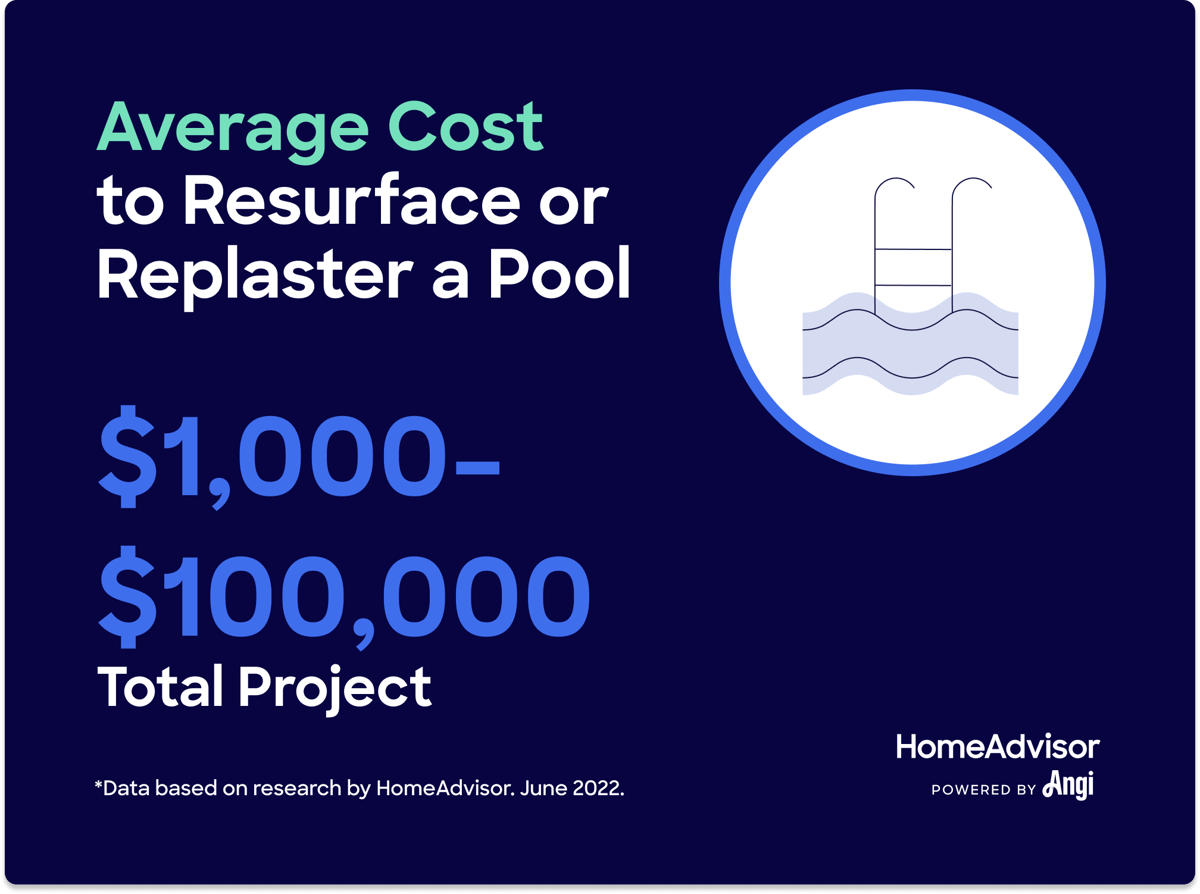
Think you know how much it costs to replaster a pool? The numbers might surprise you. From basic estimates to detailed breakdowns, let's explore everything you need to understand before making this major investment.
Pool replastering isn't just about aesthetics anymore. It's about preserving your investment, ensuring safety, and maintaining that pristine look you've come to love. But when it comes to budgeting for this significant home improvement project, many pool owners find themselves scratching their heads. How much does it really cost to replaster a pool? The answer isn't as straightforward as you might think. It depends on several factors, and understanding them could save you hundreds or even thousands of dollars.
Understanding Pool Replastering Basics
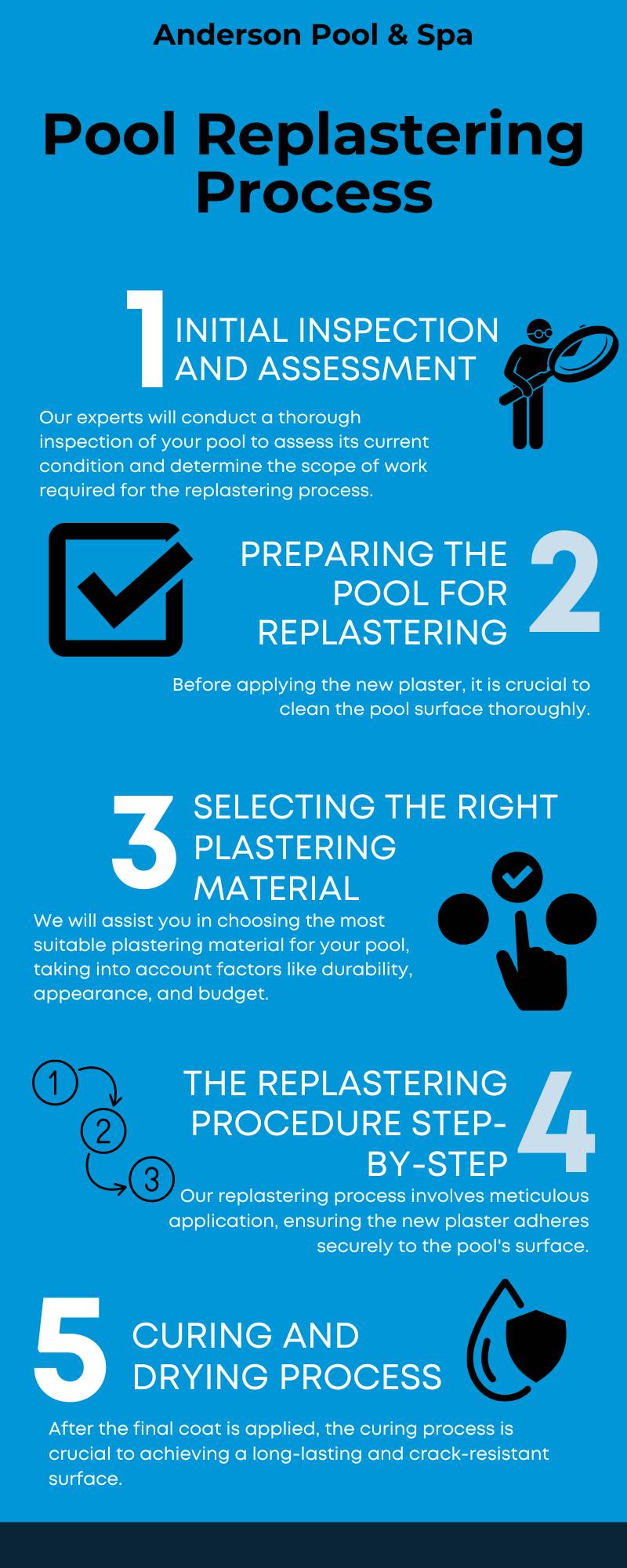
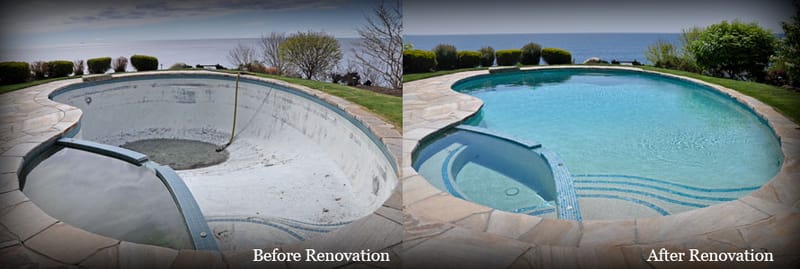
Pool replastering involves removing the old surface material and applying a fresh layer of plaster or aggregate finish. This process brings back that smooth, clean appearance that makes swimming so enjoyable. The average pool needs replastering every 10-15 years, though some may last longer depending on usage and maintenance. Think of it as giving your pool a complete face-lift. It's not just cosmetic - it's about protecting the underlying structure and preventing water loss. When you see cracks forming or the surface becoming rough, it's time to consider replastering. The process typically takes 3-5 days to complete, depending on the pool size and complexity.
Factors That Influence Cost
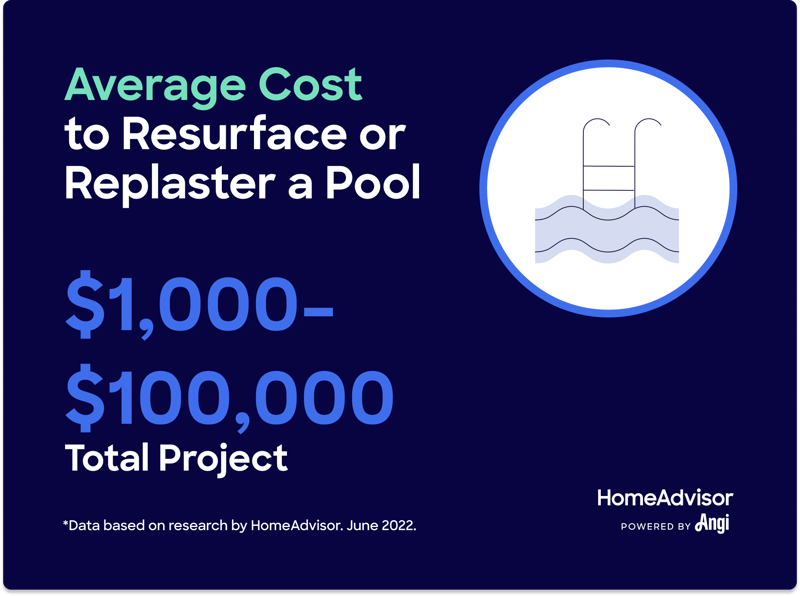
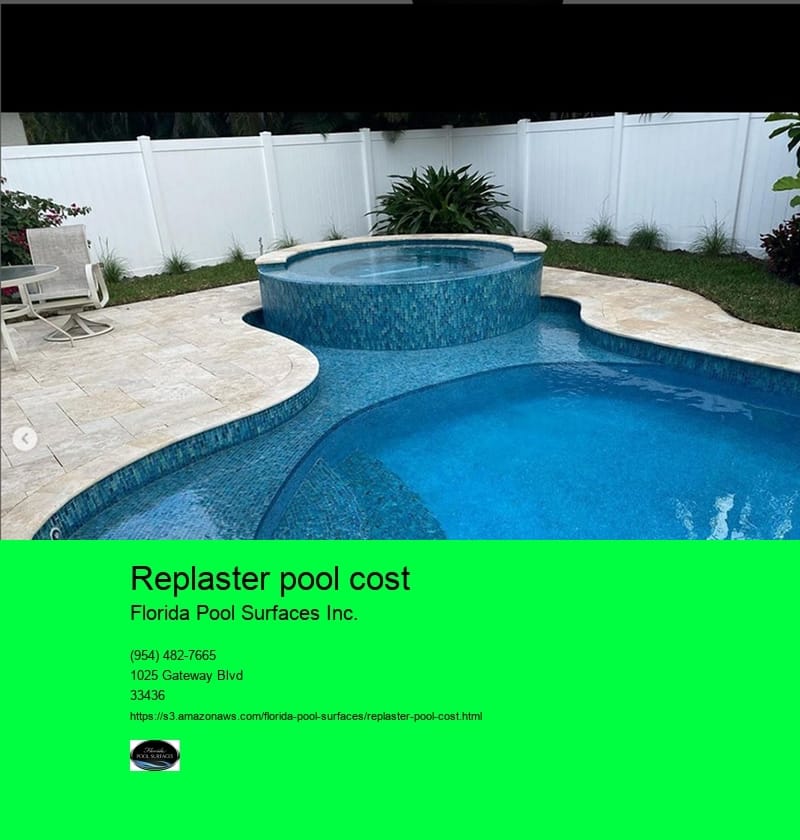
Several elements play a role in determining how much you'll pay for replastering. Size matters significantly - larger pools naturally cost more due to materials and labor requirements. A small 12-foot round pool might cost $2,000 to $4,000, while a large rectangular pool can range from $8,000 to $15,000. Location affects pricing too. Labor costs vary dramatically between regions, with some areas charging 50% more than others. The condition of your existing pool surface is crucial. If there are extensive damages, repairs might add thousands to the total. Some pools require additional preparation work like removing old paint or dealing with structural issues. Weather conditions can impact timing and costs as well. During peak seasons, prices often rise due to high demand. Quality of materials chosen also affects final expenses. Higher-grade products typically cost more upfront but offer better longevity.
Material Options and Their Prices
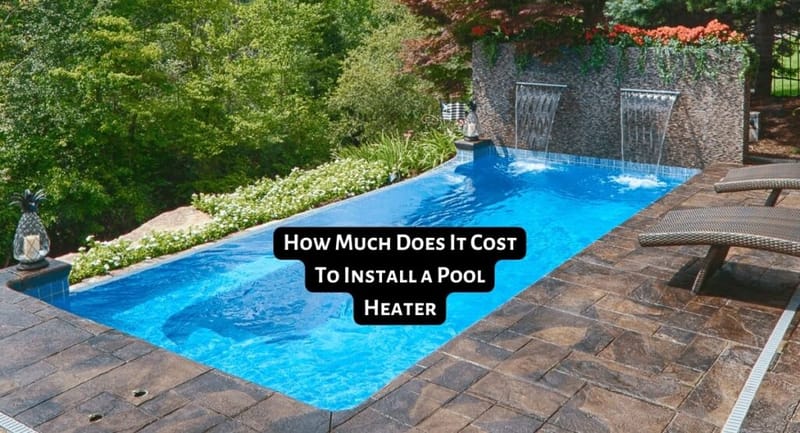
Different materials give different results and price tags. Traditional plaster remains the most common choice, offering a smooth finish at moderate costs. Expect to pay $3 to $6 per square foot for standard plaster work. Aggregate finishes provide more texture and durability, costing slightly more at $5 to $8 per square foot. Epoxy coatings offer excellent protection against chemicals and can cost $8 to $12 per square foot. Fiberglass liners present an alternative that might seem cheaper initially but requires careful consideration of installation and replacement costs over time. The type of finish you choose impacts both appearance and performance. For instance, a smoother finish might be easier to clean but less slip-resistant than textured options. Some homeowners opt for colored plasters that can add $1 to $2 per square foot to overall costs. Consider whether you want a traditional white finish or something more unique like custom colors or patterns.
Labor and Professional Services
Professional pool contractors bring expertise and experience to the job. Their rates typically range from $30 to $70 per hour, depending on location and skill level. Most pool replastering projects require 20 to 40 hours of labor, translating to $600 to $2,800 for labor alone. Experienced contractors often charge premium rates but deliver quality work that lasts. Many professionals offer package deals that include materials and labor, which can simplify budgeting. However, some prefer to quote materials separately, allowing flexibility in choosing quality levels. It's important to get multiple quotes and verify contractor credentials. Look for certifications from industry organizations and check references from previous clients. The complexity of your pool design affects labor time. Features like waterfalls, steps, or unusual shapes increase both time and cost. Some contractors charge extra for working in tight spaces or during challenging weather conditions. Don't forget to factor in permit fees if required in your area.
Related Posts

Unveiling the Timeless Charm of Black and White Striped Patio Um

Unpacking the Truth About Walking on Pool Covers Your Essential

Mastering the Art of the Perfect Pool Party Experience A Guest's Guide

Understanding the Pink Slime in Your Pool What It Is and How to Tackle It

Keeping Your Concrete Patio Happy and Safe Around the Fire Pit

Transforming Your Corner Lot A Masterclass in Curb Appeal
Additional Expenses to Consider
Beyond the main replastering costs, several other expenses can add up quickly. These include demolition and cleanup charges, which typically run $500 to $1,500. Drainage modifications might be necessary for certain pool types, adding another $1,000 to $3,000. If your pool has electrical components or plumbing near the replastering area, additional coordination costs apply. Temporary fencing or safety measures might be required, costing $200 to $500. Some areas require permits that can cost $100 to $500. Pool equipment shutdown during the process might incur additional fees if you have automated systems. Disposal fees for removed materials usually fall between $200 and $800. Emergency repairs discovered during the replastering process can increase costs by 20% to 50% unexpectedly. Consider having a contingency fund of 10-20% of your total estimate.
Tips for Saving Money Without Compromising Quality
Smart planning can help stretch your budget further. Start by getting multiple quotes from reputable contractors to compare prices and services. Schedule the work during off-season months when rates might be lower. Consider doing the replastering yourself if you have experience and proper tools, though this requires significant time investment. Shop around for materials and ask about bulk discounts. Some contractors offer seasonal promotions or package deals that include warranties. Plan your project during favorable weather to avoid delays that increase costs. Look for contractors who offer financing options to spread payments over time. Be prepared to compromise on non-essential features to keep costs manageable. Regular maintenance between replastering cycles can extend the life of your new surface, saving money in the long run. Always prioritize safety over savings when making decisions about materials and labor quality.
Replastering your pool is a substantial investment that pays dividends in both beauty and functionality. While costs vary widely based on numerous factors, understanding what drives these prices helps you make informed decisions. Whether you're looking at $3,000 for a small pool or $12,000 for a large one, remember that quality workmanship and appropriate materials are investments in your home's value and enjoyment. The key is balancing your budget with realistic expectations. Don't let the initial cost discourage you from maintaining your pool properly. With careful planning, research, and smart choices, you can achieve the pool appearance you desire without breaking the bank. The right approach to replastering can transform your backyard oasis into a space that brings joy for years to come. Take time to weigh all options and make choices that align with both your budget and lifestyle needs.
