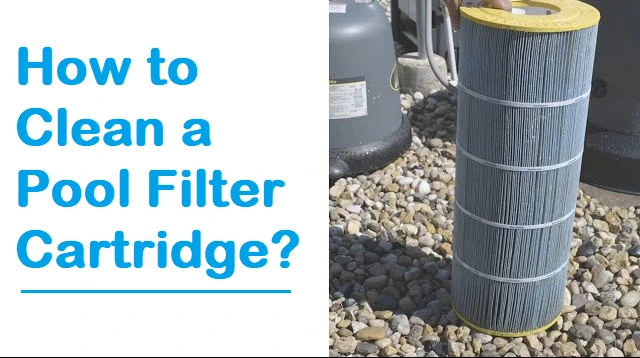
Your pool's filter cartridge is like the heart of your filtration system. When it gets clogged, your pool water becomes murky, and the whole swimming experience suffers. But cleaning it doesn't have to be complicated. With the right approach, anyone can master this essential maintenance task.
Picture this: You're ready for a refreshing dip in your pool, but instead of crystal-clear water, you see a cloudy mess. Your filter cartridge might be the culprit. These little components work tirelessly to keep your pool water clean, but they need regular care to function properly. Cleaning them isn't just about convenience—it's about maintaining a healthy swimming environment. This guide will walk you through everything you need to know about keeping your pool filter cartridge in tip-top shape.
Understanding Your Pool Filter Cartridge
A pool filter cartridge is essentially a series of pleated filters that trap dirt, debris, and contaminants from your pool water. These cartridges are usually made of polyester or other synthetic materials and are designed to be reusable. They sit inside your filter tank and work by forcing water through tiny pores in the filter material. Over time, these pores get blocked by algae, leaves, sand, and other particles that accumulate during normal pool operation. Think of it like a coffee filter that's been used too many times—eventually it needs a good cleaning or replacement.
Signs It's Time to Clean Your Cartridge
Knowing when to clean your cartridge can save you from bigger problems later. Here are some telltale signs:
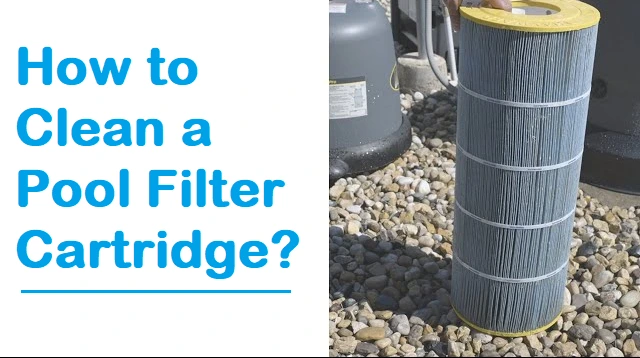
If you've noticed any of these symptoms, your cartridge is probably due for a thorough cleaning. It's better to address the issue early rather than wait until your entire filtration system fails.
Gathering Your Cleaning Supplies
Before diving into the cleaning process, you'll want to have these items ready:
Some people prefer using commercial cartridge cleaners specifically designed for pools, while others swear by mild soap and water. The key is choosing something gentle enough not to damage the filter material while still being effective at removing buildup.
Step-by-Step Cleaning Process
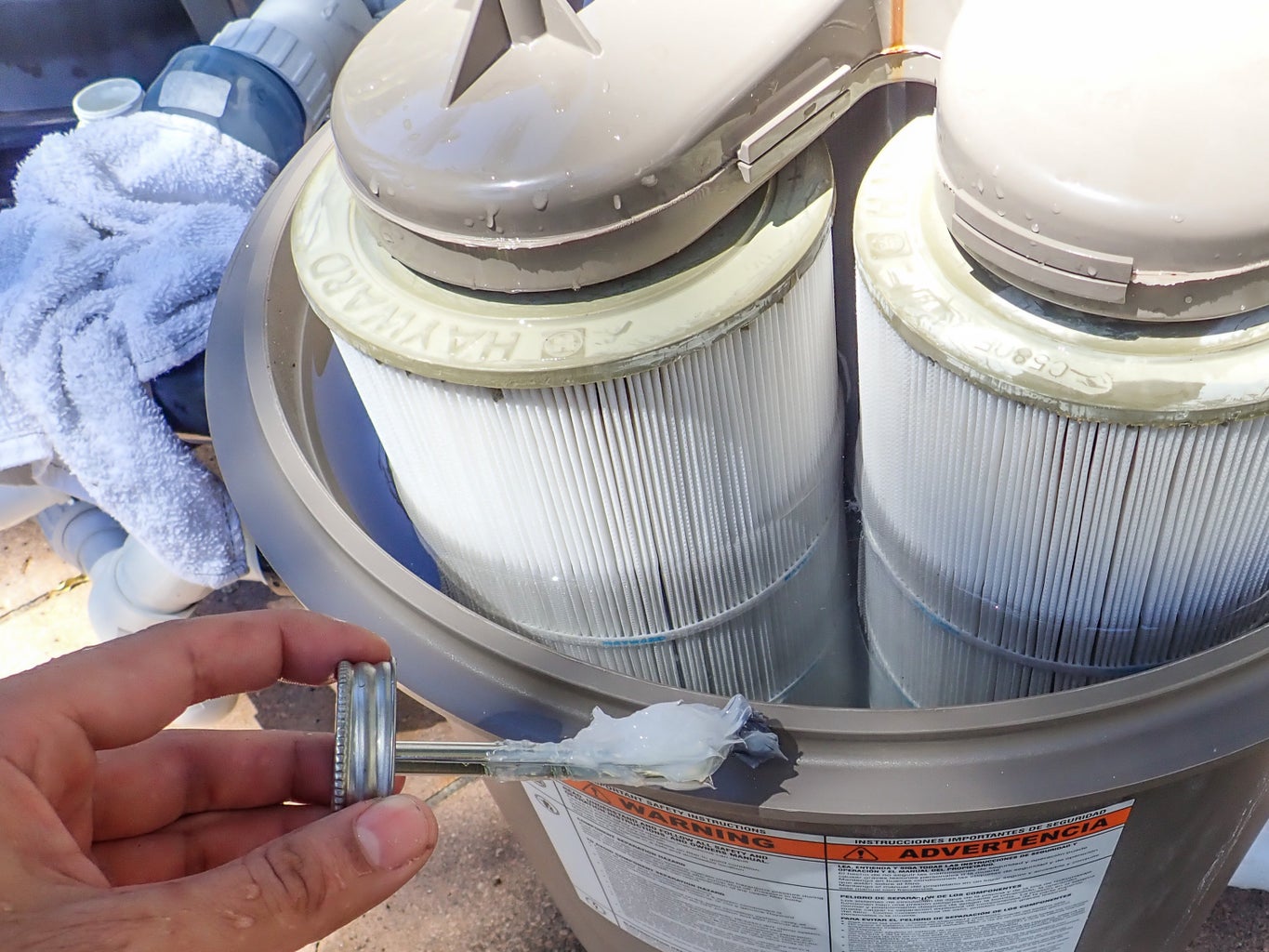
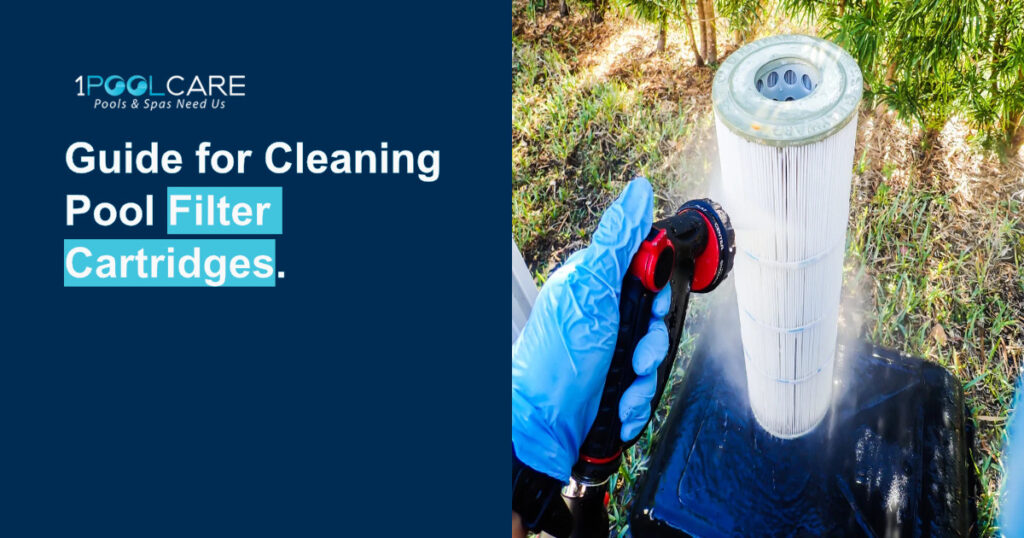
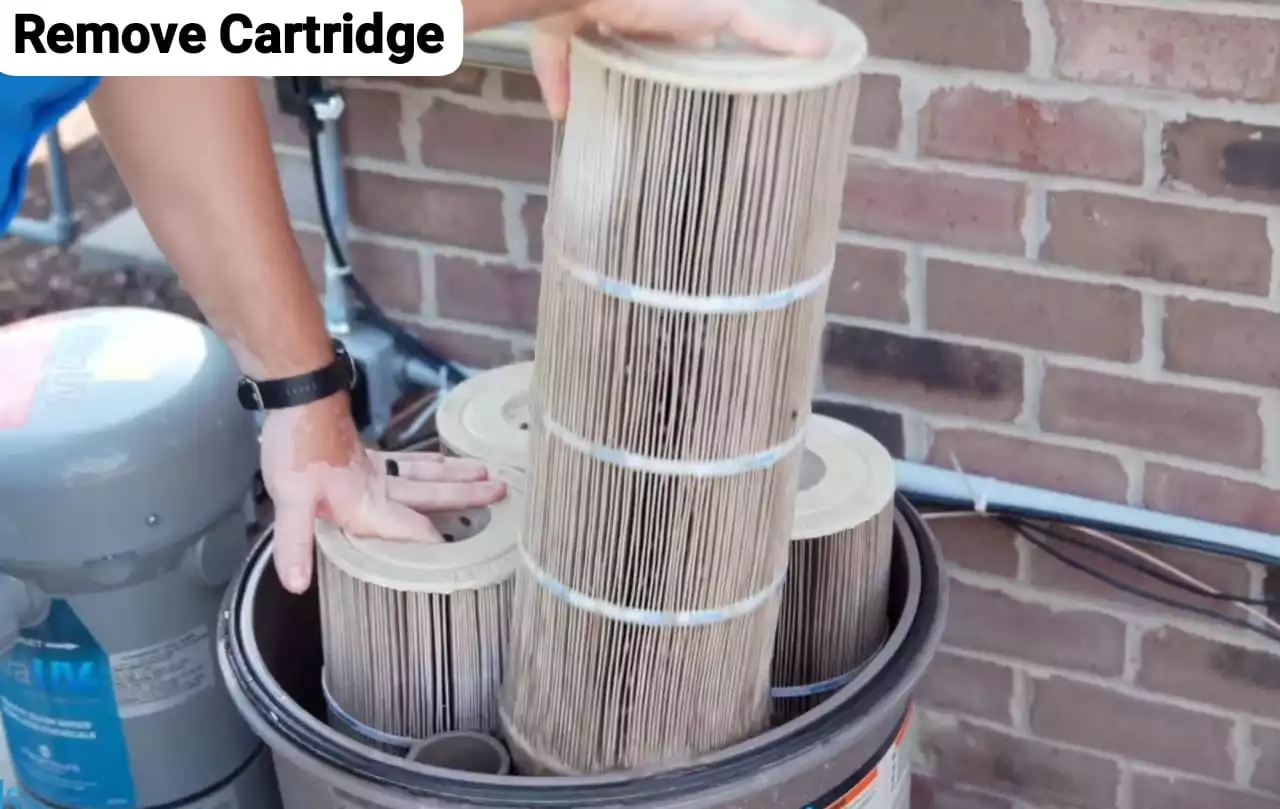
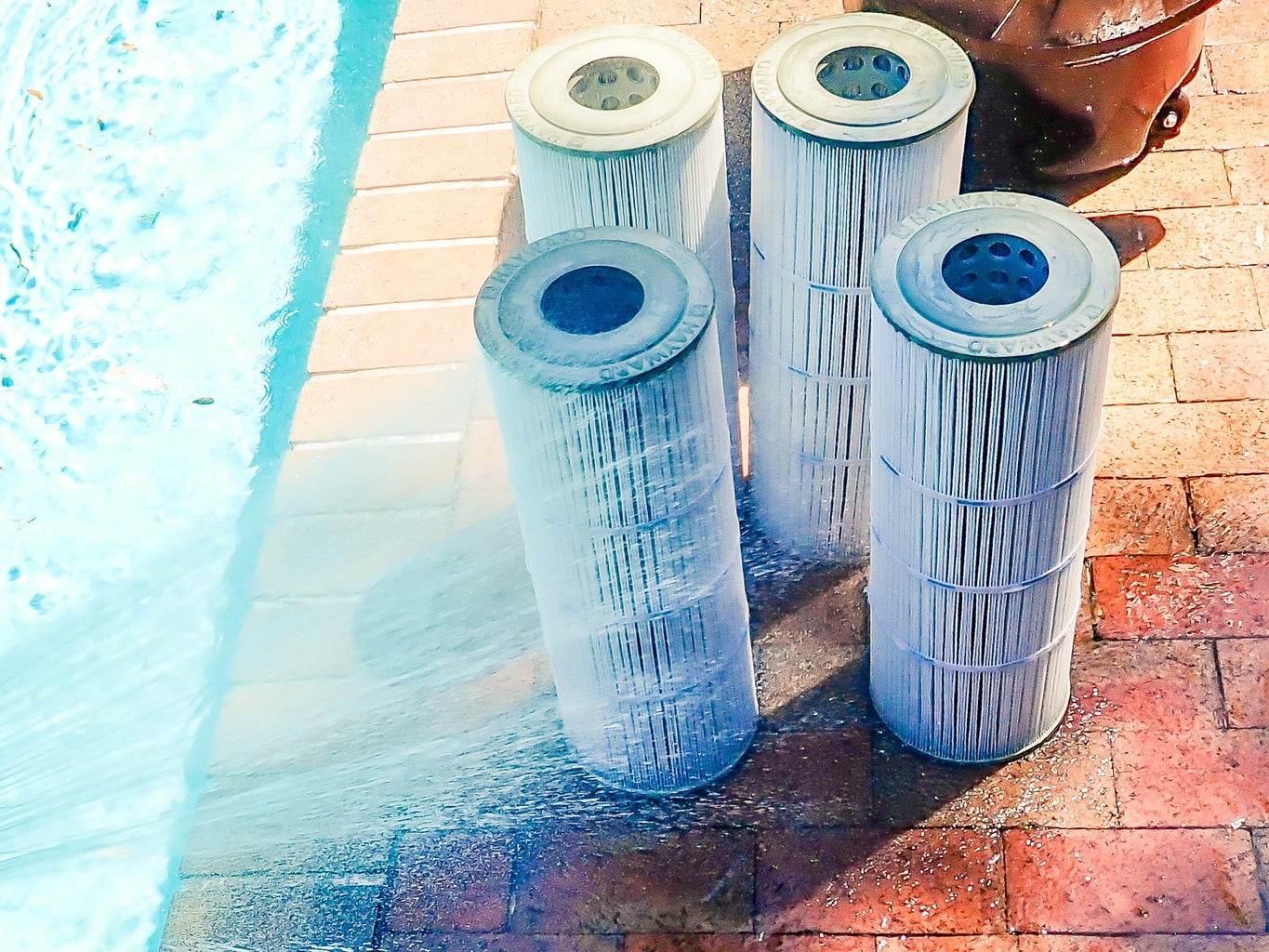
The cleaning process itself is straightforward once you understand the steps. First, turn off the pool pump and remove the filter lid carefully. Take out the cartridge and place it in a bucket of clean water. Let it soak for a few minutes to loosen any loose debris. Next, gently scrub the cartridge with a soft brush, working from top to bottom. Pay special attention to areas where buildup tends to accumulate. Rinse thoroughly with clean water until no soap residue remains. Check for any tears or damage during the cleaning process. If everything looks good, reinstall the cartridge and turn the pump back on.
Deep Cleaning Techniques for Stubborn Buildup
Sometimes, especially after heavy use or seasonal changes, your cartridge may need extra attention. For stubborn algae or mineral deposits, try these methods:
These techniques work best when combined with proper soaking time and gentle handling. Remember, aggressive scrubbing can damage the filter material and reduce its effectiveness.
Maintenance Tips for Longevity
To keep your cartridge performing well over time, consider these maintenance practices:
Regular attention pays dividends in terms of both performance and cost savings. A well-maintained cartridge will last much longer and perform better than one that's neglected.
Troubleshooting Common Issues
Even with proper care, you might encounter problems. Here are solutions to common issues:
Don't panic if things don't go perfectly the first time. Many pool owners learn through trial and error, and even experienced swimmers occasionally face challenges.
When to Replace Rather Than Clean
There comes a time when cleaning simply isn't enough. Here are signs that replacement is necessary:
Replacing a worn-out cartridge is often more cost-effective than continuing to use a damaged one. Plus, a fresh cartridge will restore your pool's filtration capabilities quickly.
Seasonal Care Considerations
Different seasons bring different challenges for your pool filter. During spring, give your cartridge a thorough cleaning before the season begins. Summer months might require more frequent cleaning due to increased usage and debris. Fall means preparing for winter storage, which includes proper cleaning and protection. Winter can actually be beneficial for cartridge longevity since there's less debris to deal with. Each season has its own set of considerations for maintaining optimal filter performance.
Safety Precautions to Remember
Pool maintenance involves chemicals and equipment that require careful handling:
Safety should never be compromised for convenience. Taking these simple precautions protects both you and your family while ensuring effective cleaning results.
Professional vs. DIY Approach
Related Posts

Unveiling the Timeless Charm of Black and White Striped Patio Um

Unpacking the Truth About Walking on Pool Covers Your Essential

Mastering the Art of the Perfect Pool Party Experience A Guest's Guide

Understanding the Pink Slime in Your Pool What It Is and How to Tackle It

Keeping Your Concrete Patio Happy and Safe Around the Fire Pit

Transforming Your Corner Lot A Masterclass in Curb Appeal
While most cartridge cleaning can be done at home, some situations call for professional assistance:
Many pool owners successfully handle routine cleaning themselves, but don't hesitate to seek help when you feel unsure. Professional technicians can provide additional insights and ensure your system operates at peak efficiency.
Cost-Benefit Analysis
Investing time in proper cartridge cleaning makes financial sense:
The initial investment in time and supplies pays off through reduced replacement costs and better pool performance. Most pool owners find that the small effort required for regular cleaning saves them significant money over time.
Cleaning your pool filter cartridge is one of those essential tasks that separates good pool ownership from great pool ownership. It's not glamorous work, but it's crucial for maintaining clean, safe swimming water. By following these steps and understanding when to take action, you'll keep your pool running smoothly year-round. Remember, your cartridge is working hard to keep your pool pristine—return the favor by giving it the care it deserves. Whether you're a seasoned pool owner or new to the hobby, mastering this skill will make your pool maintenance routine much easier and more effective. The investment in learning proper cleaning techniques pays dividends in cleaner water, better filtration, and fewer headaches down the road.
