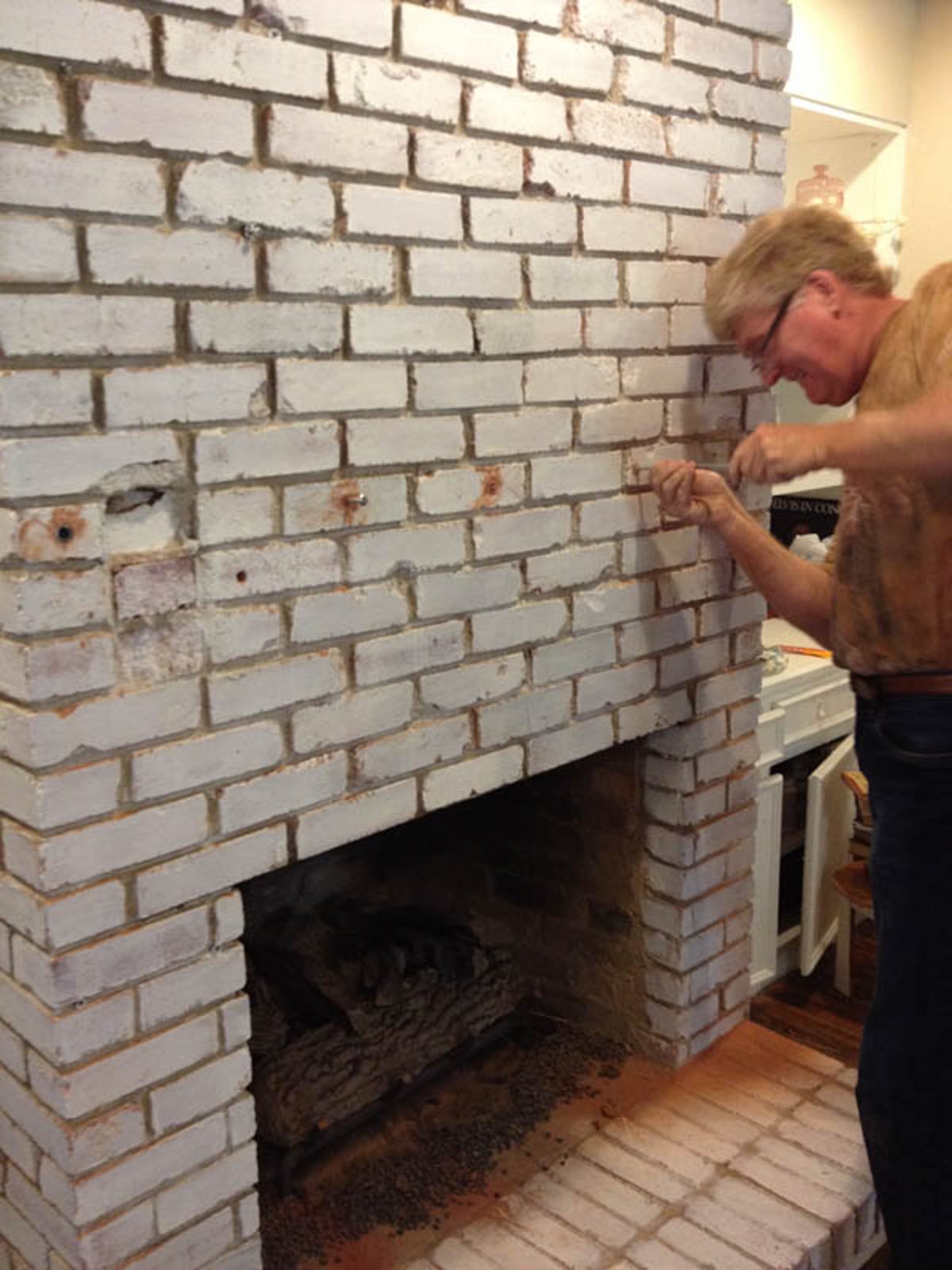
There's something timeless about a well-placed mantel above a brick fireplace. The combination creates warmth, character, and a focal point that draws people into the room. But installing that mantel safely and securely requires some know-how. Whether you're tackling a DIY project or working with a professional, understanding the basics can save you time, money, and potential headaches.
Attaching a mantel to a brick fireplace isn't just about hanging something pretty on the wall. It's about creating a sturdy foundation that will support the weight of your chosen mantle while maintaining the integrity of your fireplace structure. Many homeowners think they can simply nail or screw directly into the brick, but that's not always the best approach. The right method depends on several factors including the type of brick, the weight of the mantel, and whether you're doing a new installation or updating an existing one. This guide walks you through everything you need to know to get the job done right.
Understanding Your Brick Fireplace Structure
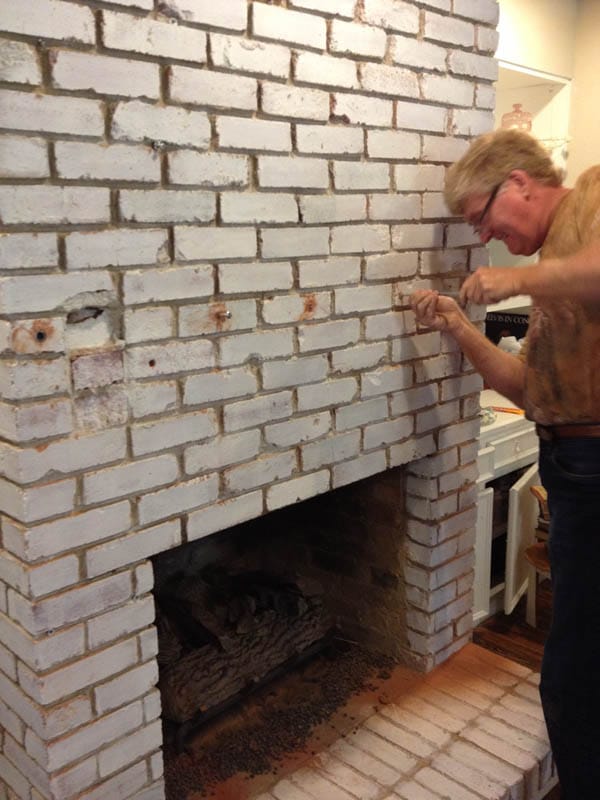
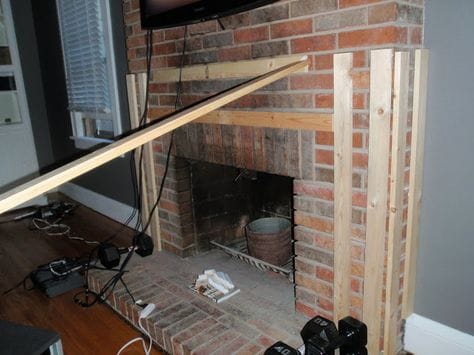
Before you start planning your mantel installation, you need to understand what you're working with. Brick fireplaces come in different types, each requiring slightly different approaches. Some have solid brick construction, others may have brick veneer over a wood frame, and some might feature stone or concrete blocks. The first step is identifying your fireplace type. You'll want to look for signs like the thickness of the brick, whether there are visible mortar joints, and if the brick appears to be part of a larger structural element. If you're unsure, a quick call to a local masonry contractor can provide clarity. Once you know what you're dealing with, you can select the appropriate attachment method. For example, if you have solid brick, you'll likely need to drill into the brick itself. But if you have brick veneer, you might be able to work with the underlying structure instead.
Choosing the Right Mounting Hardware
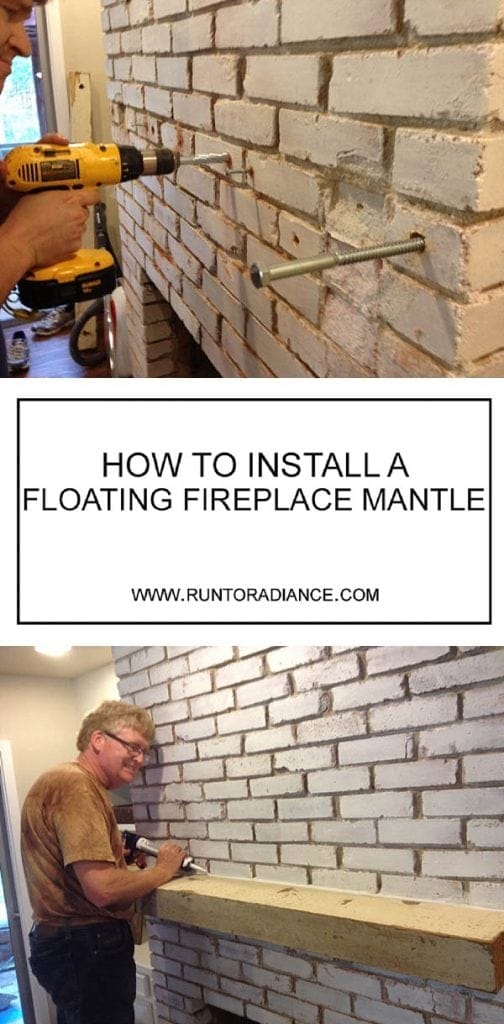
The hardware you choose makes all the difference in a successful installation. You'll need to consider both the weight capacity and the material compatibility. For heavy mantels, you'll typically want to use lag bolts or anchor bolts specifically designed for masonry. These aren't your standard drywall screws. They're made for the tough job of gripping into brick and providing long-term stability. Look for expansion anchors or wedge anchors that can handle the load you're planning to put on them. Some installations require specialized brackets or metal plates that distribute the weight across multiple points rather than concentrating it on one area. The key is matching your hardware to both the weight of the mantel and the strength of your fireplace walls. Don't underestimate how much weight these mantels can carry – a solid wood mantel can easily weigh 100 pounds or more, and that's before you add decorative items.
Measuring and Planning Your Installation
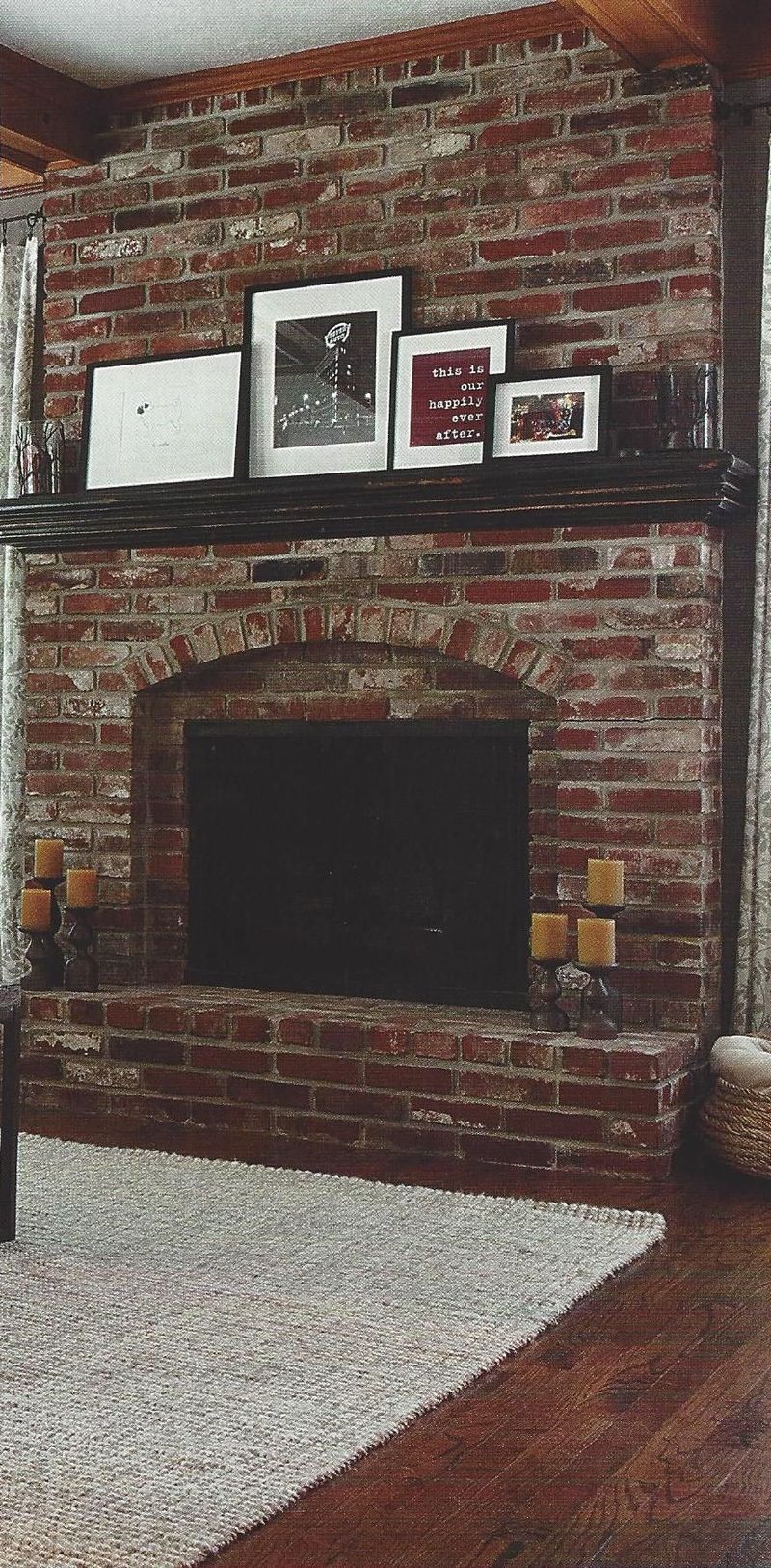
Proper measurement is crucial before you even pick up a drill. Start by measuring the width of your fireplace opening and determining exactly where you want your mantel to sit. Most mantels should extend beyond the fireplace opening by at least 6 inches on each side for visual balance. But you also need to consider clearance requirements – there should be at least 6 inches of space between the top of the fireplace and the bottom of the mantel. This prevents heat damage and allows for proper airflow. Mark your mounting points carefully using a level to ensure everything stays straight. It's also important to check for any electrical wires or plumbing behind the brick before drilling. You can often find these with a stud finder or by consulting old blueprints if available. Sometimes, the easiest solution is to install the mantel slightly higher than planned to avoid any potential issues.
Drilling Into Brick: Techniques and Safety Tips
Drilling into brick can be intimidating, but with the right approach, it becomes manageable. The most important thing is using the correct drill bits. Masonry bits are essential – they're designed to cut through brick without chipping or cracking it. You'll want to use a hammer drill for best results, as the percussive action helps break down the brick. Start with a smaller pilot hole and gradually increase the size until you reach your desired diameter. Always wear safety gear including eye protection and a dust mask. Work slowly and steadily – rushing leads to overheating the drill bit and potentially cracking the brick. If you're drilling into a particularly thick or dense section, stop periodically to let the bit cool down. Some installers prefer to use a wet drill method, spraying water on the drill site to reduce dust and heat. This is especially helpful when working with older bricks that might be more fragile.
Related Posts

Unveiling the Timeless Charm of Black and White Striped Patio Um

Unpacking the Truth About Walking on Pool Covers Your Essential

Mastering the Art of the Perfect Pool Party Experience A Guest's Guide

Understanding the Pink Slime in Your Pool What It Is and How to Tackle It

Keeping Your Concrete Patio Happy and Safe Around the Fire Pit

Transforming Your Corner Lot A Masterclass in Curb Appeal
Securing the Mantel Properly
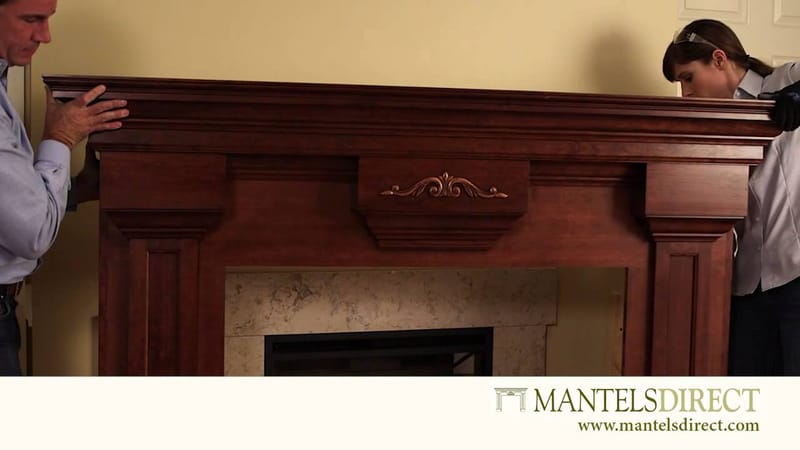
Once you've drilled your holes and installed your anchors, it's time to attach the mantel. Start by placing the mantel in position and checking that it's perfectly level. Use shims if necessary to make small adjustments. The hardware should go in from the back of the mantel, threading through pre-drilled holes or attaching directly to the mounting brackets. Tighten the bolts gradually, alternating between opposite sides to ensure even pressure. Don't over-tighten – you want to create a secure hold without risking damage to either the brick or the mantel. Some installations benefit from additional reinforcement, such as adding a support bracket underneath the mantel or using a two-part mounting system. This is especially true for cantilevered mantels that extend significantly beyond the fireplace opening. Check the manufacturer's specifications for recommended installation methods and load limits.
Finishing Touches and Final Checks
After your mantel is securely attached, take a step back and assess the installation. Look for any gaps or misalignments that might need adjustment. The mantel should sit flush against the wall and be perfectly level. If you notice any wobbling, double-check that all bolts are tightened properly. Some homeowners like to add a small amount of caulk around the edges for a finished look, though this isn't always necessary. Make sure all decorative elements like candles or pictures are properly secured. Finally, test the stability by gently pushing on the mantel to ensure it won't move. A well-installed mantel should feel solid and secure. If you're still unsure about any aspect of the installation, don't hesitate to consult with a professional. They can provide additional guidance and ensure everything meets safety standards.
Installing a mantel on a brick fireplace is a rewarding project that can transform your space and add both beauty and functionality. The key lies in preparation, choosing the right tools and materials, and taking your time to execute each step properly. Whether you're working with solid brick or brick veneer, the principles remain the same: understand your structure, measure carefully, and use appropriate hardware. With patience and attention to detail, you can achieve a stunning result that will serve your home for years to come. Remember, if at any point you feel uncertain about the process, seeking professional help is always a smart choice. After all, a beautiful mantel deserves a secure and lasting installation.
