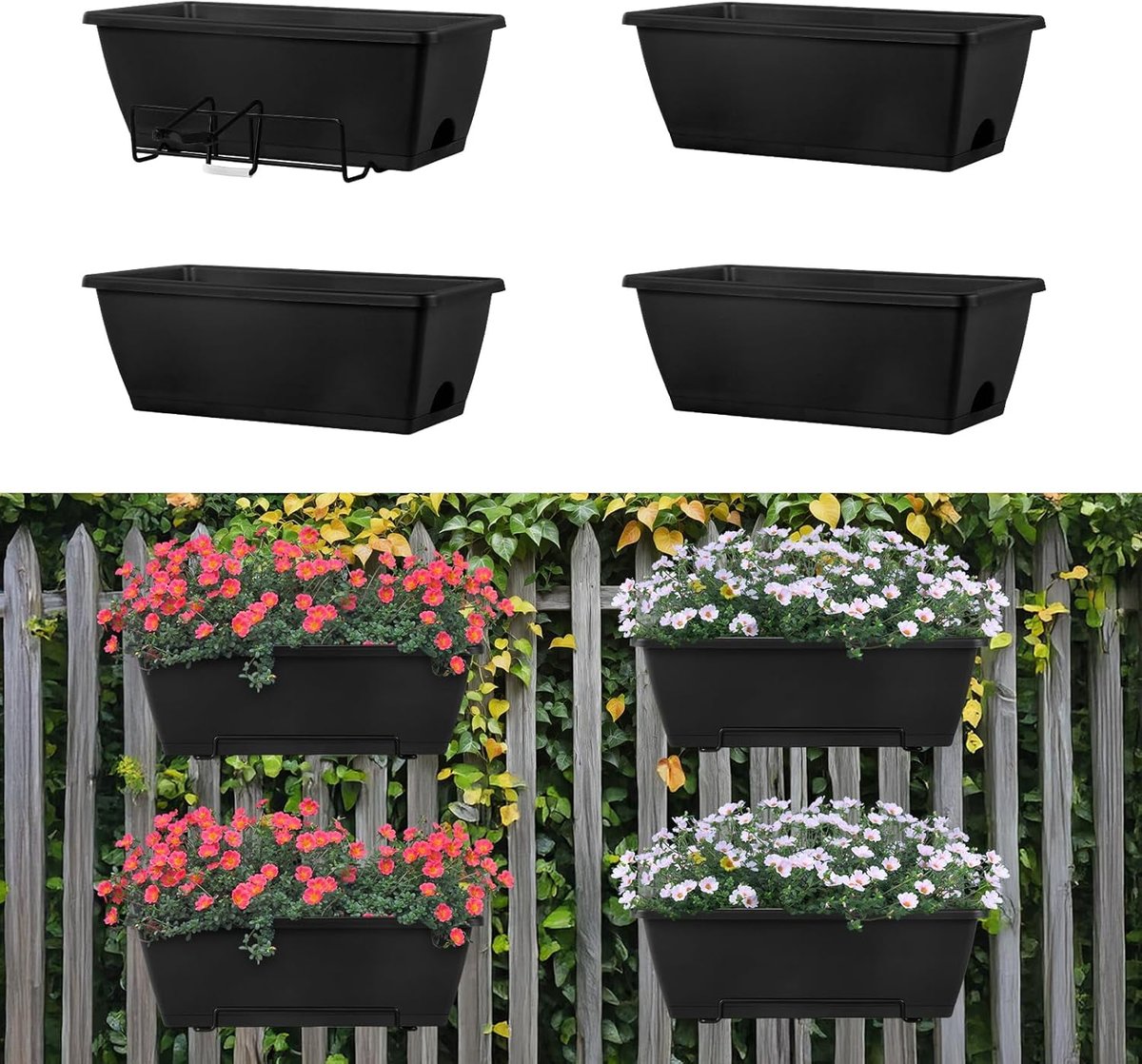
There's something magical about watching plants cascade down from above, creating a living tapestry that transforms any ordinary deck into a vibrant oasis. Whether you're dealing with limited space or simply want to add some visual interest to your outdoor area, hanging planters offer a perfect solution. These clever gardening accessories allow you to maximize your growing potential while keeping your deck looking fresh and inviting.
Deck railings might seem like an odd place to plant flowers or herbs, but they actually provide excellent opportunities for vertical gardening. The key is finding the right hanging planter system that works with your railing design and can support the weight of soil and water. From small balcony spaces to expansive deck areas, these creative solutions can turn your outdoor environment into a lush green paradise. Think about it - when you're relaxing on your deck, having a beautiful display of hanging plants adds an extra layer of beauty and tranquility to your space.
Choosing the Right Hanging Planter System
Not all hanging systems are created equal, and selecting the right one depends on several factors. First, consider your railing type - wood, metal, or composite materials each require different attachment methods. Some planters come with built-in hooks, while others need additional hardware. The weight capacity matters greatly too. A heavy planter filled with soil and water can weigh significantly more than you expect, especially during dry weather. Many people underestimate this and end up with a planter that's too heavy for their railing structure. Look for systems that specify their maximum load capacity, and always double-check that your railing can handle the weight plus any additional elements like wind or rain.
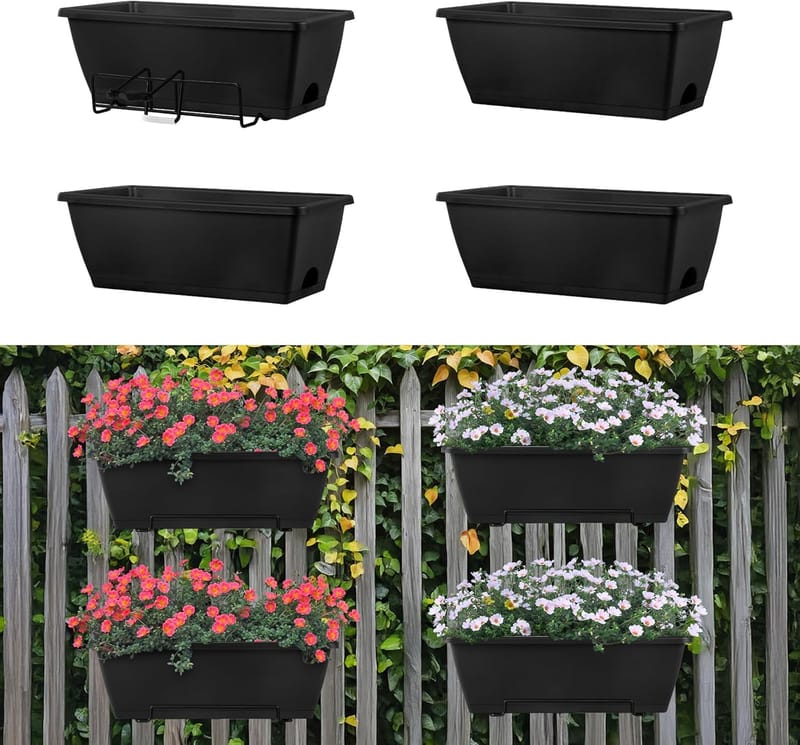
Consider the size of your plants as well. If you're planning to grow larger specimens, you'll need deeper planters and more robust mounting systems. Smaller hanging baskets work great for trailing vines or smaller annuals, while larger containers are better suited for herbs, small vegetables, or perennials that need more room to establish their root systems. It's also worth thinking about maintenance access - how easy will it be to water, fertilize, and harvest from your hanging arrangements?
Types of Plants Perfect for Hanging Railing Planters
The variety of plants that thrive in hanging planters is surprisingly extensive. Trailing varieties are particularly popular because they naturally cascade down the sides of containers, creating a waterfall effect. Consider petunias, lobelia, or sweet potato vine for colorful displays that spill over the edges. Herbs like basil, thyme, and oregano do wonderfully in hanging pots, providing both beauty and utility.
Succulents and cacti are another excellent choice for hanging systems. They're low maintenance and come in many shapes and sizes that complement hanging arrangements beautifully. For those who want something a bit more substantial, small flowering shrubs like dwarf roses or miniature hydrangeas can create impressive focal points when properly supported. The key is matching the plant's growth habit to the hanging system's capabilities. Plants that grow upward rather than outward might not look as good in hanging containers, though they could work if you're aiming for a unique architectural element.
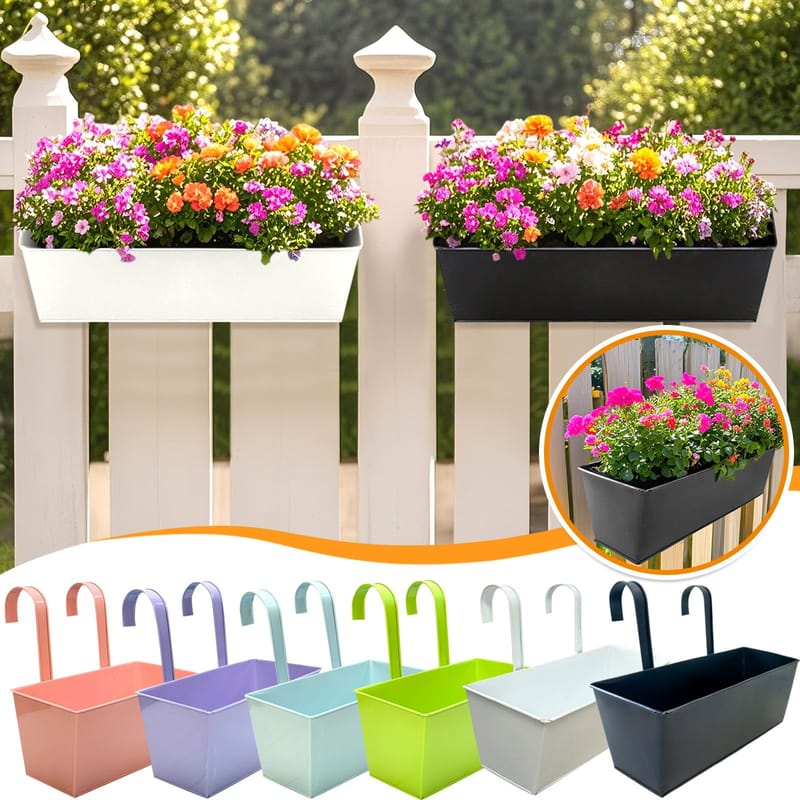
Some gardeners love the idea of combining multiple plant types in one hanging unit. This creates layers of texture and color, but requires careful consideration of each plant's needs. For example, pairing a trailing vine with a small succulent might work, but you'd need to ensure both plants have similar watering requirements.
Installation Tips for Different Railing Types
Installing hanging planters successfully starts with understanding your railing's construction. Wooden railings often accept screw-in hardware easily, but you'll want to check for any structural concerns before drilling. Metal railings might require special fasteners or clamps designed for that material. Composite railings can be tricky since they're often made from materials that don't hold screws well, requiring alternative mounting methods.
Always test the stability of your installation before adding any significant weight. Start with a lightweight planter and gradually increase the load to ensure everything holds securely. Weather conditions play a role too - strong winds can put extra stress on hanging systems, so consider installing additional supports or choosing heavier-duty hardware for windy locations. The installation process itself is usually straightforward, but it's worth taking time to get it right. A loose hanging planter can become a safety hazard or simply fall off entirely.
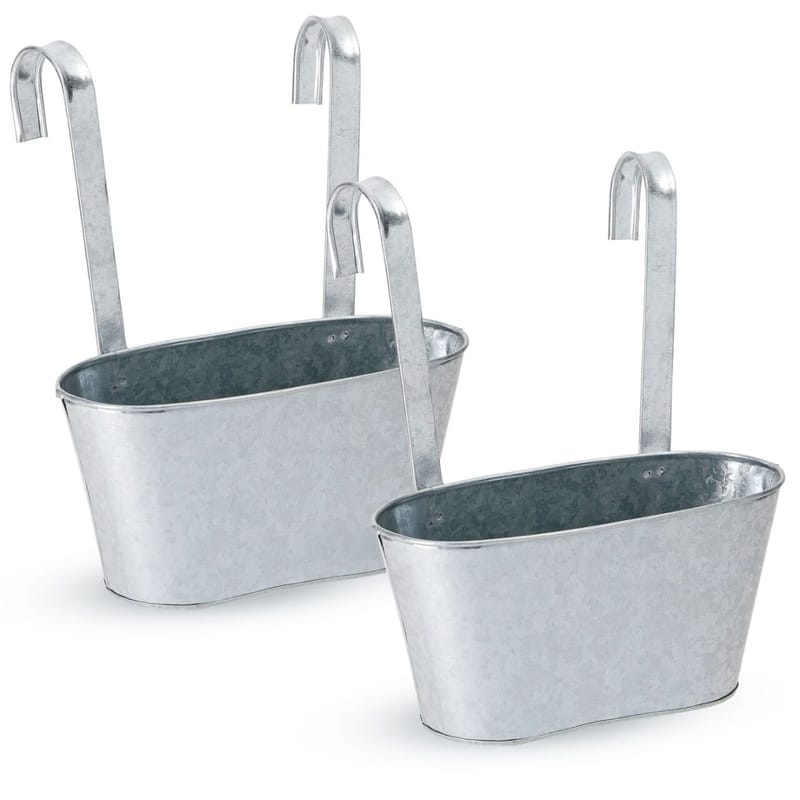
Many people overlook the importance of proper drainage. Even if your planter looks secure, waterlogged soil can cause problems with both the plant and the mounting system. Make sure there are adequate drainage holes, and consider placing a saucer underneath to catch excess water while preventing it from dripping onto the railing below.
Maintenance and Care for Hanging Planters
Once installed, hanging planters require regular attention, but the routine isn't necessarily more difficult than caring for ground-level gardens. Watering becomes slightly more challenging since you need to reach the containers from below or use specialized watering techniques. Many gardeners find success using self-watering systems or drip irrigation that can be set up to deliver water directly to the plant roots.
Fertilization is another important consideration. Since hanging planters typically have less soil volume than ground plantings, they may need more frequent feeding. Consider using slow-release fertilizers or liquid feeds applied every few weeks. Monitor your plants closely for signs of nutrient deficiencies, which can appear quickly in container gardens.
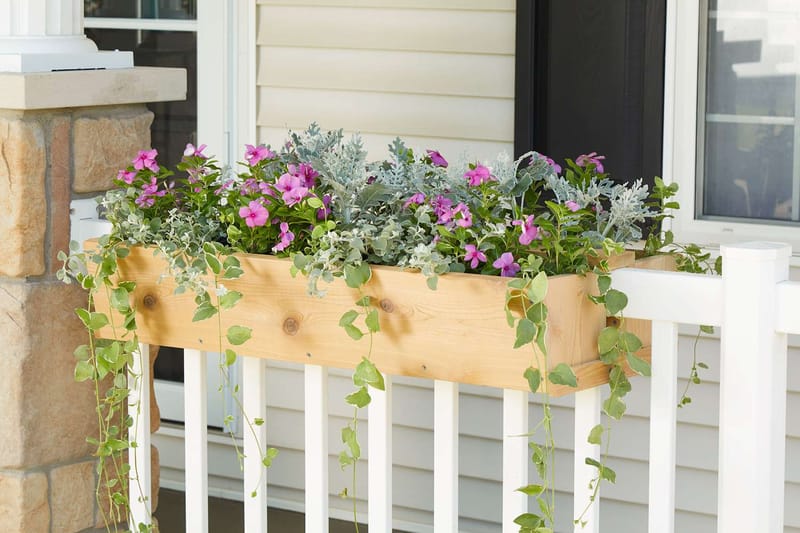
Pruning and harvesting are generally easier in hanging containers because you can see the entire plant structure clearly. This visibility helps prevent overgrowth and allows for better management of plant health. Some plants may need staking or support even in hanging containers, especially those with heavy blooms or fruits.
Seasonal considerations also matter. In colder climates, you'll need to protect hanging planters from freezing temperatures or move them indoors during winter months. This might mean investing in insulated containers or temporary storage solutions.
Safety Considerations and Best Practices
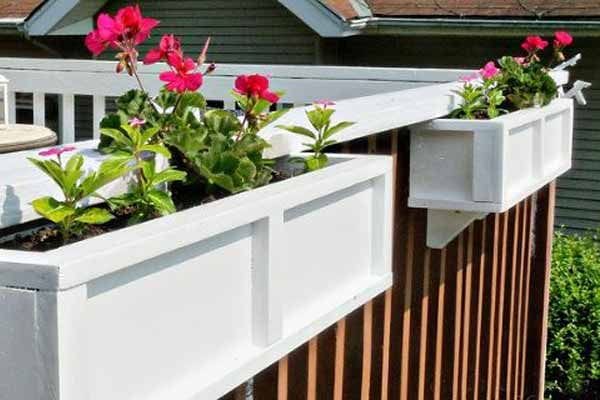
Safety should always be the top priority when installing hanging planters. The most common issue occurs when the mounting system isn't strong enough for the weight of the planter and its contents. This problem becomes more serious in areas prone to high winds or storms. Always choose hardware rated for at least twice the expected weight load to account for additional forces.
Related Posts

Unveiling the Timeless Charm of Black and White Striped Patio Um

Unpacking the Truth About Walking on Pool Covers Your Essential

Mastering the Art of the Perfect Pool Party Experience A Guest's Guide

Understanding the Pink Slime in Your Pool What It Is and How to Tackle It

Keeping Your Concrete Patio Happy and Safe Around the Fire Pit

Transforming Your Corner Lot A Masterclass in Curb Appeal
Regular inspections are essential. Check all mounting points periodically for signs of wear, rust, or loosening. Weather exposure can weaken fasteners over time, and what seems secure today might not be tomorrow. It's also wise to keep a spare set of mounting hardware on hand for quick replacements.
For households with children or pets, consider the placement of hanging planters carefully. Choose plants that aren't toxic if ingested, and position containers out of reach of curious hands or paws. Some gardeners prefer to install protective barriers around hanging planters or select varieties with thorns or fuzzy leaves that discourage nibbling.
Another safety tip involves the choice of materials. Plastic containers are lighter and often safer for children's areas, while ceramic or stone pots offer durability but can be heavy and potentially dangerous if they break.
Creative Design Ideas and Styling Tips
Hanging planters offer endless possibilities for creative expression. One popular approach involves creating themed displays, such as a herb garden that provides both beauty and culinary benefits. Another concept uses varying heights to create visual interest - taller planters at the back and shorter ones in front can produce a layered effect that draws the eye upward.
Color coordination plays a big role in successful hanging displays. Some gardeners prefer monochromatic schemes that create a calm, unified look, while others enjoy bold contrasts between plant colors and container finishes. Mixing textures adds depth too - combining smooth ceramic with rougher woven baskets or metal with natural wood elements.
Consider the overall aesthetic of your deck when planning your hanging arrangements. If you have a modern minimalist style, clean lines and simple planters work best. For rustic or cottage-style decks, ornate containers and natural materials complement the existing design elements. Seasonal changes can also be incorporated - swapping out summer annuals for winter-hardy varieties or using decorative elements that match holiday themes.
Don't forget about lighting! Adding small LED lights or solar-powered options can transform your hanging planters into stunning evening features. The interplay of natural light and artificial illumination creates dramatic effects that change throughout the day and night.
Hanging planters for deck railings represent more than just a gardening trend - they're a practical way to maximize outdoor space while creating beautiful, functional environments. When done thoughtfully, these installations can become the highlight of any deck area, offering both visual appeal and tangible benefits like improved air quality and access to fresh herbs or vegetables. The key lies in careful planning, proper installation, and ongoing maintenance. With the right approach, anyone can create a stunning hanging garden that enhances their outdoor living space year-round. Whether you're a seasoned gardener or just starting out, hanging planters provide an accessible entry point into vertical gardening that anyone can enjoy.
