Picture this: you've just bought a sleek new metal bed frame, excited to sleep better than ever before. But wait - how do you actually put it together? It's one of those moments when the excitement hits a little too hard and suddenly you're staring at a box full of metal pieces and confusing instructions. This isn't just about following steps, it's about understanding the craft behind creating your perfect sleeping sanctuary.
Assembling a metal bed frame might seem like a straightforward task, but let's be honest - it's often more complicated than expected. Whether you're a seasoned DIYer or someone who's never touched a screwdriver before, the process can feel overwhelming. The good news? You're not alone in this struggle. Thousands of people have faced the same challenge, and countless hours were spent figuring out how to properly connect those metal pieces. We're here to change that narrative. This guide will walk you through every aspect of metal bed frame assembly, helping you avoid common pitfalls while building something that's both sturdy and beautiful.
Understanding Your Metal Bed Frame Components
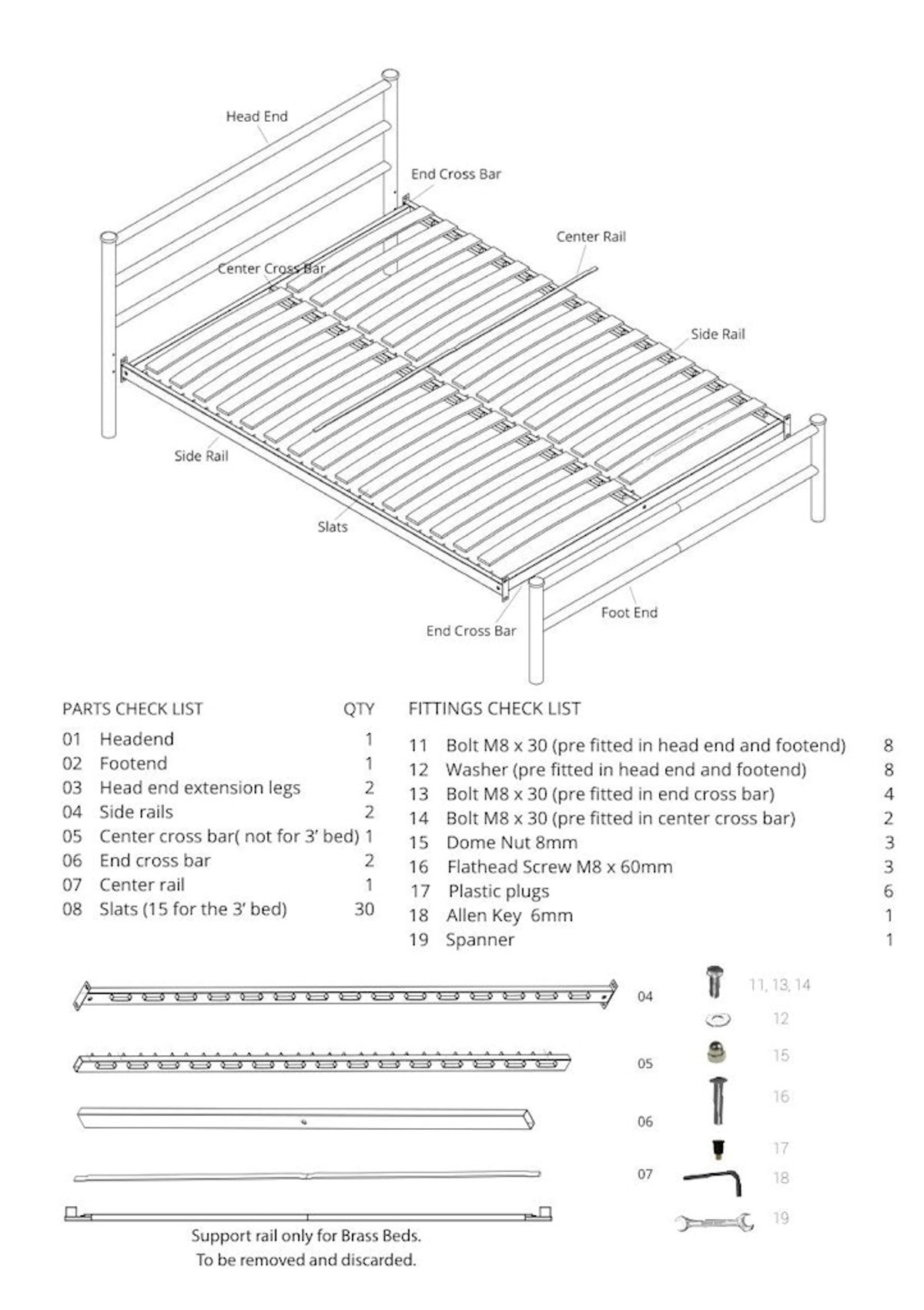
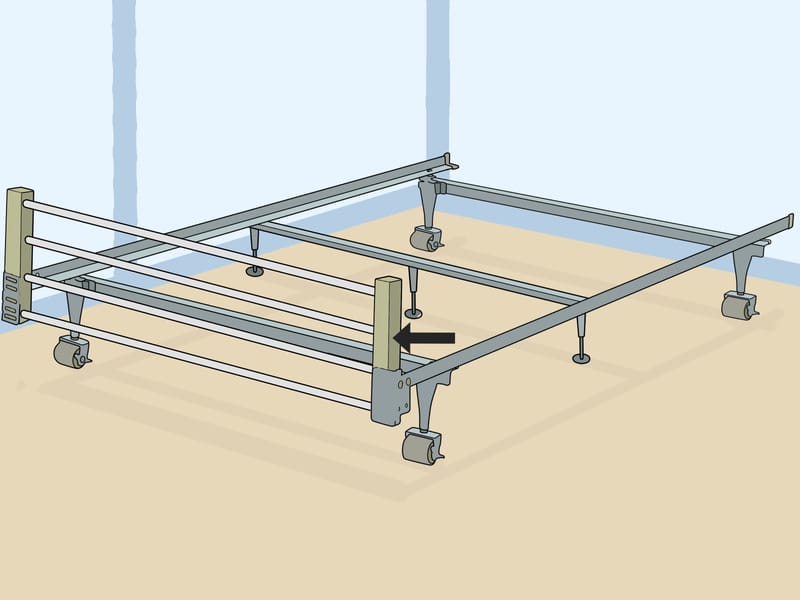
Before diving into the actual assembly, it's crucial to familiarize yourself with all the pieces you'll be working with. A typical metal bed frame comes with several essential components:
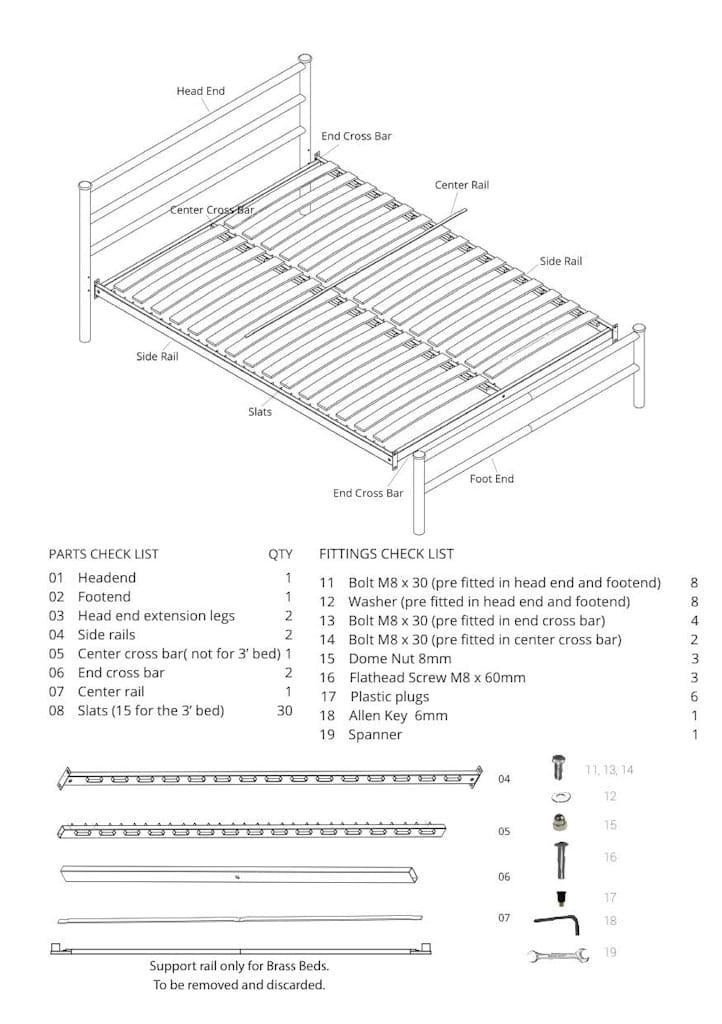
Each piece serves a specific purpose, and understanding their roles makes the entire process much smoother. For instance, the side rails are typically the longest pieces and bear most of the weight. Meanwhile, end posts often feature threaded holes designed specifically for connecting to other frame elements.
Take a few minutes to lay out all your pieces and compare them with your instruction manual. Sometimes manufacturers use similar-looking components, and confusion can lead to errors later in the process. If anything looks different than expected, don't hesitate to double-check with the manufacturer's website or customer service.
Preparing Your Workspace and Tools
The foundation of successful assembly lies in proper preparation. First things first - find a clean, well-lit area where you have enough room to work. A garage, basement, or even a large bedroom works perfectly. The key is having space to spread out your components and move around comfortably.
Essential tools you'll likely need include:
Make sure your workspace is clean and free of debris. Metal pieces can easily get scratched or damaged if they come into contact with rough surfaces. Also, ensure you have good lighting - especially important when working with small bolts and washers. Many people find that using a small LED light helps tremendously during the final tightening stages.
If you're planning to assemble the frame alone, consider having a helper nearby. While some frames are designed for solo assembly, having another person can make the process significantly easier, especially when lifting heavier components.
Reading and Understanding Assembly Instructions
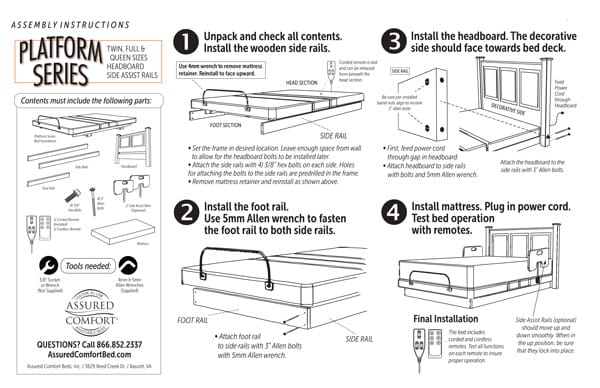
This is where many people run into trouble. The instructions provided with your metal bed frame can be frustratingly vague or overly technical. They often assume you already know certain terminology or techniques. So what do you do?
Start by reading the entire instruction manual from beginning to end. Yes, even the parts you think you already understand. Sometimes there are important notes about safety, specific torque requirements, or unusual steps that aren't obvious until you see them in context.
Look for:
Many manufacturers provide downloadable PDF versions of their instructions. If yours does, save it to your computer and print it out. Having physical copies makes it much easier to follow along and refer back to specific steps.
If the original instructions are unclear, don't panic. Search online for the model number plus 'assembly instructions PDF' and you'll likely find community-created guides or video tutorials. These often explain concepts more clearly than the manufacturer's documentation.
Common Assembly Mistakes and How to Avoid Them
Even experienced builders make mistakes sometimes. Here are the most frequent problems and how to prevent them:
Safety Considerations During Assembly
Related Posts

Skip the confusion by verifying full bed blanket dimensions upfront

Key factors to consider before crib converts to toddler bed

Styling blue throw pillows for bed with current design trends

Expert insight into finding relief when choosing a mattress topper for a hard mattress

Why the end of bed bench seat remains a top choice for bedroom storage in 2026

Designers explain the growing appeal of low adult bunk solutions
While metal bed frame assembly is generally safe, there are several precautions to keep in mind. First and foremost, always wear appropriate safety gear. This includes:
Also, be mindful of your physical limitations. If you're lifting heavy pieces, make sure you're using proper lifting techniques. Bend your knees, keep your back straight, and lift with your legs rather than your back. If something feels too heavy, ask for help rather than risk injury.
Check your local building codes if you're installing in a rental property. Some areas require specific types of furniture assembly or have regulations about weight limits. Additionally, if you're working with older or vintage metal frames, be aware that some materials may contain lead or other hazardous substances.
Finally, ensure your assembled frame meets basic safety standards. The frame should sit level and stable on the ground. Any wobbling or instability indicates a problem that needs addressing before use.
Troubleshooting Tips and Final Steps
Even with careful planning, issues can arise during assembly. Here's how to handle common problems:
Once assembly is complete, perform a thorough inspection. Walk around the frame and give it a good shake. It should feel solid and stable. Check that all corners are square and that the frame is level. Test the stability by applying gentle pressure to different areas.
Finally, take a photo of your completed project. Not only is it satisfying to see your work, but it's also helpful if you ever need to reference the assembly later or if you decide to move the bed in the future.
Assembling a metal bed frame doesn't have to be a stressful experience. With proper preparation, clear understanding of the components, and attention to detail, anyone can successfully build their own sturdy, beautiful bed frame. Remember, patience is key. Rushing through the process often leads to mistakes that require rework. Take your time, follow the instructions carefully, and don't hesitate to seek help when needed. The result is worth every minute of effort. Whether you're doing it alone or with a friend, this project gives you a sense of accomplishment that's hard to match. Plus, you now have a better understanding of the craftsmanship that goes into quality furniture. Next time you see a metal bed frame in a store, you'll appreciate not just its appearance but also its construction. And who knows? You might even be tempted to try building another one.
