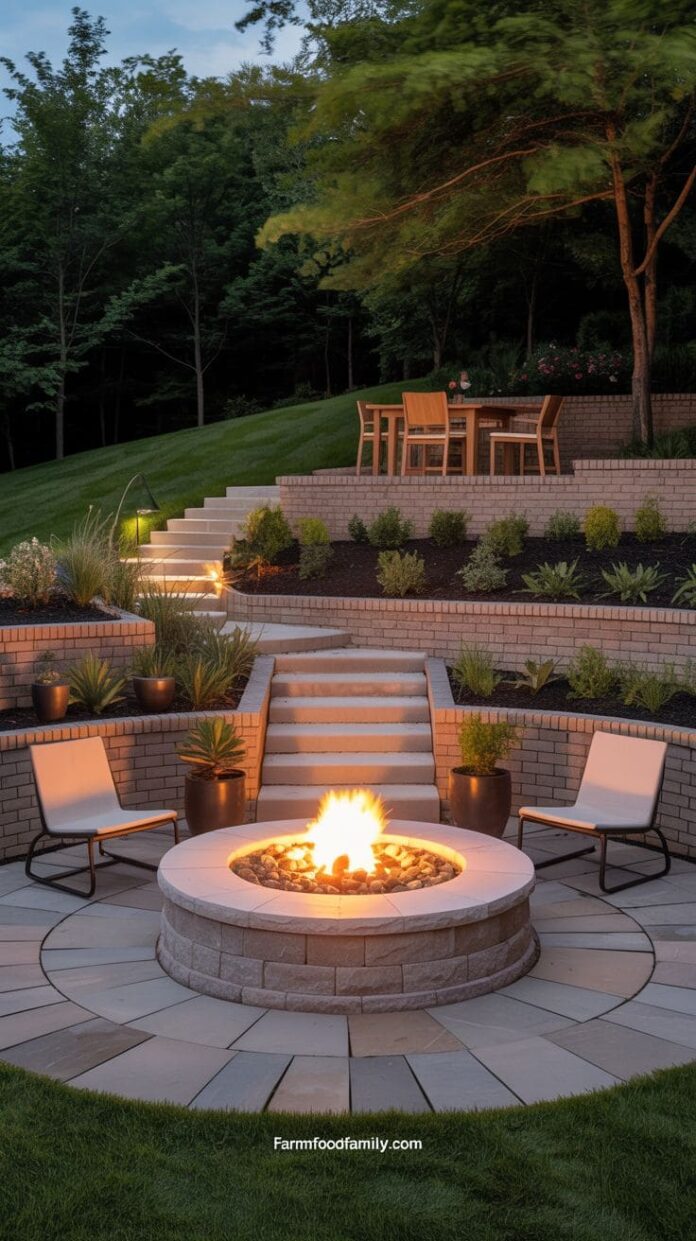
Picture this: you're sitting around a crackling fire pit, surrounded by friends and family, watching the flames dance against the evening sky. But your yard isn't flat - it's gently rolling, maybe even steep in spots. That shouldn't stop you from creating the perfect outdoor gathering space. With the right approach, a sloped yard can actually enhance your fire pit experience, adding natural drama and visual interest to your landscape.
Many people assume they can't have a fire pit if their yard isn't perfectly flat. That couldn't be further from the truth. In fact, sloped yards offer unique opportunities to create stunning fire features that blend seamlessly with the natural topography. Whether you're dealing with a slight incline or a dramatic hillside, there are smart ways to install your fire pit safely and stylishly. The key lies in understanding how to work with gravity, drainage, and the natural flow of your landscape rather than against it.
Understanding Sloped Yard Challenges
When you're planning a fire pit on uneven ground, several factors come into play. First, consider stability - a fire pit needs to sit firmly on the surface to prevent tipping or shifting during use. On slopes, this becomes trickier because the ground isn't level. You'll also need to think about water drainage, especially if your slope faces toward your house or garden. Water pooling can lead to erosion and unstable foundations.
The grade of your slope matters too. A gentle 10-degree incline is manageable, but anything steeper might require additional engineering solutions. Additionally, think about accessibility - will people be able to comfortably sit around your fire pit? Are there safe pathways to get to it?
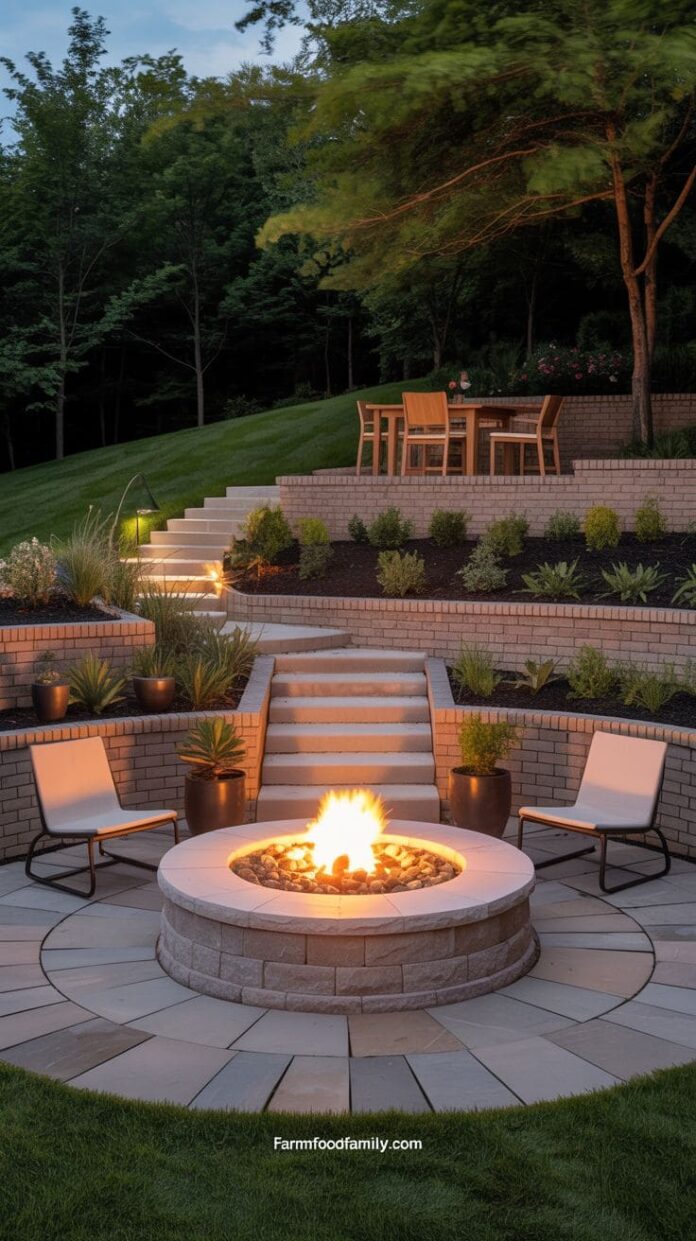
Remember, many homeowners want to avoid having their fire pit look like it's floating on a hillside. Instead, you want it to feel grounded and secure, almost like it was always meant to be there.
Safety First: Essential Considerations
Safety should always be your top priority when installing a fire pit on a slope. Start with checking local regulations and fire codes, which often have specific requirements for elevated or sloped installations. Many areas require a minimum distance from structures, and slopes might change those measurements.
The foundation is crucial. You'll likely need to create a level platform or pad, even if the surrounding area isn't flat. This means either excavating and leveling the area or building a raised platform using concrete blocks, stone, or other stable materials. The fire pit itself must be completely stable, with no wobbling or movement when touched.
Consider wind patterns too. On slopes, wind can behave differently, potentially carrying sparks further than expected. Make sure to place your fire pit away from overhanging branches, dry grass, and other potential fire hazards. Also, think about visibility - you want to ensure guests can see the fire clearly and that it's visible from multiple angles.
Foundation and Leveling Techniques
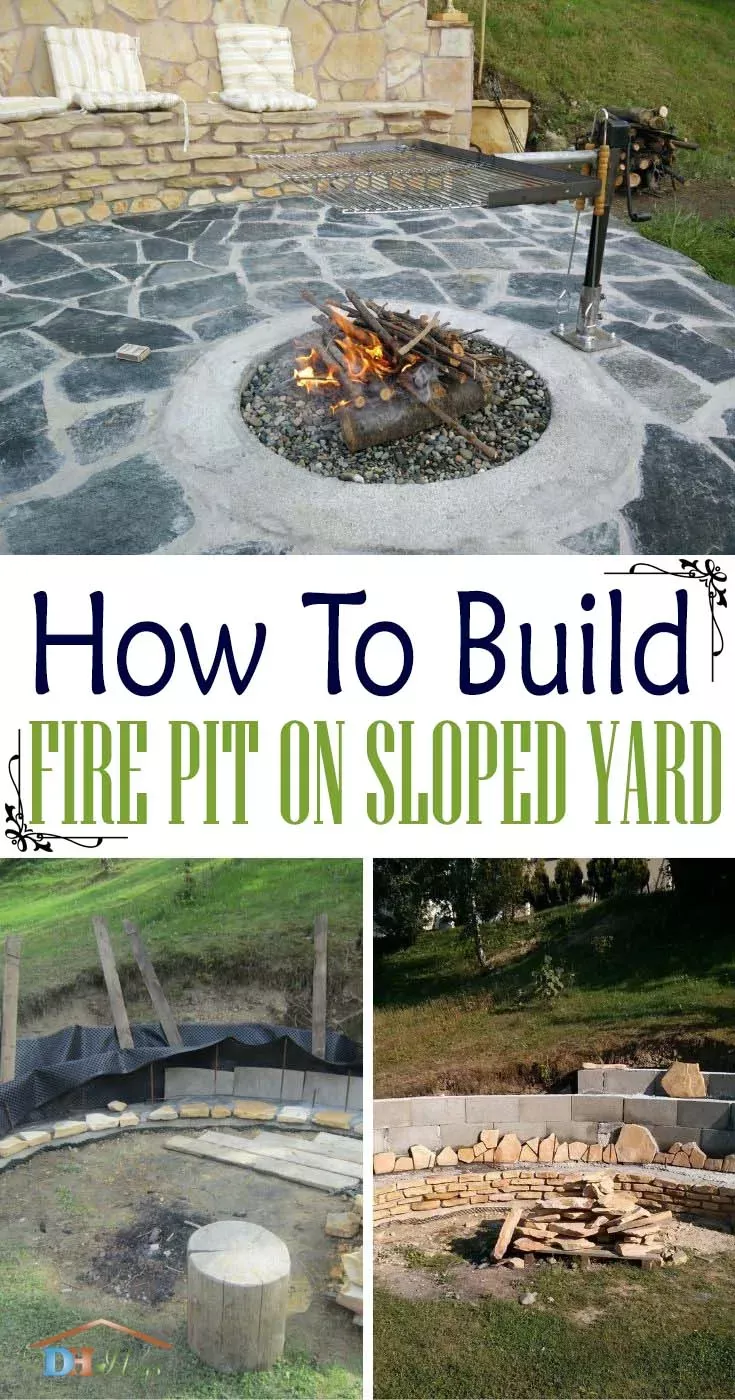
Creating a solid base on a slope requires some creativity and careful planning. One popular method is to build a retaining wall or terracing system that creates a flat area for your fire pit. This approach works well for larger slopes and can double as decorative landscaping elements.
For smaller inclines, you might use adjustable feet or leveling blocks to keep your fire pit steady. These are particularly helpful with portable units. Another technique involves digging a shallow depression in the higher part of the slope and filling it with concrete or stone to create a stable base.
Some people choose to build a raised platform entirely above ground level. This can be done with concrete blocks, pavers, or even a custom-built wooden deck. The advantage is that you have complete control over the shape and size of the platform, but it requires more construction effort.
Pro tip: Always measure twice before cutting or digging. Even a small difference in height can cause problems with stability and aesthetics.
Drainage Solutions for Sloped Installations
Water management is one of the most important aspects of installing a fire pit on a slope. Without proper drainage, rainwater can pool around your fire pit, leading to erosion, rusted equipment, and unstable foundations. The solution lies in directing water away from your installation.
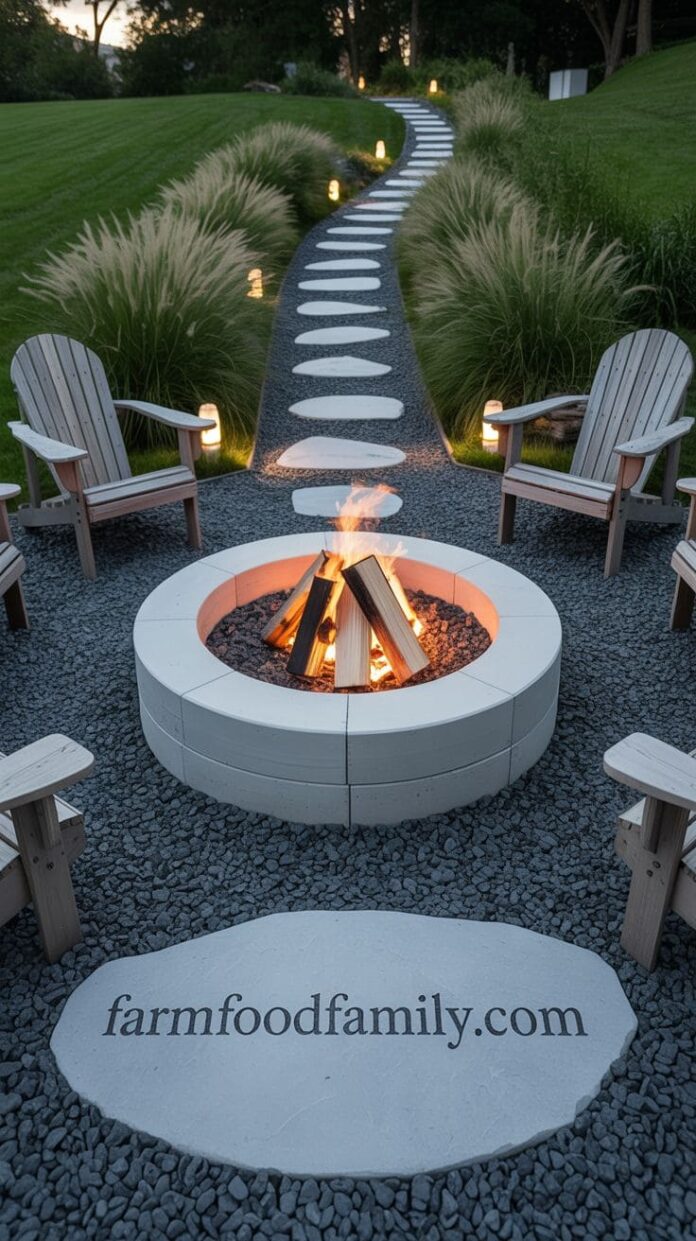
Install French drains or swales to channel water away from the fire pit area. These are simple trenches filled with gravel that help redirect runoff. You might also consider creating a slight depression or berm around your fire pit to catch and direct water flow.
If you're working with a very steep slope, consider building a retaining wall that doubles as a drainage feature. These walls can be constructed from stone, brick, or concrete blocks and help prevent soil erosion while managing water flow.
Think about the direction of water flow during storms. Does it naturally drain away from your fire pit, or does it tend to collect there? Adjust your layout accordingly. Sometimes, the best location is slightly uphill from potential water sources, allowing gravity to do the work for you.

Design Options That Work with Slopes
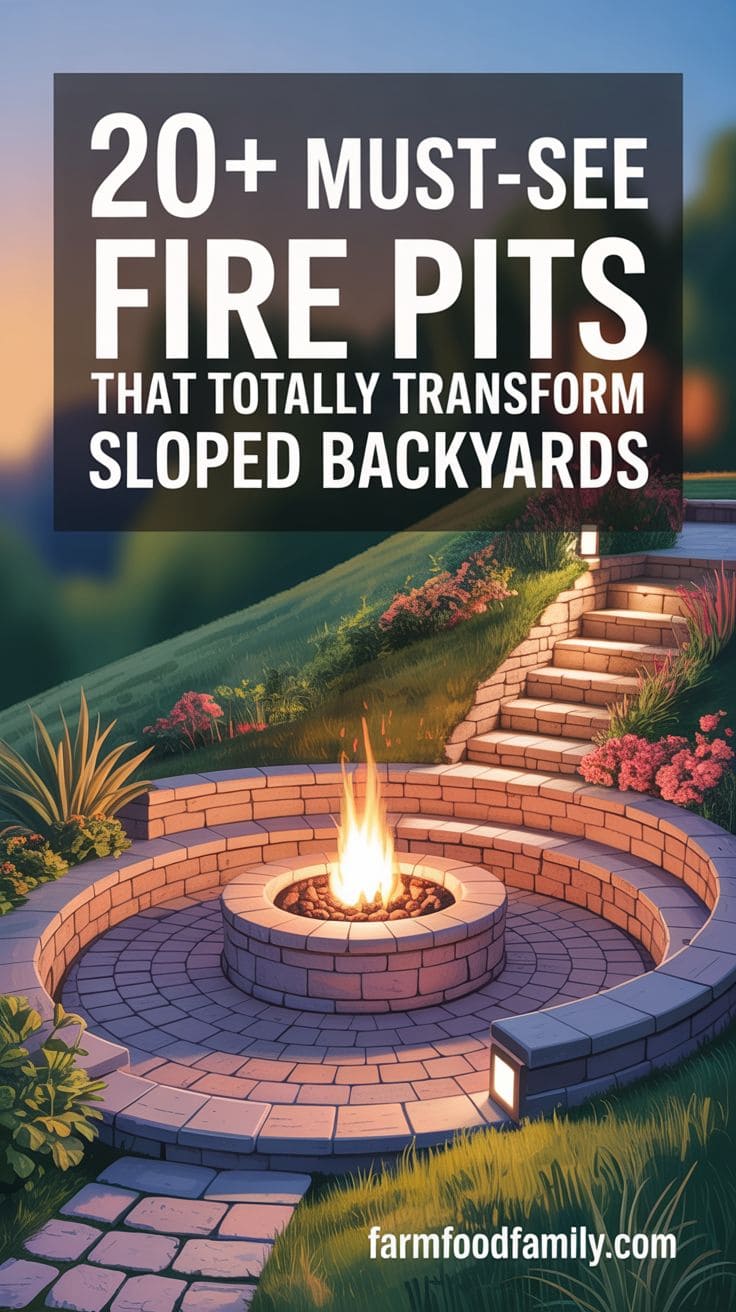
Sloped yards offer unique design opportunities that flat yards simply can't match. Instead of fighting the natural contour, embrace it. One approach is to create a multi-level fire pit setup, where each level serves a different purpose or accommodates different group sizes.
A popular choice is the "fire bowl" style that sits directly on the ground, surrounded by natural stone or pavers that follow the slope's curve. This creates a seamless integration with the landscape. Another option is to use a raised fire table that sits on a tiered platform, giving you both elevated seating and a prominent fire feature.
For dramatic effect, consider incorporating steps or stairs that lead up to your fire pit. These can be built from stone, brick, or even recycled materials. They add visual interest and make your fire pit feel like a special destination rather than just another feature.
Don't forget about lighting! Strategic placement of pathway lights or accent lighting can highlight the slope's natural beauty while ensuring safety after dark.
Related Posts

Unveiling the Timeless Charm of Black and White Striped Patio Um

Unpacking the Truth About Walking on Pool Covers Your Essential

Mastering the Art of the Perfect Pool Party Experience A Guest's Guide

Understanding the Pink Slime in Your Pool What It Is and How to Tackle It

Keeping Your Concrete Patio Happy and Safe Around the Fire Pit

Transforming Your Corner Lot A Masterclass in Curb Appeal
Maintenance Tips for Sloped Fire Pits
Once installed, maintaining a fire pit on a slope requires some extra attention. Regular cleaning is essential, but you'll also need to monitor for signs of erosion or settling. Check the foundation periodically to ensure it remains stable and level.
On slopes, debris can accumulate more quickly, especially near the lower portions of the hillside. Clear leaves, twigs, and other materials regularly to prevent buildup that could interfere with the fire pit's operation or create safety hazards.
Seasonal maintenance is crucial. After heavy rains, inspect the drainage around your fire pit to ensure water is still flowing properly. During winter months, check for ice formation that might affect the structure's integrity.
Keep an eye on any changes in the slope itself. If you notice new erosion patterns or shifting soil, it might be time to reinforce or relevel the fire pit area. Early detection prevents bigger problems down the road.
Installing a fire pit on a sloped yard isn't just possible - it can be one of the most rewarding outdoor projects you'll undertake. When approached thoughtfully, your fire pit can become the centerpiece of a beautifully designed landscape that takes full advantage of your unique terrain. The key is planning ahead, prioritizing safety, and working with the natural characteristics of your yard rather than against them. Whether you choose a simple level platform or an elaborate multi-tiered design, the result will be a fire pit that feels completely at home in its environment. Remember, the best fire pit installations are those that enhance rather than disrupt the natural flow of your outdoor space. With proper planning and attention to detail, your sloped yard can become the perfect setting for memorable evenings and warm gatherings.
