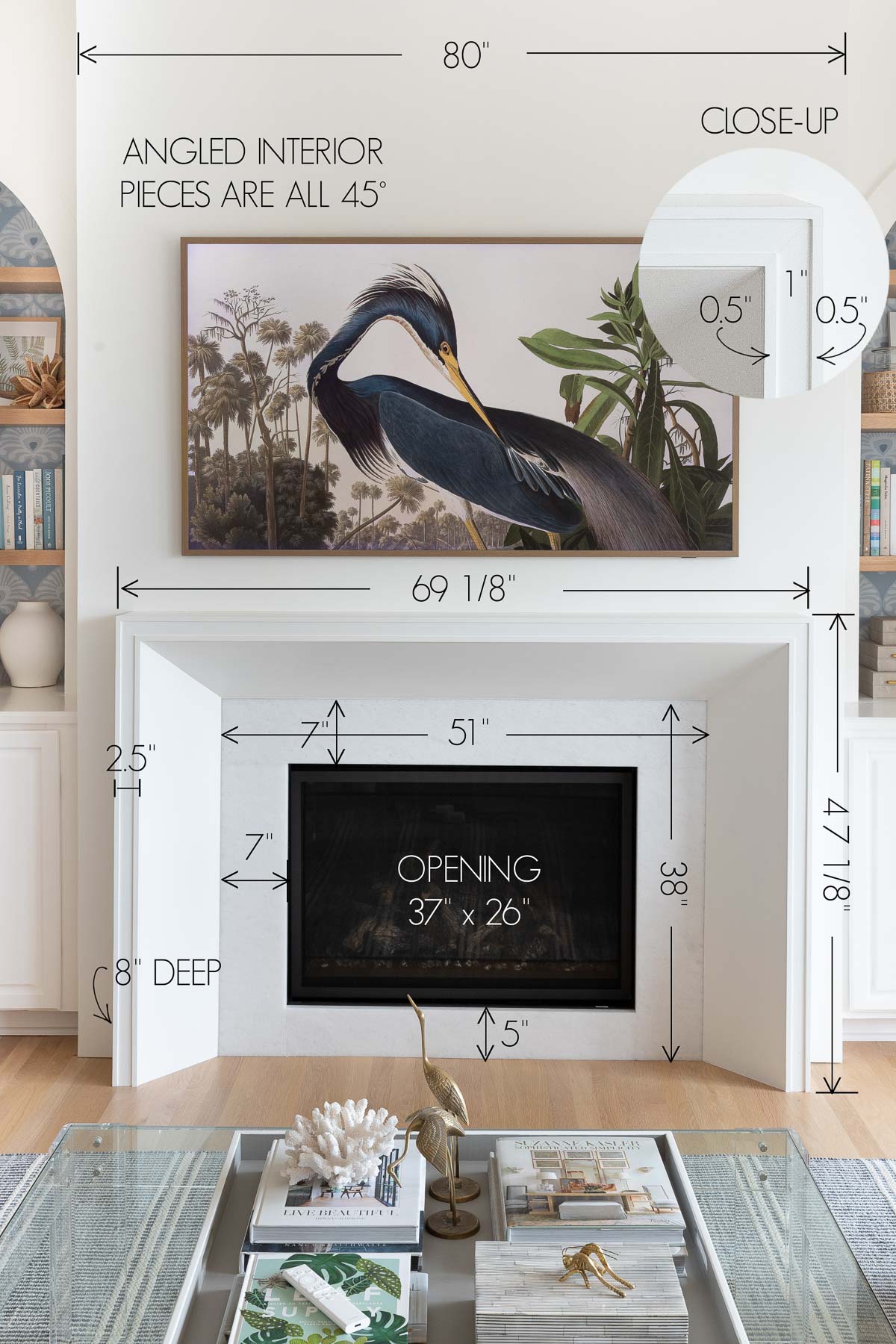
Picture this: you've finally found the perfect spot for your new television, right above your fireplace. You're excited about the visual impact, but there's one crucial question that might be keeping you up at night. What's the best height for mounting your TV? It's not just about looking good – it's about seeing clearly and feeling comfortable. This guide will walk you through everything you need to know to get it just right.
When it comes to home entertainment setups, few decisions are as important as where to place your television. Mounting a screen above a fireplace can create a stunning focal point in your living room, but getting the height right makes all the difference between a cozy viewing experience and a frustrating one. We've all seen those awkward setups where someone has to crane their neck or hunch over to watch their favorite show. That's not how it should be. The right height ensures you can enjoy your content without straining your eyes or back. Whether you're planning a new installation or updating an existing setup, understanding the proper mounting height is essential. Let's explore why this matters and how to calculate it correctly.
Why TV Height Matters for Viewing Comfort
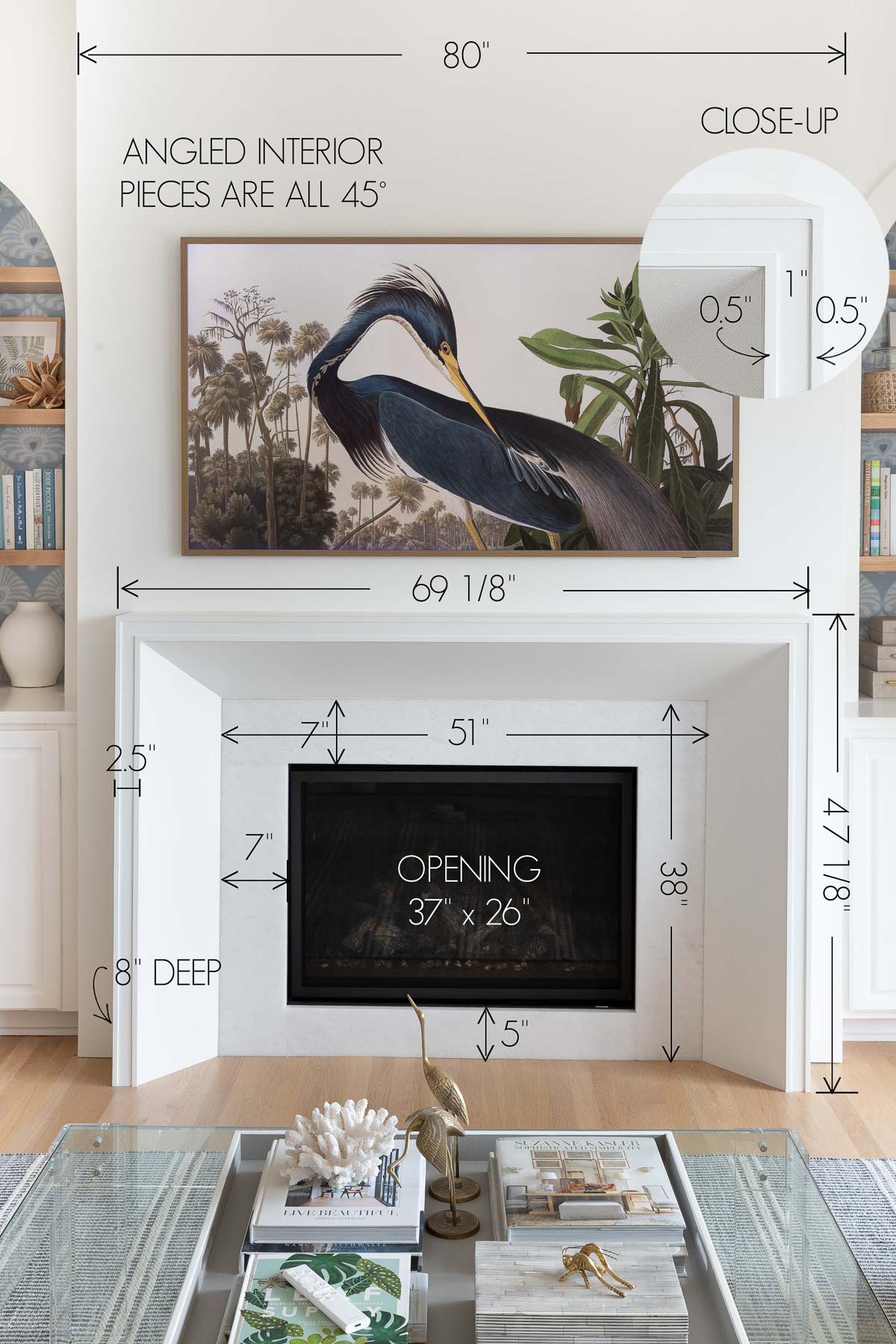
Think about how you feel when you're watching TV. Do you find yourself tilting your head back to see the top of the screen? Or maybe you're constantly adjusting your seating position because it feels like the screen is too high or too low? These aren't just minor annoyances – they're signs that your TV isn't positioned correctly. When a television is mounted too high, viewers often have to strain their necks upward, leading to discomfort and fatigue during long viewing sessions. On the other hand, if it's placed too low, you might find yourself craning forward, which can cause back pain and eye strain. The key is finding that sweet spot where your eyes are naturally aligned with the center of the screen. This simple adjustment can transform your viewing experience from uncomfortable to effortless. Consider how you sit when watching TV – your seating position should allow you to look straight ahead at the screen's center without moving your head excessively. That's the golden rule.
The Standard Guidelines for TV Mounting Height
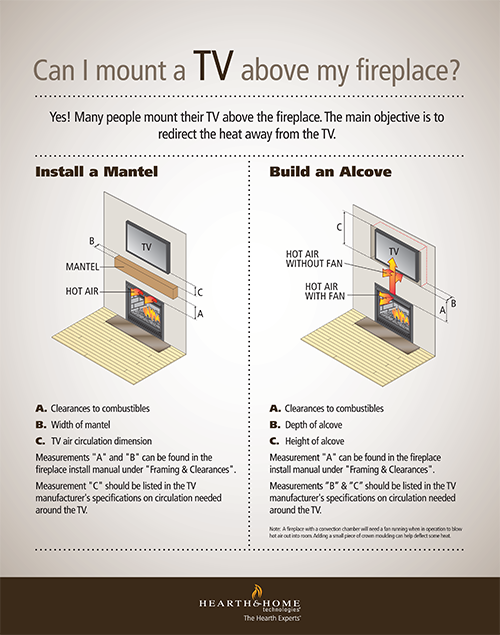
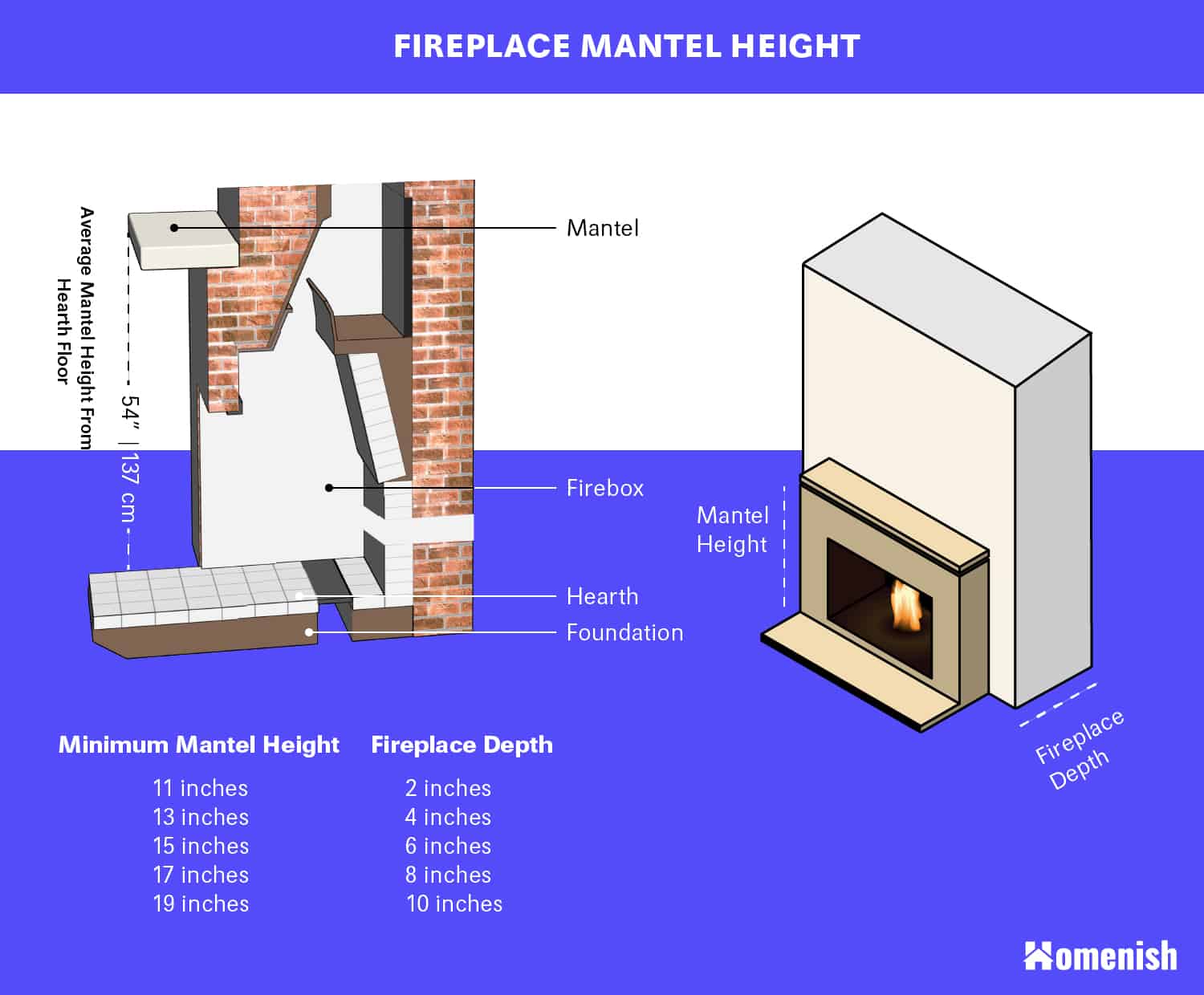
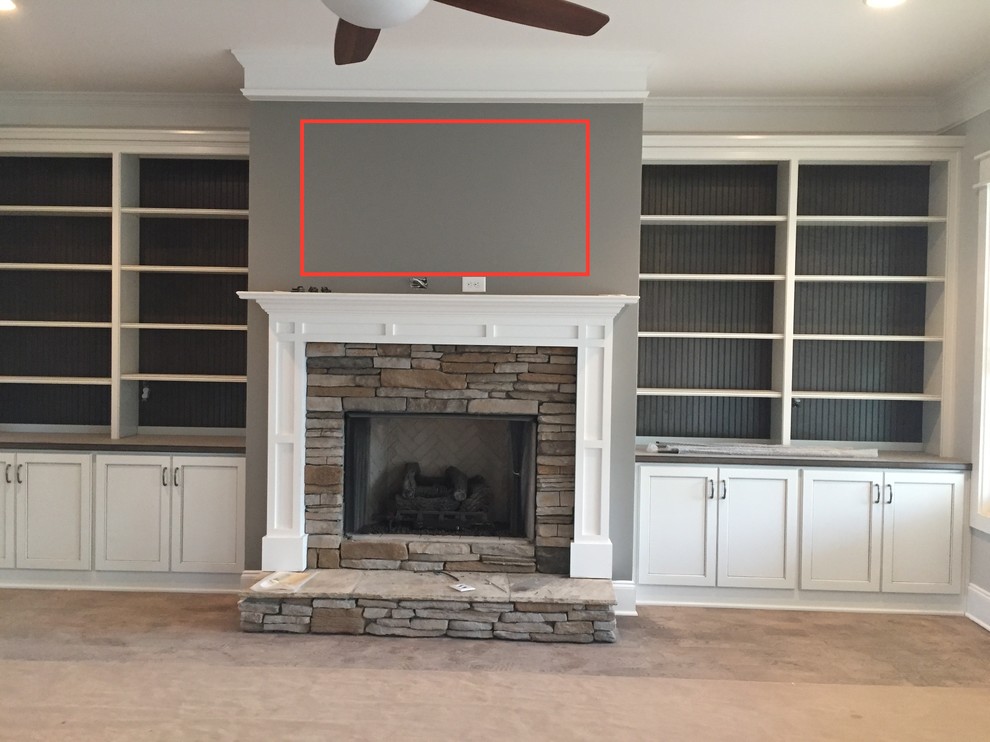
There are some basic principles that most experts agree on when it comes to mounting a TV above a fireplace. The general rule is to position the center of your screen at eye level when seated. This means measuring from the floor to your seating area and placing the screen's center at that height. For most people, this falls around 42 to 48 inches from the floor. However, this isn't a one-size-fits-all solution. The actual height depends on several factors including your seating arrangement, the size of your television, and the layout of your room. If you have a very large fireplace, you might need to adjust accordingly. Also, consider the width of your mantel – you'll want enough clearance around the screen to avoid any visual obstruction. The goal is creating a balanced look that doesn't make the room feel cramped or overly dominated by the television. Many homeowners find success by placing the bottom edge of their screen slightly above the mantel line, creating a natural visual hierarchy.
Measuring for Perfect Placement
Getting the measurement right is crucial, and it requires a bit of careful planning. Start by determining where you'll be sitting when watching TV. Mark this spot on the floor and measure the distance from the floor to your eye level while seated. This is your target height for the screen's center. Then, measure the height of your television and divide it by two to find the center point. Subtract this number from your target height to determine where to mount the screen. Don't forget to account for the fireplace surround and any decorative elements that might affect the final placement. A helpful tip is to use a tape measure and pencil to mark potential positions on the wall before drilling. This allows you to test different heights and see how they look in context. Some people even use a temporary bracket to try out various positions before committing to permanent installation. It's always better to double-check measurements than to make a mistake that requires costly corrections later.
Considerations for Different Room Setups
Every home is unique, and that means every installation presents its own challenges. In smaller rooms, you might need to be more strategic about where you place your screen. Sometimes, mounting higher on the wall works better to avoid the feeling of the TV overwhelming the space. In larger rooms, you have more flexibility and can afford to mount the screen slightly lower to maintain comfortable viewing angles. If you have multiple seating areas, consider installing a second screen or using a flexible mounting system that allows for adjustable positioning. The type of fireplace also plays a role – a traditional stone fireplace might require different mounting considerations compared to a modern electric unit. Also, think about the furniture arrangement. Will the TV be visible from multiple angles? How will the lighting affect the viewing experience? These practical details often make the difference between a great setup and a frustrating one.
Related Posts

Unveiling the Timeless Charm of Black and White Striped Patio Um

Unpacking the Truth About Walking on Pool Covers Your Essential

Mastering the Art of the Perfect Pool Party Experience A Guest's Guide

Understanding the Pink Slime in Your Pool What It Is and How to Tackle It

Keeping Your Concrete Patio Happy and Safe Around the Fire Pit

Transforming Your Corner Lot A Masterclass in Curb Appeal
Practical Tips for Installation Success
Before you start mounting anything, take a step back and think about your long-term needs. Will you be adding a soundbar or other audio equipment? Is there a need for cable management? Planning ahead prevents future headaches. Make sure your mounting hardware can support the weight of your television, and check the manufacturer's specifications carefully. Some fireplaces have special considerations, like heat vents or structural elements that might affect mounting options. Consider the angle of the screen as well – while most people prefer a flat mount, some situations might benefit from a slight tilt to reduce glare from windows or lights. It's also wise to have a helper available during installation. Mounting a heavy television alone is not recommended, and having someone to hold measurements or assist with positioning can make the whole process much smoother. Finally, don't overlook the importance of testing the setup after installation. Sit in your normal viewing position and make sure everything looks and feels right.
Common Mistakes to Avoid
Even experienced homeowners sometimes fall into common pitfalls when mounting TVs above fireplaces. One major error is ignoring the room's proportions. A small screen mounted too high can make a room feel unbalanced, while a large screen placed too low can dominate the space. Another frequent mistake is not accounting for the fireplace's depth. You might think you have plenty of clearance, but the mantel and surrounding structure could limit your mounting options. Many people also underestimate the importance of considering the viewing angle – especially if your seating is at an angle to the wall. Using a level is essential, and it's easy to assume something is straight when it's actually off. Don't forget to factor in the thickness of the wall and any insulation that might affect mounting. It's also common to overlook the need for proper cable management, which can lead to unsightly wires and potential safety hazards. Finally, many installers forget to consider future changes – what happens when you want to move or upgrade your television? Planning for flexibility can save you from costly rework later.
Mounting your television above a fireplace can be a beautiful and functional addition to your living space when done correctly. The key lies in understanding that the right height isn't just about aesthetics – it's about comfort, ease of viewing, and long-term satisfaction with your setup. Remember that personal preferences play a role, and what works for one person might not work for another. Take time to measure carefully, consider your room's unique characteristics, and don't hesitate to seek professional help if you're unsure about any aspect of the installation. The investment in proper positioning pays dividends in viewing enjoyment and reduced physical strain. Whether you're planning a complete renovation or simply updating your current setup, following these guidelines will help you achieve that perfect balance between style and functionality. Your future self – and your neck – will thank you for taking the time to get it right.
