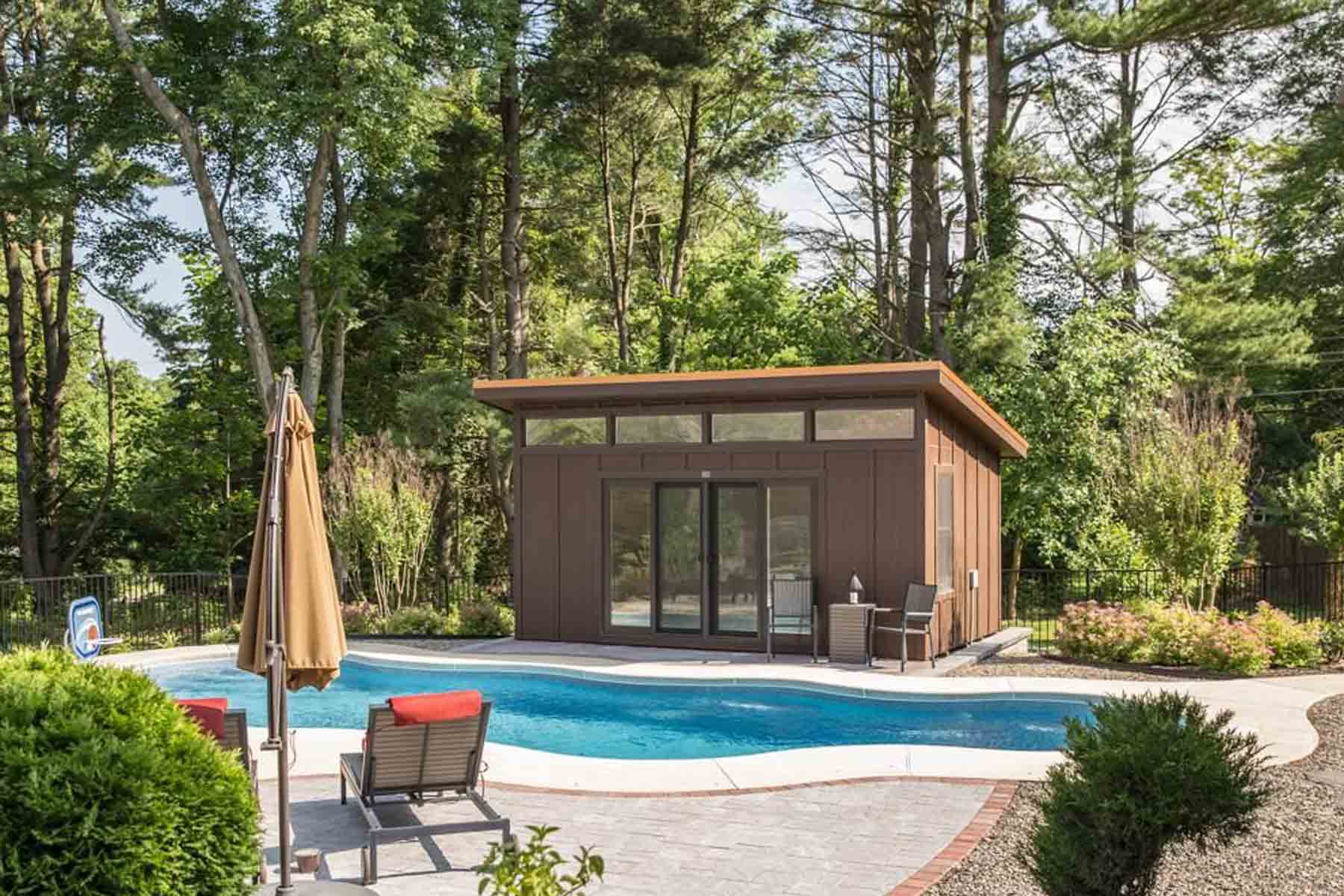
Picture this: a cozy retreat tucked away behind your main home, complete with a kitchen, bathroom, and comfortable seating area. This isn't just a fantasy anymore – it's a reality many homeowners are turning to. But before you start planning your dream space, you need to understand how much it'll actually cost to bring it to life.
Pool houses have become increasingly popular among homeowners looking to extend their living spaces while enjoying outdoor entertainment. Whether you want a place to relax after swimming, host guests, or simply enjoy some privacy, building a pool house can add significant value to your property. However, like any construction project, costs vary widely based on several factors. Understanding what goes into the total price helps you plan realistically and avoid budget surprises down the road. Let's dive into all the important details you need to consider when figuring out how much it costs to build a pool house.
Factors That Influence Pool House Construction Costs
Several key elements determine how much money you'll spend on building your pool house. Size plays a huge role – a small 10x10 foot structure will obviously cost less than a larger 20x30 foot space. The design complexity matters too. Simple rectangular shapes are cheaper than custom architectural features. Materials you choose also impact the final bill significantly. Wood framing is generally less expensive than steel, but each has its own pros and cons.
Location affects pricing in unexpected ways. Labor costs vary dramatically between regions, with some areas charging twice as much as others. Weather conditions can also influence prices – building during winter months might mean higher costs due to slower work schedules. Finally, permits and utilities add to the overall expense, often surprising people who don't factor them in early on.
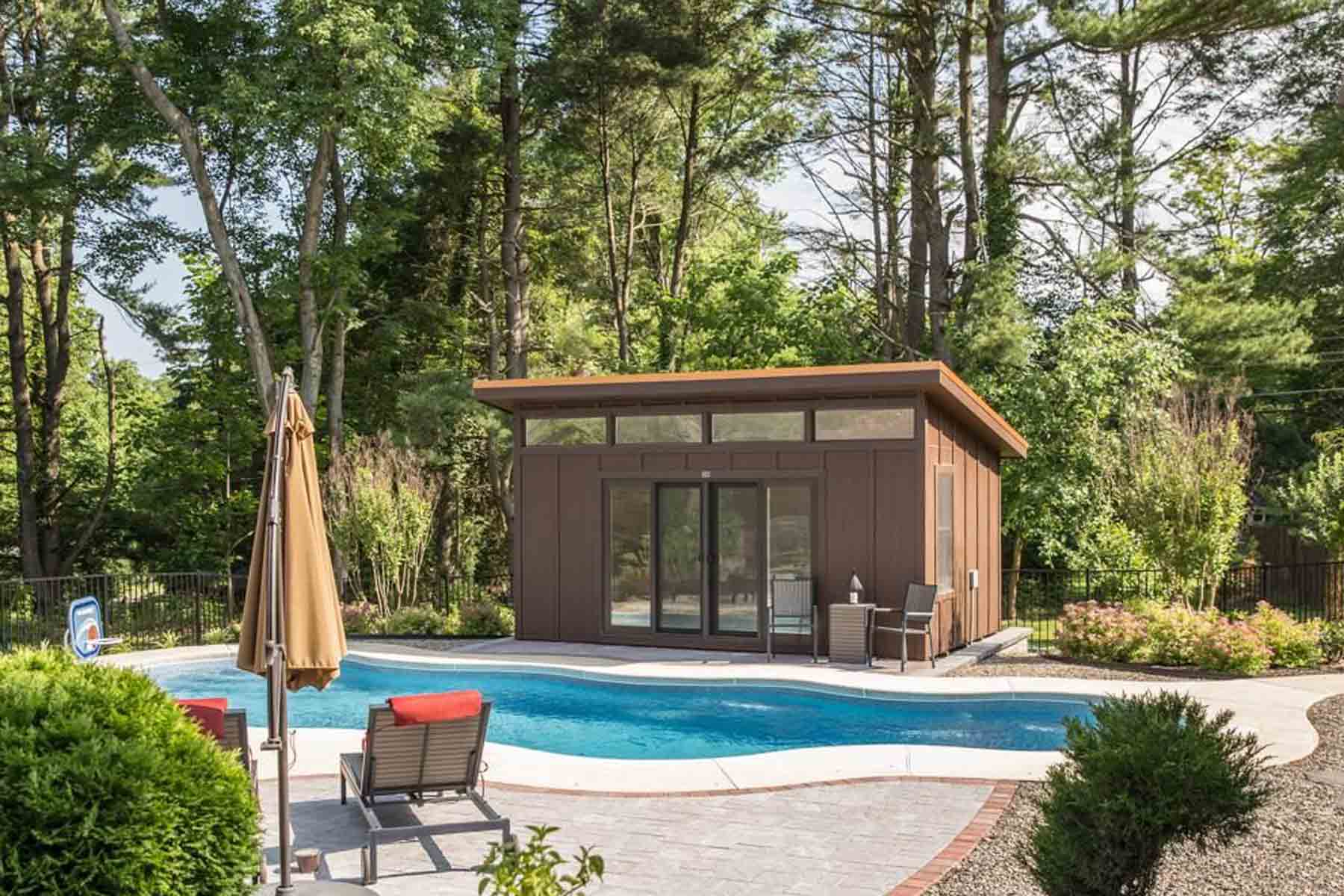
Average Cost Ranges Across Different Pool House Sizes
Let's break down typical price ranges based on square footage:
These numbers aren't set in stone, but they give you a realistic starting point. A tiny guest house with basic amenities will fall toward the lower end, while a full-service pool house with kitchen, bathroom, and climate control will push costs upward. Consider what features matter most to you – do you need a full kitchen or just a simple bar area? Each addition increases the budget.
Material Costs: What You'll Pay for Key Components
The materials you select directly affect your bottom line. Here's a look at major cost drivers:
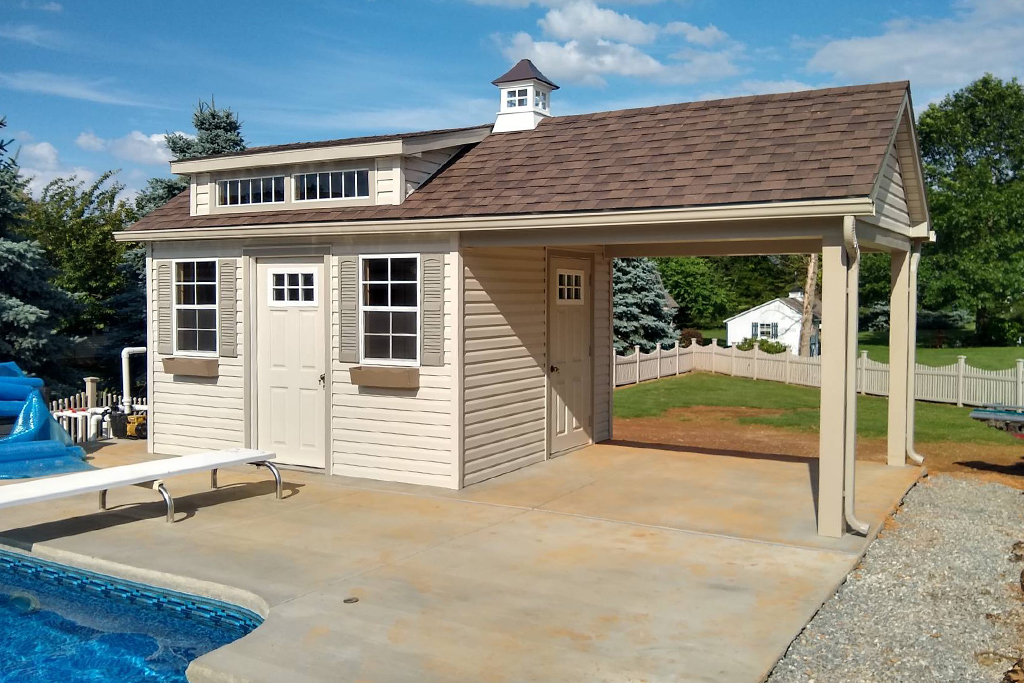
Keep in mind that premium materials like stone or brick will increase costs substantially. Sometimes, choosing quality over quantity makes sense if you plan to keep the structure for decades.
Labor Costs and Why They Vary So Much
Labor represents a significant portion of your pool house budget, often accounting for 40-60% of total costs. The reason labor varies so much is because skilled craftspeople are in high demand across many markets. In some areas, you might find workers charging $40-$60 per hour, while in others, rates could be as low as $25-$35 per hour.
Seasonal factors also play a role. Contractors often charge more during peak summer months when demand is highest. Weather delays can cause additional labor costs, especially if you're working with tight deadlines. Some builders offer fixed-price contracts, while others work on hourly rates, so make sure you understand exactly what you're paying for.
Permits, Utilities, and Other Hidden Expenses
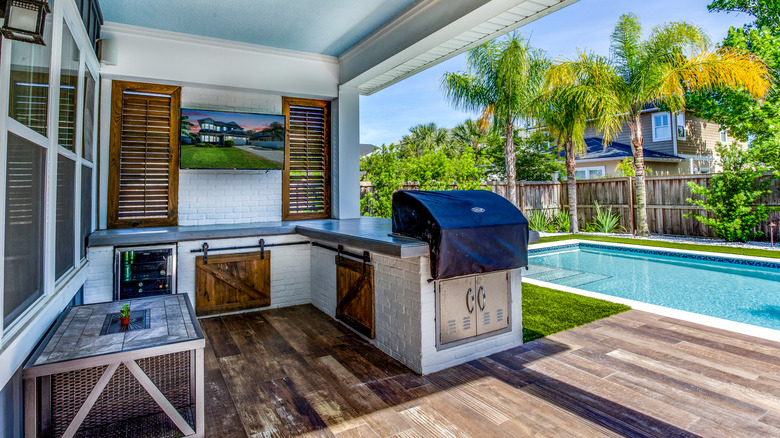
Many people forget about these crucial costs when budgeting. Permit fees alone can range from $500-$3,000 depending on your location and size of the structure. Utility connections – water, electricity, gas – can easily cost another $2,000-$5,000.
Additional expenses include:
These hidden costs often catch people off guard, so it's wise to add 10-15% to your initial estimate as a buffer for unforeseen expenses.
Tips for Managing Your Budget Effectively
Here are some smart strategies to keep your project within financial reach:
Remember, the cheapest option isn't always the best investment in the long run. Quality construction pays dividends in reduced maintenance and increased property value.
Financing Options for Pool House Projects
If you're financing your pool house, you have several options:
Each method has pros and cons. Home equity loans usually offer the lowest interest rates, but they tie up part of your home's value. Construction loans require more paperwork but provide funds as the project progresses. Talk to your bank or credit union first to understand what options work best for your situation. Many lenders are familiar with pool house projects and can guide you through the process.
Value Added to Your Property
Related Posts

Unveiling the Timeless Charm of Black and White Striped Patio Um

Unpacking the Truth About Walking on Pool Covers Your Essential

Mastering the Art of the Perfect Pool Party Experience A Guest's Guide

Understanding the Pink Slime in Your Pool What It Is and How to Tackle It

Keeping Your Concrete Patio Happy and Safe Around the Fire Pit

Transforming Your Corner Lot A Masterclass in Curb Appeal
A well-built pool house can significantly increase your home's market value. On average, pool houses return 70-80% of their construction cost when you sell. For example, a $50,000 pool house might add $35,000-$40,000 to your home's worth. The exact percentage depends on local real estate trends, the pool house's features, and buyer preferences in your area.
Consider how your pool house fits into the broader picture of your home's appeal. Does it complement your existing architecture? Will it serve a purpose for future buyers? A thoughtfully designed pool house adds curb appeal and functionality that many potential buyers find attractive. Plus, it provides a private space that's particularly appealing to families and entertainers.
Timeline and Planning Considerations
Construction timelines typically range from 2-6 months, depending on complexity and weather conditions. Planning ahead is crucial. Start with a detailed design phase that includes:
The permitting process alone can take 2-4 weeks in some areas. Factor in potential delays for bad weather or supply chain issues. Building during spring or fall months often works better than summer, when most contractors are booked solid. Having a realistic timeline helps manage expectations and keeps everyone involved informed.
Common Mistakes to Avoid
Even experienced homeowners sometimes make costly errors when planning their pool house. Here are the most frequent pitfalls:
One common mistake is assuming that a simple design means simple costs. Even basic pool houses require careful attention to drainage, electrical systems, and structural integrity. Hiring a qualified contractor with experience in pool house construction can prevent many of these problems.
Building a pool house is an exciting way to enhance your outdoor living space and potentially increase your property's value. While costs can vary widely based on size, materials, location, and design choices, understanding the key factors helps you make informed decisions. From foundation work to finishing touches, every component contributes to the final price tag. Remember that investing in quality materials and skilled labor pays off in longevity and enjoyment. With proper planning, realistic budgeting, and professional guidance, your dream pool house can become a beautiful reality that brings years of satisfaction and added value to your home.
