
When you think about outdoor living spaces, few elements are as essential as well-designed deck stairs. These pathways between levels not only provide access but also contribute significantly to your home's overall look and feel. But what makes a great set of stairs? The answer lies in thoughtful design, proper materials, and most importantly, effective railing systems. Whether you're planning a new construction project or renovating an existing deck, understanding how to combine stair design with secure railings is crucial.
Picture this: You're standing at the top of a beautiful wooden deck, ready to descend to your backyard. The steps are smooth, the handrails are sturdy, and every detail feels intentional. That's the magic of good deck stairs design with proper railing. It's not just about getting from point A to point B – it's about creating a seamless, safe, and visually appealing transition between different levels of your outdoor space. In today's world where outdoor living has become increasingly popular, having well-thought-out stairs and railings isn't just a luxury, it's a necessity. This guide will walk you through everything you need to know about creating the perfect combination of functional stairs and secure railings that will stand the test of time.
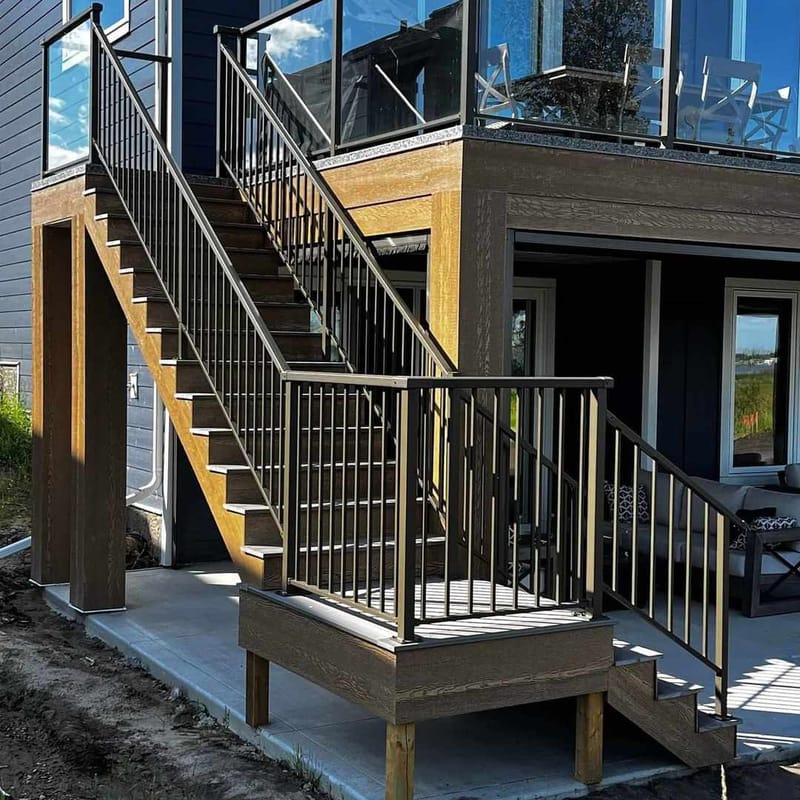
Understanding Basic Deck Stair Components
Before diving into design specifics, let's break down what makes up a quality deck stair system. The fundamental elements include the risers, treads, stringers, and of course, the railing components. Risers are the vertical pieces that go between each step, while treads are the horizontal surfaces you step on. Stringers are the structural supports that hold everything together, typically running along the sides of the stairs. When you add railing to this equation, you're creating a complete safety system that protects users while enhancing visual appeal. Think of these components as puzzle pieces that must fit together perfectly. Each element needs to be carefully measured and positioned to ensure both safety and aesthetics. For instance, the height of your risers affects how easily someone can climb the stairs. Too high and they become difficult to navigate, too low and they may not provide enough support. The tread depth determines comfort – a minimum of 10 inches is recommended for safe stepping. And let's not forget about the stringers; they're the backbone of your entire structure. They must be strong enough to handle the weight of people using the stairs regularly, plus any additional loads like furniture or equipment.

Safety Standards and Building Codes
Safety should always come first when designing any outdoor staircase. Building codes vary by location, but there are some universal principles that apply everywhere. Most areas require a minimum stair width of 36 inches for residential use, though 42 inches is often preferred for better accessibility. The maximum riser height is typically 7-7.75 inches, and the minimum tread depth should be around 10 inches. But here's something many people overlook: the height of your railing system matters greatly. Codes generally specify that railings must be between 36 and 42 inches high from the walking surface to the top of the rail. This might seem simple, but it's actually one of the most critical aspects of stair design. Imagine trying to navigate stairs with a railing that's too low – you'd be constantly reaching for support, which increases the risk of falls. On the flip side, a railing that's too tall can feel awkward and uncomfortable. Beyond basic measurements, consider the material strength requirements. Your railing must be able to withstand significant force – usually 50 pounds per square foot of surface area. This means choosing materials that won't bend or break under pressure. Some local codes even require specific testing methods for railing systems, especially if they're near swimming pools or other high-risk areas. These standards aren't arbitrary rules – they exist to protect lives.

Popular Railing Styles and Materials
The railing portion of your deck stairs can make or break the entire look. There are numerous styles available, each offering unique benefits and aesthetic qualities. Traditional wood railings offer warmth and natural beauty that complements most outdoor settings. Cedar and redwood are particularly popular choices because they resist weathering and insects naturally. However, they do require regular maintenance like staining or sealing every few years. Metal railings, including aluminum and steel options, provide durability and low maintenance. They're especially good for modern homes or areas with harsh weather conditions. Stainless steel offers excellent longevity and a sleek appearance, though it can be more expensive than alternatives. Glass railings have gained popularity in recent years due to their clean lines and unobstructed views. They work beautifully on decks overlooking gardens or water features, but they require careful installation to ensure safety. Composite materials combine the best of both worlds – they mimic the look of wood while offering superior resistance to weather and pests. They're increasingly popular among homeowners looking for low-maintenance solutions. The choice often comes down to your budget, the overall style of your home, and how much maintenance you're willing to perform. Consider also the climate in your area – extreme temperatures or high humidity can affect material performance over time. Many people choose to mix materials within their railing system, combining wood balusters with metal posts for example, to get both traditional looks and modern durability.

Design Considerations for Different Spaces
Every outdoor space presents unique challenges and opportunities when it comes to stair design. A small urban deck will have very different requirements than a large rural property with expansive views. Space constraints play a major role in determining whether you need straight stairs, spiral designs, or L-shaped configurations. For narrow spaces, consider using a single-stringer design that saves floor space while still providing adequate support. Spiral stairs can be incredibly elegant and space-saving, but they require careful attention to tread width and clearance. The angle of approach matters too – if your stairs lead to a pool area, you'll want to ensure there's plenty of room for wheelchairs or mobility aids. Consider the flow of traffic in your outdoor area. Do people frequently use these stairs? If so, you might want to incorporate wider treads or additional support features. Lighting considerations are also important. Will your stairs need to be visible at night? Railing systems can be designed to accommodate built-in LED strips or other illumination sources. The surrounding landscape influences the overall aesthetic as well. If you have a modern minimalist garden, clean lines and simple materials might be appropriate. For a rustic setting, natural wood tones and traditional railings could be more fitting. Sometimes the most challenging aspect is balancing form and function – you want your stairs to look good, but they also need to serve their primary purpose safely and effectively.

Related Posts

Unveiling the Timeless Charm of Black and White Striped Patio Um

Unpacking the Truth About Walking on Pool Covers Your Essential

Mastering the Art of the Perfect Pool Party Experience A Guest's Guide

Understanding the Pink Slime in Your Pool What It Is and How to Tackle It

Keeping Your Concrete Patio Happy and Safe Around the Fire Pit

Transforming Your Corner Lot A Masterclass in Curb Appeal
Installation Tips and Common Mistakes
Even the best design plans can go awry without proper execution. Many DIY enthusiasts tackle deck stair projects themselves, but there are several pitfalls that can compromise safety and appearance. One of the most common errors is inaccurate measurement. Even a quarter-inch discrepancy in riser heights can cause tripping hazards. Always measure twice and cut once, especially when working with multiple pieces. Another frequent mistake is improper attachment of the stringers to the deck frame. The connection points must be secure enough to handle both the weight of users and environmental forces like wind or temperature changes. Pay special attention to how you attach the railing posts to the deck. They should be anchored properly to prevent wobbling or loosening over time. Weatherproofing is another crucial factor that many people overlook. All metal components need to be treated against corrosion, and wood requires proper sealing to prevent warping or rotting. It's also easy to underestimate the importance of proper drainage. Water pooling around the base of your stairs can lead to structural damage and safety issues. Some builders forget about the landing areas at the top and bottom of stairs, which should be wide enough for comfortable turning and have non-slip surfaces. Professional installation can eliminate many of these risks, especially for complex designs or situations involving significant elevation changes.
Maintenance and Longevity Strategies
A well-designed deck stair system is only as good as its upkeep. Regular maintenance prevents small problems from becoming major safety concerns. Wood railings benefit from annual inspections and re-staining or sealing as needed. Look for signs of wear, loose connections, or insect damage. Metal components should be checked for rust or corrosion, particularly around fasteners and joints. Clean glass panels regularly to maintain visibility and prevent buildup that could affect safety. The key to longevity lies in addressing issues quickly rather than waiting for them to worsen. Small cracks in wood or loose screws might seem insignificant, but they can lead to bigger problems over time. Consider seasonal maintenance schedules – inspect after heavy rains, before winter storage, and after summer heat exposure. Keeping detailed records of your maintenance activities helps track what works and when problems might occur. For example, if you notice that certain areas of your railing are deteriorating faster than others, you might need to adjust your cleaning routine or investigate environmental factors. Some homeowners find it helpful to schedule professional inspections annually, especially for complex railing systems or those in high-use areas. Remember that preventive maintenance is far less expensive than emergency repairs or complete replacements.
Designing deck stairs with proper railing systems is both an art and a science. It combines engineering principles with aesthetic sensibility to create functional outdoor spaces that enhance your lifestyle. Whether you're building a new deck or upgrading an existing one, investing in quality stair design and railing systems pays dividends in safety, usability, and property value. The journey from concept to completion involves careful planning, adherence to safety standards, and attention to detail. From selecting appropriate materials to considering the unique characteristics of your outdoor space, every decision impacts the final result. What matters most is ensuring that your stairs not only look good but also provide reliable access and protection for everyone who uses them. With thoughtful consideration of all these factors, your deck stairs can become a centerpiece of your outdoor living space – safe, beautiful, and built to last for years to come. The investment you make in proper design and installation will continue to pay off through improved safety, increased enjoyment, and enhanced property appeal. So take your time, do your research, and remember that great outdoor spaces start with solid foundational elements like well-designed stairs and secure railings.
