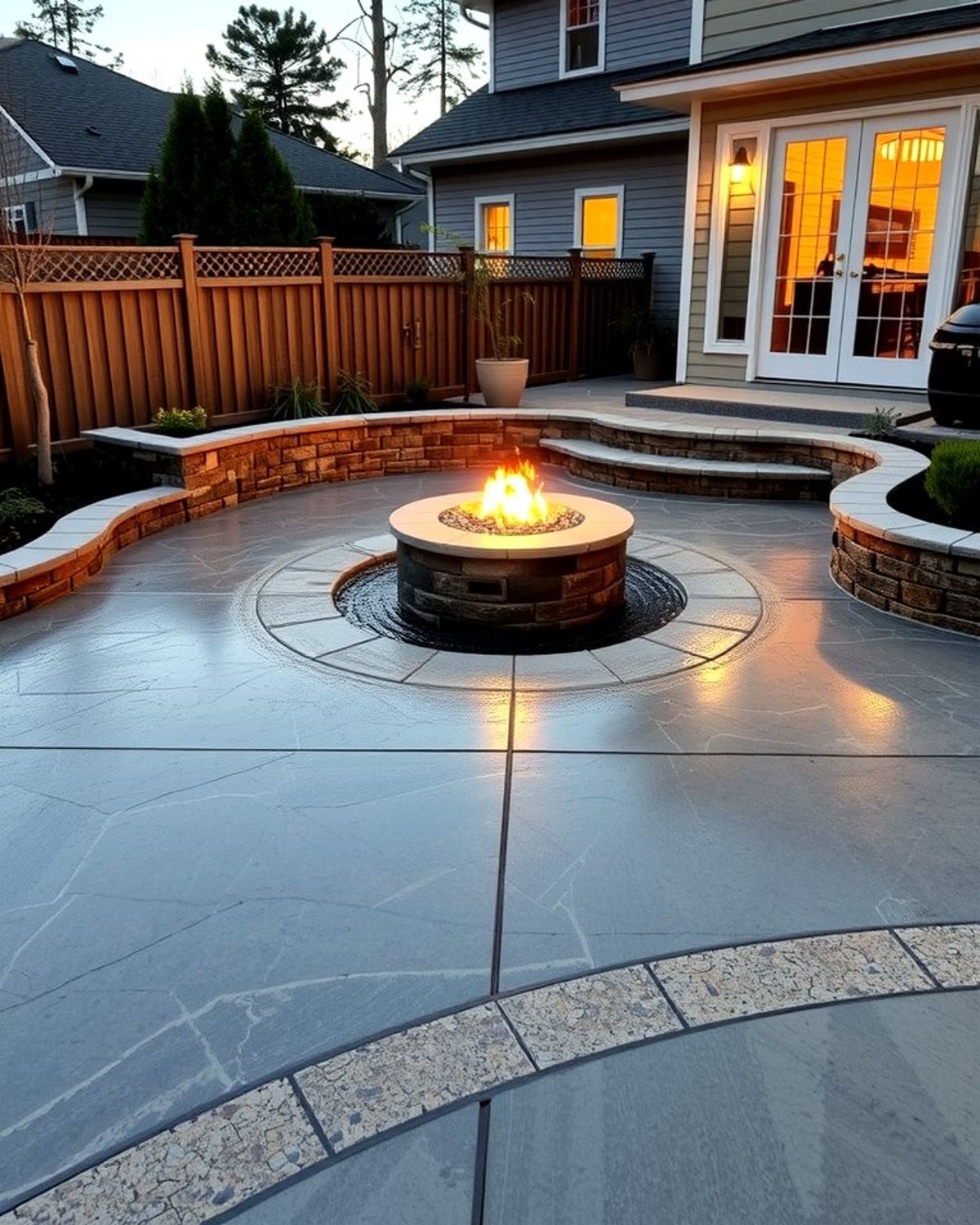
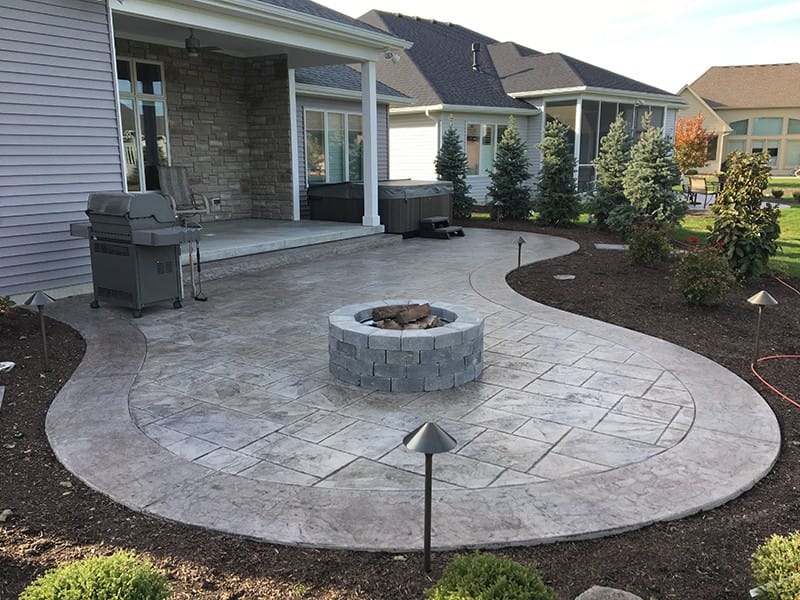
Picture this: your backyard becomes a masterpiece of texture and warmth. You've got a stamped concrete patio that captures the essence of stone, brick, or wood grain, and right at its heart sits a fire pit that draws everyone in. This isn't just a dream - it's an achievable reality that brings together functionality, beauty, and comfort. Let's explore how to make this vision come true.
There's something deeply satisfying about stepping onto a beautifully finished outdoor space. When you combine the durability and versatility of stamped concrete with the cozy appeal of a fire pit, you create more than just a patio - you craft an inviting environment that extends your living space outdoors. This combination offers both visual impact and practical benefits that make it a favorite among homeowners looking to maximize their outdoor areas. Whether you're planning a complete renovation or adding a new element to your existing space, understanding how these two components work together can transform your backyard into a showpiece.
Why Choose Stamped Concrete for Outdoor Spaces
Stamped concrete isn't just about looks - it's about creating a surface that stands up to the elements while delivering impressive aesthetics. Unlike traditional concrete, stamped concrete mimics the appearance of natural materials like stone, brick, or wood. The texture adds character that makes even the most modest outdoor area feel special.
The material itself is incredibly durable. It can handle foot traffic, weather exposure, and even light vehicle movement without cracking or deteriorating. This resilience means your investment lasts for decades. Plus, the surface provides excellent traction, which is crucial when wet conditions might be present.
Consider a family gathering where children are running around and dogs are playing. A stamped concrete patio can handle all that activity without showing wear. It's also easier to clean and maintain than many alternatives, requiring just regular sweeping and occasional washing with mild soap.
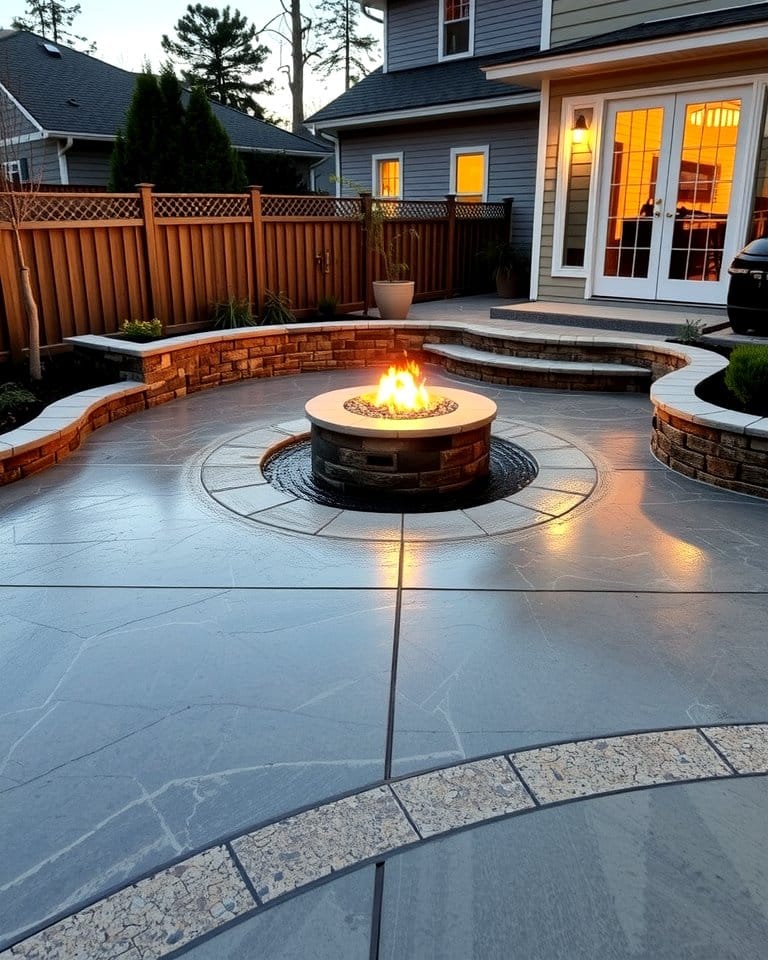
The variety of patterns available means you can match your home's style perfectly. From rustic stone looks to modern geometric designs, there's a stamp pattern to complement any architectural preference.
Fire Pit Placement Considerations
Where you place your fire pit within the stamped concrete area matters tremendously for both safety and aesthetics. The location affects everything from heat distribution to overall visual balance.
First, consider the prevailing wind direction in your area. Placing the fire pit so that smoke flows away from seating areas prevents discomfort and keeps the space usable during cooler months. A spot that faces the prevailing wind can make the entire experience more enjoyable.
Safety is paramount. The fire pit should be at least 10 feet away from any structures, trees, or flammable materials. This distance gives you breathing room and reduces potential hazards. You'll also want to ensure the area around the fire pit is level and stable.
Think about how people will move around the space. The fire pit shouldn't block pathways or force guests to navigate around it awkwardly. Consider creating a natural gathering zone that encourages conversation and interaction.
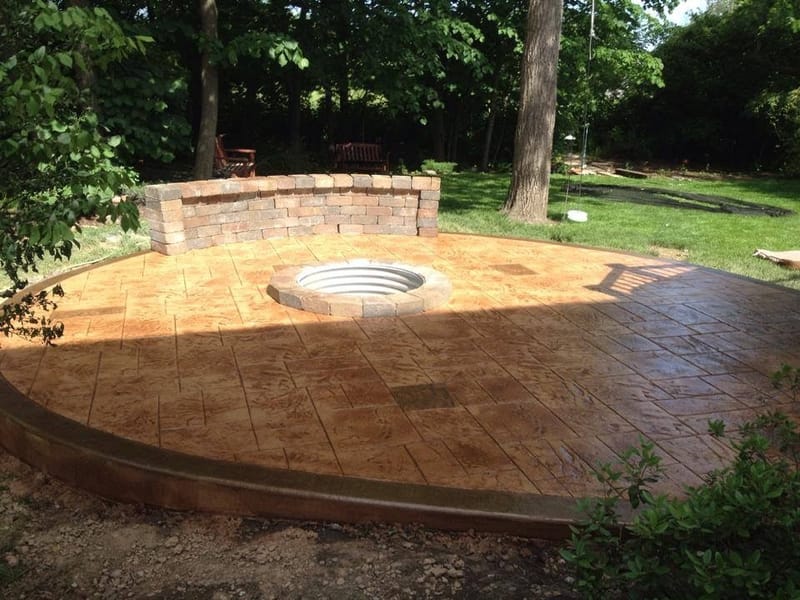
In terms of design integration, the fire pit should complement the overall look of your stamped concrete. If you have a Mediterranean-style stamp pattern, a traditional fire pit design works well. For contemporary spaces, sleeker, more minimalist fire pit options might be better choices.
Designing the Perfect Patio Layout
Creating a successful stamped concrete patio with fire pit requires careful planning and thoughtful consideration of how people will use the space. The layout determines whether your outdoor area feels welcoming or cramped.
Start with defining the primary functions of your space. Is it mainly for dining, relaxing, or entertaining? This purpose shapes the size and configuration of your fire pit area. A small fire pit works well for intimate conversations, while a larger one might be better for bigger gatherings.
Consider the relationship between different zones. You might want a cooking area, dining space, and lounging area all within the same stamped concrete surface. The fire pit acts as a natural focal point that connects these areas visually and functionally.
The dimensions matter too. A typical fire pit needs at least 3 feet of clearance around it for safety. If you're planning to add seating, factor in additional space for comfortable conversation areas. A 6-foot diameter fire pit with surrounding seating creates a good balance between intimacy and usability.
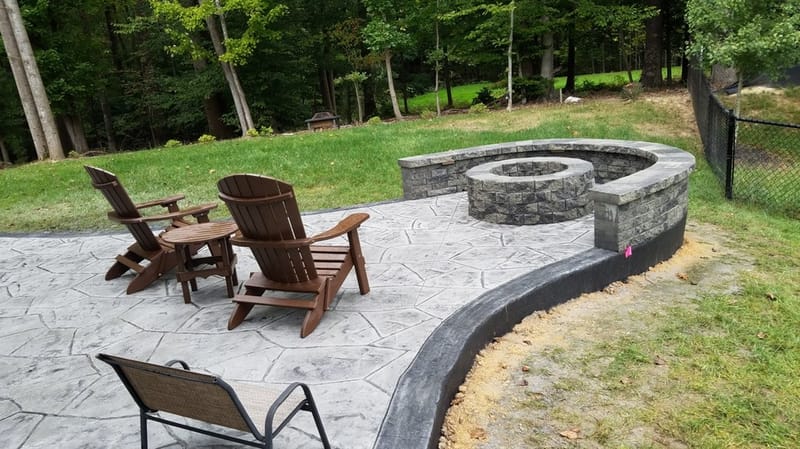
Think about lighting too. Strategic placement of lights can enhance the fire pit area and make it usable after dark. Consider low-profile LED strips along the edges of the concrete or accent lights focused on the fire pit itself.
Material Selection and Quality Factors
When choosing stamped concrete for your patio, several factors influence the final result and longevity. The quality of materials used directly impacts how well your project holds up over time.
Concrete mix composition is crucial. High-quality concrete with proper aggregates and cement ratios provides better strength and resistance to freeze-thaw cycles. Look for mixes designed specifically for outdoor applications, especially if you live in an area with harsh winters.
The stamping compound and coloring agents affect both appearance and durability. Professional-grade products offer better color consistency and resistance to fading. Some companies provide color charts that let you preview how different hues will look before committing.
Reinforcement materials also play a role. Steel rebar or fiber reinforcement helps prevent cracking and ensures structural integrity. This is particularly important for outdoor installations that face temperature fluctuations.
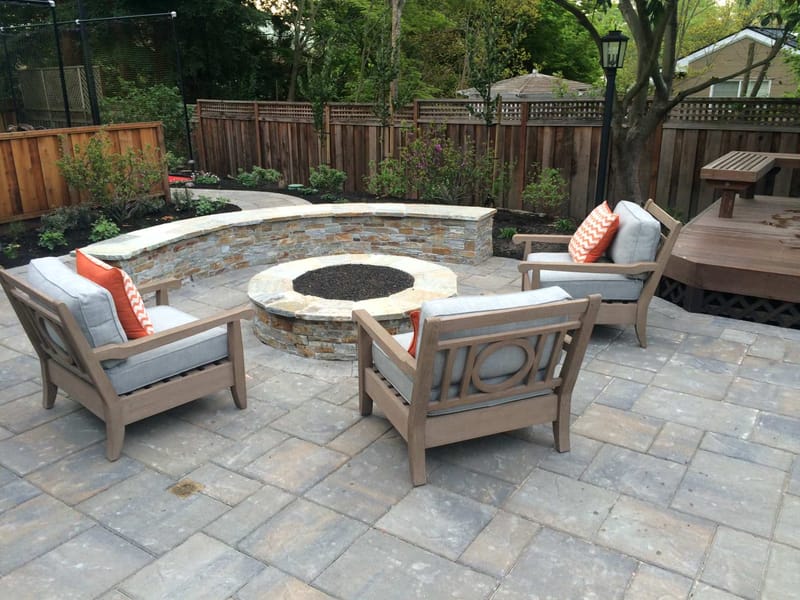
The finishing process matters significantly. Proper curing time allows the concrete to reach full strength. Rushing this step can lead to weak spots and premature deterioration. Quality installers typically recommend at least 28 days for full curing before heavy use.
Installation Process and Timeline
The installation process involves multiple steps that require patience and attention to detail. Rushing any phase can compromise the final result.
Ground preparation is the foundation of success. The area must be properly excavated and leveled. Any drainage issues need addressing before pouring concrete. Poor drainage can cause water pooling, leading to cracking and damage.
Formwork construction sets boundaries for your project. These wooden or metal frames hold the concrete in place until it cures. Precise measurements ensure clean edges and proper alignment with your design plans.
Pouring and stamping happen simultaneously for best results. The concrete must be placed while still workable enough to accept the stamps. Timing is critical because once the concrete sets, it's too late for stamping.
Related Posts

Unveiling the Timeless Charm of Black and White Striped Patio Um

Unpacking the Truth About Walking on Pool Covers Your Essential

Mastering the Art of the Perfect Pool Party Experience A Guest's Guide

Understanding the Pink Slime in Your Pool What It Is and How to Tackle It

Keeping Your Concrete Patio Happy and Safe Around the Fire Pit

Transforming Your Corner Lot A Masterclass in Curb Appeal
After stamping, a sealing product protects the surface from stains and weather damage. Multiple coats may be necessary depending on the sealant type and local climate conditions.
The timeline varies based on size and complexity. A basic patio might take 3-5 days, while larger or more intricate designs could take a week or more. Weather delays are common, so plan accordingly.
Maintenance and Longevity Tips
Once installed, your stamped concrete patio with fire pit requires regular maintenance to preserve its appearance and functionality. The good news is that with proper care, it can last for decades.
Regular cleaning prevents buildup of dirt, leaves, and other debris that can stain the surface. A simple sweep followed by a gentle wash with mild soap and water keeps the concrete looking fresh. Avoid using harsh chemicals that might damage the sealant or cause discoloration.
Sealant maintenance is essential. Most sealants last 3-5 years before needing reapplication. Check annually for signs of wear like faded colors or water absorption. Early detection makes repairs easier and more cost-effective.
Fire pit maintenance deserves special attention. Regular cleaning removes ash and debris that can accumulate. Some fire pits require annual inspection of gas lines or other components. Keeping the fire pit clean and well-maintained protects the surrounding concrete from damage.
Protective measures against extreme weather help extend life. Covering the patio during winter months can prevent freeze-thaw damage. In very hot climates, ensuring proper drainage prevents surface cracking from excessive moisture retention.
Seasonal checks provide early warning signs of potential problems. Look for cracks, loose pieces, or changes in color that might indicate deeper issues requiring professional attention.
Combining stamped concrete with a fire pit creates more than just a functional outdoor space - it builds a destination that brings families together and enhances property value. The key lies in thoughtful planning, quality materials, and proper execution. Whether you're designing a small backyard oasis or a large entertaining area, the principles remain the same. Start with clear goals, consider practical aspects like safety and accessibility, and choose materials that will stand the test of time.
The investment pays dividends in enjoyment and resale value. A well-designed stamped concrete patio with fire pit becomes a centerpiece that defines your outdoor lifestyle. It's a space where memories are made, conversations flourish, and the simple pleasure of gathering under the stars becomes possible. With proper planning and execution, this combination delivers both immediate satisfaction and lasting value that continues to improve your daily life for years to come.
