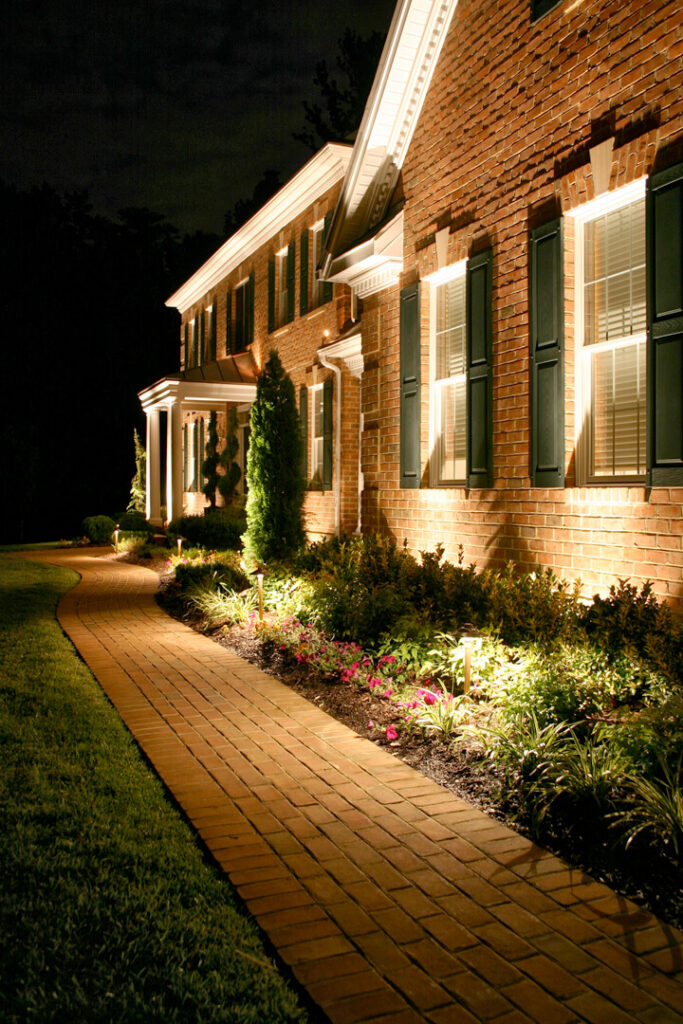
The front of your house is the first thing visitors see when they arrive. It's your home's welcoming embrace, and good lighting can make all the difference. Whether you're looking to boost security, highlight architectural features, or simply create a warm atmosphere, thoughtful landscape lighting can completely change how your property looks and feels. From subtle path lights to dramatic focal points, there are countless ways to illuminate your entrance while adding beauty and safety to your outdoor space.
Picture this: You're driving home late at night, and as you approach your house, warm, inviting light spills across your walkway, gently illuminating your front porch and highlighting the beautiful details of your architecture. That's the magic of great front yard lighting. It's not just about making things visible – it's about creating an experience. The right lighting scheme can transform a simple entryway into a stunning focal point. It tells visitors that you care about your home's appearance and that they're welcome to enjoy the space. This guide will walk you through everything you need to know about designing beautiful, functional lighting for your front of house.
Understanding the Basics of Front Yard Lighting
Before diving into specific ideas, it helps to understand some fundamental principles. Good front yard lighting works on multiple levels. There's ambient lighting for general illumination, task lighting for specific activities like walking, and accent lighting to highlight features. Think about how people move through your space – where do they walk, what areas do they need to see clearly, and what elements do you want to showcase? A well-planned lighting scheme considers both function and aesthetics. For example, path lights not only provide safety but also define your walkway. They should be positioned to avoid shadows and ensure even coverage. The height of fixtures matters too – taller fixtures work better for pathways, while shorter ones are ideal for accenting plants or architectural details. Consider using dimmer switches to adjust brightness throughout different times of day or seasons.
Pathway and Walkway Lighting Solutions
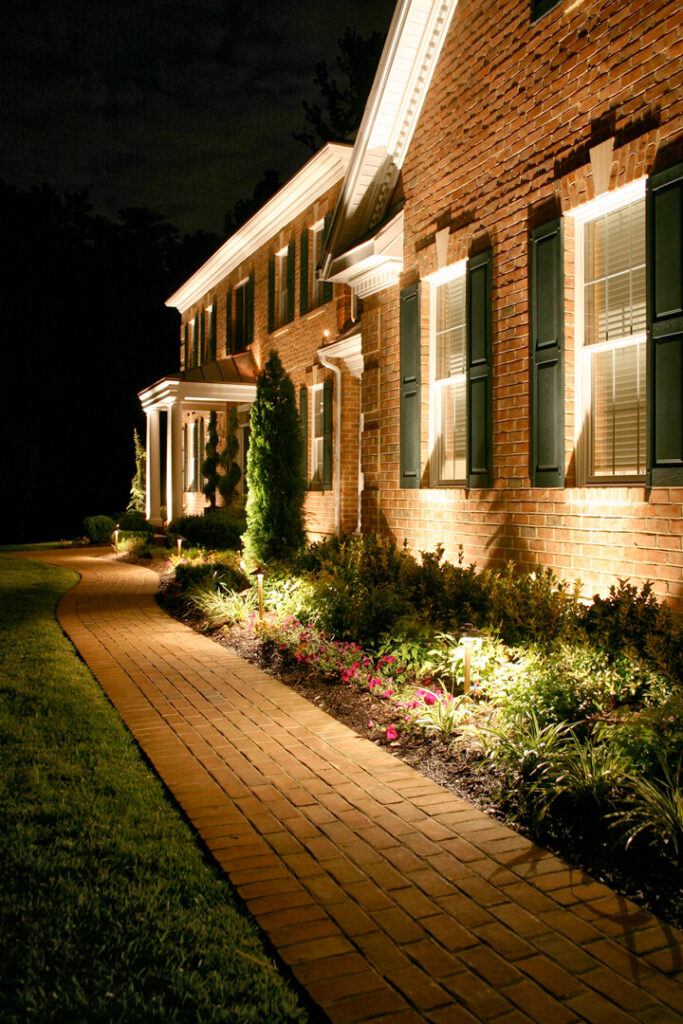
Your walkways are the most important areas to light properly. They need to be safe and easy to navigate, especially during evening hours. Here are some tried-and-true options:
Consider the width of your walkways when choosing spacing. Typically, lights should be placed every 6-8 feet for adequate coverage. For curved paths, you might want to place them closer together to maintain consistent illumination. The key is ensuring no dark spots where someone could trip or stumble.
Highlighting Architectural Features
Your home's architecture deserves special attention. Whether it's a beautiful front door, interesting siding, or distinctive windows, strategic lighting can make these elements stand out. Here's how to do it effectively:
Remember, the goal isn't to overwhelm with too much light. Instead, use lighting to create depth and draw the eye naturally to the most attractive features of your home.
Creating Ambiance and Atmosphere
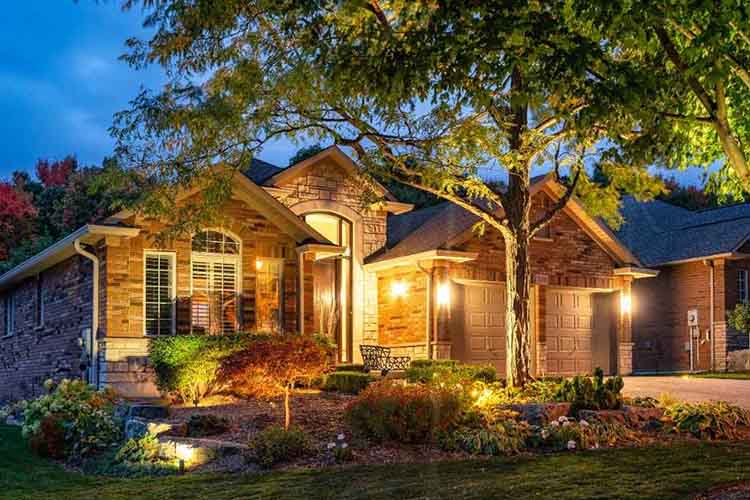
Beyond functionality, lighting creates mood and feeling. The right ambiance can turn a simple front entrance into a stunning statement. Here are ways to achieve different atmospheres:
Think about your home's personality and what kind of feeling you want to project. Do you want guests to feel immediately welcomed? Or perhaps you prefer a more sophisticated, elegant atmosphere? The lighting choices should reflect that vision.
Safety and Security Considerations
Good lighting is essential for safety and security. Proper illumination reduces the risk of accidents and makes your home less appealing to potential intruders. Here's what to focus on:
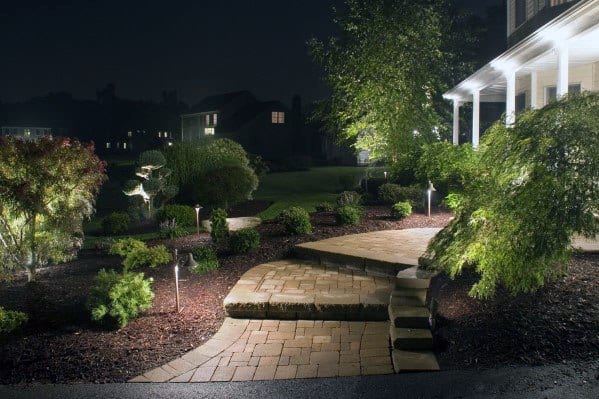
Security lighting doesn't have to be boring. Many modern fixtures combine security functions with aesthetic appeal. Look for options that blend seamlessly into your design rather than appearing like afterthoughts.
Practical Tips and Installation Advice
Now that you understand the concepts, let's talk about implementation. Here are some helpful tips to keep in mind:
Don't overlook the importance of color temperature and brightness levels. A light that looks perfect during installation might seem too harsh or too dim once it's actually in use. Test different settings and make adjustments based on real-world experience.
Popular Lighting Styles and Trends
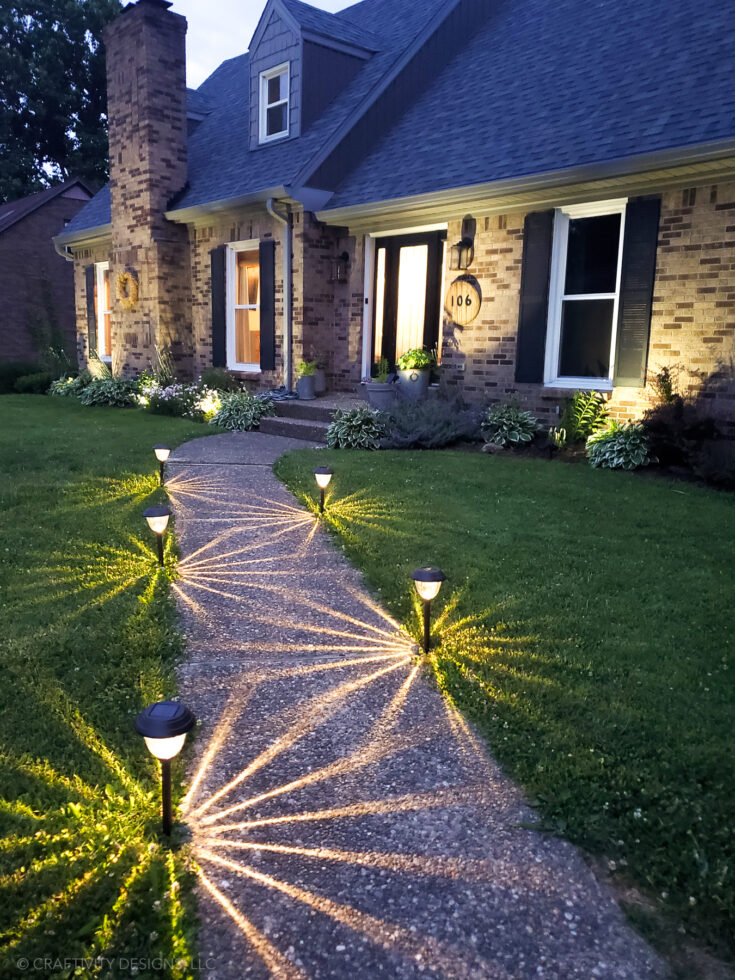
The landscape lighting industry continues to evolve with new technologies and design preferences. Here are some current trends that are popular:
These trends reflect changing consumer preferences toward sustainability, convenience, and aesthetic harmony. However, the most important factor remains choosing what works best for your specific property and lifestyle.
Budget-Friendly Options and DIY Approaches
You don't need to break the bank to create beautiful front yard lighting. Here are some cost-effective strategies:
Remember, the goal is to enhance your space, not to spend everything you have. Smart planning and phased implementation can deliver excellent results without financial strain.
Related Posts

Unveiling the Timeless Charm of Black and White Striped Patio Um

Unpacking the Truth About Walking on Pool Covers Your Essential

Mastering the Art of the Perfect Pool Party Experience A Guest's Guide

Understanding the Pink Slime in Your Pool What It Is and How to Tackle It

Keeping Your Concrete Patio Happy and Safe Around the Fire Pit

Transforming Your Corner Lot A Masterclass in Curb Appeal
Maintenance and Longevity Tips
Good lighting investments last longer when properly maintained. Here's how to keep your front yard lighting looking its best:
Proper maintenance not only keeps your lights working but also extends their lifespan, saving you money over time. It's also a chance to evaluate whether your lighting still meets your needs and make adjustments as necessary.
Final Thoughts on Front Yard Lighting
Creating beautiful front yard lighting is both an art and a science. It requires understanding of basic design principles, attention to safety considerations, and appreciation for how light affects mood and atmosphere. The right lighting plan can transform your home's appearance, increase property value, and create a welcoming environment for family and friends. Remember that good lighting works invisibly – it should enhance rather than compete with your home's natural beauty. Start with small improvements and gradually build up your lighting scheme. Don't rush the process; take time to consider how each element contributes to the overall effect. With thoughtful planning and execution, your front of house lighting can become one of the most appreciated features of your home.
Front yard lighting is more than just a practical necessity – it's a powerful tool for expressing your personal style and enhancing your home's curb appeal. From the subtle glow of pathway lights to the dramatic spotlight on your front door, every element plays a role in creating the perfect first impression. Whether you're starting from scratch or updating an existing setup, remember that the best lighting schemes are those that balance function with beauty. They should make your home safer and more welcoming while reflecting your unique personality. The investment in good front yard lighting pays dividends in both daily enjoyment and long-term property value. Take your time, experiment with different combinations, and trust your instincts. Your front of house deserves nothing less than exceptional lighting that makes every visitor feel truly welcome.
