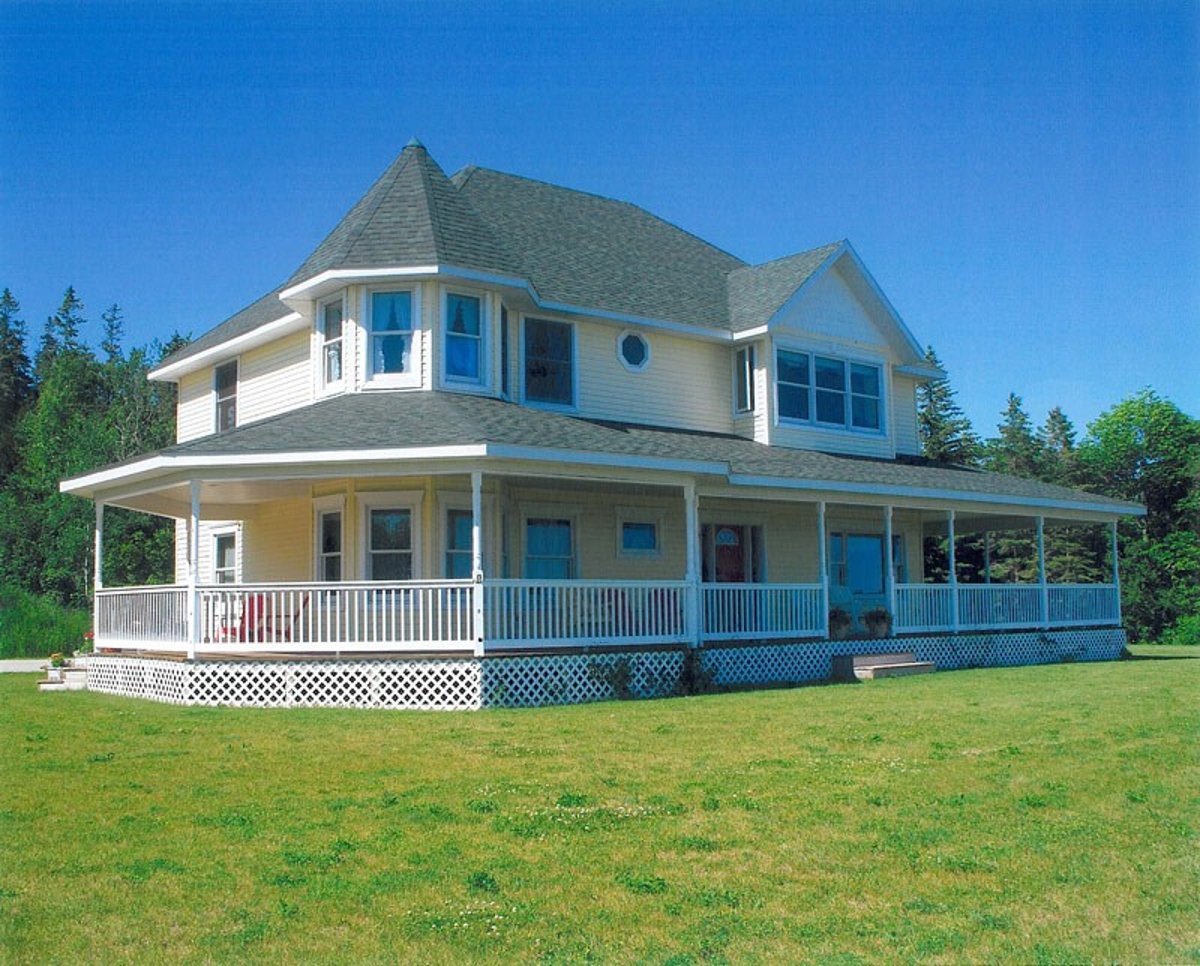
There's something magical about stepping onto a wrap-around porch that seems to welcome you with open arms. These sprawling verandas don't just offer shelter from the weather – they create a bridge between inside and outside, bringing the beauty of nature right into your living space. Whether you're watching morning mist rise over the fields or sipping lemonade during a summer storm, a wrap-around porch transforms how you experience your home.
Country houses have always held a special place in American hearts, embodying the ideals of comfort, simplicity, and connection to the land. Among their most beloved features are those expansive wrap-around porches that seem to grow organically from the main structure. These architectural elements have evolved over centuries, shaped by climate, culture, and the desire for outdoor living spaces. From the colonial-era homes of New England to the sprawling estates of the South, wrap-around porches have become synonymous with the very essence of country living.
Historical Roots of Porch Culture
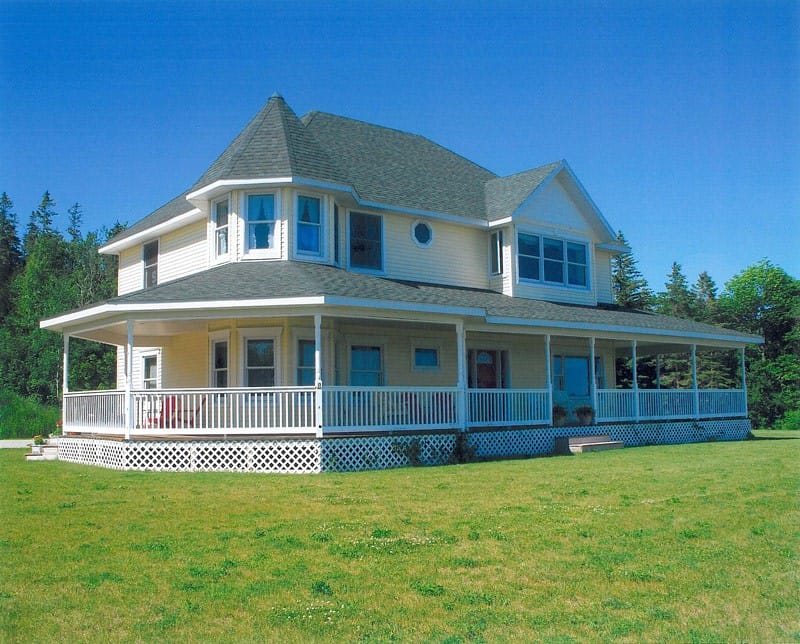
The tradition of extensive porching dates back centuries, with early settlers adapting European designs to American conditions. In the colonial period, porches served practical purposes beyond aesthetics – they provided relief from hot summers and protection from rain. The Federal style of the late 1700s introduced more elaborate porch designs, often featuring columns and decorative brackets. By the 1800s, the Victorian era brought even grander porches, complete with ornate woodwork and sweeping curves. These early porches weren't just decorative – they were social spaces where families gathered, neighbors met, and community bonds formed.
Climate-Inspired Design Philosophy
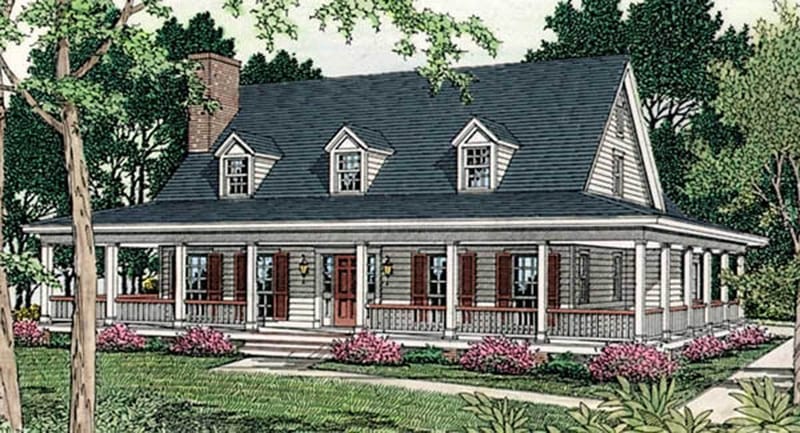
Wrap-around porches emerged as smart responses to regional climates. In hot, humid areas like the Southeast, these porches provided essential shade and cross-ventilation. The design allowed air to flow freely around the entire house, creating natural cooling. In cooler regions, porches became extensions of living space, offering protected outdoor areas during pleasant weather. The key insight was that a house should work with its environment rather than against it. This philosophy continues to influence modern sustainable architecture, where passive cooling and natural light are highly valued.
Architectural Elements and Construction
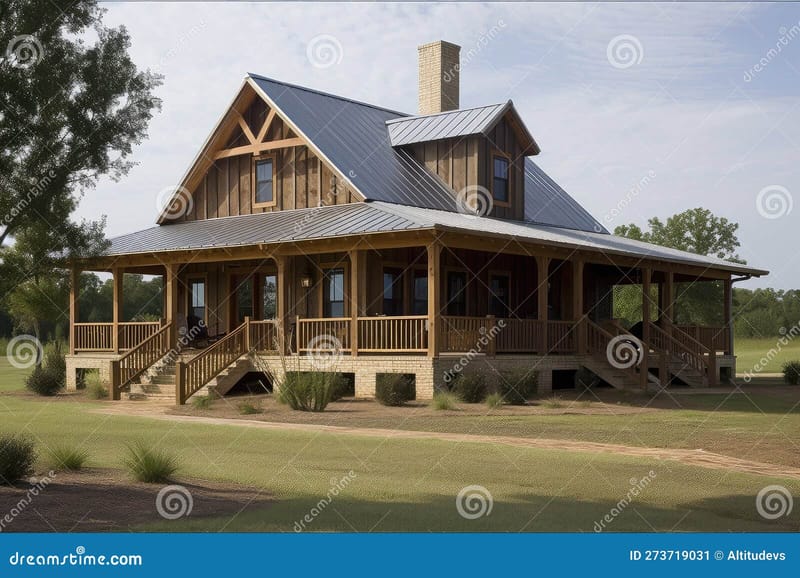
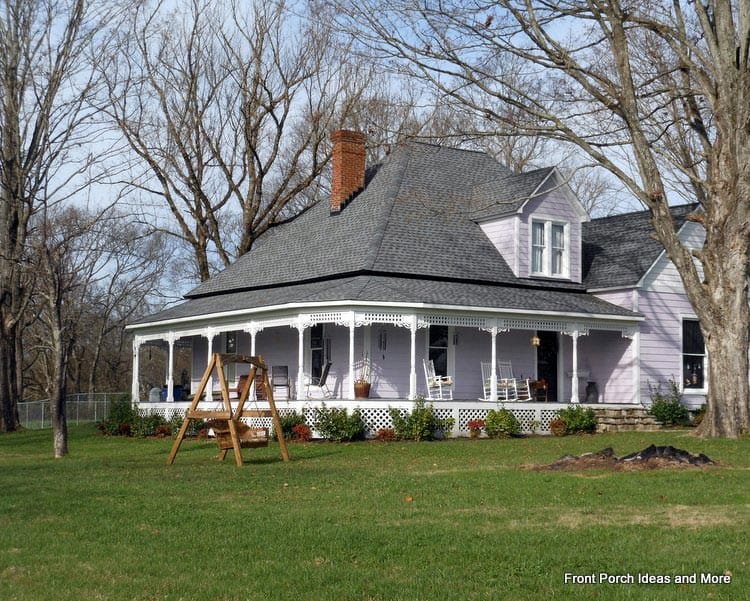
Building a wrap-around porch requires careful attention to structural integrity and design details. The foundation must support the additional weight while maintaining stability. Common materials include cedar, pine, and composite decking that can withstand various weather conditions. Support beams and columns are critical components, often designed to match the overall architectural style. The roof design typically includes eaves that provide additional shade and protection from precipitation. Many homeowners find that the craftsmanship involved in building a quality wrap-around porch creates a sense of pride and accomplishment that extends far beyond the physical structure itself.
Functional Benefits Beyond Aesthetics
Beyond their visual appeal, wrap-around porches offer numerous practical advantages. They create natural gathering spaces that encourage family interaction and community engagement. The extra square footage provides flexibility for entertaining guests or simply enjoying quiet moments outdoors. Many porches incorporate built-in seating, storage solutions, and lighting that enhance usability throughout different seasons. The extended living area can also increase property value significantly, as buyers often view porches as premium features that add both comfort and style to a home.
Related Posts

Unveiling the Timeless Charm of Black and White Striped Patio Um

Unpacking the Truth About Walking on Pool Covers Your Essential

Mastering the Art of the Perfect Pool Party Experience A Guest's Guide

Understanding the Pink Slime in Your Pool What It Is and How to Tackle It

Keeping Your Concrete Patio Happy and Safe Around the Fire Pit

Transforming Your Corner Lot A Masterclass in Curb Appeal
Modern Interpretations and Contemporary Trends
Today's wrap-around porches reflect both traditional sensibilities and modern innovations. Contemporary designers blend classic elements with updated materials like composite decking and LED lighting systems. Some homeowners opt for covered porches that provide protection from all weather conditions while maintaining the open-air feeling. Others choose to integrate outdoor kitchens, fire pits, and even full bathrooms onto their porch spaces. The trend toward multi-functional outdoor living areas means that today's porches often serve as extensions of indoor living spaces, blurring the lines between interior and exterior.
Maintenance and Longevity Considerations
Maintaining a wrap-around porch requires regular attention but offers substantial rewards. Regular cleaning, sealing, and inspection can extend the life of wood porches for decades. Modern materials like composite decking require less maintenance but may come with higher upfront costs. Weatherproofing is crucial – proper drainage prevents water damage, while adequate ventilation helps prevent rot and insect infestation. Many homeowners discover that investing in quality materials and professional installation pays dividends in reduced maintenance needs and increased property enjoyment.
The enduring popularity of country houses with wrap-around porches speaks to something fundamental about human nature – our deep connection to outdoor spaces and our desire for comfortable, welcoming environments. Whether you're considering adding a porch to your current home or planning a new build, understanding the rich history and practical benefits of these architectural features can guide your decisions. These porches aren't just about looking good – they're about creating spaces where memories are made, conversations flourish, and the simple pleasure of being outdoors becomes part of daily life. As we continue to value work-life balance and connection to nature, the wrap-around porch remains not just a design choice but a lifestyle statement.
