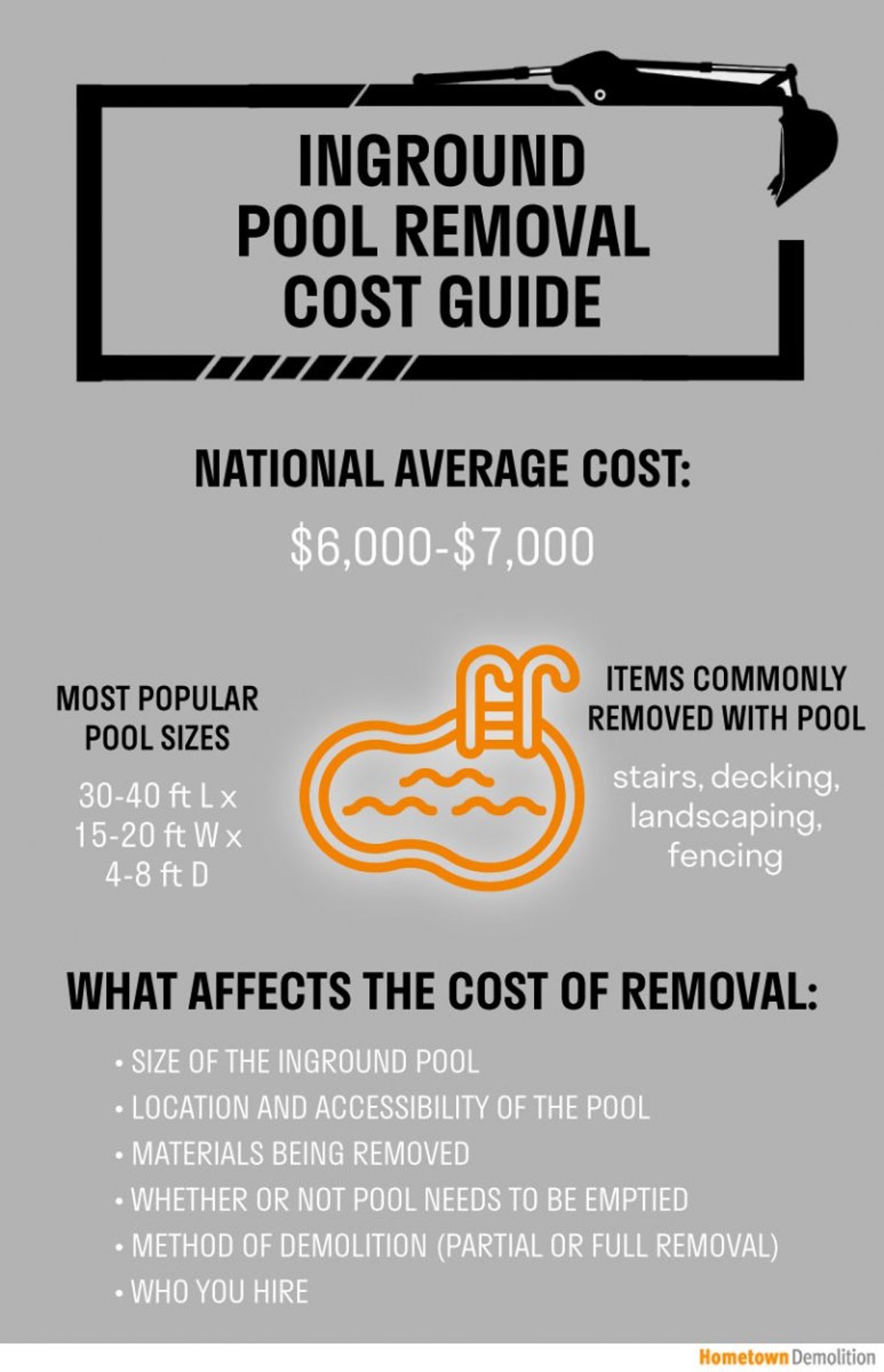
Pool removal isn't just about digging up concrete and draining water. It's a complex process that can cost anywhere from $3,000 to $15,000, depending on many factors. If you've been thinking about taking out your old pool, you're probably wondering how much it'll actually cost. Let's break it down.
Picture this: you've had that pool for years, maybe even decades. The tiles are cracked, the coping is worn, and maybe it's time to say goodbye. But before you start planning your next backyard project, you need to know what it costs to remove an inground swimming pool. It's not as simple as calling a contractor and having it done in a day. There are hidden costs, legal requirements, and physical challenges that can add up quickly. Whether you're dealing with an old concrete pool, a vinyl liner setup, or a fiberglass wonder, the removal process varies. Understanding these costs helps you plan properly and avoid nasty surprises when the bill arrives.
Understanding the Basic Removal Process
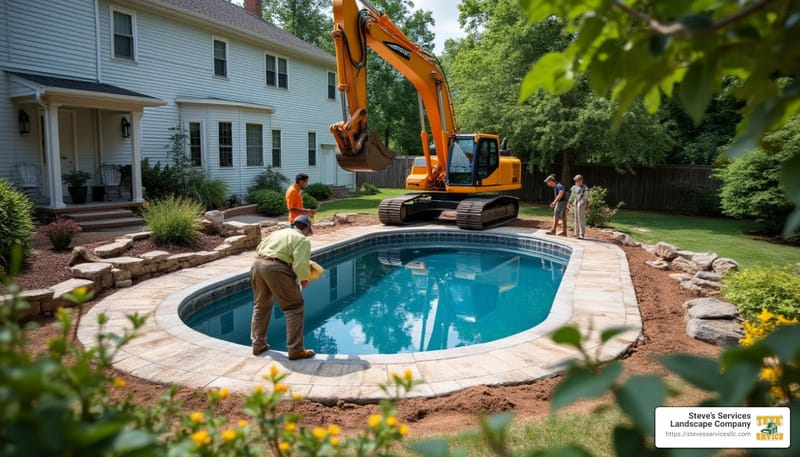
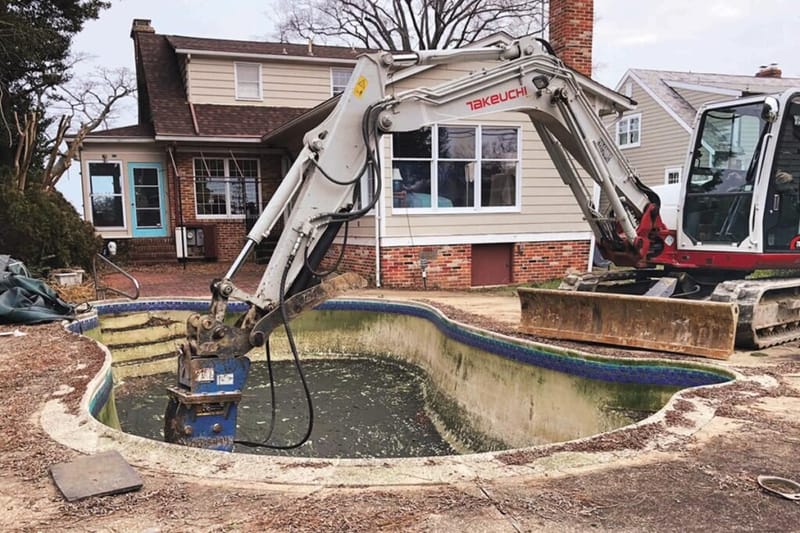
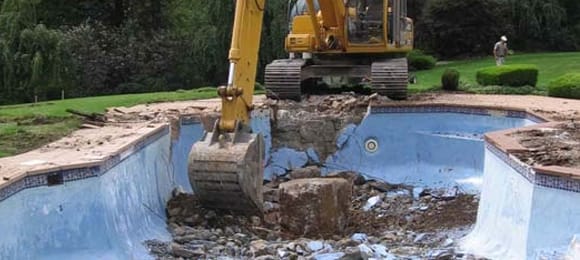
Removing an inground pool is like taking apart a puzzle that was never meant to be taken apart. First, they have to drain all the water. This isn't just about emptying the pool itself – there's also groundwater that needs to be addressed. Then comes the excavation phase. Depending on the pool type and size, contractors might need to dig around the entire structure. Concrete pools require heavy machinery, while vinyl-lined pools might have less structural integrity issues. The actual removal usually involves breaking up the concrete and lifting out sections. Sometimes, they have to cut the pool into pieces for easier transport. This whole process can take anywhere from a few days to over a week, depending on the complexity and weather conditions. The good news is that most contractors handle the entire job, from start to finish, which means you won't have to juggle multiple vendors.
Factors That Significantly Impact Costs
Several things can make or break your budget when it comes to pool removal. Size matters enormously. A small 12x24 foot pool will cost significantly less than a large 20x40 foot pool. The material composition plays a big role too. Concrete pools are typically more expensive to remove due to their weight and the amount of concrete that needs to be disposed of. Vinyl pools are lighter but may have additional complications with liners and plumbing. Location also affects pricing. Urban areas often charge more due to higher labor rates and limited space for equipment. Soil conditions can complicate matters if there's a lot of clay or rock underground. Weather can cause delays and extra charges, especially during rainy seasons. Finally, the condition of the pool impacts cost. An older pool with major damage might require more extensive work than one that's still structurally sound. All these variables mean that getting quotes from multiple contractors is essential.
Permits and Legal Requirements
Don't overlook the paperwork when planning your pool removal. Many cities require permits before any demolition work begins. These permits ensure that the removal follows local codes and environmental regulations. The permit application process can take several days to weeks, depending on your municipality. Some areas have restrictions on where concrete can be dumped, requiring special disposal sites. Others may require environmental assessments if there's any chance of contamination. These legal hurdles can add a few hundred dollars to your total cost. Plus, some cities charge inspection fees after the work is complete. It's always better to do your homework early and budget for these unexpected expenses. Even if you think you're just removing a small pool, it's worth checking with your local building department to understand what's required.

What You Can Expect to Pay Per Pool Type
Concrete pools are typically the most expensive to remove. On average, you can expect to pay between $5,000 and $12,000 for a standard concrete pool. The cost comes from the weight of the concrete and the amount that needs to be excavated. Vinyl-lined pools usually fall between $3,000 and $8,000. They're lighter but may require special handling for the liner and plumbing. Fiberglass pools tend to be somewhere in the middle, costing around $4,000 to $10,000. The exact price depends heavily on the pool's age, size, and condition. For example, a 16x32 foot fiberglass pool in good shape might cost less than a 20x40 foot concrete pool in poor condition. Some contractors offer package deals that include site preparation, debris removal, and backfilling, which can save money in the long run.
Related Posts

Unveiling the Timeless Charm of Black and White Striped Patio Um

Unpacking the Truth About Walking on Pool Covers Your Essential

Mastering the Art of the Perfect Pool Party Experience A Guest's Guide

Understanding the Pink Slime in Your Pool What It Is and How to Tackle It

Keeping Your Concrete Patio Happy and Safe Around the Fire Pit

Transforming Your Corner Lot A Masterclass in Curb Appeal
Hidden Expenses That Often Surprise Homeowners
Here's where things get tricky. Most people think they know what they're paying for, but there are several hidden costs that can surprise you. Groundwater management often catches homeowners off guard. If there's a lot of water around the pool area, it might need to be pumped out before work can begin. This can add several hundred to several thousand dollars to the final bill. Utility lines are another common issue. Before any digging starts, they must be identified and marked. If someone accidentally damages a gas line or electrical cable, the homeowner is responsible for repairs. Sometimes, there are underground storage tanks or septic systems that need to be moved or accounted for. These unexpected discoveries can increase costs dramatically. Additionally, some areas have strict rules about how pool debris can be disposed of, which might require special hauling services.
Tips for Saving Money on Pool Removal
There are ways to reduce the overall cost without sacrificing quality. Start by comparing quotes from at least three different companies. Be wary of the cheapest bid – it might be too good to be true. Look for contractors who provide detailed breakdowns of their costs. Ask about potential additional fees upfront. Some contractors charge extra for weekend work or emergency calls. Timing can also make a difference. Removing a pool during off-season months might save you money on labor costs. However, winter removal can sometimes be more expensive due to weather-related complications. Consider doing some research yourself – knowing what materials you have can help you negotiate better. Also, check if your insurance covers any part of the removal process. Finally, don't forget to ask about recycling options. Some companies can recycle concrete and other materials, which might reduce disposal costs.
Removing an inground swimming pool is far from a simple DIY project. It's a complex operation that involves numerous factors affecting the final price. From permits and legal requirements to hidden expenses and varying pool types, the cost can range widely. But understanding what goes into the price helps you prepare mentally and financially. Whether you're planning to remove a pool now or just curious about future costs, knowing the basics gives you confidence in making decisions. Remember, the cheapest option isn't always the best. Sometimes investing a bit more upfront saves you from costly surprises later. Take your time with the process, ask the right questions, and choose a reputable contractor who can give you a clear picture of what you'll pay. Pool removal might seem straightforward, but it's actually quite intricate. With proper planning and realistic expectations, you can navigate the process smoothly and move forward with your property plans.
