When you think about putting up a fence, PVC might come to mind. It's durable, low maintenance, and looks great for years. But how much does it actually cost to get it installed? We break down everything you need to know about PVC fence installation costs, from basic pricing to unexpected expenses that can surprise you.
Fencing is one of those home improvement projects that can either be a simple DIY job or a major undertaking requiring professional installation. PVC fences have gained popularity over the last few decades because they're virtually maintenance-free, weather-resistant, and available in many styles and colors. However, when it comes to getting a PVC fence installed, the total cost isn't always straightforward. Sure, you might see a price tag that seems reasonable online, but there are several factors that can significantly impact the final bill. Whether you're planning to install a fence around your property or just curious about the numbers, understanding what goes into the cost of PVC fence installation will save you from surprises later.
What You Pay for PVC Fence Installation
The cost of PVC fence installation breaks down into several components. First, there's the material itself - the actual fence panels or slats. Then you've got the posts, which hold everything up. The hardware used to connect pieces together, like brackets and screws, adds to the total. Finally, labor costs factor in heavily since professional installation usually requires someone with experience in handling PVC materials properly. Let's dig deeper into each of these elements.
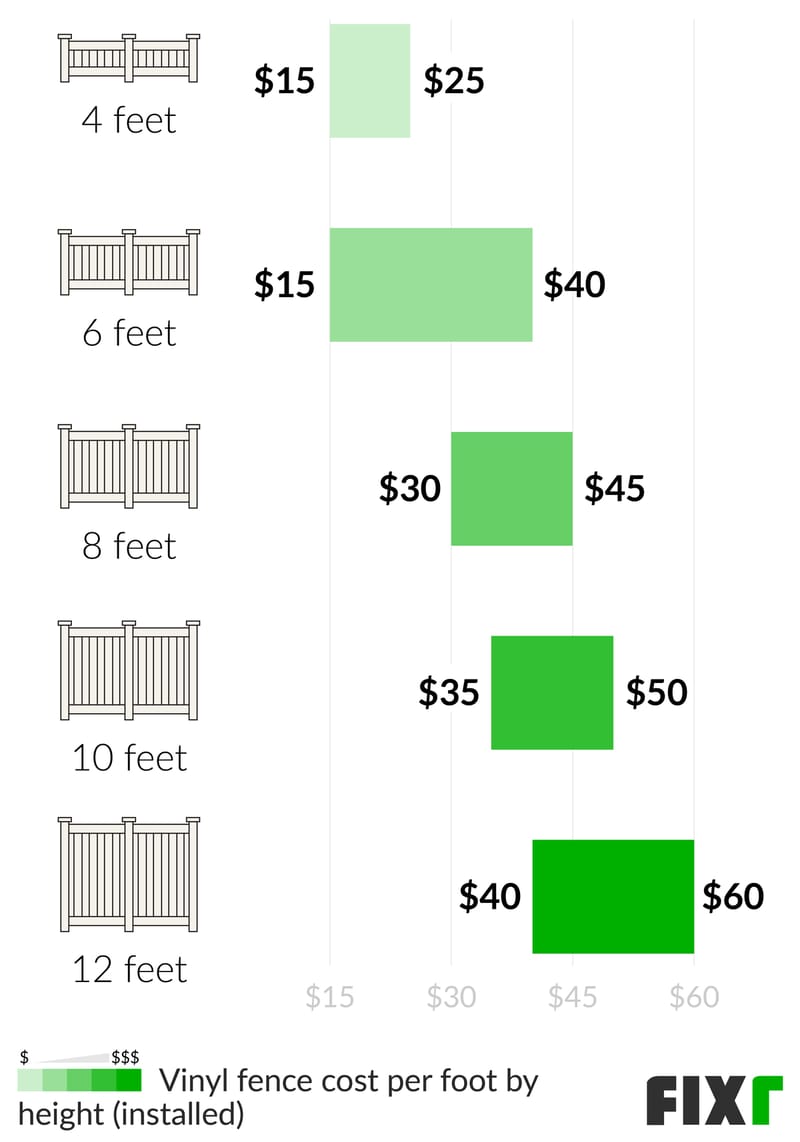
PVC fence panels range from $15 to $40 per linear foot depending on style, thickness, and brand. For example, a basic privacy fence panel might cost around $20 per foot, while premium options with decorative features can go up to $35 per foot. Posts typically cost between $8 and $15 each, and you'll need one post for every 6 feet of fence line plus extra for corners and gates. Hardware alone can add another $2 to $5 per foot, and don't forget about gate hardware if you're installing one.
Labor costs vary wildly based on your location, complexity of the project, and whether you're doing a simple straight-line fence or something more intricate. On average, expect to pay between $20 and $50 per linear foot for professional installation. That means a 50-foot fence could easily cost $1,000 to $2,500 just for labor.
Factors That Influence Total Costs
Several variables can dramatically change the price of your PVC fence installation. Here are some of the biggest influencers:
Hidden Expenses to Watch Out For
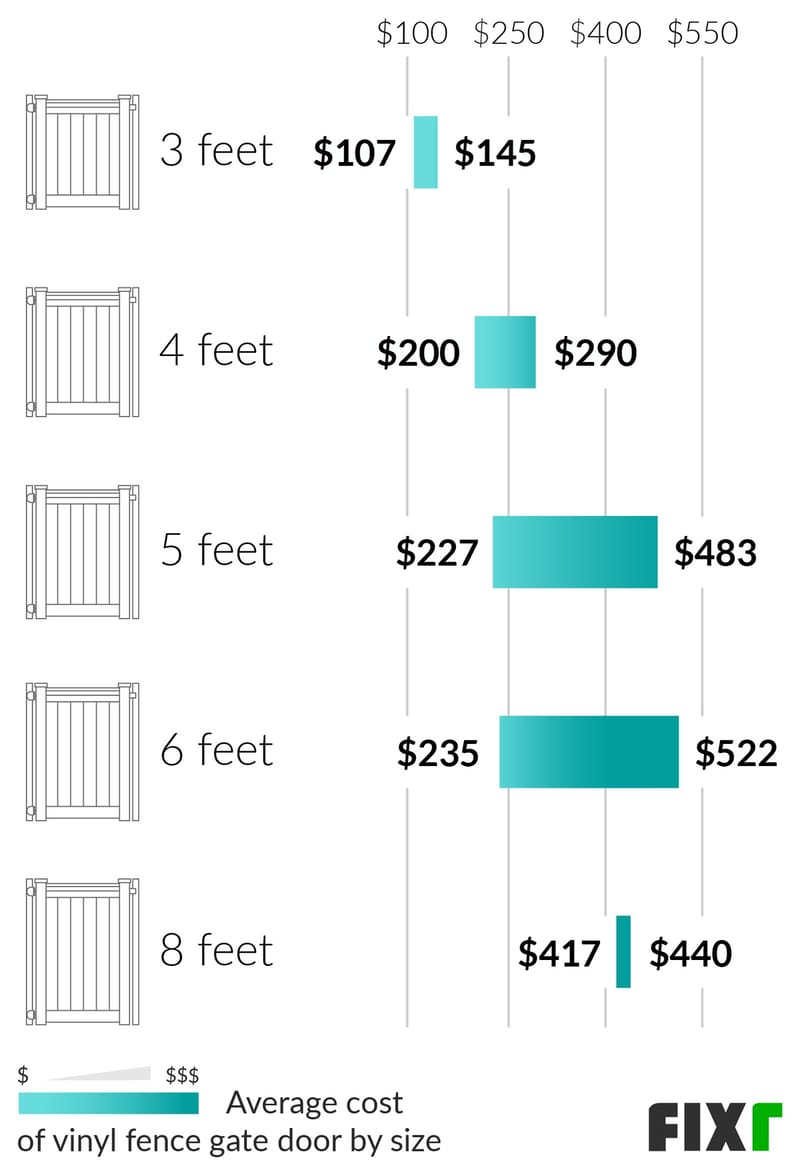
Many homeowners forget about the little things that can add up quickly. Here are some common hidden costs:
Comparing PVC to Other Materials
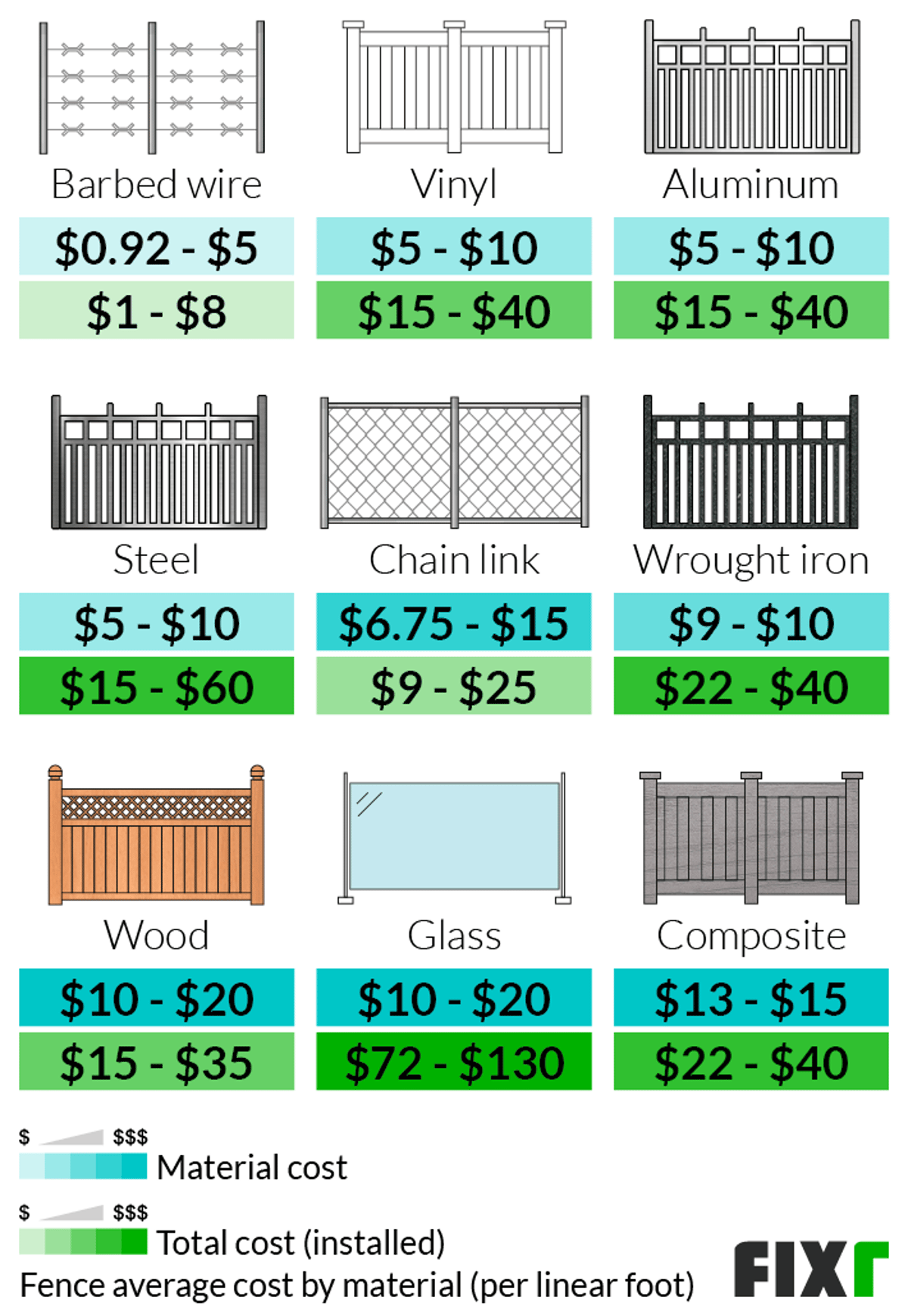
PVC isn't the only option out there, and comparing costs helps put things in perspective. Here's how PVC stacks up against other popular choices:
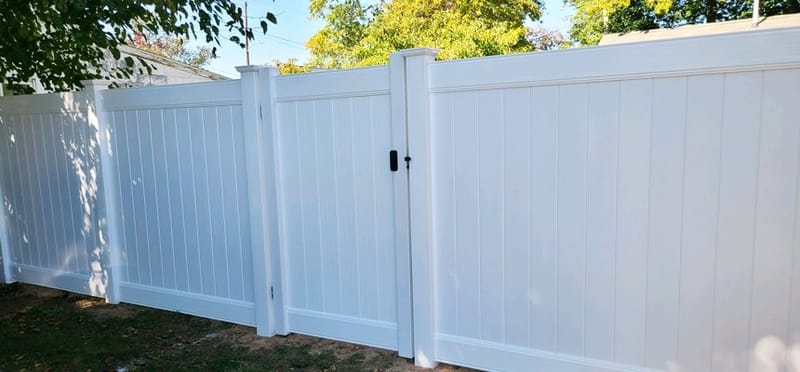
While PVC might seem pricier initially, its longevity and minimal upkeep often make it worth the investment.
Saving Money Without Sacrificing Quality
There are smart ways to reduce costs without compromising safety or aesthetics. Consider these strategies:
Related Posts

Unveiling the Timeless Charm of Black and White Striped Patio Um

Unpacking the Truth About Walking on Pool Covers Your Essential

Mastering the Art of the Perfect Pool Party Experience A Guest's Guide

Understanding the Pink Slime in Your Pool What It Is and How to Tackle It

Keeping Your Concrete Patio Happy and Safe Around the Fire Pit

Transforming Your Corner Lot A Masterclass in Curb Appeal
Making the Most of Your Investment
Once you've decided on PVC fencing, maximizing its value involves smart planning and understanding what you're paying for. Here's how to get the best return on your investment:
Installing a PVC fence can be a smart investment for your property, offering years of reliable service with minimal upkeep. Understanding the full cost breakdown helps you plan better and avoid unpleasant surprises. From initial material prices to hidden fees and ongoing maintenance, knowing what to expect makes the process smoother. Whether you're choosing between different materials or trying to save money, being informed gives you control over your budget and expectations. With careful planning and realistic pricing, a PVC fence can enhance your outdoor space beautifully while lasting for decades. The key is knowing what you're paying for and making decisions that fit your lifestyle and budget. So take your time, ask questions, and don't let the cost discourage you from getting the fence you want.
