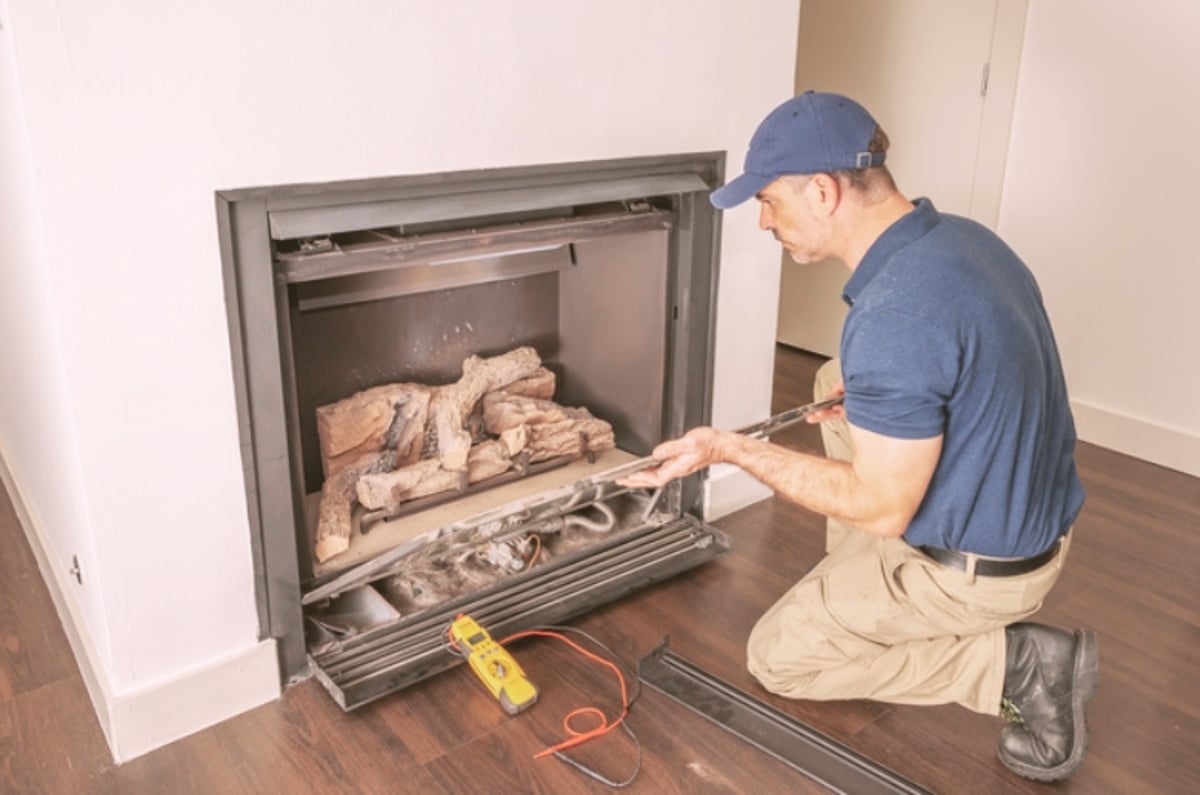
Picture this: You're sitting by your fireplace on a cold evening, watching the flames dance across the mantel. But instead of wood smoke filling the room, you have clean, efficient heat that's easy to control. That's exactly what converting your wood fireplace to electric can give you. This transformation isn't just about aesthetics—it's about safety, efficiency, and modern convenience.
Many homeowners find themselves at a crossroads when it comes to their traditional wood-burning fireplaces. These beautiful features often become more of a burden than a blessing over time. Smoke issues, maintenance headaches, and the constant need for wood can make even the most cherished fireplace feel like a chore. But what if there was a way to keep that cozy fireplace feeling while gaining all the benefits of modern electric heating? Enter the conversion process—a journey that can transform your entire home experience. Whether you're dealing with a chimney that needs repair, a fireplace that's too smoky, or simply want to reduce maintenance, converting to electric might be exactly what you've been searching for.
Why Consider the Conversion?
The decision to convert from wood to electric isn't one that should be taken lightly. There are several compelling reasons why homeowners choose this path. First and foremost is safety. Wood fireplaces pose serious risks including chimney fires, carbon monoxide buildup, and sparks that could ignite nearby materials. Electric models eliminate these dangers entirely. Plus, they offer consistent heat output without the unpredictable nature of wood burning.
Another major advantage is the reduction in maintenance. No more hauling wood, cleaning ashes, or worrying about chimney sweeping schedules. Electric fireplaces require minimal upkeep and can be operated with simple switches. They're also much more energy-efficient, allowing you to control exactly how much heat you want and when you want it.
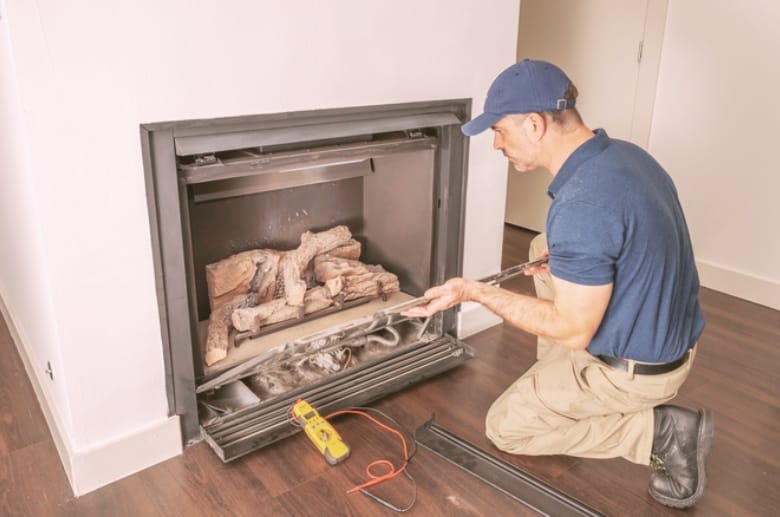
Consider also the environmental impact. While wood burning is often seen as renewable, it still produces particulate matter and emissions that affect air quality. Electric fireplaces produce no direct emissions, making them a better choice for those concerned about indoor air quality and environmental footprint.
Assessing Your Current Fireplace
Before diving into any conversion project, proper assessment is crucial. Start by examining your existing wood fireplace structure. Check the condition of the chimney, looking for cracks, damage, or signs of water infiltration. A damaged chimney isn't just a safety hazard—it can lead to expensive repairs if you decide to convert later.
Measure your fireplace opening carefully. You'll need these dimensions to select the right electric fireplace insert or unit. Take note of any unique features like built-in shelves, decorative elements, or special mantel designs that you'd like to preserve during the conversion.
Evaluate your electrical capacity. Electric fireplaces require dedicated circuits, typically needing between 15 and 20 amps. If your home's electrical system is outdated, you may need to upgrade before installation. A qualified electrician can help determine if your existing setup can handle the new load.
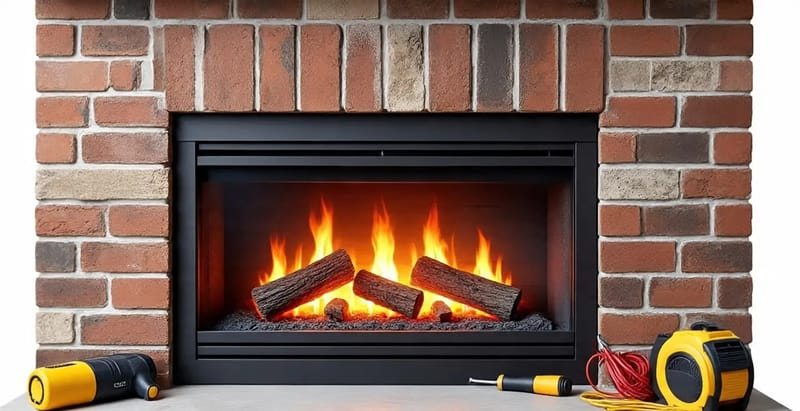
Don't forget to consider your home's overall heating needs. Is this fireplace primarily for ambiance, or do you rely on it for supplemental heating? This will influence whether you need a full electric fireplace insert or a simpler electric heater replacement.
Types of Electric Fireplace Options
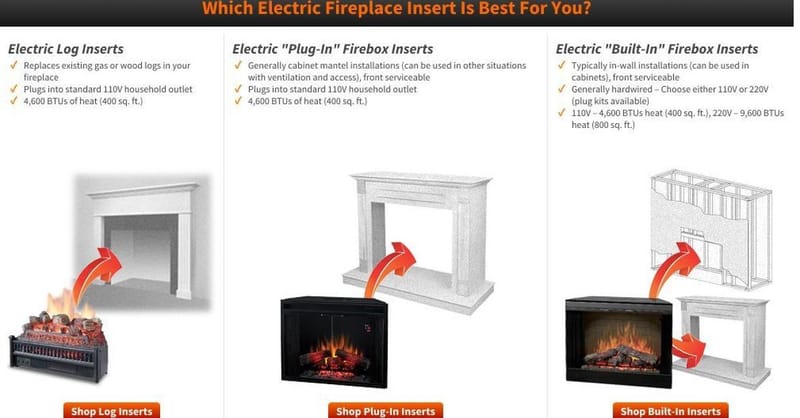
Modern technology has brought us a variety of electric fireplace options, each with its own advantages. Electric fireplace inserts are designed to fit directly into existing wood-burning fireplaces, preserving the original structure while adding electric functionality. These units often feature realistic flame effects and can provide significant heat output.
Freestanding electric fireplaces offer complete flexibility. They don't require installation in existing fireplaces and can be moved from room to room. These are ideal for renters or homeowners who want to add a fireplace feature without permanent modifications.
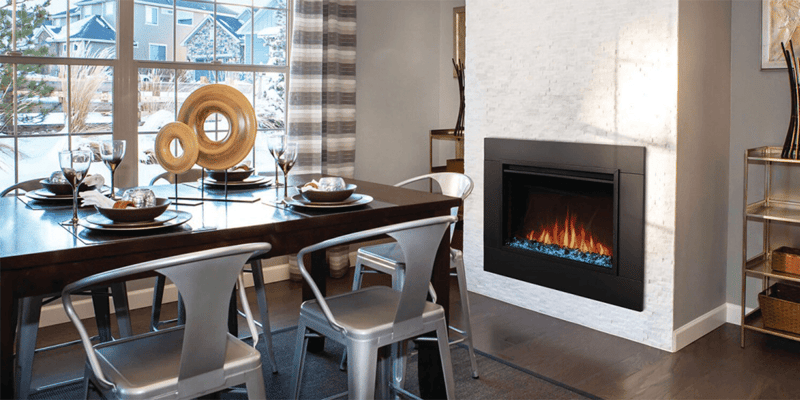
Wall-mounted electric fireplaces save floor space and can create a dramatic focal point on any wall. They're particularly popular in smaller spaces where traditional fireplaces might not fit well.
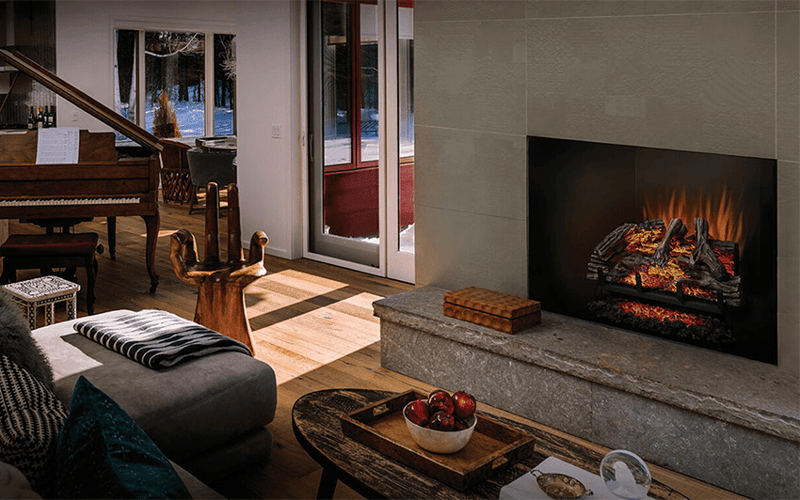
Each option comes with different features to consider. Look for units with realistic flame effects, adjustable heat settings, and safety features like automatic shut-off. Some even include remote controls and timer functions for added convenience. The key is matching the right type to your specific needs and space constraints.
Installation Process Overview
The actual conversion process involves several important steps that require careful attention to detail. First, you'll need to remove the existing wood-burning components. This includes the fireplace grate, damper, and any built-in accessories. Be prepared for some cleanup work as you remove debris and old materials.
Next comes the electrical work. This is where professional assistance becomes essential. Electricians will install new wiring, outlets, and ensure proper circuit protection. Some installations may require upgrading your home's electrical panel to accommodate the additional load.
Installing the electric fireplace unit itself requires precision. Follow manufacturer instructions carefully, ensuring proper ventilation and electrical connections. Many units come with detailed installation guides and mounting hardware.
Finally, you'll want to test everything thoroughly. Check that the unit operates correctly, the flame effects look realistic, and all safety features function properly. Don't skip this step—the peace of mind of knowing everything works correctly is worth the extra effort.
Safety Considerations and Compliance
Safety should always be your top priority during any conversion project. Electric fireplaces must meet specific safety standards and codes. Look for units that carry certifications from recognized testing organizations like UL or ETL. These marks ensure the product meets minimum safety requirements.
Proper installation is equally important. Improper wiring or installation can create serious hazards including electrical fires. Always hire qualified professionals for electrical work, especially when dealing with older homes that may have outdated electrical systems.
Consider fire safety measures beyond the unit itself. Ensure adequate clearance around the electric fireplace for safe operation. Most units require specific distances from walls, furniture, and other combustible materials. Check local building codes for specific requirements in your area.
Related Posts

Unveiling the Timeless Charm of Black and White Striped Patio Um

Unpacking the Truth About Walking on Pool Covers Your Essential

Mastering the Art of the Perfect Pool Party Experience A Guest's Guide

Understanding the Pink Slime in Your Pool What It Is and How to Tackle It

Keeping Your Concrete Patio Happy and Safe Around the Fire Pit

Transforming Your Corner Lot A Masterclass in Curb Appeal
Additionally, think about smoke detectors and carbon monoxide alarms. While electric fireplaces don't produce carbon monoxide, having these safety devices in place provides comprehensive protection for your family.
Cost Analysis and Budget Planning
Converting a wood fireplace to electric involves several costs that vary based on your specific situation. The main expense is typically the electric fireplace unit itself, ranging from $200 for basic models to $2,000+ for premium units with advanced features.
Labor costs for removal and installation can add significantly to the total. Professional installation usually costs between $300-$800, depending on complexity and location. Some homeowners attempt DIY installation, but this carries risks and may void warranties.
Additional expenses might include electrical upgrades, chimney repairs, or modifications to accommodate the new unit. These costs can range from $100 to $1,000 or more depending on the work required.
When calculating total costs, factor in ongoing electricity usage. Electric fireplaces consume about 1,500 watts on high setting, roughly equivalent to running a space heater. However, they're more efficient than wood burning because they don't lose heat up the chimney.
Consider the long-term savings as well. Reduced maintenance costs, lower utility bills, and decreased fire risk can offset initial investment over time. Many homeowners find that the convenience and safety benefits justify the upfront costs.
Converting from wood to electric fireplace represents more than just a simple upgrade—it's a thoughtful investment in your home's future. The journey from smoky, labor-intensive fireplaces to clean, efficient electric alternatives offers tangible benefits that extend far beyond simple heating. You gain peace of mind through improved safety, reduced maintenance, and better control over your home's comfort.
Whether you're motivated by safety concerns, environmental considerations, or simply the desire for a more convenient heating solution, the conversion process opens doors to modern fireplace enjoyment. With proper planning, professional assistance when needed, and careful consideration of your specific requirements, this transformation can enhance your living space while providing reliable, clean heat for years to come.
Remember that every home is unique, and what works for one person may not suit another. Take time to assess your needs carefully, research your options thoroughly, and don't hesitate to consult with professionals who can guide you through the process. The result is often a fireplace that combines timeless appeal with contemporary functionality—a perfect blend of past and present.
