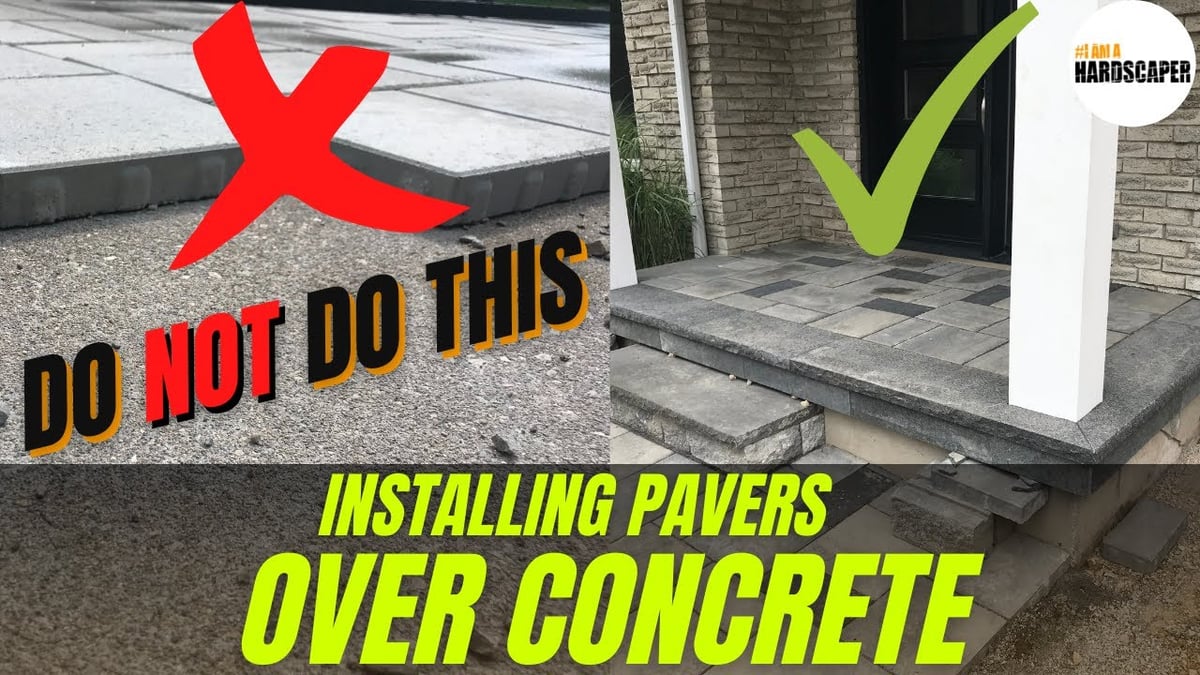
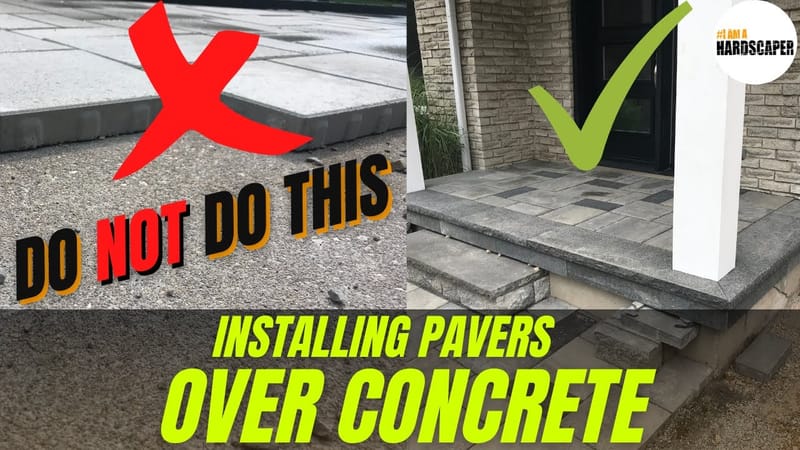
Have you ever looked at a beautiful patio or walkway and wondered if you could add pavers to your existing concrete surface? This question pops up more often than you might think. The short answer is yes, but it's not always straightforward. Whether you're trying to refresh an old concrete driveway or want to add some style to your backyard, understanding how to properly install pavers over concrete can save you money and time.
Picture this: you've got a worn-out concrete patio that needs some love. Instead of tearing it all up and starting over, you consider laying down new pavers on top. It seems like a smart move, right? But before you grab your tools and start digging, there are several important factors to consider. The good news is that with proper planning and execution, installing pavers directly on concrete is definitely possible. However, it's not just about stacking stones on top of each other. There are crucial steps, materials, and considerations that make or break the project.
Understanding Concrete Surface Conditions
Before diving into paver installation, you must first evaluate your existing concrete. Is it solid and stable, or does it have cracks, crumbling edges, or signs of water damage? A healthy concrete base is essential for success. If your concrete is in rough shape, it might be better to remove it entirely and start fresh. But if it's in decent condition, you're in luck. The surface should be clean, dry, and free of debris. Any loose material, oil, or grease needs to be removed. Even small cracks can cause problems later when pavers settle. Think of it like putting a blanket over a bumpy bed - it won't look right. Concrete must be flat and firm enough to support the weight of pavers and foot traffic.
Preparation Essentials for Success
Proper prep work makes all the difference. Start by cleaning the concrete thoroughly using a pressure washer or scrub brush. Remove any moss, algae, or buildup that might prevent proper adhesion. Next, check for any cracks or uneven spots. Fill hairline cracks with concrete crack filler or polyurethane sealant. For larger gaps, consider using a concrete patching compound. The surface should be completely dry before proceeding. This might take a few days depending on weather conditions. Some experts recommend using a moisture meter to ensure the concrete isn't too damp. A wet surface can cause issues with adhesives and lead to premature failure. Don't skip this step - it's the foundation of your entire project.
Choosing the Right Paver Type
Not all pavers are created equal, especially when installing over concrete. You'll want to select pavers that are designed for overlay applications. These typically come in thinner profiles, usually between 1 and 2 inches thick. Thicker pavers might be too heavy for some concrete surfaces and could cause settling issues. Consider the material type too - concrete pavers, natural stone, brick, or clay tiles each have their own characteristics. Concrete pavers tend to be the most popular choice because they're affordable and available in many styles. They also work well with concrete substrates since they're similar materials. Natural stone pavers offer beauty but require more careful handling. Check manufacturer specifications to ensure compatibility with concrete surfaces.

The Installation Process Explained
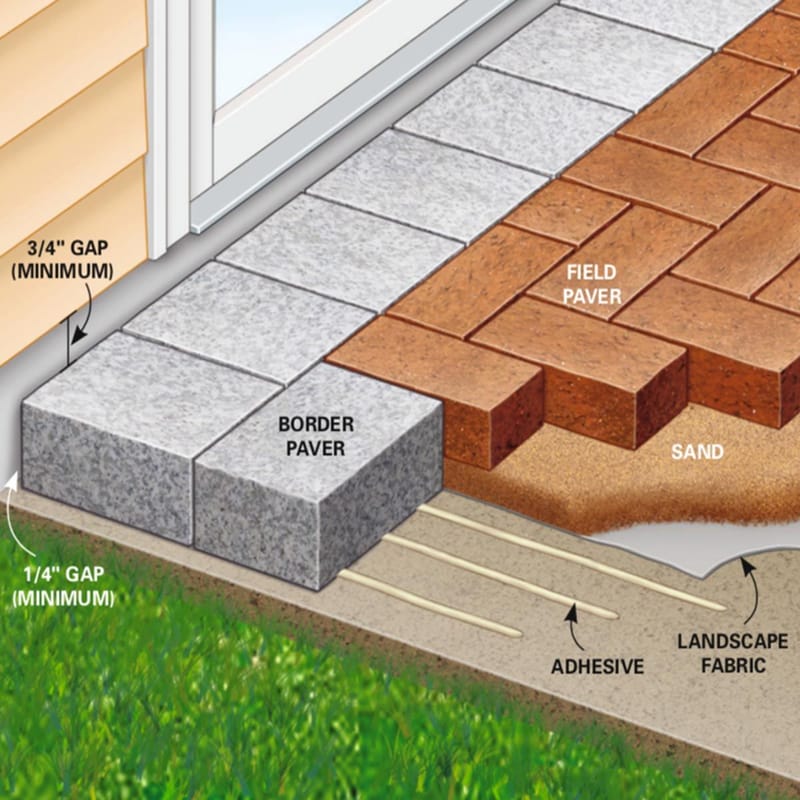
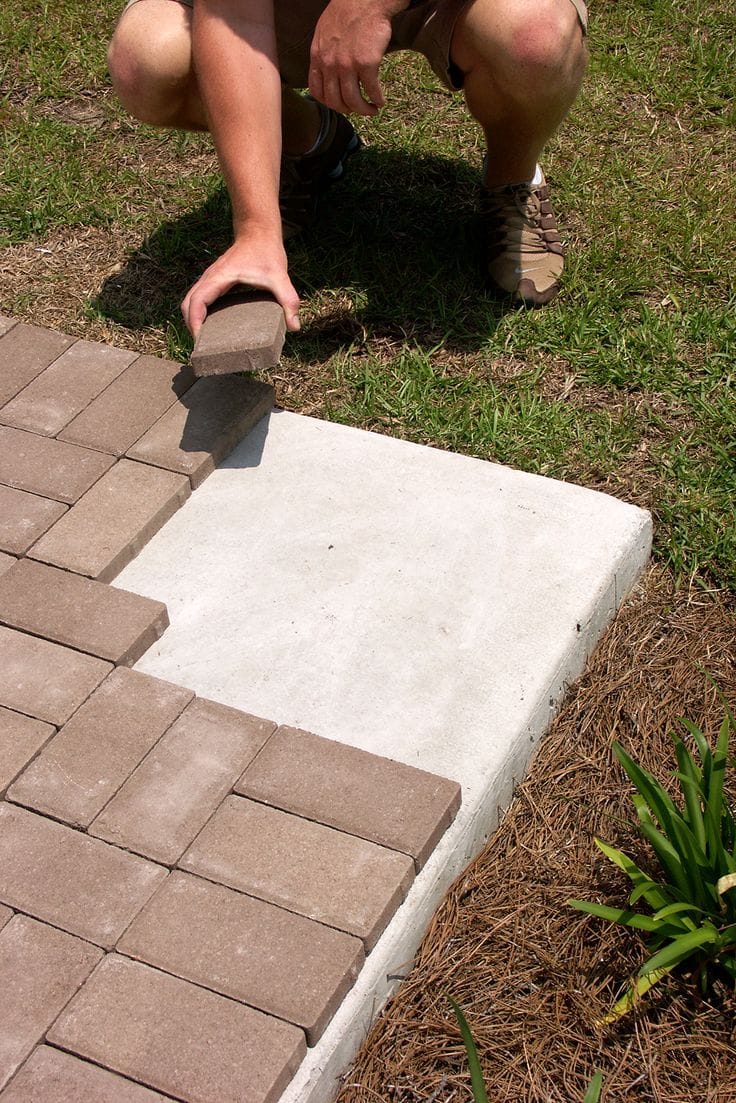
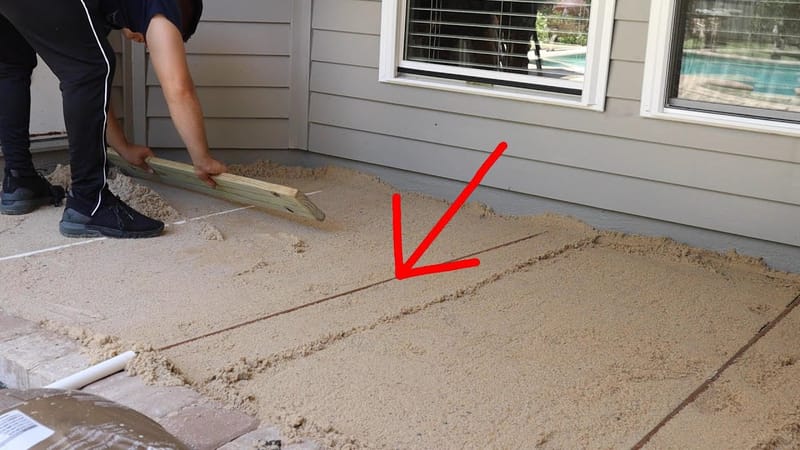
Once your concrete is ready, it's time to lay out your pavers. Start by creating a layout plan on paper or using a digital app. Measure carefully and account for expansion joints every 10 feet or so. Lay out the pavers in a dry run first to visualize the final result. Once satisfied, begin installation with a thin layer of sand - about 1 inch thick. This acts as a leveling agent and provides a smooth base. Work systematically, placing one row at a time. Tap each paver gently with a rubber mallet to ensure even contact with the concrete underneath. Use a level to check that everything remains flat and level. The key is patience - rushing through this process leads to problems later.
Related Posts

Unveiling the Timeless Charm of Black and White Striped Patio Um

Unpacking the Truth About Walking on Pool Covers Your Essential

Mastering the Art of the Perfect Pool Party Experience A Guest's Guide

Understanding the Pink Slime in Your Pool What It Is and How to Tackle It

Keeping Your Concrete Patio Happy and Safe Around the Fire Pit

Transforming Your Corner Lot A Masterclass in Curb Appeal
Important Considerations and Limitations
While placing pavers over concrete works in many situations, there are important limitations to keep in mind. First, the concrete must be structurally sound. If it's cracked or damaged beyond repair, removal and replacement may be necessary. Second, drainage becomes critical. Water pooling on top of pavers can cause problems, so ensure proper slope away from buildings. Third, consider future maintenance - access to underlying concrete for repairs will be limited. Also, the concrete surface should be relatively flat. Any significant unevenness will show through the pavers. Some homeowners find that adding a layer of sand helps with minor irregularities, but major issues require attention before paver installation.
Cost-Benefit Analysis and Timeline
Installing pavers over concrete is generally much cheaper than removing existing concrete and starting fresh. Labor costs alone can be half or less compared to full demolition projects. Materials are also more economical since you're not buying new concrete. Time-wise, expect this project to take anywhere from a weekend to a couple of weeks, depending on size and complexity. Factors affecting timeline include concrete preparation, paver selection, and weather conditions. In some cases, you might need to wait for proper drying conditions. Remember, rushing can lead to costly mistakes that require rework. Quality work takes time, but it pays off in longevity and appearance.
Placing pavers over concrete is definitely doable, but it requires careful thought and preparation. The key lies in assessing your existing surface, choosing appropriate materials, and following proper installation techniques. While it's not suitable for every situation, it offers a cost-effective way to refresh outdoor spaces without major demolition. Whether you're updating a driveway, patio, or walkway, taking the time to do it right ensures years of enjoyment. Don't let a simple project become a headache - invest in proper preparation and you'll be rewarded with a beautiful, functional space that stands the test of time. The satisfaction of seeing your transformed outdoor area is worth every moment of effort.
