
Picture this: You're ready for a refreshing swim, but instead of crystal-clear water, you see a cloudy film covering the pool's bottom. This isn't just a cosmetic issue – it's calcium deposits wreaking havoc on your pool's health and appearance. These white, chalky formations aren't just unsightly; they can indicate deeper problems with water chemistry and maintenance routines.
Pool owners across the country have faced the frustrating reality of calcium deposits forming on their pool's bottom surfaces. Whether you've noticed white streaks, cloudy water, or a filmy texture underfoot, these deposits are more common than many realize. They don't just mar the visual appeal of your swimming space – they can also signal imbalances in your pool's chemical environment. Understanding what causes these formations and how to address them effectively can save you time, money, and countless hours of frustration.
What Exactly Are Calcium Deposits?
Calcium deposits are mineral buildups that form when calcium carbonate crystals precipitate out of pool water. Think of it like a slow-motion rock formation happening right in your backyard. These deposits appear as white, powdery substances or hard, crusty layers that cling to pool surfaces. The minerals involved primarily include calcium, magnesium, and sometimes iron or other trace elements. When water evaporates or becomes supersaturated with these minerals, they crystallize and form visible deposits. This process is accelerated in areas with high mineral content in the water source or poor circulation patterns.

Why Calcium Deposits Form in Pools
Several factors contribute to calcium buildup in swimming pools:
When pool water becomes too alkaline or contains excessive dissolved minerals, the conditions become ideal for crystal formation. It's similar to how a sugar cube dissolves in hot tea – except in reverse, where the minerals crystallize rather than dissolve. The key is maintaining proper balance before these deposits become problematic.
Common Signs and Symptoms

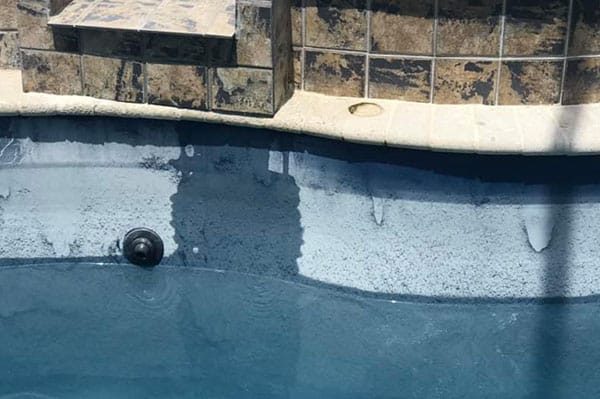
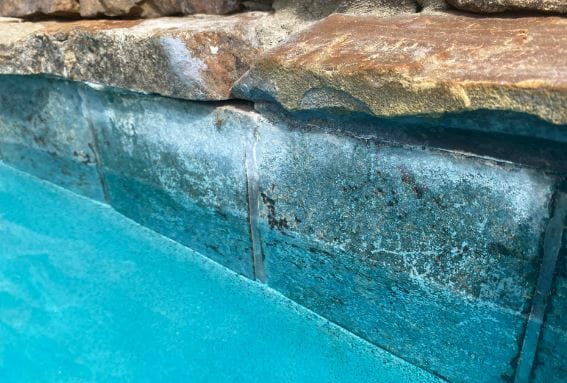
Recognizing calcium deposits early can save you from major cleaning headaches later. Here's what to look for:
These signs often appear gradually, which means they can catch pool owners off guard. Many people mistake the white film for algae or simply chalky residue, but understanding the difference is crucial for proper treatment. Early detection makes removal much easier and less expensive.
Prevention Strategies That Actually Work
Prevention is always better than cure, especially when dealing with calcium deposits. Here are proven methods to keep them at bay:
Think of it like maintaining a car – regular tune-ups prevent major breakdowns. Most pool professionals recommend testing water chemistry at least twice weekly, especially during peak swimming seasons. Proper prevention requires attention to detail and consistency in routine maintenance.
Effective Removal Techniques
When calcium deposits do appear, there are several approaches to tackle them:
Manual removal works best for light deposits, while heavy buildup may require professional intervention. Always wear protective gear when handling chemicals, and never mix different pool chemicals together. The key is choosing the right method based on deposit severity and your comfort level with chemical handling.
Professional vs. DIY Approaches
Deciding between tackling calcium deposits yourself or hiring a professional depends on several factors:
DIY removal works well for minor issues and preventive maintenance. However, major calcium buildup, especially in concrete pools, often requires professional treatment. Professionals have access to stronger chemicals and equipment that can safely and effectively remove heavy deposits. They also understand the underlying causes and can provide recommendations to prevent future occurrences.
Long-Term Maintenance Tips
Related Posts

Unveiling the Timeless Charm of Black and White Striped Patio Um

Unpacking the Truth About Walking on Pool Covers Your Essential

Mastering the Art of the Perfect Pool Party Experience A Guest's Guide

Understanding the Pink Slime in Your Pool What It Is and How to Tackle It

Keeping Your Concrete Patio Happy and Safe Around the Fire Pit

Transforming Your Corner Lot A Masterclass in Curb Appeal
Sustaining a pool free from calcium deposits requires ongoing commitment:
Many pool owners find success in creating simple checklists or using smartphone apps to track their maintenance schedules. Consistency matters more than perfection – a slightly irregular routine is better than no routine at all. Remember, healthy pools are happy pools, and happy pools are those that receive consistent care.
When to Seek Professional Help
Certain situations warrant immediate professional attention:
A qualified pool service provider can diagnose root causes and implement comprehensive solutions. They understand the complex interactions between different water parameters and can develop tailored strategies for your specific situation. Professional help is particularly important when dealing with older pools or those with existing structural issues.
Calcium deposits on pool bottoms represent more than just aesthetic challenges – they're indicators of water chemistry imbalances that deserve attention. By understanding their formation, recognizing early warning signs, and implementing proper prevention strategies, pool owners can maintain clean, safe, and enjoyable swimming environments. While some minor issues can be managed independently, serious cases often benefit from professional expertise. The key is staying proactive rather than reactive. Remember that a little regular maintenance goes a long way toward preventing big problems down the road. Your pool deserves consistent care, and with the right approach, you can keep those calcium deposits at bay for years to come.
