
Picture this: You're ready for a refreshing swim, but instead of clear blue water, you see a white, chalky layer covering your pool's bottom. That's calcium buildup, and it's more common than you might think. This isn't just an aesthetic issue – it can affect your pool's performance and safety.
Calcium deposits on the bottom of swimming pools are one of those problems that seem small at first glance but can quickly become major headaches. These white, crusty formations aren't just unsightly – they can indicate underlying issues with your pool's chemistry and maintenance routine. Whether you've just noticed some strange white spots or your pool has been showing signs for months, understanding what's happening beneath the surface is crucial. Think of it like a health check-up for your pool – calcium deposits often serve as warning signs that something needs attention.
What Causes Calcium Deposits?

The main culprit behind calcium buildup is simple – high levels of dissolved calcium in your pool water. When water evaporates, it leaves behind minerals including calcium, magnesium, and other substances. Over time, these minerals crystallize and form deposits on surfaces. Several factors contribute to this problem:
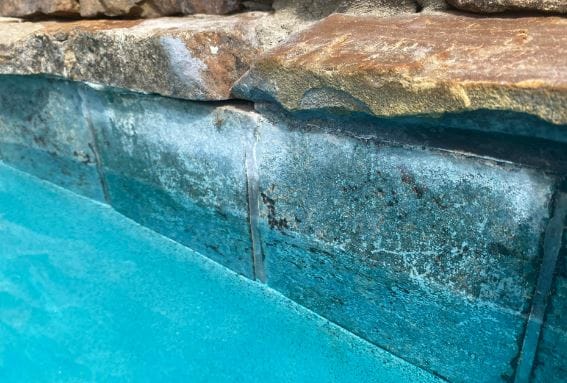
It's worth noting that calcium deposits usually appear first on pool bottoms, steps, and walls. They look like white powder, scale, or even small crystals. If you've ever seen those white streaks on a pool deck after rain, you've seen similar mineral buildup in action.
Signs You Have a Calcium Problem

Spotting calcium deposits early can save you from bigger issues later. Here are telltale signs to watch for:
These deposits often start small and spread over time. If you notice any of these signs, it's time to investigate your pool's chemistry and maintenance practices. Sometimes, the problem isn't immediately obvious until it's quite advanced.
The Impact on Pool Health and Safety
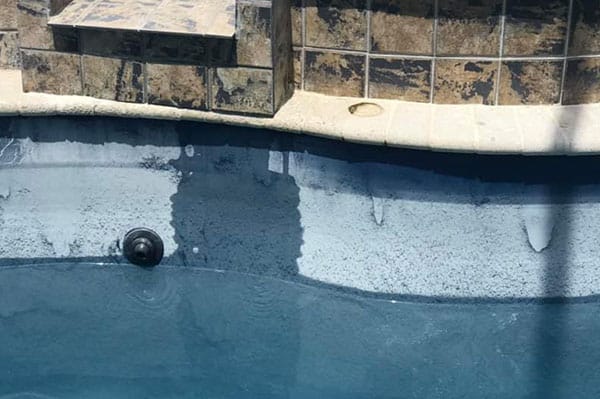
While calcium deposits may seem harmless at first, they can actually cause serious problems for your pool system. The scale buildup creates a rough surface that can damage pool liners and tiles. It also affects water circulation and filtration efficiency. Think of it like having a clogged drain in your sink – water flows differently when there's blockage.
Additionally, calcium deposits can harbor bacteria and algae growth. The rough texture provides a perfect hiding spot for microorganisms that could make your pool unsafe for swimming. Some pool owners have reported increased chemical usage and higher maintenance costs once calcium buildup becomes severe. It's not just about appearance anymore – it's about protecting your investment and ensuring safe swimming conditions.
Prevention Strategies That Actually Work
Prevention is always better than cure, especially when it comes to calcium deposits. Here are effective strategies to keep your pool bottom clean:
Regular testing is your best friend here. Most pool owners find that checking their water chemistry weekly helps prevent major issues. It's amazing how much difference a little attention to water balance makes. Some people even set calendar reminders to test their pool water before swimming season begins.
Effective Removal Methods
Related Posts

Unveiling the Timeless Charm of Black and White Striped Patio Um

Unpacking the Truth About Walking on Pool Covers Your Essential

Mastering the Art of the Perfect Pool Party Experience A Guest's Guide

Understanding the Pink Slime in Your Pool What It Is and How to Tackle It

Keeping Your Concrete Patio Happy and Safe Around the Fire Pit

Transforming Your Corner Lot A Masterclass in Curb Appeal
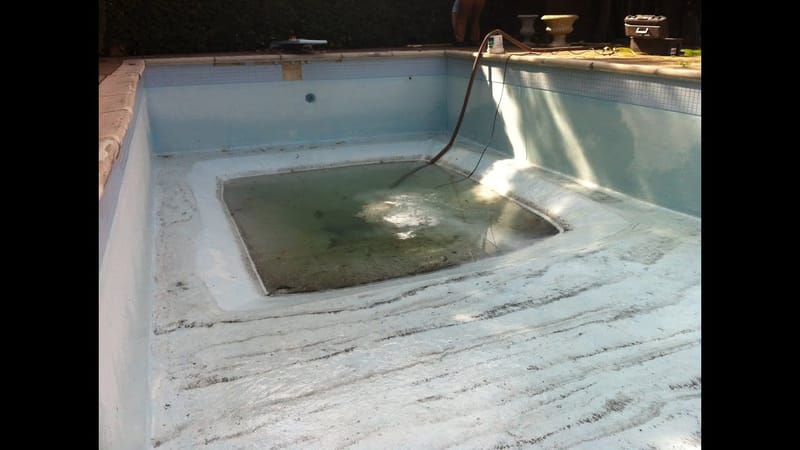
When calcium deposits have already formed, removal requires patience and the right approach. Here's how to tackle the problem:
Some pool owners swear by using a mixture of vinegar and water for light deposits, though commercial products tend to work faster. The key is to treat the problem gradually rather than trying to remove everything at once. Remember, aggressive scrubbing can damage pool surfaces, so always proceed carefully.
Professional Help When Needed
Sometimes, calcium deposits are stubborn or widespread enough that professional assistance is necessary. Signs you should consider calling a pro:
Pool professionals have specialized equipment and experience dealing with various types of mineral buildup. They can assess whether the issue is related to your local water supply or something else entirely. Many pool service companies offer regular cleaning packages specifically designed to prevent and address calcium deposits. It's worth investing in professional care when the problem seems beyond your control.
Dealing with calcium deposits on your pool bottom doesn't have to be a nightmare. With proper understanding, regular maintenance, and knowing when to seek help, you can keep your pool looking great and functioning well. These mineral buildups are often preventable, and when they do occur, they're usually manageable with the right approach. Remember, a healthy pool starts with balanced water chemistry and consistent care. The effort you put into prevention today will pay off in cleaner water and fewer headaches tomorrow. Your pool deserves the attention, and it's rewarding to see how much difference proper maintenance makes in keeping it safe and enjoyable for everyone.
