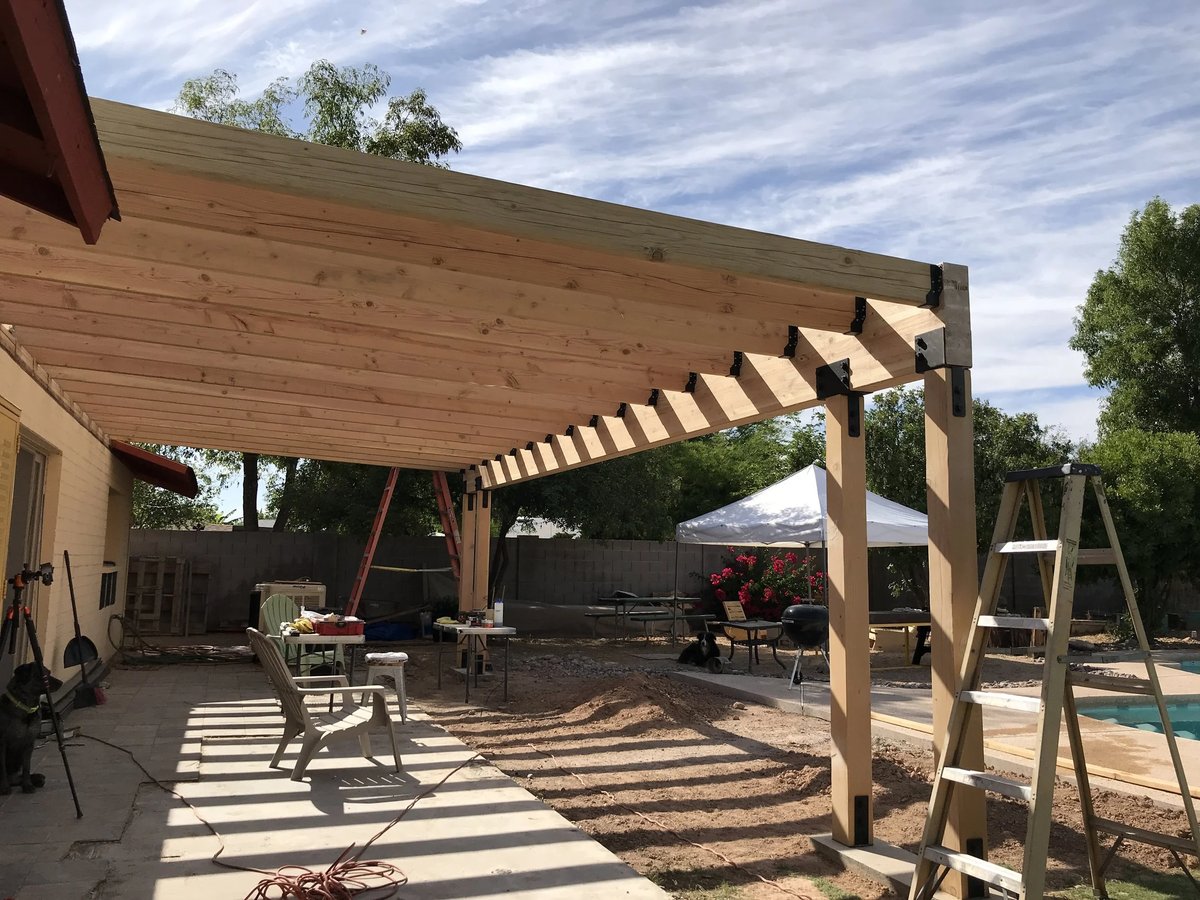
Imagine stepping onto your porch and feeling instantly protected from the sun's harsh rays or gentle rain. What if you could create that sanctuary using your existing roof structure? That's exactly what we're going to explore today. Building a porch covering from the roof isn't just about adding shade - it's about creating a functional, beautiful outdoor living area that enhances your home's value and comfort.
There's something magical about having a covered porch that feels like your personal retreat. Whether you're sipping morning coffee, hosting family gatherings, or simply relaxing after a long day, a well-built porch covering transforms an ordinary outdoor space into an extraordinary one. The beauty of constructing a porch covering from your existing roof lies in maximizing what you already have while adding that perfect finishing touch to your home's exterior. This project combines practicality with aesthetic appeal, giving you a sheltered area that's both functional and inviting.
Planning Your Porch Covering Project
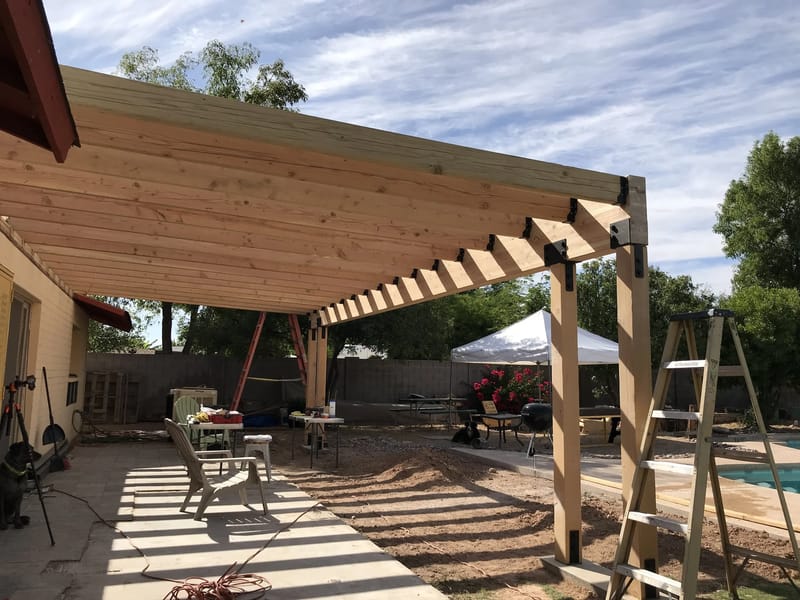
Before you start building, take some time to assess your current roof setup. Consider the size of your porch, the materials available, and what kind of protection you need. A good starting point is measuring the exact dimensions of your porch area. Are you planning to extend the coverage beyond the existing roof? Or do you want to add a new layer of protection to an already covered space? Think about the weather conditions in your area - will you need extra support during storms, or is your primary concern shade? These decisions will shape everything from the frame design to the final roofing material choice.
Understanding Structural Requirements
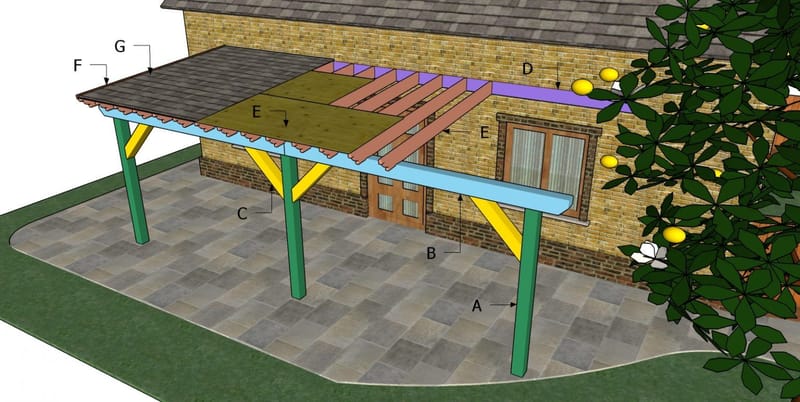
The most important part of any roof-based project is ensuring structural integrity. You'll need to evaluate whether your existing roof can handle additional weight and stress. Check for proper support beams and joists that can carry the load. The roof trusses should be strong enough to support both the new covering and any additional elements like lighting or decorative features. If you're unsure about load-bearing capacity, consult with a local contractor or engineer. Don't try to save money here - your safety and your home's integrity matter more than a few extra dollars in materials.
Choosing the Right Materials
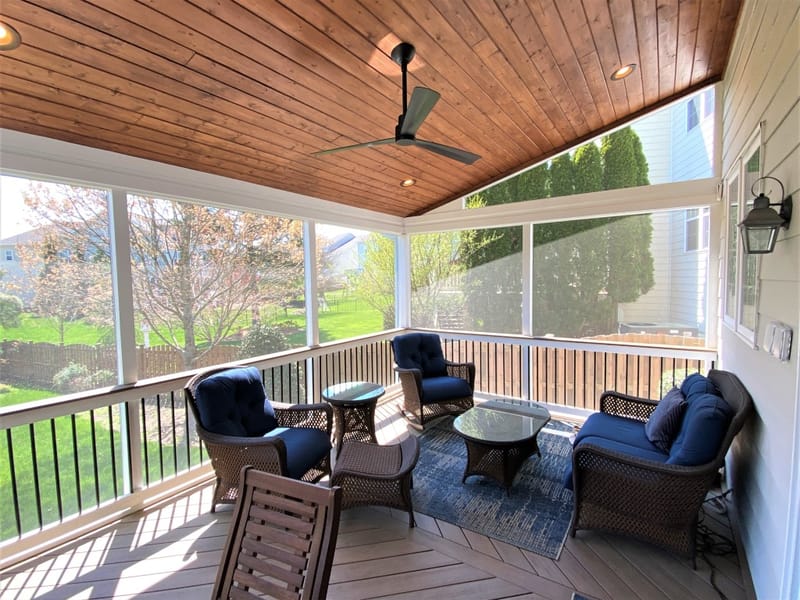
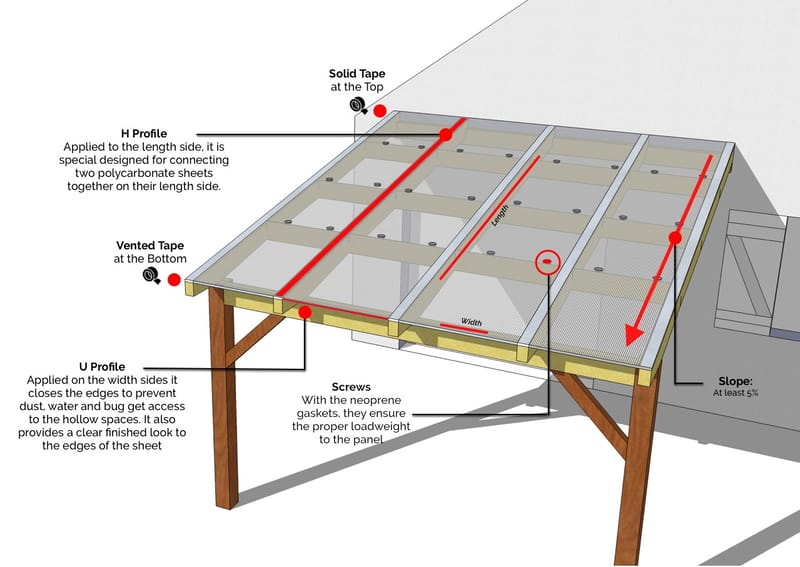
Selecting materials is where creativity meets practicality. For the framework, pressure-treated lumber works great for outdoor projects because it resists rot and insects. Cedar and redwood offer natural beauty and durability, though they require more maintenance. Metal framing provides excellent strength and longevity, especially in areas prone to extreme weather. When it comes to roofing materials, consider options like composite shingles, metal panels, or even solar tiles if you're looking to go green. Each material has its pros and cons - think about cost, appearance, maintenance needs, and local climate considerations.
Essential Tools and Equipment
Having the right tools makes all the difference in creating a professional-looking porch covering. You'll need basic carpentry tools like a circular saw, drill, level, and measuring tape. A stud finder helps locate existing roof supports, while a cordless drill saves time when driving screws. Safety gear is non-negotiable - wear gloves, safety glasses, and a hard hat. For larger projects, consider renting a lift or scaffolding system to work safely at height. Remember that quality tools last longer and make the job easier, so invest in reliable equipment rather than cheap alternatives.
Related Posts

Unveiling the Timeless Charm of Black and White Striped Patio Um

Unpacking the Truth About Walking on Pool Covers Your Essential

Mastering the Art of the Perfect Pool Party Experience A Guest's Guide

Understanding the Pink Slime in Your Pool What It Is and How to Tackle It

Keeping Your Concrete Patio Happy and Safe Around the Fire Pit

Transforming Your Corner Lot A Masterclass in Curb Appeal
Step-by-Step Construction Process
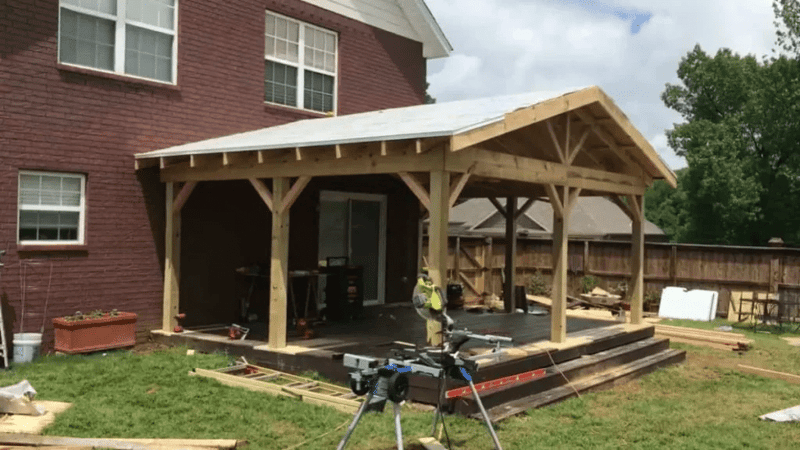
The construction process starts with preparing your work area and marking out the framework location. Begin by installing support posts or brackets that connect to your existing roof structure. These should be securely fastened to prevent movement or damage. Next, install the main beams and rafters following your design plan. Pay attention to proper spacing between structural elements to ensure even weight distribution. Once the framework is complete, add the roofing material carefully, making sure each piece fits properly and overlaps correctly. Finally, finish with trim work and any decorative elements that enhance the overall look.
Safety Considerations and Best Practices
Building anything above ground requires serious attention to safety protocols. Always work with a partner when handling heavy materials or working at heights. Check local building codes before beginning - some areas require permits for porch additions. Ensure your ladder is stable and positioned properly. Never work in wet conditions, as this significantly increases the risk of accidents. Take breaks during long projects to avoid fatigue-related mistakes. Remember that a small mistake early on can lead to major problems later, so double-check measurements and connections before moving forward.
Creating a porch covering from your existing roof structure is a rewarding project that adds both functionality and beauty to your outdoor living space. The key is taking time to plan properly, choosing quality materials, and paying attention to safety. Whether you're building a simple shade structure or a more elaborate covered porch, the foundation you lay now will determine how long your investment lasts. With careful preparation and attention to detail, you'll have a stunning porch area that becomes the heart of your home's outdoor entertaining. The satisfaction of knowing you've created something beautiful and useful with your own hands is priceless.
