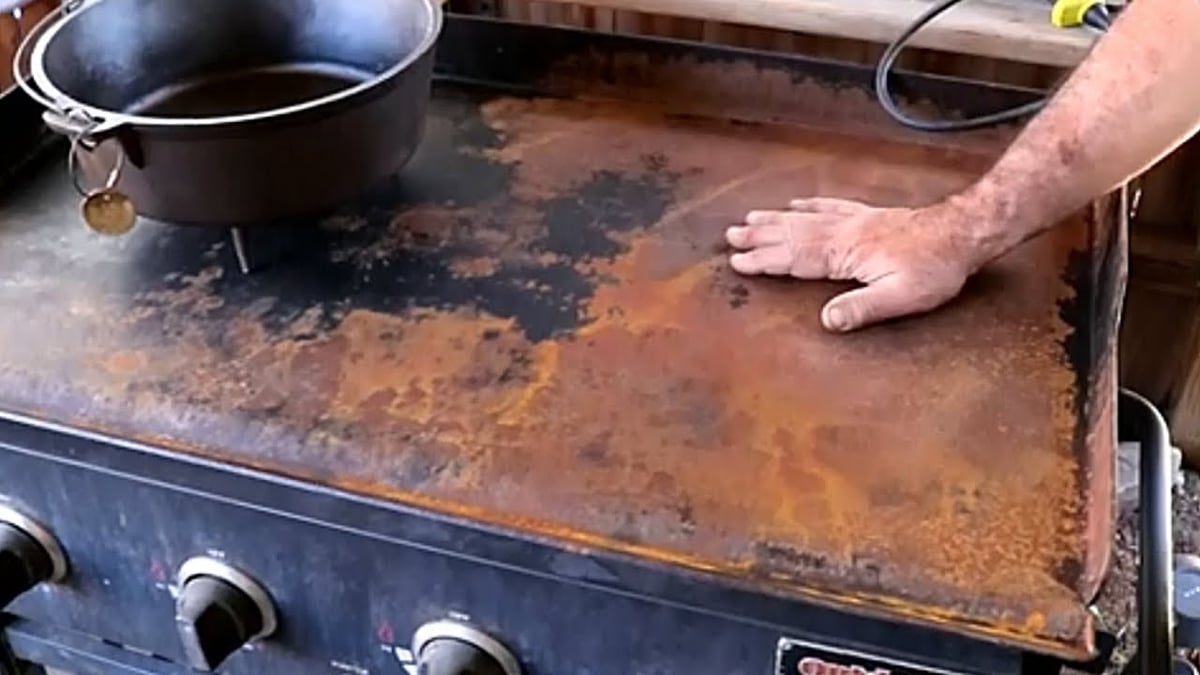
There's nothing quite like the disappointment of discovering rust spots on your favorite cooking surface. Whether you've left your flat top grill outside during winter or simply let it sit too long without proper care, rust can appear seemingly overnight. But don't despair - with the right approach, you can bring your grill back to life.
Flat top grills are beloved for their versatility and even heat distribution, making them perfect for everything from pancakes to steaks. However, they're also prone to rust, especially when exposed to moisture or not properly maintained. The good news? Rust removal isn't just possible - it's quite manageable with the right techniques and a little patience. This guide will walk you through every step of the process, from initial assessment to final restoration.
Understanding Rust Formation on Grills
Rust forms when iron or steel comes into contact with oxygen and moisture over time. On a flat top grill, this usually happens due to improper storage, lack of cleaning, or exposure to weather elements. The metal's surface begins to oxidize, creating those telltale red-brown patches that can spread if left untreated.
What makes flat top grills particularly vulnerable is their large surface area and the fact that they often have small crevices where moisture can collect. Unlike traditional grates that might rust in isolated spots, flat tops can develop widespread corrosion if not addressed quickly.
Consider this: a single missed cleaning session can lead to a full-blown rust crisis. That's why regular maintenance isn't just recommended - it's essential for preserving your investment.
Initial Assessment and Safety Precautions
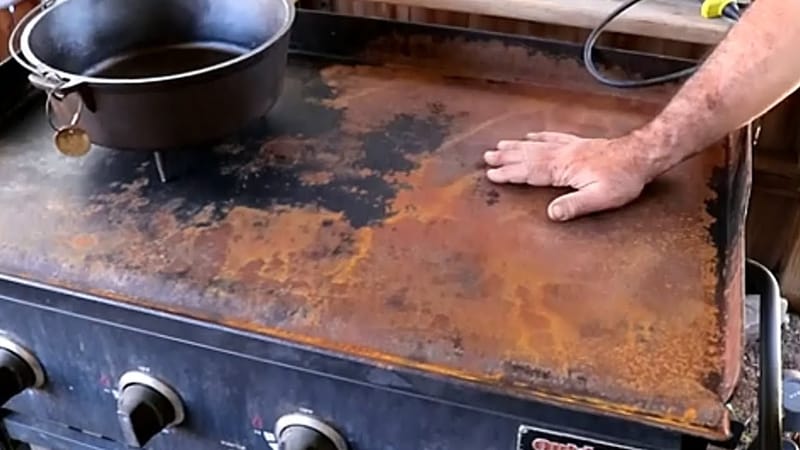
Before diving into rust removal, take a careful look at the damage. Is it light surface rust that can be easily scraped off? Or has the rust penetrated deeper into the metal?
Here's what to check:
Safety first! Always wear protective gloves and eye protection. Work in a well-ventilated area, and never use harsh chemicals near food preparation zones. Some rust removal products can release fumes that aren't pleasant to inhale.
Also, remember that while rust may seem harmless, it can affect the performance of your grill and potentially contaminate food. So treat it seriously from the start.
Basic Tools and Materials Needed
You don't need fancy equipment to tackle rust on your flat top grill. Here's what most people already have lying around:
Some people prefer using commercial rust removers, but basic household items work surprisingly well. The key is consistency and patience rather than expensive products.
A few additional items might come in handy:
Remember, the most important tool isn't expensive - it's your determination to get the job done properly.
Step-by-Step Rust Removal Process
The process breaks down into several clear stages that build upon each other. Start slowly and methodically, checking progress along the way.
First, clean the surface thoroughly with soap and water to remove grease and debris. This ensures you're working on a clean slate. Then apply your chosen rust removal method - whether that's vinegar soaking, baking soda paste, or mechanical scraping.
For light rust, gentle scrubbing with fine steel wool often works perfectly. For heavier cases, you might need to combine methods. Let the solution sit for a few minutes before gently working at the rust with appropriate tools.
Be patient with this part. Rushing leads to incomplete results and potential damage to the underlying metal.

Effective Cleaning Techniques
Different rust situations call for different approaches. Here are some proven methods:
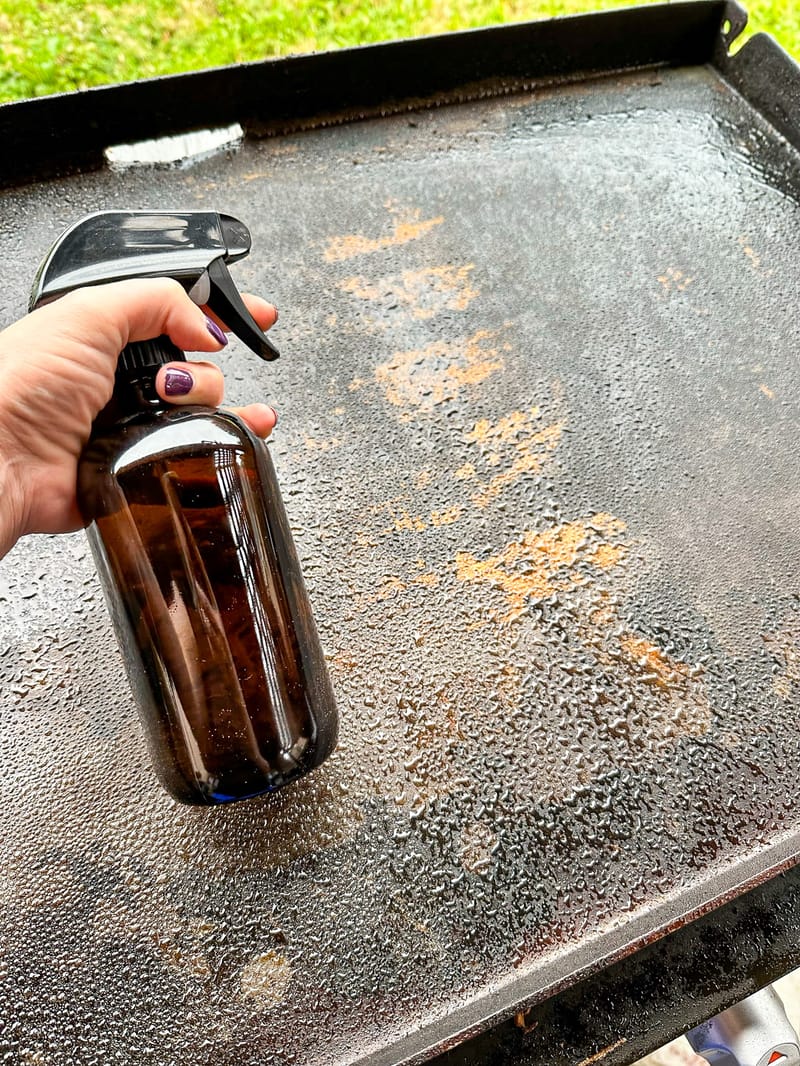
Vinegar Method: Pour white vinegar directly onto rust spots and let it soak for 15-20 minutes. The acid breaks down oxidation. Then scrub with a brush or steel wool.
Baking Soda Paste: Mix baking soda with a little water to form a thick paste. Apply to rusted areas and let it sit for an hour before scrubbing.
Mechanical Scraping: Use a plastic or wooden scraper to remove loose rust. Be careful not to gouge the metal underneath.
Sandpaper Technique: Start with coarse grit sandpaper to remove major rust, then work your way to finer grits for a smooth finish.
Each technique has its place, and sometimes combining them yields the best results. The vinegar method is excellent for quick touch-ups, while sanding provides more thorough coverage for extensive rust problems.
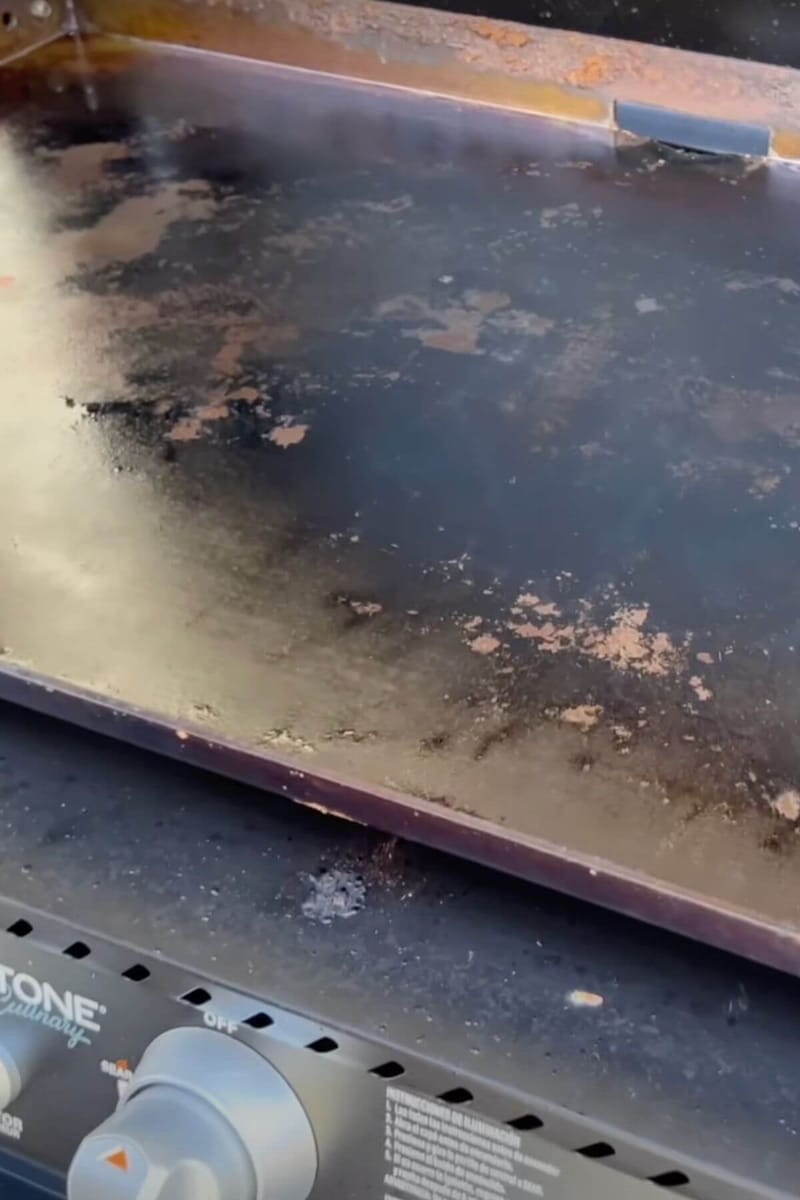
Prevention Strategies for Future Rust Issues
Once you've removed the rust, prevention becomes crucial. A clean, dry grill is your best defense against future problems.
Regular maintenance takes just minutes but prevents hours of repair work later. Think of it as investing in your grill's longevity.
Consider setting reminders for monthly inspections. Even if there's no visible rust, a quick visual check can catch early signs before they become serious issues. Early detection means smaller repairs and less time spent on maintenance.
When to Seek Professional Help
Sometimes rust damage goes beyond simple DIY repair. If your flat top grill shows significant structural damage, deep pitting, or if the rust has compromised the integrity of the surface, professional assistance might be necessary.
Signs you should consider professional help:
Related Posts

Unveiling the Timeless Charm of Black and White Striped Patio Um

Unpacking the Truth About Walking on Pool Covers Your Essential

Mastering the Art of the Perfect Pool Party Experience A Guest's Guide

Understanding the Pink Slime in Your Pool What It Is and How to Tackle It

Keeping Your Concrete Patio Happy and Safe Around the Fire Pit

Transforming Your Corner Lot A Masterclass in Curb Appeal
Professional services can provide specialized treatments, replacement parts, or complete surface restoration that's difficult to achieve at home. While this costs more money, it might save you from having to replace the entire grill.
Restoring the Surface After Rust Removal
Removing rust is only half the battle. Properly restoring the surface ensures your grill looks good and performs well.
After all rust is gone, clean the surface thoroughly with mild soap and water. Rinse well and dry completely. Any remaining moisture will cause new rust formation.
Then apply a thin coat of high-temperature cooking oil or specialized grill seasoning. This creates a protective barrier against future rust. You can also use a quality metal polish to restore shine and smoothness.
The final step is re-seasoning the surface properly. This involves heating the grill to a moderate temperature and applying a thin layer of oil, allowing it to polymerize. This creates a non-stick surface that resists rust and makes cleanup easier.
Don't skip this final step - it's what turns a restored grill into a functional, beautiful cooking surface.
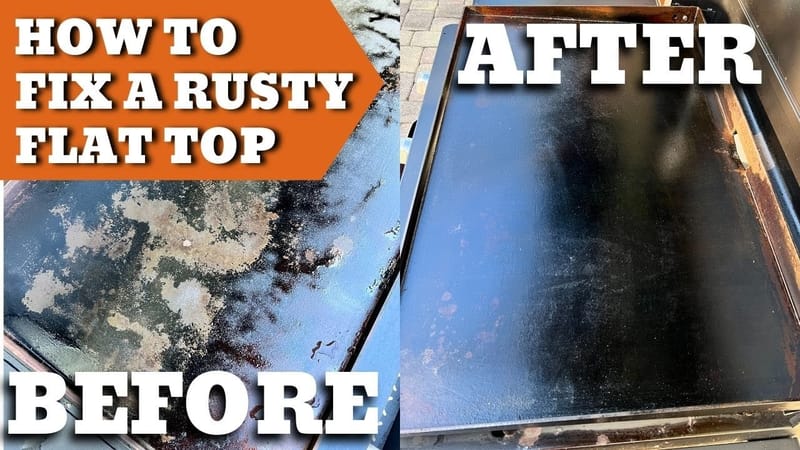
Rust on a flat top grill doesn't have to mean the end of your cooking adventures. With the right knowledge and approach, you can restore your grill to pristine condition and extend its lifespan significantly. Remember that prevention is always better than cure, so make regular maintenance part of your routine.
The key is taking action early, using appropriate tools and methods, and being patient throughout the process. Whether you're dealing with light surface rust or more serious damage, there are solutions available.
Most importantly, don't let rust discourage you from enjoying your outdoor cooking space. Every grill owner faces this challenge eventually, and with proper care, your flat top grill can continue serving you for many seasons to come. The investment in time and effort pays dividends in countless delicious meals shared with family and friends.
