
Picture this: It's Saturday morning, the sun is shining, and you're ready to enjoy your backyard oasis. Your patio furniture looks brand new, the cushions are crisp, and everything feels perfect. But then you notice something - the paint on your outdoor chairs is starting to fade, peel, or look worn. That's when you realize that protecting your patio furniture isn't just about aesthetics, it's about preserving your investment and ensuring years of enjoyment.
Outdoor furniture takes a beating year-round. Sun exposure, rain, humidity, and temperature changes all work together to deteriorate surfaces faster than indoor items. Whether you've got wooden picnic tables, metal garden chairs, or plastic patio sets, they all need special care to maintain their beauty and functionality. Choosing the right paint for outdoor patio furniture isn't just about making it look good - it's about creating a protective barrier that can handle the elements while keeping your space inviting and safe for family gatherings and casual relaxation.
Understanding the Challenges of Outdoor Painting
When it comes to painting outdoor furniture, you're dealing with some serious environmental factors. UV rays from the sun can cause colors to fade dramatically within months, especially on lighter hues. Water damage from rain and dew creates conditions where paint bubbles, peels, or simply washes away entirely. Temperature fluctuations cause materials to expand and contract, putting stress on painted surfaces. Even insects and mildew can compromise painted finishes over time.

Think about how quickly a white fence can turn yellow or how a bright blue patio set might lose its vibrancy after just one summer. These aren't just cosmetic issues - they represent the breakdown of protection that keeps your furniture functional and attractive. The right outdoor paint needs to resist all these forces while maintaining its appearance and durability.
Types of Outdoor Paint for Patio Furniture
Not all outdoor paints are created equal, and choosing the wrong type can mean your hard work is wasted quickly. Here are the main categories you'll encounter:
Each type has advantages depending on your furniture material and local climate conditions. Consider your budget, the surface you're working with, and how much maintenance you're willing to perform in the future.

Material-Specific Considerations
Different furniture materials demand different approaches to painting. Wood furniture requires a primer first to seal the surface properly and prevent tannins from bleeding through. Metal pieces need rust-prevention primers before applying topcoats, and they may require additional steps to ensure proper adhesion.
Plastic and composite materials present unique challenges because they don't absorb paint the way wood does. You'll need special adhesives or primers designed for these surfaces. Glass and ceramic pieces might even require specialized products that can adhere to non-porous surfaces.
Consider the age and condition of your furniture too. New pieces generally take paint better than those that have been exposed to the elements for years. If you're dealing with old, weathered furniture, you might need to sand or clean extensively before painting begins.
Essential Preparation Steps
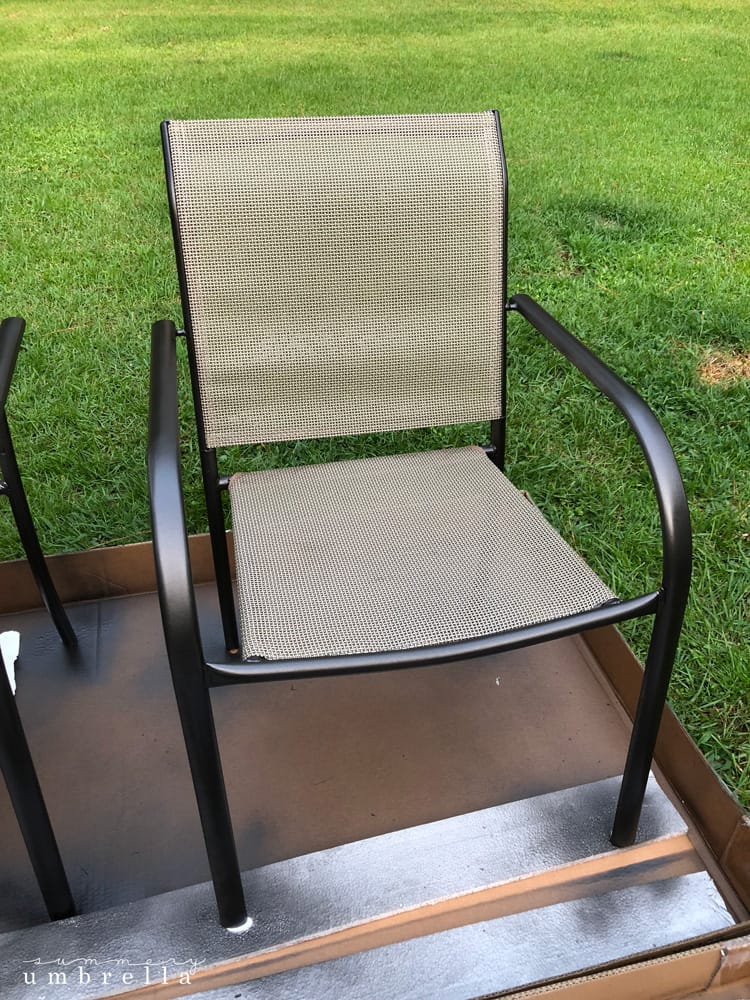
Proper preparation makes the difference between a paint job that lasts years versus one that fades in weeks. Start by thoroughly cleaning your furniture with soap and water to remove dirt, grime, and any loose paint. For older pieces, you might need to strip existing paint using appropriate chemicals.
Sanding helps create a smooth surface for paint adhesion and removes any remaining loose material. Pay attention to corners, crevices, and detailed areas where moisture can collect and cause problems. If you're painting metal, check for rust spots and treat them with appropriate rust converters before proceeding.
Priming is crucial - it provides a uniform base that helps paint adhere better and improves overall durability. Choose a primer that matches your paint type and furniture material. Don't skip this step, even if it seems like extra work. The time invested upfront will save you from repainting frequently.
Choosing the Right Colors and Finishes
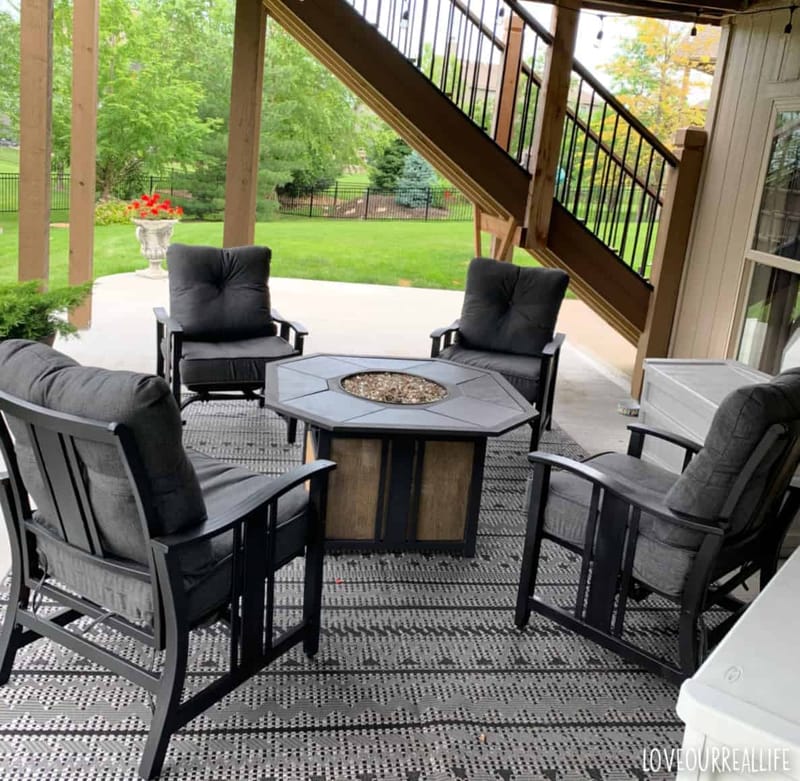
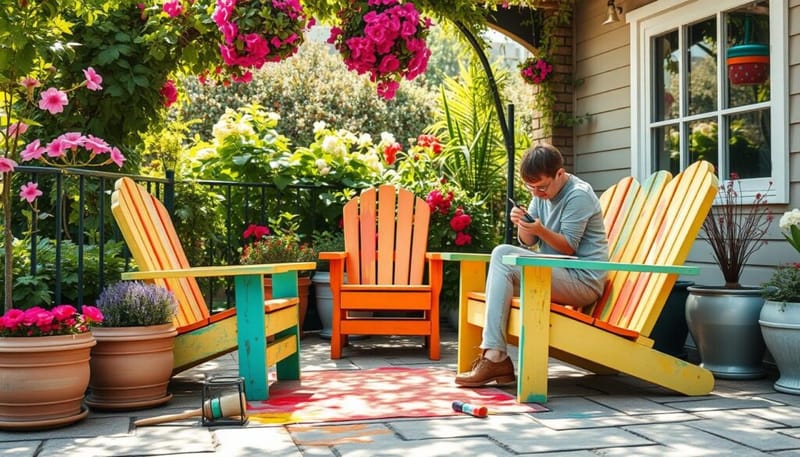
Color selection goes beyond personal preference when it comes to outdoor furniture. Lighter colors reflect heat and UV rays better, helping to preserve both the furniture and the paint. Darker shades absorb more heat, which can actually damage the wood or cause paint to crack faster.
Consider the surrounding environment too. A bright red chair might look fantastic against green plants, but it could become a heat magnet in direct sunlight. Neutral tones often work well because they're less likely to fade dramatically.
The finish matters as much as the color itself. Matte finishes hide imperfections well but can be harder to clean. Semi-gloss and gloss finishes are more durable and easier to maintain, but they show scratches and fingerprints more easily. For high-use areas, consider a satin finish that balances durability with easy maintenance.
Related Posts

Unveiling the Timeless Charm of Black and White Striped Patio Um

Unpacking the Truth About Walking on Pool Covers Your Essential

Mastering the Art of the Perfect Pool Party Experience A Guest's Guide

Understanding the Pink Slime in Your Pool What It Is and How to Tackle It

Keeping Your Concrete Patio Happy and Safe Around the Fire Pit

Transforming Your Corner Lot A Masterclass in Curb Appeal
Application Techniques and Tips
Painting outdoor furniture successfully requires patience and attention to detail. Work in a well-ventilated area, preferably during mild weather when temperatures are between 50-85°F. Avoid painting in direct sunlight or when rain is expected within 24 hours.
Apply thin, even coats rather than thick ones. Multiple light coats usually perform better than one heavy application. Allow each coat to dry completely according to manufacturer instructions before applying the next.
Use quality brushes and rollers designed for exterior work. Natural bristle brushes work well for oil-based paints, while synthetic bristles are better for latex and acrylic formulations. Consider using a spray gun for larger surfaces, though this requires more setup and cleanup.
Don't forget to protect your workspace with drop cloths or tarps. Clean up tools immediately after use, and store leftover paint properly in sealed containers. This ensures you won't waste money on paint that becomes unusable due to improper storage.
Painting your patio furniture isn't just about making it look pretty - it's about extending its life and maintaining the beauty of your outdoor space. By understanding the challenges, choosing the right materials, and following proper techniques, you can ensure your investment pays dividends for many seasons to come. Remember, the best paint is the one that works with your furniture, your climate, and your lifestyle. Take your time with preparation, choose wisely based on your specific needs, and don't be afraid to ask for advice from local hardware stores or experienced DIY enthusiasts. Your patio furniture will thank you, and so will your future self when you're enjoying those outdoor moments without worrying about fading or peeling paint.
