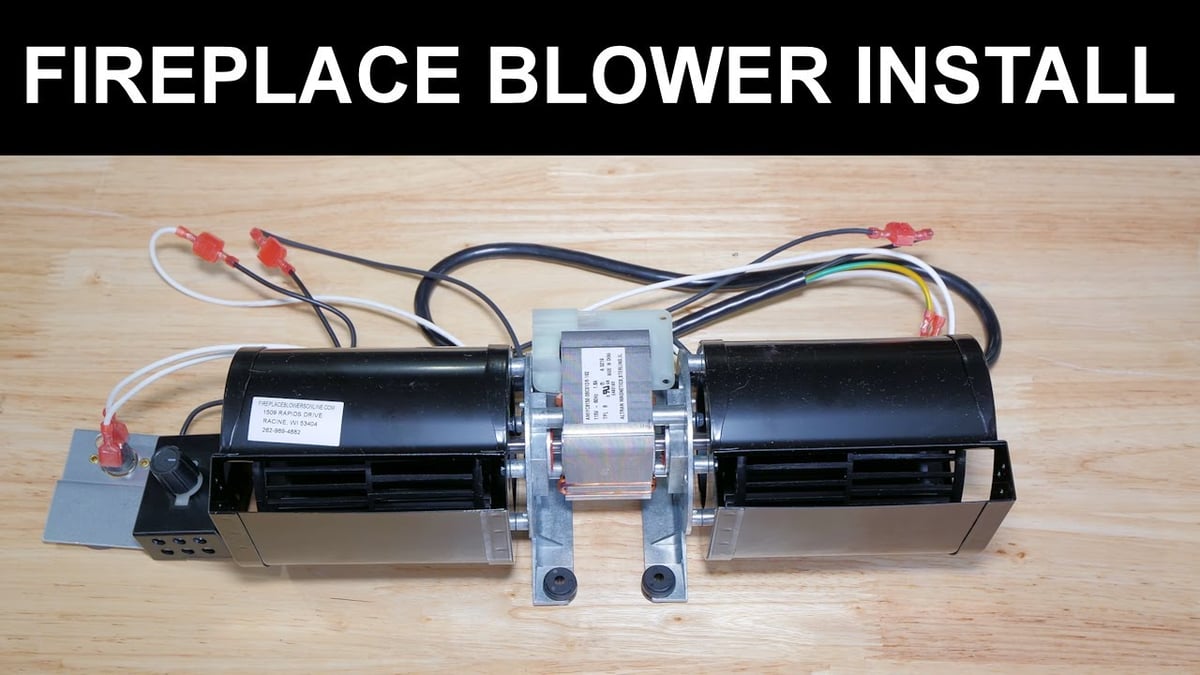
Imagine walking into a room and feeling warmth spread evenly throughout the space. That's exactly what happens when you add a blower to your gas fireplace. It's like giving your fireplace a superpower - suddenly, heat isn't just rising toward the ceiling anymore. Instead, it's being pushed out into your living space, making every corner of your home feel cozy and comfortable. This simple upgrade can completely change how you experience your fireplace, turning it from a decorative feature into a true heating powerhouse.
Let's face it - most people love their gas fireplaces for the ambiance they provide. The dancing flames, the gentle crackling sounds, and that warm glow that makes any room feel inviting. But there's often a frustrating reality behind all that beauty. The heat from a typical gas fireplace tends to stay close to the unit itself. You might find yourself huddled near the fireplace while the rest of the room remains chilly. That's where a blower system comes in. It's not just about making your fireplace look cooler - it's about maximizing its actual heating potential. Adding a blower to a gas fireplace is one of those upgrades that people wish they'd done sooner. It's relatively straightforward and can dramatically improve how well your fireplace heats your space. Whether you've recently bought a new gas fireplace or have had the same one for years, understanding how to properly install and use a blower system can save you money on heating bills and make your home more comfortable year-round.
What Is a Fireplace Blower and How Does It Work?
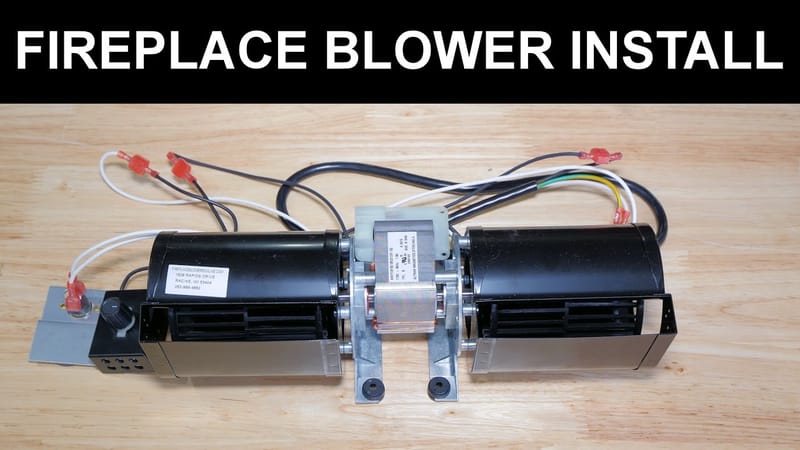
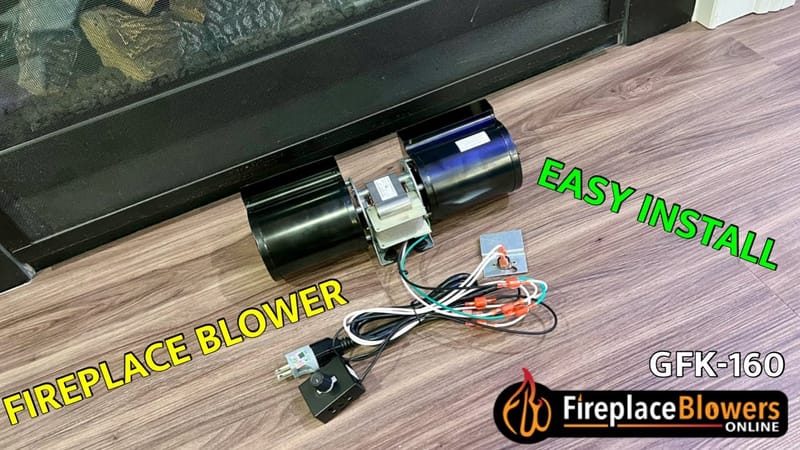
A fireplace blower is essentially a small fan that's designed to work specifically with gas fireplaces. Think of it as a helper that takes the heat your fireplace produces and actively pushes it around the room instead of letting it just rise upward. These blowers come in different sizes and types, but they all work on the same basic principle. They're typically mounted inside the fireplace or attached to the unit itself, and they turn on automatically when the fireplace is operating. The fan blades spin rapidly, creating airflow that pulls warm air from the fireplace and directs it outward. It's kind of like having a mini air conditioner that's specifically designed to work with your fireplace. When you turn on your gas fireplace, the blower kicks in, and suddenly the warmth spreads much more effectively throughout your room. The technology behind modern blowers is pretty impressive. They're engineered to be quiet, efficient, and safe. Most units operate at low noise levels, so you won't hear them running unless you're really listening carefully. Some even have adjustable speed settings so you can control how forcefully the air moves.
Benefits of Adding a Blower to Your Gas Fireplace
There are several compelling reasons why homeowners choose to add a blower system to their gas fireplaces. First and foremost, it dramatically improves heat distribution. Without a blower, you'll notice that the heat stays concentrated around the fireplace itself. But with a blower, that warmth gets circulated throughout the entire room. This means you can sit further away from the fireplace and still feel comfortable. Another major benefit is energy savings. While your fireplace may produce the same amount of heat with or without a blower, the blower ensures that heat actually reaches where you need it. You might find that you can lower your thermostat setting in winter because your fireplace is working more efficiently. Many people also appreciate the increased safety factor. When heat is distributed more evenly, there's less risk of overheating specific areas of your room. The blower helps prevent hot spots and creates a more uniform temperature throughout your space. Additionally, some homeowners report that their fireplaces seem to burn more efficiently with a blower installed, although this is somewhat subjective. There's also the matter of comfort. No more having to move closer to the fireplace just to get warm. You can enjoy the view of the flames while staying comfortably warm in your favorite chair. Finally, a blower system can increase the overall value of your home. Potential buyers often see a fireplace with a blower as a more desirable feature than one without.
Types of Fireplace Blowers Available
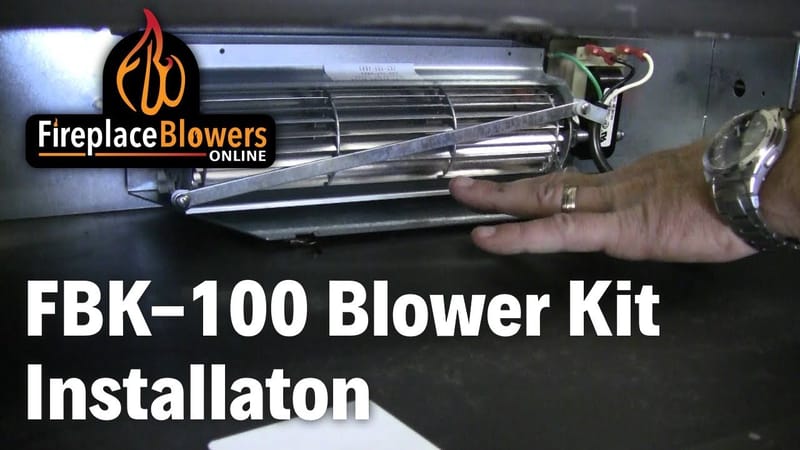
When it comes to fireplace blowers, there are several different options available depending on your needs and budget. The most common type is the direct-drive blower. This sits directly inside the fireplace and works by pulling air from the front of the unit and pushing it out the back. These are generally the most effective and are suitable for most standard gas fireplaces. Another popular option is the external blower. These units are mounted outside the fireplace structure and pull air from the room and push it through the fireplace opening. They're often used in situations where internal mounting isn't feasible. Some people prefer blower systems with remote controls, which offer greater convenience. You can adjust the fan speed from anywhere in the room, rather than having to get up and manually change settings. For those looking for maximum performance, there are high-speed blowers that can move large volumes of air. These are particularly useful in larger rooms or spaces where heat distribution is challenging. Some manufacturers also offer blowers with integrated thermostats, allowing for automatic operation based on room temperature. These smart features make the system even more user-friendly and efficient. Budget-conscious homeowners can find more affordable options that still deliver good performance. The key is matching the right type of blower to your specific fireplace model and room size.
Safety Considerations Before Installation
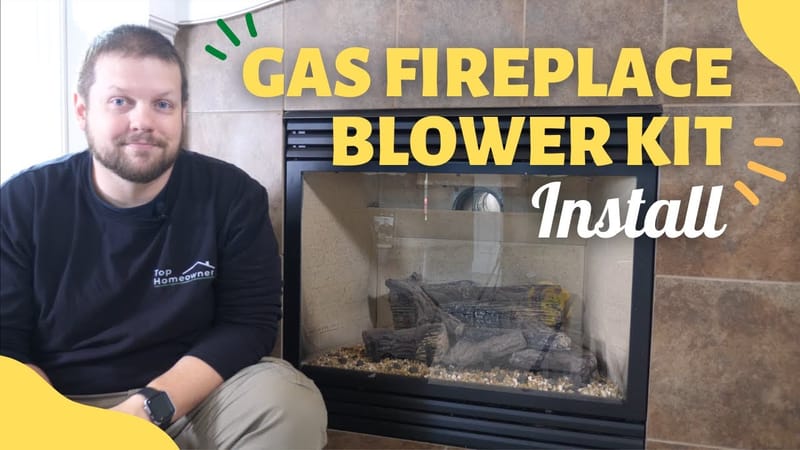
Before you even think about installing a blower, safety must be your top priority. Gas fireplaces are delicate systems, and any modification requires careful attention to proper installation procedures. One critical safety rule is to never install a blower without checking with your local building codes. Many areas have specific regulations governing fireplace modifications. Always verify that your blower is compatible with your particular fireplace model. Different units have different specifications, and mismatching components can cause serious problems. It's essential to ensure that the electrical requirements match what your fireplace can handle. Some blowers require dedicated circuits, while others can run off existing wiring. Check if your fireplace has proper ventilation before adding a blower. The additional airflow from a blower could potentially affect the way your fireplace operates. If you're unsure about any aspect of safety, consider hiring a professional. A qualified technician can assess your specific situation and recommend the safest approach. Never attempt to modify gas connections yourself. These should always be handled by certified professionals. The last thing anyone wants is a gas leak or other dangerous situation. Also, remember that any electrical components must meet local electrical codes. Proper grounding and protection against electrical issues are non-negotiable. Some fireplaces have built-in safety features that interact with blowers, so make sure you understand how these systems work together.
Installation Process Step-by-Step
Installing a blower system isn't rocket science, but it does require patience and attention to detail. Start by reading the manufacturer's instructions thoroughly. Every system has slightly different requirements, so following the specific guide is crucial. First, you'll need to shut off power to the fireplace at the circuit breaker. Safety first, always. Next, remove any existing components that might interfere with the blower installation. This often involves taking off the front panel or decorative elements. Carefully position the blower according to the manufacturer's specifications. Most units have clear mounting points that should align with your fireplace design. Secure the blower using the provided hardware. Make sure all connections are tight but don't over-tighten screws. Connect the electrical wires according to the wiring diagram included with the blower. Double-check all connections before proceeding. Test the blower before closing everything up. Turn on the power and verify that the blower operates correctly and quietly. Once everything checks out, reinstall any panels or covers. Finally, test the entire system with your fireplace running to make sure everything works as expected. It's helpful to have a helper during installation - someone who can hold parts while you work or check that things are aligned properly. Take your time with each step and don't rush the process. A well-installed blower will last for many years and provide excellent service.
Maintenance Tips for Long-Term Performance
Once your blower is installed, regular maintenance will keep it performing optimally for years to come. Dust buildup is one of the biggest issues that can affect blower performance. Set a reminder to clean the blower wheel at least once per season. Use a soft brush or vacuum cleaner with a gentle setting to remove debris. Check the electrical connections periodically to ensure they remain secure. Loose connections can cause the blower to malfunction or become unsafe. Look for signs of wear on the motor or fan blades. If you notice unusual noises or reduced airflow, it might be time for maintenance or replacement. Most manufacturers recommend annual professional inspection of the entire fireplace system. This includes checking the blower as part of routine maintenance. Keep an eye on the motor's performance. If it starts to run hotter than usual or seems to struggle, something might be wrong. Clean the area around the blower housing regularly to prevent dust accumulation. A clean environment helps the blower operate more efficiently. Don't forget to replace filters if your system has them. These small components can significantly impact performance if they're dirty or clogged. Keep detailed records of any maintenance performed. This helps track the system's history and can be useful for future repairs or replacements. Finally, listen to your blower. Any new sounds or changes in operation should prompt investigation. Early detection of problems prevents bigger issues later on.
Troubleshooting Common Issues
Related Posts

Unveiling the Timeless Charm of Black and White Striped Patio Um

Unpacking the Truth About Walking on Pool Covers Your Essential

Mastering the Art of the Perfect Pool Party Experience A Guest's Guide

Understanding the Pink Slime in Your Pool What It Is and How to Tackle It

Keeping Your Concrete Patio Happy and Safe Around the Fire Pit

Transforming Your Corner Lot A Masterclass in Curb Appeal
Even with careful installation and maintenance, problems can arise. One of the most common issues is a blower that won't start. This usually indicates an electrical problem or a faulty switch. Check that the power is properly connected and that the blower's control is functioning correctly. If the blower runs but doesn't move much air, it might be clogged with dust or debris. Cleaning the blower wheel often solves this issue. Sometimes the problem is simply a loose connection in the wiring. Check all connections carefully and tighten anything that seems loose. If your blower makes unusual noises, it could be due to imbalance or worn bearings. Listen carefully to determine if it's a squeal, hum, or other sound. A noisy blower should be addressed promptly to prevent damage. Overheating is another concern that can occur if the blower becomes blocked or if the motor is working too hard. If you notice excessive heat or smell burning, shut down the system immediately. Problems with the thermostat or temperature control can also affect blower operation. Make sure the control settings match your desired performance. Some homeowners experience issues with intermittent operation, which often relates to electrical contacts that need cleaning or adjustment. Keeping spare parts handy can help resolve many common problems quickly. If you're uncomfortable troubleshooting complex electrical issues, don't hesitate to call a professional. The cost of a quick repair is often much less than replacing an entire system.
Cost Analysis and Value Proposition
When considering whether to add a blower to your gas fireplace, it's important to weigh the costs against the benefits. Basic blower systems typically range from $100 to $300 for the unit alone. Installation costs vary widely depending on complexity and whether you hire a professional. DIY installations can save money but require some technical knowledge. Professional installation usually costs between $150 and $400, depending on your location and the installer's expertise. Many people find that the investment pays for itself within a few heating seasons through reduced energy bills. The exact savings depend on your home's size, insulation quality, and how frequently you use the fireplace. Some homeowners report saving $50 to $100 annually on heating costs. In homes with poor heat distribution, the savings can be even higher. The increased comfort level is another valuable benefit that's difficult to quantify in dollars. Better heat circulation means you can enjoy your fireplace more often and at more comfortable temperatures. Quality blowers typically last 10 to 15 years with proper maintenance, making them a worthwhile long-term investment. The added resale value of a fireplace with a blower system can also be significant. Potential buyers often pay more for homes with upgraded heating features. Consider also the convenience factor. No more having to move closer to the fireplace to stay warm. The ability to control airflow and temperature gives you more flexibility in how you use your space. Overall, the return on investment is generally positive, especially for homes that use their fireplaces regularly.
Choosing the Right Blower for Your Specific Fireplace
Selecting the correct blower for your gas fireplace requires careful consideration of several factors. Start by measuring your fireplace dimensions accurately. The blower must fit properly within the available space without interfering with the fireplace's operation. Check your fireplace's manual or contact the manufacturer to confirm compatibility. Some older models may not support certain blower types, so verification is essential. Consider the room size where the fireplace will be installed. Larger rooms typically need more powerful blowers to distribute heat effectively. Smaller spaces might do well with compact units that don't overpower the area. Look at the airflow requirements of your space. A general rule of thumb is that you want enough airflow to circulate the entire room volume at least twice per hour. Evaluate the existing electrical setup. Some blowers require special wiring or dedicated circuits. Make sure your electrical system can handle the additional load. Consider your budget constraints and desired features. High-end blowers offer more advanced controls and quieter operation, while basic models provide reliable performance at lower costs. Read reviews from other homeowners who have installed similar systems. Their experiences can help you avoid common pitfalls and select the best option for your needs. Think about future needs as well. Will you be expanding your home or changing the layout? Choose a blower that will continue to serve you well over time. Don't forget about aesthetics. Some blowers are designed to blend seamlessly with existing fireplace designs, while others might be more noticeable.
Professional vs. DIY Installation Considerations
The decision between professional installation and doing it yourself depends on several factors. Professional installation offers peace of mind and ensures that everything is done correctly. Certified technicians understand local codes and can address unexpected complications that might arise. They also provide warranties and guarantees on their work. However, professional installation adds to the overall cost, which can be a concern for budget-conscious homeowners. DIY installation can save money but requires a certain level of technical skill. You need to be comfortable working with electrical components and following precise installation steps. If you're not confident in your abilities, it might be worth the investment to hire a professional. Some people prefer the satisfaction of completing the project themselves. It can be rewarding to see your finished work and know exactly how everything functions. Consider your timeline as well. Professional installation usually takes one day, while DIY projects might take several hours or even days. Factor in the learning curve and potential for mistakes when planning your schedule. If you're uncomfortable with electrical work or unfamiliar with your fireplace model, it's better to seek professional help. Safety should always outweigh cost savings when dealing with gas appliances. Many manufacturers recommend professional installation for warranty purposes. Some even void warranties if the installation isn't performed by certified technicians. On the other hand, if you're handy with tools and have experience with similar projects, DIY installation can be perfectly manageable. Just make sure you have all the necessary tools and clear instructions before beginning. The key is knowing your limitations and making the right choice for your situation.
Adding a blower to your gas fireplace is one of those improvements that makes such a difference in daily life. It transforms a beautiful but limited heating source into a truly functional part of your home's climate control system. The benefits extend far beyond simple heat distribution - you get better energy efficiency, enhanced comfort, and improved safety. While the initial investment might seem like a lot, the long-term savings and increased enjoyment of your fireplace make it well worth considering. Whether you choose to tackle the installation yourself or bring in a professional, the results are typically impressive. The key is starting with the right research and choosing equipment that matches your specific needs. Don't let the complexity of the process intimidate you - with proper preparation and attention to detail, most homeowners can successfully add a blower system to their gas fireplace. The end result is a more comfortable, efficient, and enjoyable living space. You'll find yourself using your fireplace more often, appreciating both the visual appeal and the practical warmth it provides. Think of it as an investment in your home's comfort and value. The next time you're sitting in front of your fireplace, you'll be grateful you made the upgrade. It's a simple change that brings tremendous benefits to your everyday life.
