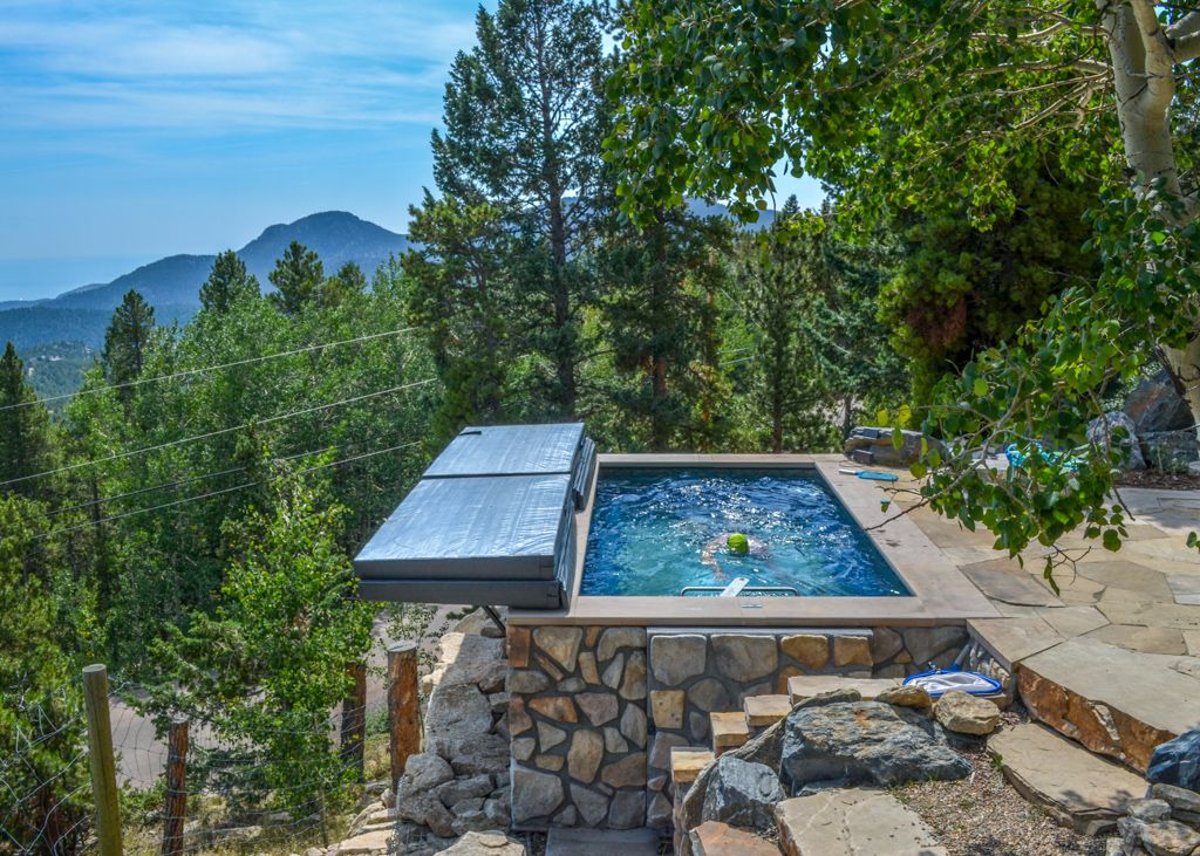
Picture this: You've got a stunning view of the mountains, a beautiful backyard, and the perfect spot for a pool. But wait - there's a problem. The ground isn't flat. It slopes like a gentle hill or maybe even a steep incline. What do you do? Can you still build that dream pool? The answer might surprise you.
Let's face it, most people picture their ideal swimming pool on perfectly flat ground. But reality often throws curveballs. Maybe your yard has a natural slope, or perhaps you inherited a property where the previous owner built something on uneven terrain. Either way, the question becomes: how do you install an above ground pool when Mother Nature didn't play fair?
This guide walks you through everything from basic planning to professional installation techniques. We'll cover what makes slope installation different, common challenges, and solutions that actually work. Whether you're a DIY enthusiast or planning to hire professionals, understanding these concepts will save you time, money, and a lot of headaches down the road.
Understanding Slope Challenges
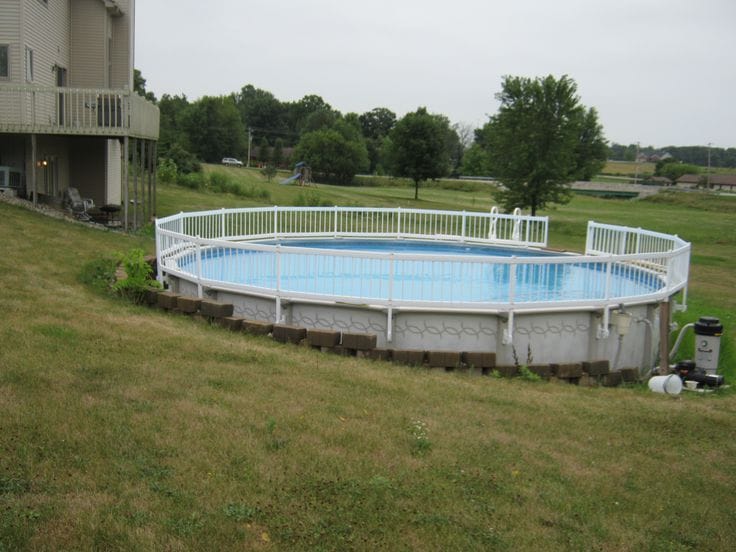
Installing a pool on a slope brings unique problems that flat ground installations simply don't have. When you're dealing with inclines, you're essentially trying to create a perfectly level surface on an uneven landscape.
The main issues include:
Think about it this way: a perfectly round pool sitting on a sloped surface creates an uneven pressure distribution. That's not just uncomfortable - it's potentially dangerous. The good news? With proper planning and execution, these challenges are absolutely manageable.
Pre-Planning and Site Assessment
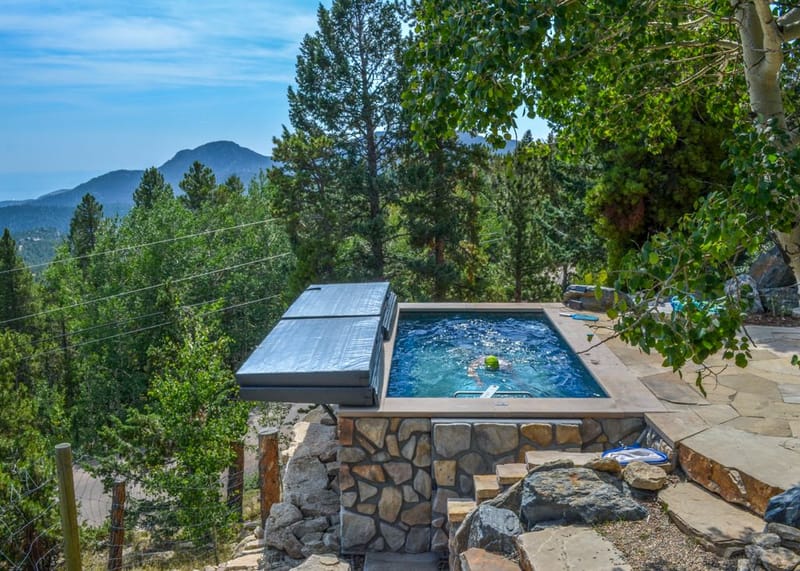
Before you even think about pool placement, you need to assess your slope carefully. This isn't just about measuring how steep it is - it's about understanding how that slope affects your entire project.
Start by:
One gardener I spoke with had a 20-foot slope in her backyard. She thought she could simply place the pool on top of a few concrete blocks. Wrong. The pool was unstable and started leaking after just one season. Proper assessment would have saved her both money and frustration.
Professional site analysis is worth the investment. It helps you see potential problems before they become costly disasters.
Leveling Solutions for Sloped Ground
Here's where things get interesting. There are several approaches to creating a level surface on a sloped area. Each method has its pros and cons, and the right choice depends on your specific situation.
Method One: Excavation and Fill This involves digging out the higher areas and filling in the lower ones to create a flat platform. It's labor-intensive but provides the most stable foundation. For a 6-foot slope, you might need to excavate 2 feet on the high side and add fill material on the low side.
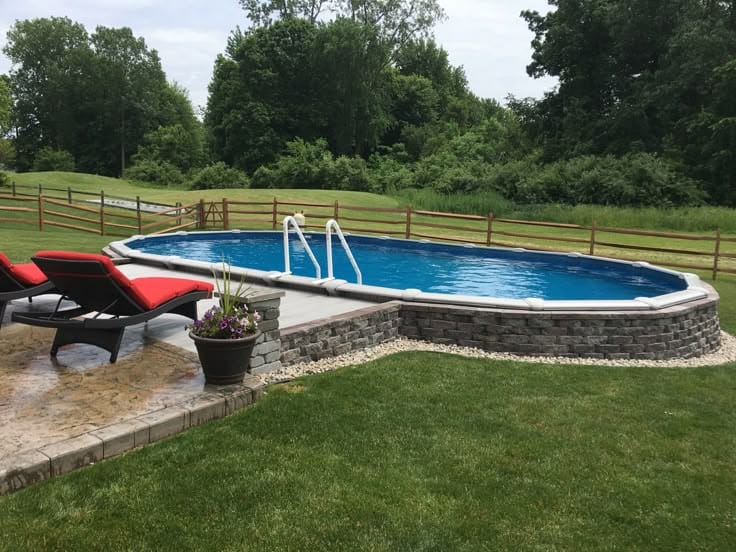
Method Two: Step Construction Create multiple levels or steps across your slope. This works well for dramatic inclines and can actually enhance your landscape design. You'll need to carefully plan the height differences between each step to maintain structural integrity.
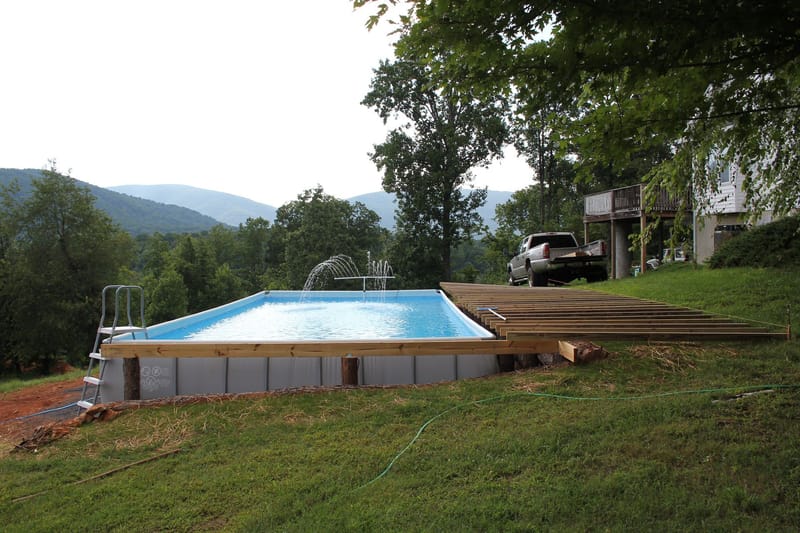
Method Three: Adjustable Pool Supports Some manufacturers offer special support systems designed specifically for sloped installations. These typically involve adjustable legs or frames that can compensate for elevation changes. They're more expensive but much easier to install.
The key is choosing a method that works with your budget, timeline, and skill level. Don't try to cut corners on leveling - it's the foundation of your entire project.
Drainage and Water Management
Water management is crucial when working with slopes. Without proper drainage, you'll end up with a pool surrounded by puddles, erosion issues, and possibly even flooding during heavy rains.
Consider these drainage strategies:
A pool installer I interviewed told me about a customer who built a pool on a steep slope without proper drainage. During the first heavy rainstorm, the pool began to shift and leak. The solution required extensive regrading and new drainage work - adding thousands to the original cost.
Think of drainage as your pool's safety net. It's better to over-plan than under-plan this critical element.
Safety Considerations and Best Practices
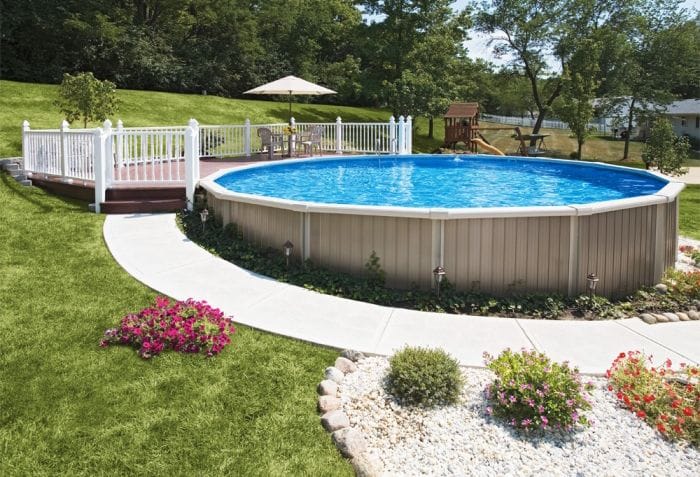
Safety should never be compromised, especially when dealing with slopes. Uneven ground creates additional risks that require extra attention.
Critical safety factors include:
One family installed a pool on a moderate slope and thought they were being clever by using large rocks as leveling blocks. The pool was unstable, and a child nearly fell off the edge during a summer afternoon. The lesson? Proper leveling isn't just about aesthetics - it's about protecting lives.
Always follow manufacturer specifications for your particular pool model. Some pools are designed to handle more extreme slopes than others, while some require special installation procedures.
Professional Installation vs. DIY Approaches
This is probably the biggest decision you'll make in your slope pool project. Both paths have their advantages and disadvantages.
DIY Benefits:
DIY Challenges:
Professional Installation Benefits:
Professional Installation Challenges:
Many people start with DIY but realize too late that their slope situation requires professional intervention. One couple spent three days trying to level their pool on a steep hill only to find that their makeshift solution was causing water pooling and structural stress. They ended up paying for professional installation anyway - but with a much clearer understanding of what they needed to do correctly.
Maintenance Tips for Sloped Pools
Once your pool is installed and operational, maintenance becomes even more critical on sloped terrain. Regular checks and adjustments can prevent bigger problems later.
Key maintenance practices include:
A local pool maintenance technician shared a story about a client whose pool had been installed on a gentle slope. The pool looked fine for years, but after a particularly wet winter, the structure began to settle. Regular maintenance would have caught this early enough to fix it without major repairs.
Don't forget that sloped pools may require different cleaning approaches. Water may pool in certain areas, affecting filtration and chemical distribution. Be prepared to adjust your routine accordingly.
Related Posts

Unveiling the Timeless Charm of Black and White Striped Patio Um

Unpacking the Truth About Walking on Pool Covers Your Essential

Mastering the Art of the Perfect Pool Party Experience A Guest's Guide

Understanding the Pink Slime in Your Pool What It Is and How to Tackle It

Keeping Your Concrete Patio Happy and Safe Around the Fire Pit

Transforming Your Corner Lot A Masterclass in Curb Appeal
Cost Analysis and Budget Planning
Slope installations typically cost 20-40% more than flat ground installations due to additional materials, labor, and planning requirements. Here's what to expect:
The most important rule: budget 20% extra for unexpected slope-related complications. This isn't just about money - it's about peace of mind.
Many people underestimate these costs and end up with a project that goes over budget by 50% or more. A recent survey showed that 70% of DIYers underestimated their slope installation costs by at least 30%.
Remember, quality work on sloped terrain often pays for itself through reduced maintenance issues and extended pool life.
Installing an above ground pool on a slope isn't impossible - it's just more complex than standard installations. The key is proper planning, careful execution, and realistic expectations.
Whether you choose to tackle it yourself or bring in professionals, remember that the foundation of success lies in understanding your specific slope characteristics and addressing them appropriately. Don't let the challenge of uneven ground discourage you from enjoying your pool.
The right approach turns a difficult situation into a great opportunity. You might even discover that your sloped pool location offers better views, improved drainage, or a more unique backyard feature than a flat installation could provide.
With careful preparation and the right mindset, your dream pool on a slope can become a reality. The investment in proper planning and execution will pay dividends in years of safe, enjoyable swimming. The beauty of the landscape might just make your pool even more special than you imagined.
