
Have you ever wondered if it's safe to walk on your pool cover? Maybe you've seen someone doing it in a movie or TV show, or perhaps you're thinking about doing it yourself. It's a question that pops up more often than you might think. Pool covers are designed for one thing - keeping water in and debris out. But what happens when someone decides to put their weight on them? Let's dive into this together.
Pool covers have become standard equipment for most residential swimming pools. They serve multiple purposes: preventing water evaporation, keeping debris out, reducing chemical usage, and providing safety barriers. But when you look at those covers, you might wonder... can you actually walk on them? This isn't just idle curiosity - it's a legitimate safety question that affects homeowners, pool maintenance professionals, and anyone who's ever considered stepping onto a pool cover. The answer isn't always straightforward, and there are several factors at play. We're going to explore this topic thoroughly because understanding whether or not you can walk on pool covers matters for your safety, your pool's longevity, and your peace of mind.
Understanding Pool Cover Construction
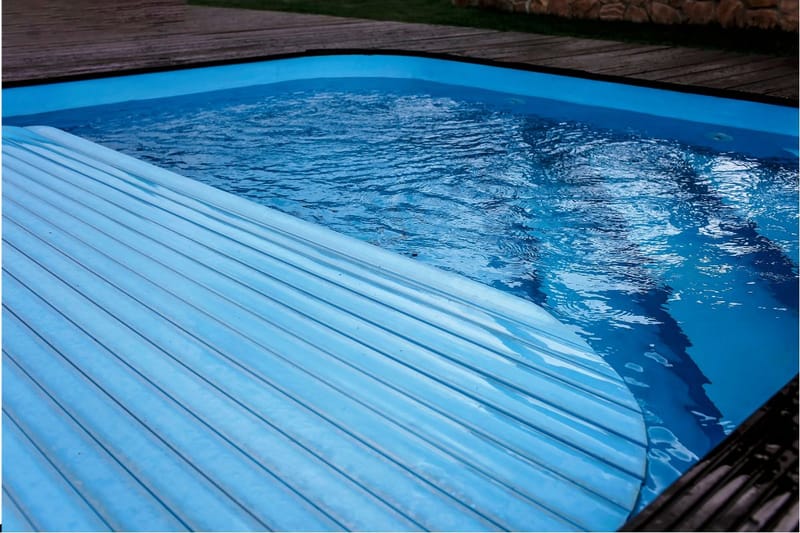
Pool covers aren't built like regular flooring. They're made with materials specifically designed for their primary function - covering pools. Most residential pool covers are made from heavy-duty vinyl or mesh materials that are strong enough to handle the weight of water and debris, but not necessarily human foot traffic. The construction varies significantly between different types of covers. For example, solid vinyl covers are typically thicker and more robust than mesh covers. Mesh covers allow water to pass through while blocking larger debris, but they're less sturdy under pressure. When you consider that these covers must withstand weather conditions, UV exposure, and seasonal changes, adding human weight creates additional stress. Think about it like this: would you walk on a tarpaulin that's meant to protect your car from rain? Probably not, right? That's essentially what we're dealing with here.
Types of Pool Covers and Their Weight Limits
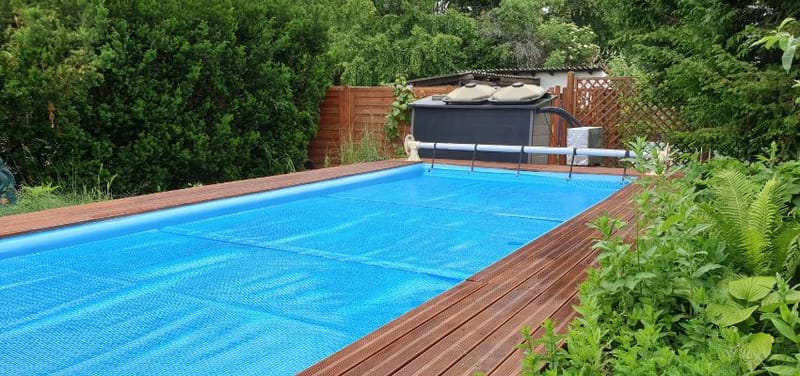
Not all pool covers are created equal. Here are the main categories:
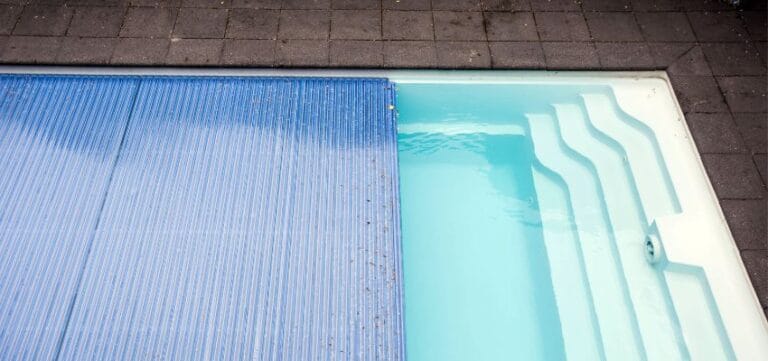
Each type has different weight limits and recommendations. Solid covers may support 10-20 pounds per square foot, but that's for temporary, scattered weight. Regular walking could easily exceed these limits. The numbers vary between manufacturers, so checking the specifications is crucial. Some high-end covers are rated for maintenance access, but even then, they're not meant for regular foot traffic. The real question isn't just 'can' you walk on them, but 'should' you?
Safety Concerns and Risks
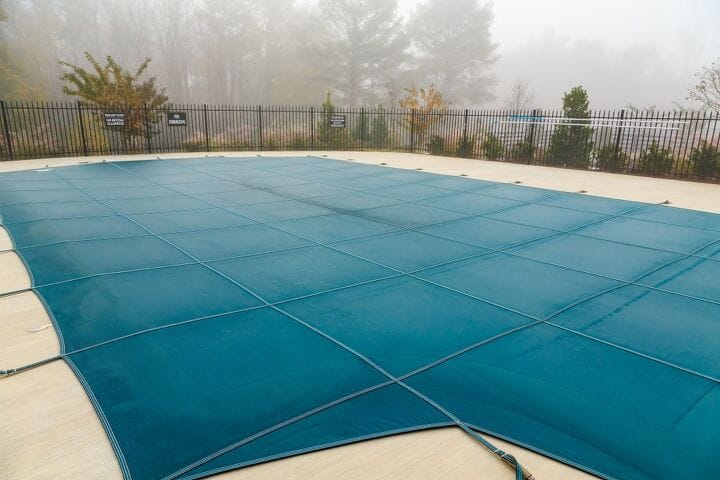
The risks of walking on pool covers go beyond just breaking through the material. There are serious safety issues involved. Imagine stepping onto a cover that looks solid but suddenly gives way beneath your feet. The consequences can be severe. You could fall into the pool, especially if the cover is old or damaged. Even if you don't fall in, you could injure yourself by landing awkwardly on a weak spot. The cover might collapse completely, creating a dangerous situation. Pool covers aren't designed with safety in mind for foot traffic. They don't have non-slip surfaces, and they're not built to distribute weight evenly. Plus, if you're walking on a wet cover, the risk of slipping increases dramatically. Consider how much more dangerous it becomes when you factor in weather conditions, age of the cover, and your own physical condition. It's not just about the cover itself - it's about the entire environment around it.
What Happens When You Step on Pool Covers
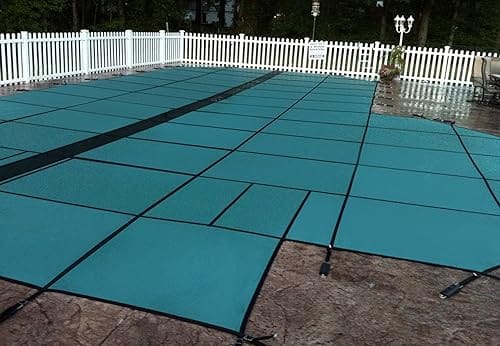
When you step on a pool cover, several things happen that might surprise you. First, the cover deforms under pressure. It bends, stretches, and compresses in ways it wasn't designed for. If you're lucky, it might just dent slightly. But if you're unlucky, you could create tears or holes. The material may stretch beyond its normal range, causing permanent damage. Over time, repeated walking creates wear patterns that weaken the structure. It's similar to how a chair leg can break if you lean on it too hard repeatedly. Pool covers also have to deal with temperature changes, which can make materials more brittle or flexible. When you add weight, especially concentrated weight from walking, you're essentially testing the cover's limits. And remember, the cover isn't just one piece - it's often connected in sections, so walking across seams creates additional stress points. You're not just putting weight on the cover; you're putting stress on the entire system.
Proper Maintenance and Cover Care
Taking care of your pool cover properly can extend its life and maintain its integrity. Regular cleaning removes debris that could cause damage. Proper storage during off-seasons prevents UV degradation and weather damage. Using appropriate covers for specific situations helps avoid unnecessary stress. For instance, using a winter cover during the winter months instead of leaving a summer cover exposed to harsh elements. Keeping covers clean and dry also means they'll perform better when they need to support any kind of weight. Regular inspection for signs of wear, tears, or weakened areas is essential. If you notice any damage, it's better to address it before it becomes a bigger problem. Maintenance isn't just about keeping things looking good - it's about ensuring they function as intended. A well-maintained cover will hold up better under stress, whether that's from wind, debris, or occasional foot traffic.
Alternatives to Walking on Pool Covers
There are safer alternatives to walking directly on pool covers. Many pool owners install walkways or platforms specifically designed for access. These can be temporary or permanent solutions. Some use specialized pool ladders or steps that provide safe access points. Others opt for covers with designated access panels or gates. For routine maintenance tasks, professional services are available. These experts know how to work safely around pool covers without risking damage. In some cases, removing the cover entirely for certain activities is the best approach. Sometimes, the safest path is simply to plan ahead and make sure you have proper access methods. Think about it this way: would you want to take shortcuts that could lead to problems later? Professional pool maintenance companies often recommend specific access methods to prevent cover damage. It's better to invest in proper solutions than to risk damage or injury.
So can you walk on pool covers? Technically, maybe in limited circumstances and with extreme caution. But practically speaking, it's not recommended for regular use. Pool covers are engineering marvels designed for specific purposes, and adding foot traffic creates additional stress that could compromise their effectiveness. The risks of injury, property damage, and safety hazards far outweigh any potential benefits. Instead of taking chances, consider investing in proper access solutions or consulting with professionals. Your pool cover deserves to do its job properly, and so do you. The next time you see someone walking on a pool cover, you'll know exactly why that's not the best idea. Whether you're planning a pool party or just trying to maintain your space, understanding the limitations and proper care of your pool cover is essential. Safety first, always. And remember, when it comes to pool covers, sometimes the best approach is simply to avoid stepping on them altogether.


