
Picture this: you're enjoying your backyard peace and quiet when suddenly, you notice a flurry of activity. Squirrels have taken over your space, chattering away and making a mess of your garden. It's frustrating, isn't it? You've probably seen them running up trees, digging holes in your flower beds, or even getting into your bird feeders. But what can you do about it? The good news is there are several approaches that work, and we'll explore them all.
Squirrels are fascinating creatures that add life to our outdoor spaces. Yet when they become too numerous or start causing problems, they can quickly turn from charming wildlife into unwanted pests. Whether they're damaging your garden, raiding your bird feeders, or creating a nuisance around your home, dealing with squirrels requires both understanding and action. This guide aims to provide you with practical solutions that are both effective and humane, helping you regain control of your yard while respecting these small mammals.
Understanding Squirrel Behavior
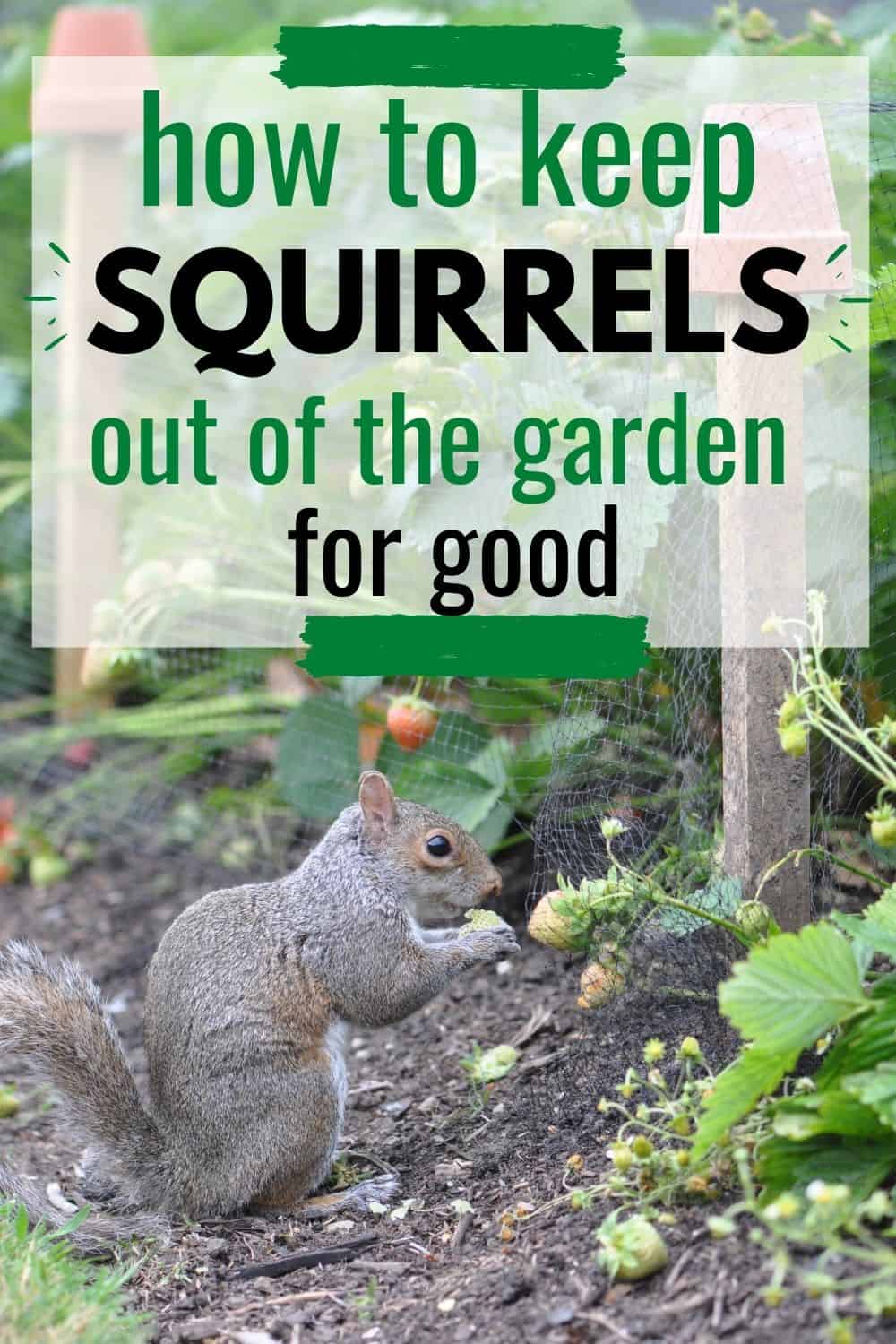
Before diving into solutions, it helps to know why squirrels are attracted to your yard in the first place. They're looking for food, shelter, and nesting spots. If you have bird feeders, nuts scattered on the ground, or easily accessible food sources, you're essentially sending out an invitation. Squirrels are also drawn to areas with tree cover for protection and nesting materials. Understanding their habits means you can better predict their movements and prepare accordingly. For instance, if you see them regularly visiting your feeders, you might want to consider moving them further from your house or using squirrel-proof feeders. These little acrobats are incredibly agile, so they can climb almost anything. They're also excellent jumpers, often leaping between branches and even buildings.
Physical Barriers and Deterrents
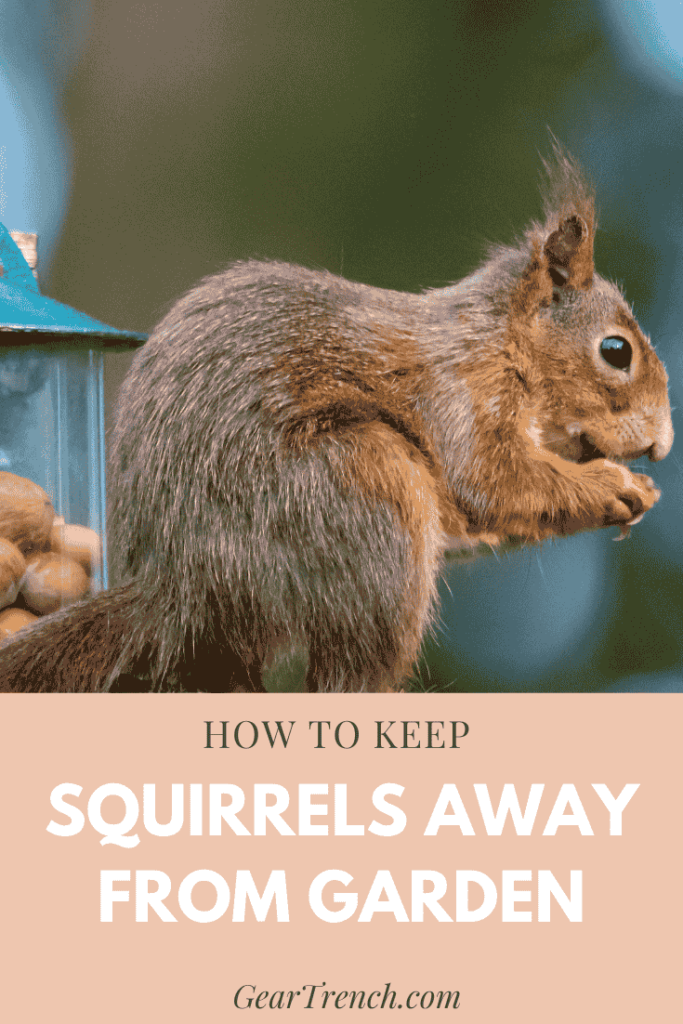
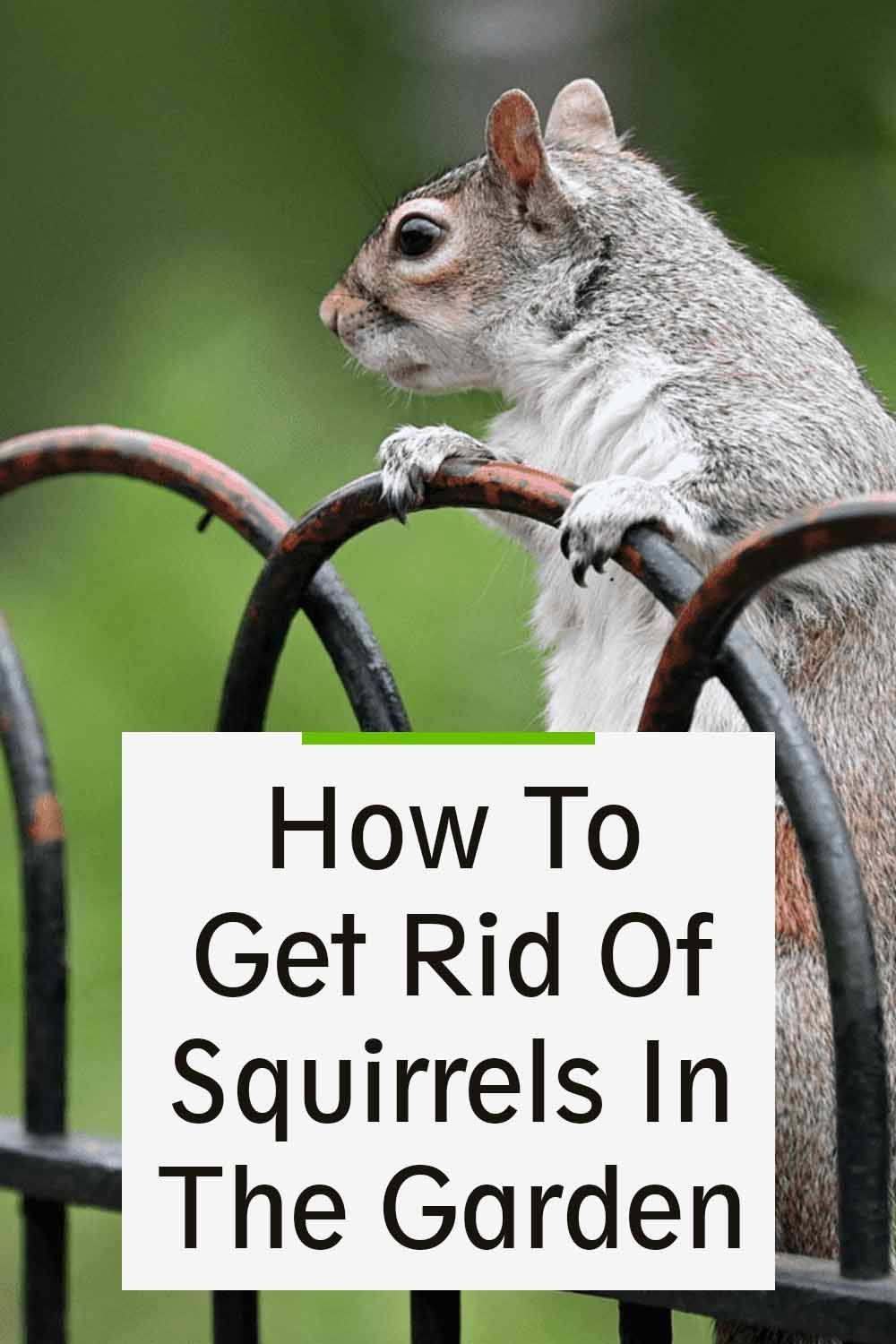
One of the most effective ways to prevent squirrels from entering your yard is through physical barriers. Installing wire mesh around vulnerable areas like garden beds or tree trunks can stop them from digging or climbing. Consider using hardware cloth that's at least one inch mesh size. Another approach is to modify your existing structures. For example, placing baffles on bird feeders prevents squirrels from accessing them. These cone-shaped devices sit between the feeder and the branch, stopping squirrels from climbing up. You can also try installing squirrel-proof bird feeders, which are designed with mechanisms that keep squirrels from getting at the seeds. Adding thick mulch or gravel around plants can make it harder for squirrels to dig. Remember, the key is consistency - once they figure out a way around your barriers, they'll find other routes.
Natural Repellents and Scents
Many gardeners swear by natural scents that squirrels find unpleasant. Peppermint oil, garlic powder, and coffee grounds are popular choices. You can mix these with water and spray them around problem areas. Some people also use predator urine, like fox or coyote scent, to make squirrels feel unsafe in certain zones. However, these methods require regular reapplication, especially after rain. The effectiveness varies greatly depending on the individual squirrel population and weather conditions. One gardener reported success with a mixture of cayenne pepper and water, though she had to reapply every few days. It's worth noting that some of these scents may also affect other wildlife, so use them thoughtfully. Also, while these smells might repel squirrels temporarily, they won't solve the underlying issue of food availability.
Food Management Strategies
The most powerful deterrent is often eliminating the reason for their presence. Remove fallen nuts and fruits promptly. Clean up bird feeders regularly, especially during peak squirrel season. Store birdseed in sealed containers to prevent easy access. If you have a squirrel problem, consider switching to squirrel-resistant seed blends or offering only sunflower seeds, which squirrels don't prefer as much. Some people find success in removing all food sources from their yards during problem periods. This includes not just bird feeders, but also pet food left outside and compost piles that attract them. It's a simple solution that works surprisingly well. The key is to be consistent - squirrels will return if they sense an easy meal waiting.
Habitat Modification Techniques
Squirrels prefer environments with plenty of trees and hiding places. By modifying your landscape, you can make your yard less appealing to them. Remove fallen logs and brush piles where they might nest. Trim tree branches that are close to your house or deck, making it harder for them to access upper levels. Install smooth surfaces where they might try to climb. You can also provide alternative nesting options elsewhere in your property, such as bird houses or squirrel boxes, to redirect their attention. Some people find success in creating a designated area where squirrels can forage without damaging their prized plants. It's a compromise that allows both wildlife and homeowners to coexist. Remember, these animals are part of the ecosystem, so aim for balance rather than complete elimination.
Professional Help and Legal Considerations
If DIY methods aren't working, professional pest control services can offer more specialized solutions. These experts can assess your situation and recommend tailored approaches. However, before calling in professionals, check local regulations about trapping or relocating squirrels. Many areas have laws protecting these animals, especially during certain seasons. Some municipalities require permits for trapping, and relocation is often illegal due to disease transmission concerns. Before taking drastic measures, consider that squirrels play an important role in seed dispersal and ecosystem health. Sometimes, a combination of methods works best. For example, combining physical barriers with food management creates a more comprehensive approach. Professional consultation might be worth considering if your situation is severe or if you're unsure about local regulations.
Dealing with squirrels in your yard doesn't have to be a nightmare. With the right mix of strategies, you can successfully manage their presence while still appreciating their natural behaviors. Remember, the key is to address the root causes rather than just treating symptoms. Eliminating food sources, providing physical barriers, and making your environment less attractive are all proven methods. While some approaches may take time to show results, consistency pays off. Don't forget that these creatures are part of nature's balance, and finding a middle ground often leads to better long-term solutions. Whether you're trying to protect your garden or simply reduce their nuisance factor, the strategies outlined here should give you a solid foundation to work from. Start with the simplest methods and build from there, adjusting as needed based on what works in your specific situation.


