
Picture this: your dog bounding through a beautifully designed outdoor space, chasing balls, exploring tunnels, and lounging in comfort. That dream backyard sanctuary isn't just wishful thinking. With thoughtful planning and creative vision, you can build a dog run that serves your pet's needs while enhancing your outdoor living space. Whether you have a small urban yard or sprawling acreage, there are countless ways to create an amazing outdoor area for your canine friend.
Every dog deserves a safe, fun place to play and explore outside. But not every backyard is perfectly suited for this kind of adventure. Some spaces are too small, others too large, and many fall somewhere in between. The good news? Creative dog run ideas can work with almost any backyard setup. Whether you're a first-time dog owner or a seasoned pet parent, designing the right outdoor space means considering your dog's personality, your available space, and how much time you want to invest in maintenance. Let's dive into some practical and imaginative approaches that will help you turn your outdoor area into a dog lover's paradise.
Understanding Your Dog's Needs
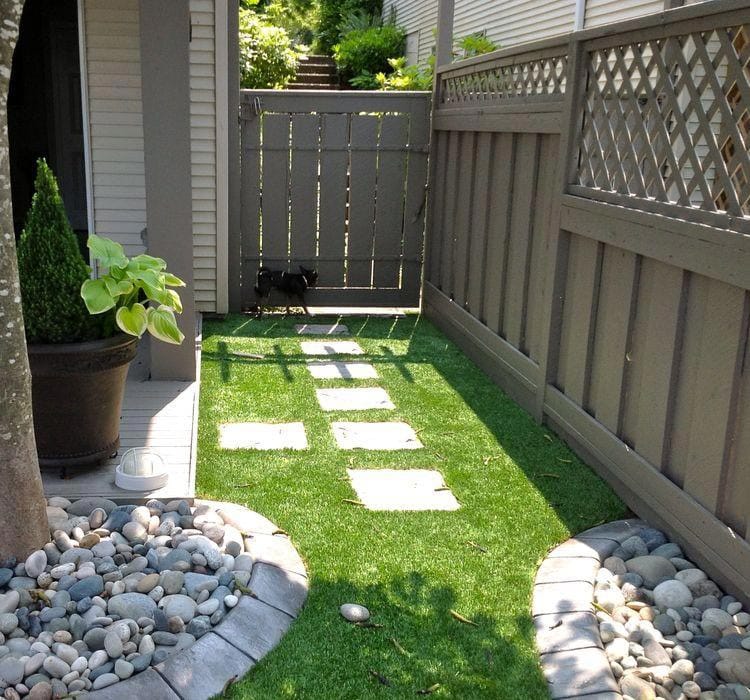
Before diving into design specifics, it's crucial to consider what your dog actually needs. Different breeds and personalities require different types of spaces. A high-energy border collie will need more room to run than a smaller, more sedentary breed like a pug. Some dogs love to dig, others prefer to climb or hide. Think about how much time your dog spends outdoors daily. If they're a social pup, maybe they'll enjoy a larger space with room for other pets or family members to join them. For older dogs or those with mobility issues, consider softer surfaces and gentle inclines. What's important is matching the space to their lifestyle rather than trying to force a one-size-fits-all solution. A good dog run should feel like a safe retreat where your pet can be themselves.
Space-Saving Solutions for Small Yards
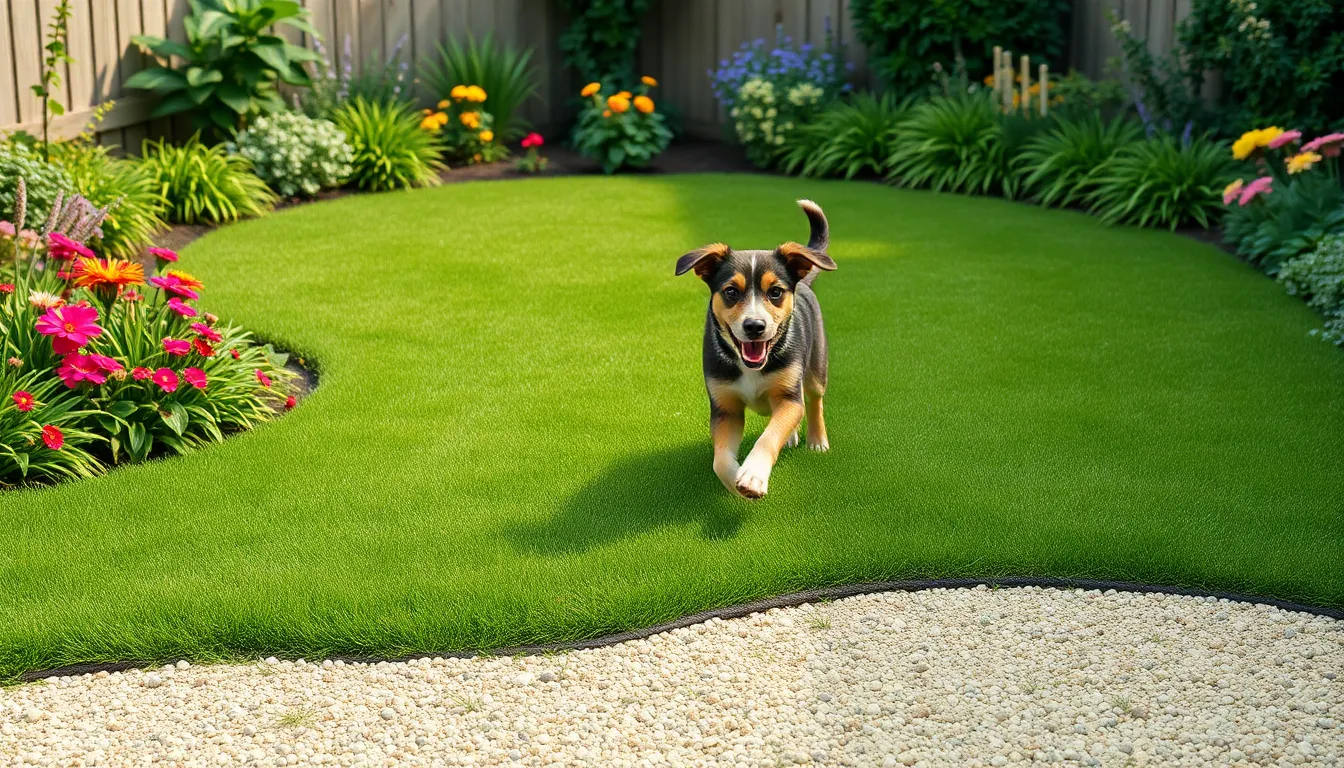
Small yards don't mean small dreams. Many creative solutions can maximize even the tiniest spaces. Vertical dog runs using trellises or multi-level platforms can make the most of limited ground area. Think about utilizing corners or awkward spaces that might otherwise go unused. A simple rectangular area with a few strategically placed obstacles can provide hours of entertainment. Consider adding a dog house or shelter that doubles as a decorative element. Even a 6x6 foot area can become a fantastic play zone with creative additions like hanging toys, agility equipment, or a small water feature. The key is focusing on quality over quantity when space is limited. Sometimes, a well-designed small space is better than a poorly planned large one. Remember, the goal is creating a dedicated space that feels like a special place for your dog.

Natural Materials and Sustainable Design
Building with natural materials isn't just trendy—it's smart. Wood, stone, and metal offer durability and a timeless look that complements most outdoor settings. Cedar and redwood are popular choices because they naturally resist weather damage and insects. Stone pathways or borders can add visual interest while providing a comfortable surface for your dog's feet. When selecting materials, think about sustainability and longevity. You want something that won't break down quickly or require constant replacement. Consider recycled materials like reclaimed wood or repurposed metal fencing. These options often cost less and create a unique character that you simply can't get from mass-produced items. Natural elements also tend to blend better with existing landscaping, making your dog run feel like part of the environment rather than an added fixture. Plus, dogs often prefer natural textures underfoot, especially if they're used to walking on grass or dirt.
Incorporating Safety Features
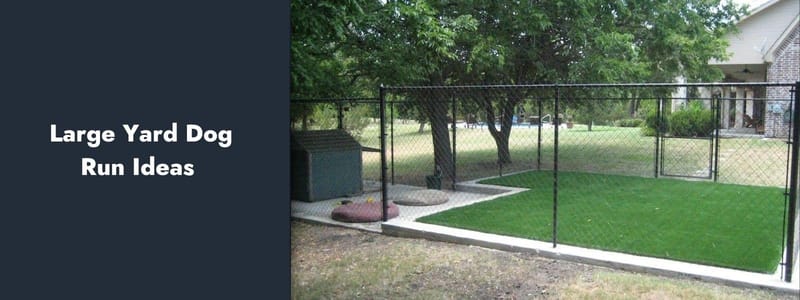
Safety always comes first when designing any dog space. This means proper fencing that keeps your dog contained while preventing escape attempts. The height should match your dog's jumping ability and prevent them from climbing out. Gates should be sturdy and secure, with latches that are easy for you but difficult for your pet to open. Consider adding soft padding to sharp edges or corners where your dog might bump into something. Install secure electrical outlets if you plan to add lights or electronic features. Check all hardware regularly for wear or loose connections. For larger dogs, make sure that any elevated areas or climbing structures are stable and properly anchored. It's also wise to have a designated area for food and water bowls that's separate from the main play space. A secure, well-designed dog run protects both your pet and your property from potential accidents or damage.
Creative Play Elements and Obstacles
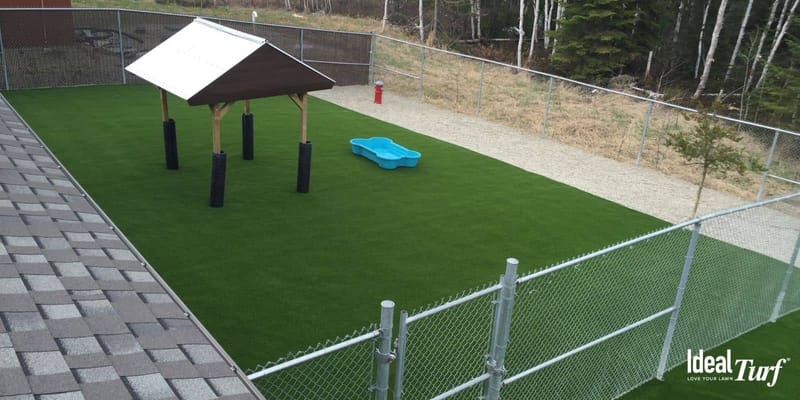
The magic happens when you add interactive elements that keep your dog engaged. Tunnels, ramps, and climbing structures turn a simple enclosure into a mini obstacle course. Many dog owners find that incorporating different textures creates a more stimulating environment. Think about adding a small pool or water feature for hot days, or a sand pit for digging enthusiasts. Agility equipment like weave poles, jumps, or a small tunnel system can provide mental stimulation along with physical exercise. Some owners even install puzzle feeders or treat-dispensing toys that encourage problem-solving. The key is mixing elements that appeal to different senses and abilities. A dog run that changes seasonally with new additions can keep your pet excited and active year-round. Remember, variety prevents boredom, and bored dogs often develop destructive behaviors when left alone in the same space too long.
Seasonal Adaptations and Maintenance
A successful dog run requires ongoing care and seasonal adjustments. In winter, consider adding heated areas or insulated shelters for cold-weather comfort. Summer might call for more shade coverage or cooling mats. Rainy seasons may require drainage improvements to prevent puddles. Regular cleaning is essential to maintain hygiene and prevent odors. This includes removing waste, washing surfaces, and checking for wear on equipment. Some dog owners find success with removable flooring that can be cleaned easily. Planning ahead for maintenance makes the job less overwhelming and keeps your dog's space looking great. Think about seasonal decorations or temporary additions that can change the look and function of your dog run throughout the year. This flexibility keeps things fresh for both you and your pet, ensuring your investment continues to serve its purpose effectively.
Creating the perfect dog run for your backyard is more than just building a fence around a patch of grass. It's about crafting a personalized sanctuary that reflects your dog's unique personality and your family's lifestyle. Whether you have acres of land or just a small patio, thoughtful design and creative thinking can transform any space into a wonderful outdoor experience for your furry friend. Remember, the best dog run combines safety, comfort, and fun in a way that serves both your pet and your home. Start small if needed, add elements gradually, and always prioritize your dog's happiness and wellbeing. With the right approach, your backyard can become the highlight of your dog's day—and perhaps even a source of joy for the whole family. The key is to take inspiration from what works, adapt it to your situation, and enjoy the process of creating something special together.


