
Picture this: you're enjoying your morning coffee, and suddenly a bushy-tailed friend decides to raid your bird feeder. Or worse, they've made themselves at home in your garden shed. Squirrels, while charming in small doses, can quickly become problematic when they start treating your property like their personal kingdom. The good news? There are several ways to gently encourage them to find their next adventure elsewhere.
Squirrels are incredibly adaptable creatures that have learned to thrive in urban environments alongside humans. While they might seem harmless, their presence in your yard can quickly turn from cute to concerning. They're notorious for damaging trees, gardens, and even your home's exterior. The challenge lies in finding solutions that work for both you and these furry neighbors. This guide will walk you through practical strategies that respect wildlife while protecting your property.
Understanding Squirrel Behavior
Before diving into solutions, it helps to know what makes squirrels tick. These agile creatures are primarily active during daylight hours, especially in early morning and late afternoon. They're excellent climbers and can easily access rooftops, tree branches, and even your attic if given the chance. Squirrels are attracted to areas with abundant food sources, water, and shelter. They're particularly fond of nuts, seeds, fruits, and anything that looks like a potential snack. Understanding their habits means you can better predict their movements and plan accordingly. For instance, if you notice them regularly visiting your garden, it might be time to reevaluate your plant choices or feeding schedule.
Physical Barriers and Deterrents
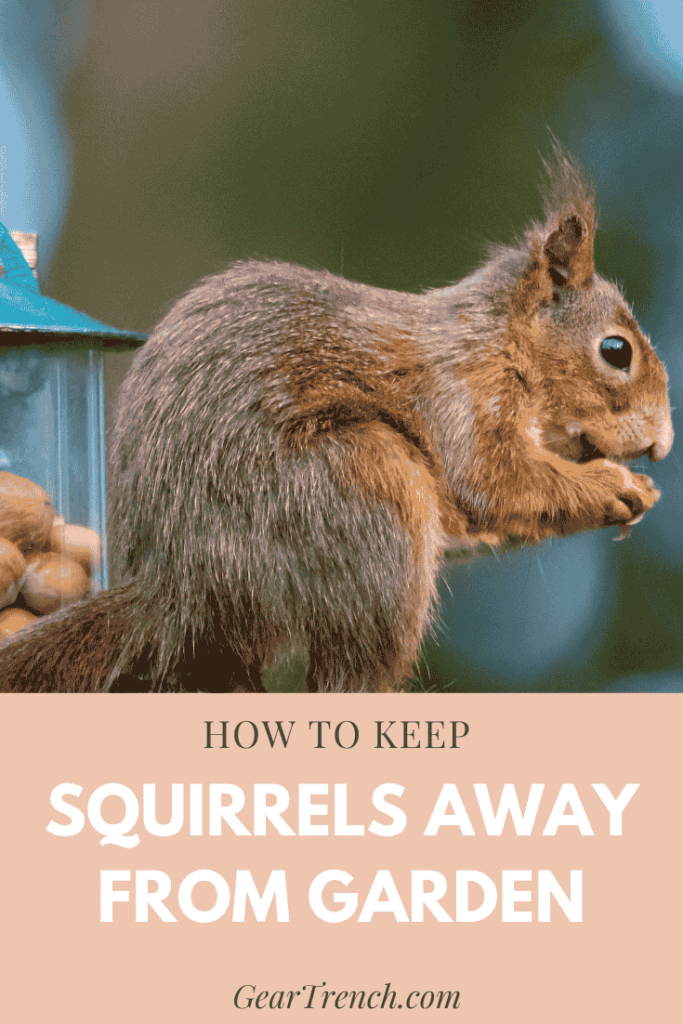
The first line of defense often involves making your property less appealing to squirrels. Installing physical barriers can be surprisingly effective. Consider adding squirrel guards around tree trunks to prevent climbing. These metal collars, placed about four feet above ground, stop them from reaching higher branches. You can also use wire mesh to cover vulnerable areas like bird feeders or garden beds. Another approach involves using motion-activated sprinklers that surprise squirrels when they approach. The sudden burst of water often teaches them to avoid certain spots. Some people swear by placing fake predators like owls or snakes in their yards, though these tend to be temporary solutions as squirrels quickly realize they're not real threats.
Food Management Strategies
One of the most powerful tools in your arsenal is controlling what food is available to squirrels. Remove fallen fruit and nuts promptly from your yard, as these attract them like magnets. If you have bird feeders, consider switching to squirrel-proof models or relocating them away from trees and structures. Clean up any spilled seed from bird feeders regularly. Some gardeners find success by planting squirrel-resistant plants such as daffodils, alliums, or marigolds. These naturally bitter plants deter squirrels without harming them. Also, don't forget to secure garbage cans tightly, as the smell of food can draw squirrels from miles away. Remember, when there's no easy meal to be found, they'll move on to greener pastures.
Natural Repellents and Scents
Squirrels have a keen sense of smell, and certain scents can be quite effective deterrents. Peppermint oil mixed with water in a spray bottle can be applied around problem areas. The strong scent confuses them and makes the area less appealing. Other natural options include using predator urine, garlic spray, or even coffee grounds scattered around vulnerable spots. However, these treatments require regular reapplication, especially after rain. Some people also use citrus peels or orange rinds, which squirrels typically avoid. It's worth noting that while these methods work for some, others may simply ignore them. The key is consistency and combining multiple approaches for maximum effectiveness.
Professional Solutions and Trapping
When DIY methods aren't enough, professional help might be necessary. Wildlife removal services specialize in humane squirrel relocation, ensuring animals are safely moved to appropriate habitats. Before trapping, check local regulations, as some areas require permits or have specific seasons for wildlife removal. Live traps work best when baited with nuts or seeds, but remember to check them frequently to avoid harming the animals. If you decide to trap squirrels yourself, always follow humane practices and release them far from your property. Professional services can also provide advice on preventing future issues and offer long-term solutions tailored to your specific situation. Sometimes, the best approach is getting help from someone who deals with these situations regularly.
Long-Term Prevention Techniques
Prevention is always better than cure, especially when dealing with persistent squirrels. Start by identifying what attracts them to your space in the first place. Are there bird feeders? Unsecured trash cans? Tree branches close to your roof? Once you've identified the problem areas, address them systematically. Install baffles on poles supporting bird feeders to prevent squirrels from accessing them. Seal any entry points to your home, including gaps in eaves, vents, or under roofing materials. Regular maintenance of your property can make it much harder for squirrels to establish themselves. Consider landscaping changes that make your yard less appealing, such as removing low-hanging branches or planting thorny shrubs. Think of it as creating a gentle but firm boundary that tells squirrels they're welcome to visit occasionally, but not to stay long.
Getting rid of squirrels in your yard requires patience, creativity, and often a combination of methods. What works for one person might not work for another, so don't be discouraged if your first attempt doesn't succeed immediately. Remember, these animals are part of our ecosystem and play important roles in nature. The goal isn't necessarily to eliminate them entirely, but rather to create a peaceful coexistence. By understanding their behavior and implementing smart strategies, you can protect your property while allowing squirrels to continue their important role in the environment. Whether you choose natural repellents, physical barriers, or professional assistance, the key is staying consistent and adapting your approach based on what your specific situation requires. Your yard can remain a beautiful space while still being respectful of the wildlife that shares it with you.


