
Yard sales aren't just about selling old stuff – they're about community, nostalgia, and finding hidden gems. Whether you're clearing out your attic or helping a neighbor declutter, a well-planned yard sale can bring joy to everyone involved.
There's something magical about a neighborhood yard sale. The morning sun casting shadows across neatly arranged tables, the gentle chatter between sellers and buyers, and that special thrill when someone discovers that perfect vintage teapot or charming wooden toy. But making a yard sale work isn't just about having things to sell. It takes planning, strategy, and a touch of heart. What if you could turn your driveway into a bustling marketplace that brings neighbors together while making some extra cash? That's exactly what a great yard sale can do. You'll find that most successful yard sales share common elements – preparation, pricing wisdom, and genuine hospitality.
Planning Your Sale
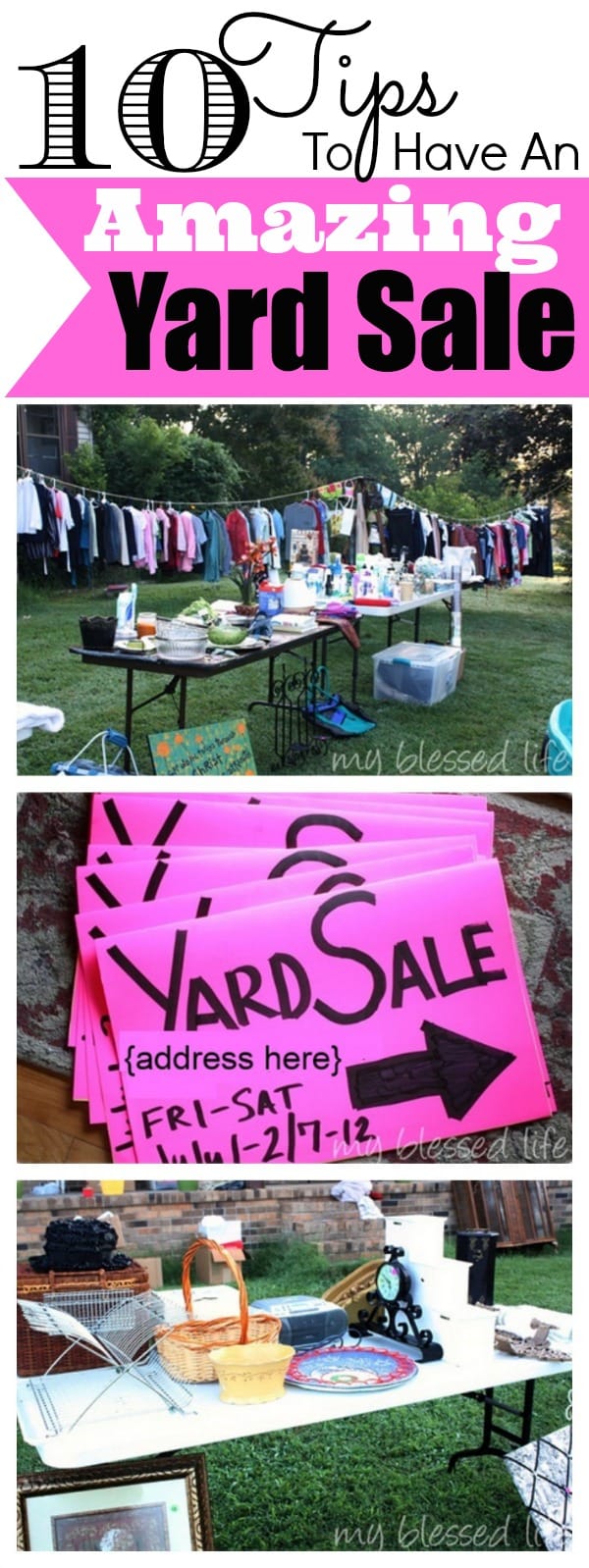
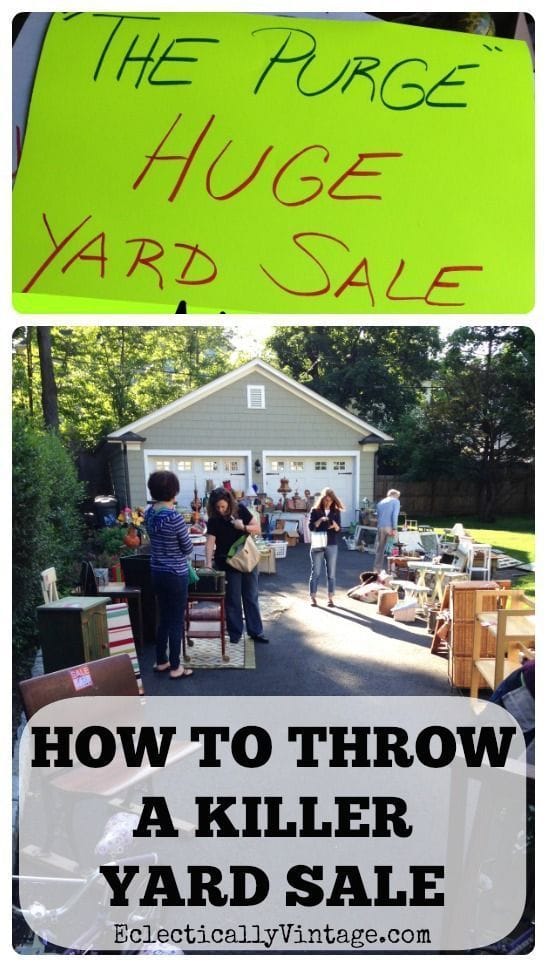
Start thinking about your yard sale at least two weeks before you want to host it. Choose a day that works for most people – typically Saturday mornings work best. Check your local weather forecast, and plan accordingly. If rain is in the forecast, consider moving your sale to another day. Select a location that's easily visible from the street, with good parking nearby. Make sure you have enough space to accommodate your items and buyers. Consider how much room you'll need for tables, chairs, and foot traffic. Also, think about what time you want to start. Early morning is usually best – around 8 AM gives people time to get their morning routine started and still enjoy the sale before the workday begins.
Sorting and Organizing
The magic happens when you sort through all those items that have been gathering dust in your home. Start by going room by room, separating items into categories. Keep everything that's still in good condition, even if it seems small or insignificant. Think about what might appeal to others. A set of vintage dishes might be worth more than a single plate. Look for items that are in good shape, clean, and well-preserved. This is also the time to decide what you're willing to give away. Some people prefer to donate items rather than sell them, especially if they're not worth much. Be honest about what you're selling – no one likes feeling tricked. Consider organizing items by category on tables or in boxes. Group similar items together so buyers can easily browse. For example, put all the books in one area, toys in another, clothing in a third, and so forth. This makes it easier for people to find what they're looking for and helps them spend more time browsing.
Pricing Strategies
Pricing is both an art and a science. The goal is to price items attractively enough to sell quickly, but fairly enough to make you feel good about the transaction. Start by checking what similar items are selling for online or at other local sales. You might be surprised to see how much a vintage toy or a pair of earrings actually costs. Set prices low enough that people won't hesitate to buy, but high enough that you're getting a fair return. A general rule of thumb is to price items at about half of what you think they might sell for. Test your pricing by asking a friend to look over your items and suggest prices. Sometimes we get too attached to things and overprice them. For items you're unsure about, ask a friend or family member for their honest opinion. Consider using a tiered approach – cheaper items for kids, mid-range prices for adults, and premium prices for collectibles or vintage finds. Remember, you're trying to build relationships, not just make money.
Setting Up Your Tables
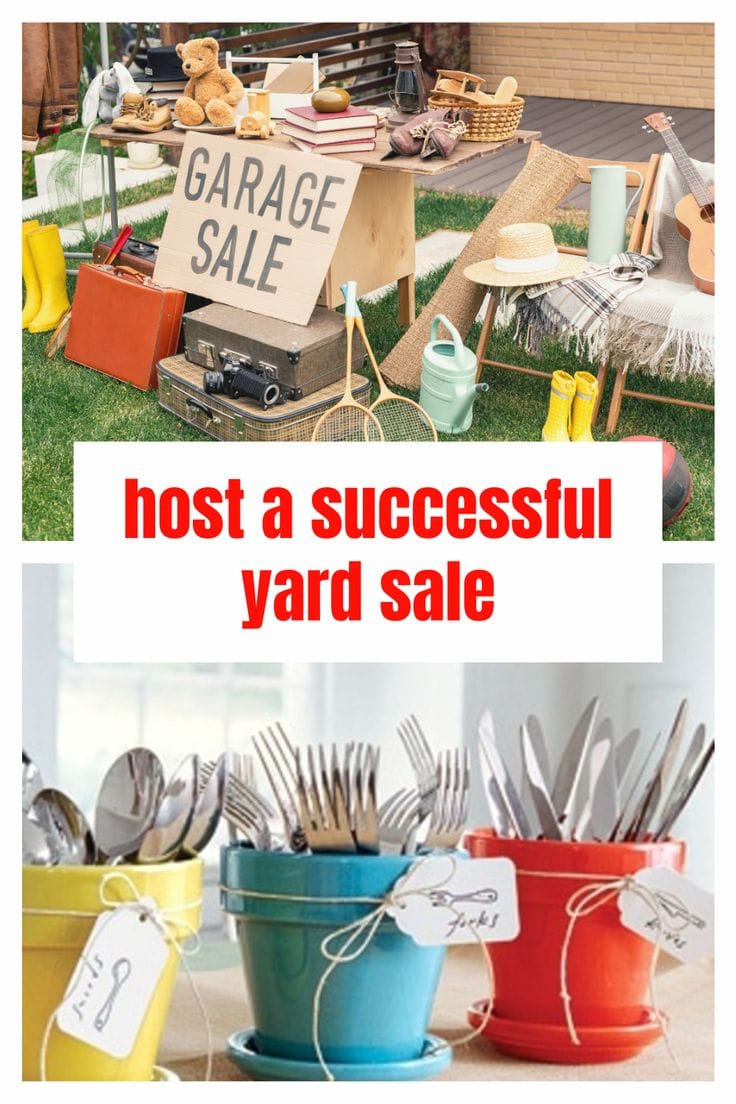
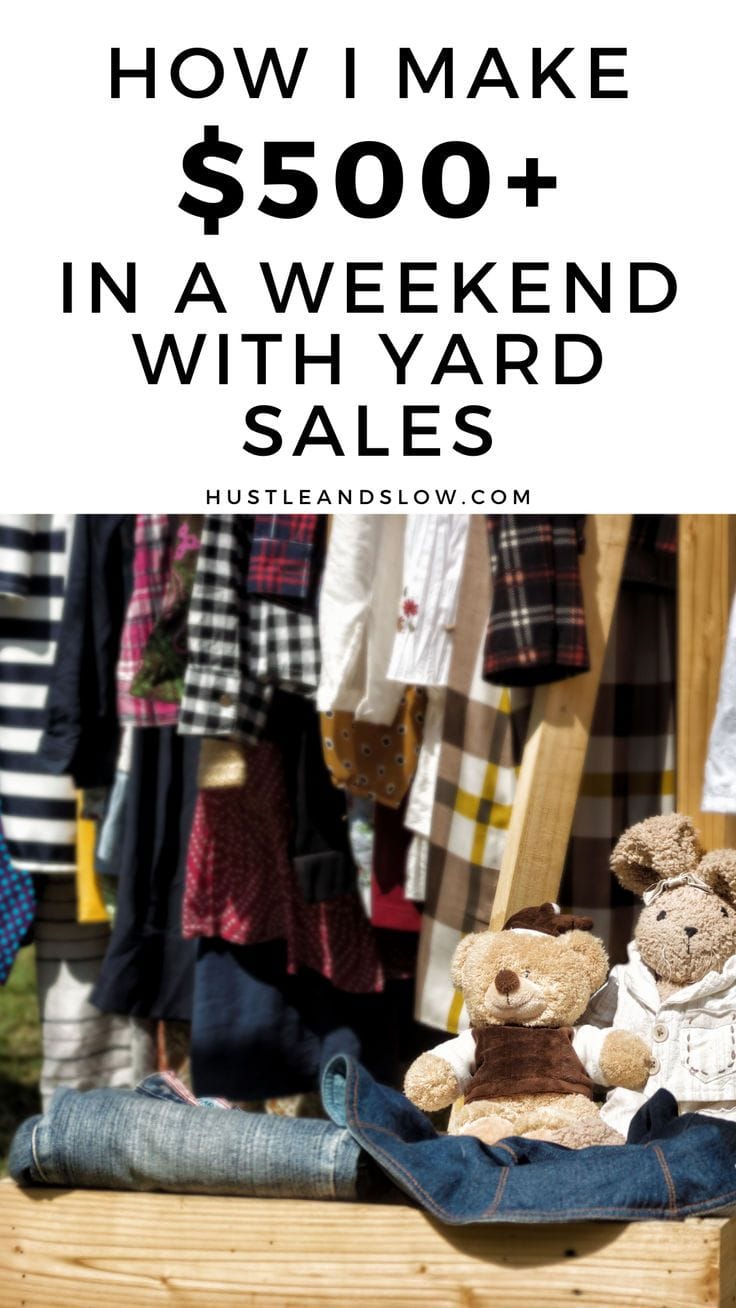
Your setup matters more than you might think. People are drawn to visually appealing displays, so make sure your tables look inviting. Use attractive tablecloths or even newspapers if you don't have fancy ones. Arrange items so they're easy to see and reach. Put smaller items on lower shelves, and bigger items higher up. Don't forget to include some eye-catching displays – maybe a small collection of vintage postcards or a display of handmade crafts. Make sure there's plenty of space between tables so people can move around comfortably. Use labels or tags for each item with clear prices. If you're selling items that might be confusing or hard to identify, include brief notes explaining what they are or how they're used. Good lighting is essential, especially if you're setting up early in the morning or if it's cloudy. Natural light is ideal, but a few portable lights can help highlight special items or create a cozy atmosphere.
Marketing and Promotion
Letting people know about your sale is crucial. Start by posting on social media platforms like Facebook, Nextdoor, or local community groups. Include details like date, time, location, and a few photos of items you're selling. Many people rely on word-of-mouth, so tell your neighbors, friends, and family about the sale. Send out flyers or post cards to nearby households. Consider creating a simple sign to place near your driveway or entrance that clearly states when and where the sale is happening. Some people even make a small advertisement in their local newspaper. Don't forget to mention any special items or deals you're offering. For instance, 'All books under $2' or 'Bargain bin – everything $1'. You can also ask neighbors to spread the word, as people often appreciate knowing about upcoming events in their community. The more people who know about your sale, the better chance you have of having a successful event.
Making It a Community Experience
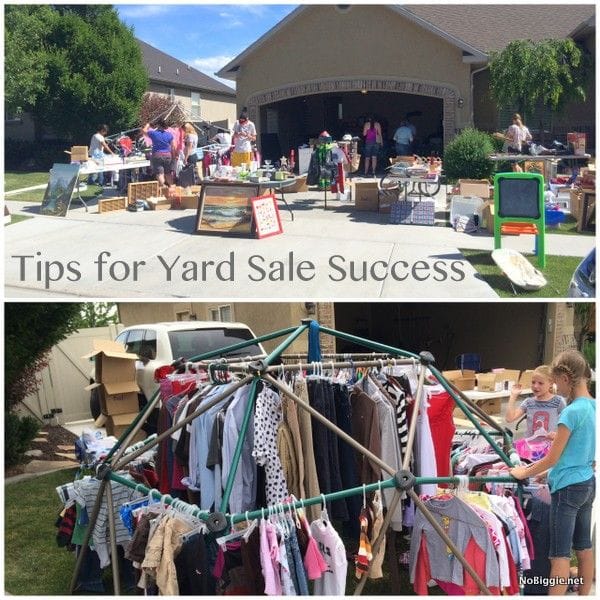
A good yard sale isn't just about selling items – it's about bringing people together. Welcome visitors with a smile and offer to help them find what they're looking for. Ask questions about their interests or hobbies – this can lead to interesting conversations and connections. Be patient with buyers who take their time looking through items. They may be searching for something special or simply enjoying the experience. Encourage families to come with children, as many kids love exploring new things and discovering treasures. Consider offering refreshments like coffee or water to keep people comfortable during their visit. Sometimes, people will come back multiple times, so being friendly and helpful creates lasting relationships. When people feel welcomed and appreciated, they're more likely to return and bring others along. You might even find that some regulars become loyal customers who know exactly what they're looking for and always come back for the same items.
Final Tips and Tricks
Here are some additional pointers to help make your yard sale a success:
Remember, the goal isn't just to make money – it's to create a positive experience for everyone involved. A successful yard sale leaves people feeling happy and connected to their community.
Hosting a successful yard sale is really about more than just selling items. It's about creating a shared experience that brings neighbors closer together and helps people find treasures they never knew they were looking for. With proper planning, thoughtful organization, and genuine hospitality, your yard sale can become a beloved tradition in your community. The key is to approach it with patience, creativity, and a willingness to connect with others. Whether you're selling a few items to make some extra cash or trying to clear out your entire house, a well-run yard sale can be incredibly rewarding. So next time you're considering hosting one, remember that it's not just about what you're selling – it's about the connections you're building and the memories you're creating. You might be surprised at how much joy and satisfaction comes from helping others find something special, while also finding a few treasures yourself.


