
Picture this: you're relaxing on your porch, enjoying the shade of a beautiful pergola, feeling the gentle breeze through the open beams. But have you ever wondered how that structure actually stays attached to your house? It's not just about aesthetics - it's about safety, durability, and creating a lasting outdoor space that enhances your home.
When you're planning to add a pergola to your home, one of the most crucial decisions involves how to properly connect it to your existing structure. This isn't just about making it look pretty - it's about ensuring your investment lasts for years to come. Whether you're building a new pergola or adding one to an existing deck or house, understanding the attachment methods is key to success. The right approach means your pergola will stand strong against weather, wind, and time while providing that perfect outdoor sanctuary you've always dreamed of.
Understanding Different Attachment Methods
There are several ways to connect a pergola to your house, each with their own advantages. The most common approaches include using brackets, posts that extend directly into the house foundation, and attachment systems that work with existing structures like decks or porches.
The first method involves installing metal brackets or plates that bolt directly to the house frame. These are often used when connecting to a house's exterior wall or siding. The second approach means building posts that go straight into the ground and then extending up to meet the pergola structure. This works well when you want maximum stability and don't mind a more substantial installation.
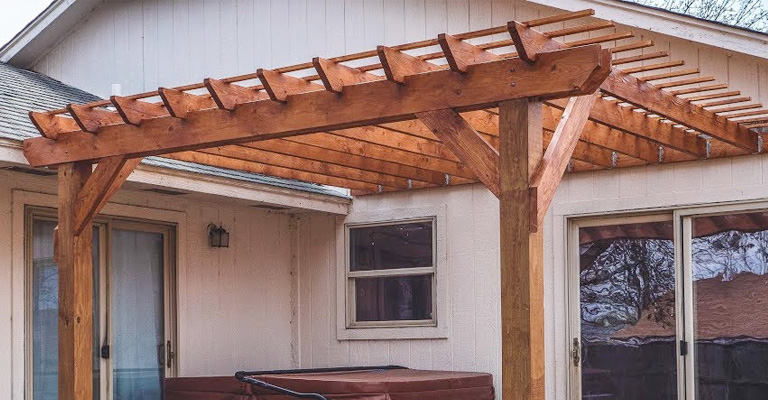
For homes with existing decks or porches, you might find that the pergola can simply be attached to those structures. This saves money and time, plus it creates a seamless transition between indoor and outdoor spaces. The key is choosing the right method based on your specific situation and the load requirements of your pergola design.
Choosing the Right Hardware and Materials
Selecting quality hardware makes all the difference in how well your pergola stays attached to your house. Look for galvanized steel or stainless steel brackets that can handle the weight and weather exposure. These materials resist rust and corrosion much better than regular steel.
Consider the size of your pergola when selecting hardware. Larger structures need bigger, stronger fasteners. A typical pergola might require 1/2 inch diameter bolts, but heavier designs could need 3/4 inch or even larger.
The wood you choose for your pergola also matters. Pressure-treated lumber or cedar are popular choices because they resist rot and insects. When attaching to a house, you'll want to use materials that won't cause damage to your home's siding or walls.
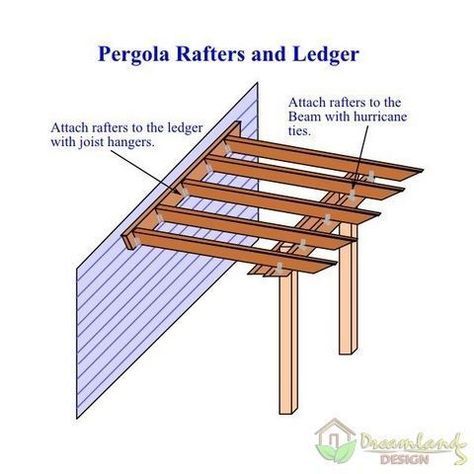
Don't forget about the connectors themselves. Some systems use expansion anchors, others rely on threaded rods. Each has its place depending on whether you're attaching to brick, concrete, wood, or vinyl siding.
Planning Your Pergola Attachment Points
Before you start drilling holes or welding brackets, proper planning is essential. First, determine exactly where you want your pergola to sit in relation to your house. This decision affects everything from structural integrity to the overall appearance.
Measure carefully from your house to ensure proper alignment. You want the pergola to hang evenly and not lean in any direction. Consider the roof overhang of your house - you might want to position the pergola to match or complement that existing feature.
Check for any electrical wires, plumbing, or other utilities behind the wall before you begin. A simple inspection with a stud finder or consulting with a professional can save you from costly mistakes later.
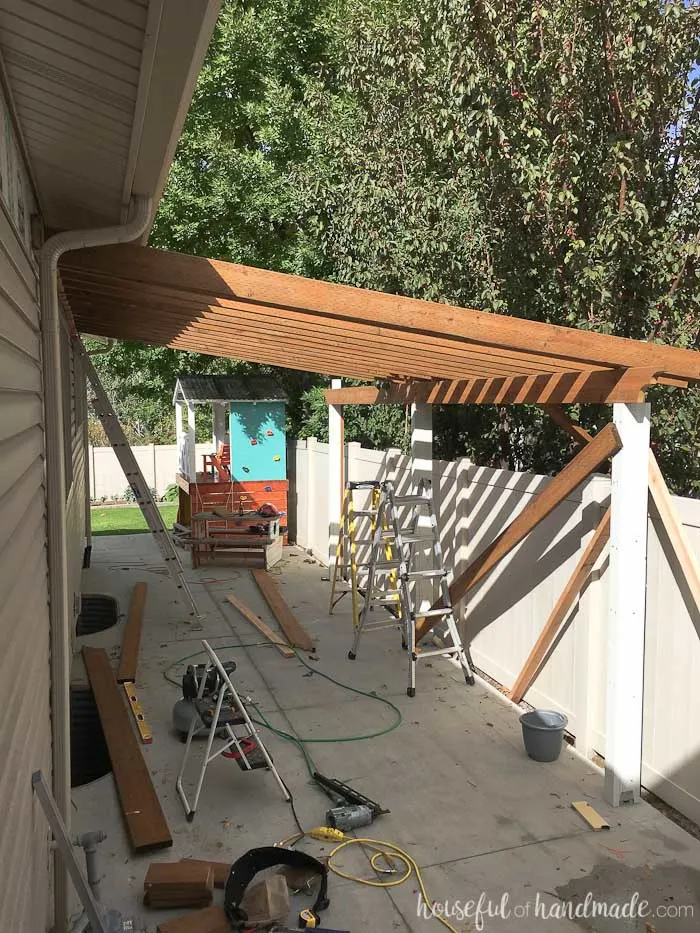
Think about access to the area where you'll install the attachment hardware. You need room to work, and sometimes you'll need to remove some siding or trim to get proper access. Plan ahead for this.
Preparing the House Wall for Installation
The surface you're attaching to plays a major role in how well your pergola holds up over time. If you're mounting directly to wood siding, you might need to reinforce the area around where you'll drill.
Concrete or brick walls require different preparation. You'll likely need to use masonry bits and possibly anchor bolts designed for stone or concrete surfaces. Make sure the wall is solid and won't crack under stress.
If you're working with vinyl siding, be extra careful. These materials can be easily damaged if you don't use the right tools and techniques. Consider using special vinyl siding clips or brackets designed specifically for this purpose.

Always check that the house's framing aligns with where you plan to mount. If you're attaching to studs, you'll have much better support than if you're trying to mount to drywall alone. You might need to locate studs with a stud finder or tap on the wall to listen for solid areas.
Installation Process: Step-by-Step Guide
The actual installation process requires patience and attention to detail. Start by marking your attachment points clearly. Use a level to make sure everything is straight, and double-check your measurements.
Drill pilot holes slightly smaller than your screws or bolts. This prevents the wood from splitting and ensures a tighter fit. For concrete or brick, use appropriate masonry bits and consider using construction adhesive for extra security.
Install the bracket or plate first, making sure it's flush against the wall. Tighten the bolts gradually, working in a crisscross pattern to distribute pressure evenly. Don't overtighten - you want to allow for some movement and expansion.
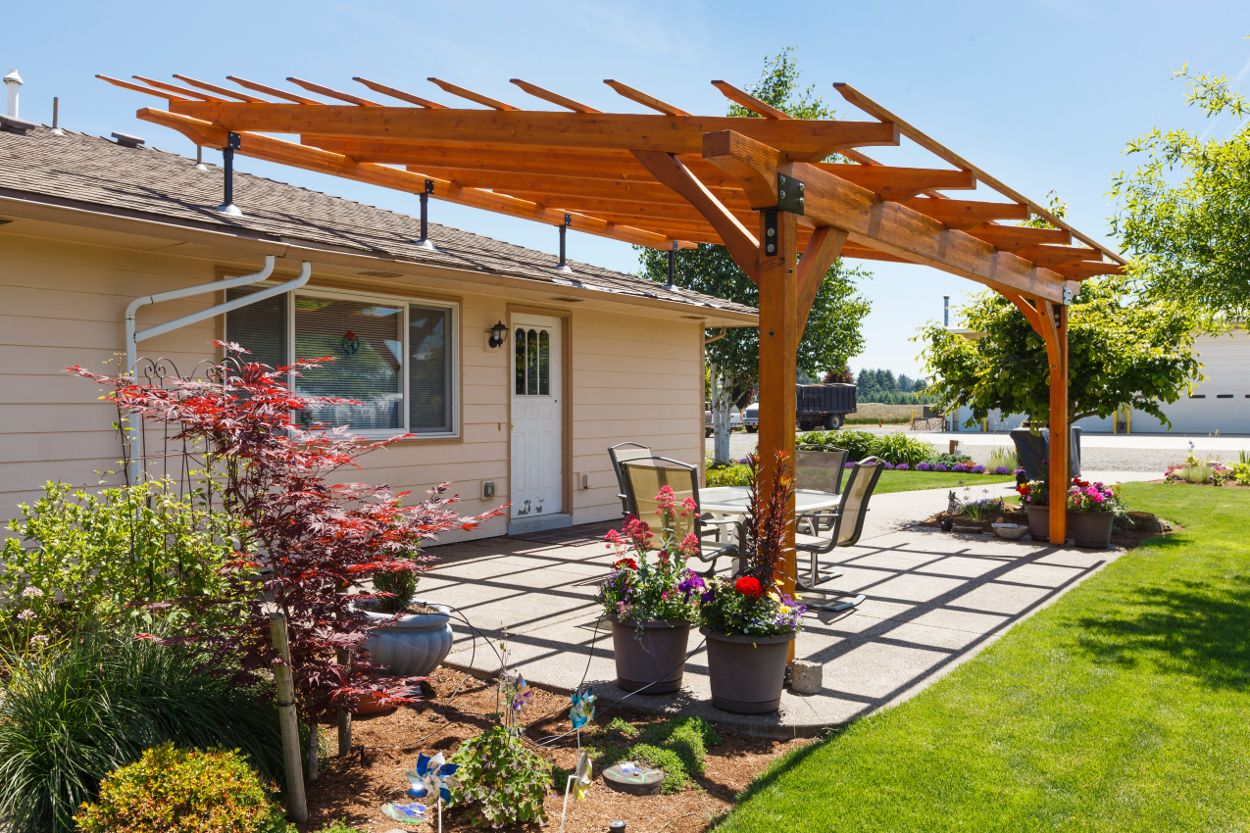
Once the main bracket is secure, attach the first beam or post. Check that it's level and properly aligned. Continue adding sections, checking frequently to ensure everything remains square and true.
Remember to leave some flexibility in your design. Weather causes materials to expand and contract, so rigid connections can actually cause problems over time.
Safety Considerations and Best Practices
Safety should always be your top priority during any pergola installation project. If you're unsure about your ability to safely attach a pergola to your house, don't hesitate to hire a professional. Structural engineering is complex, and mistakes can lead to serious damage or injury.
Always wear protective gear including gloves, safety glasses, and sturdy boots. Power tools generate debris and dust that can harm you.
Check local building codes before beginning. Some areas require permits for pergola installations, especially if they're connected to the house. These regulations exist to protect homeowners and neighbors.
Test your installation thoroughly before putting full weight on it. Even if everything looks correct, give yourself time to inspect for any issues. Small problems can become big ones if left unaddressed.
Consider the wind loads in your area. If you live in a particularly windy region, you may need additional reinforcement or different attachment methods than someone in a calmer climate.
Attaching a pergola to your house is both an art and a science. It combines structural knowledge with practical craftsmanship to create something that enhances your living space for years to come. The key is taking your time, doing your research, and choosing the right methods for your specific situation. Whether you're a seasoned DIYer or someone tackling this project for the first time, remember that proper attachment means proper enjoyment. A pergola that's securely fastened not only looks better but also provides the reliable shelter and shade you've been dreaming of. Take the time to do it right, and your outdoor space will reward you with countless hours of relaxation and entertainment. The satisfaction of a job well done, combined with the beauty of your new outdoor area, makes every effort worthwhile.


