
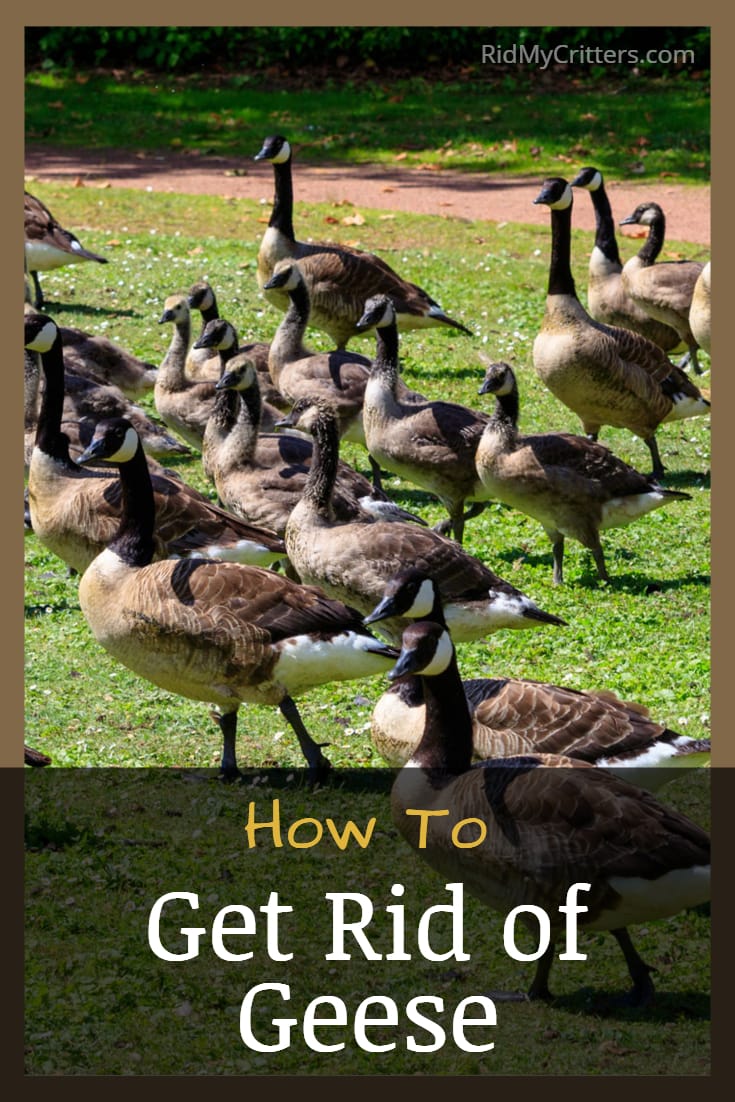
Picture this: You're enjoying your backyard, maybe grilling with friends, when suddenly a gaggle of geese decides your lawn is their personal kingdom. These magnificent creatures can turn a peaceful outdoor space into a chaotic battleground. It's not just about the noise and mess – geese can damage your grass, contaminate your water features, and create serious safety concerns for pets and children. But here's the good news: you're not powerless against these feathered intruders.
Geese have become one of the most common backyard nuisances across North America. Their presence often starts innocently enough – perhaps a pair of Canada geese decides your yard offers the perfect spot for nesting. Before you know it, you're dealing with a full-blown goose invasion. These birds are surprisingly persistent, and they tend to return year after year to claim the same territory. The problem isn't just aesthetic either; geese can cause significant damage to lawns, create health hazards with their droppings, and pose risks to small children and pets. What makes this situation even more frustrating is that geese are protected under federal law, which means we can't simply shoot them or remove them without proper consideration. So how do you manage these birds while staying within legal boundaries? The answer lies in understanding their behavior and implementing smart, humane strategies that work.
Understanding Why Geese Choose Your Yard
Before you start planning your goose removal strategy, it helps to understand what draws these birds to your property in the first place. Geese are attracted to areas that offer several key elements: open water sources, easy access to food, and safe places to nest and raise their young. Your yard might seem like a paradise to a goose if it has a pond, fountain, or even just a small puddle. They're also drawn to well-maintained grass areas where they can easily find insects and plant matter. The problem becomes worse when geese discover that your yard provides all these essentials without any real threats. They'll often establish territories and return seasonally, sometimes even becoming quite territorial toward humans. Understanding these motivations helps you address the root causes rather than just reacting to the symptoms. Think of it like trying to solve a puzzle – you need to figure out what pieces are missing before you can put everything back together properly.
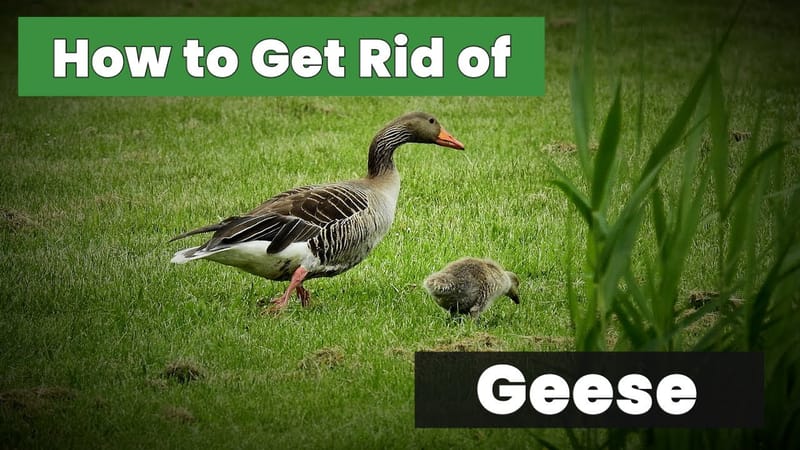
Humane Deterrents That Actually Work
The key to successful goose management lies in using humane methods that make your yard less appealing to these birds. One of the most effective approaches involves removing the attractions that draw them to your property. If you have a pond or water feature, consider installing a fountain or aerator to make the water less attractive to geese. They prefer still water, so moving water creates a natural deterrent. Physical barriers also work wonders. Installing fencing around areas where geese tend to congregate can prevent access. A 3-foot-high fence made of wire mesh works well, though it needs to extend underground to prevent geese from slipping underneath. Another popular method involves using visual deterrents like decoys. Plastic herons or fake coyotes can fool geese into thinking there's danger nearby. However, these must be moved regularly to maintain effectiveness since geese quickly learn that stationary objects are harmless. Motion-activated sprinklers also provide a surprising amount of deterrent power, especially when combined with other tactics.

Making Your Lawn Less Appealing
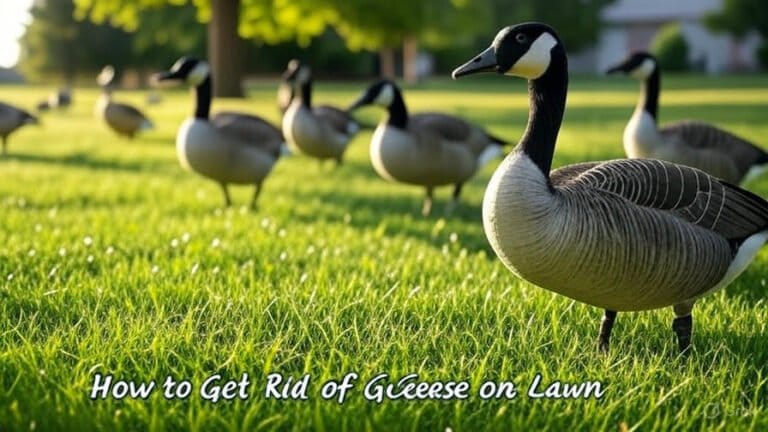
One of the biggest mistakes homeowners make is leaving their lawns in a state that geese find irresistible. These birds love freshly cut grass because it's easy to eat and provides quick nutrition. Consider adjusting your mowing schedule to keep grass slightly longer, particularly in areas where geese spend time. Geese prefer shorter grass because it makes it easier to spot predators and find food. Keeping grass taller creates a natural barrier that discourages them from entering. Additionally, reducing the amount of fertilizer you use can help. Excess nutrients in the soil promote lush, tender growth that geese find especially appetizing. Instead of heavy feeding, opt for organic fertilizers that encourage stronger, more fibrous plant growth. You might also try planting certain grasses that geese dislike, such as fescue varieties. Creating a buffer zone with shrubs or trees around your perimeter can also help by providing alternative spaces for geese to visit while keeping them away from your main lawn areas.
Managing Food Sources and Water Access
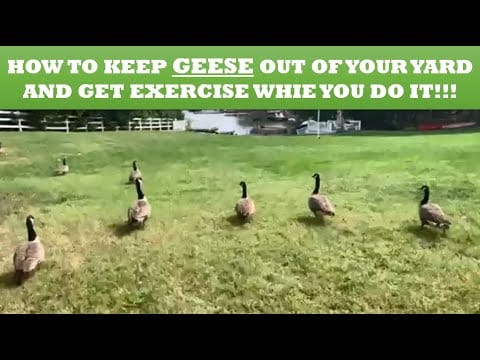
Food and water are the two main drivers of goose behavior on residential properties. If you feed birds or animals in your yard, stop immediately. Even well-meaning efforts to feed wildlife can backfire spectacularly when geese discover they've found a reliable food source. This is particularly true for bread, which many people think is good for birds but actually causes serious health problems in geese and other waterfowl. If you have a water source, consider limiting access during peak goose season. Installing barriers around ponds or lakes can prevent geese from getting too close to the water edge. Some people find success with floating devices that create ripples or movement in the water. This not only makes the area less appealing but also creates a subtle warning system that geese instinctively avoid. Another approach involves creating designated feeding areas away from your main living spaces. If you want to attract birds to your yard, do so in controlled locations where geese won't feel entitled to the entire property.
Creating Safe Spaces for Other Wildlife
While it's important to keep geese away from your property, remember that you're part of a larger ecosystem. Many birds and animals play important roles in garden health and pest control. Rather than eliminating all wildlife from your yard, focus on creating spaces where beneficial creatures can thrive without disturbing your peace. Installing bird baths in different locations can redirect water-seeking birds away from problematic areas. Providing native plants that support local wildlife creates a more balanced environment. Consider adding bird houses or bat boxes to encourage natural predators that might help keep goose populations in check. The goal isn't to eliminate geese entirely, but to create conditions where they won't feel compelled to make your yard their primary habitat. This approach also supports biodiversity and helps maintain healthy ecosystems around your home.
Long-Term Strategies and Community Solutions
Solving the goose problem requires consistent effort and often involves working with neighbors and local authorities. Individual actions may provide temporary relief, but lasting solutions often require community-wide cooperation. If you live in an area where geese are a widespread issue, consider organizing with other residents to implement coordinated strategies. Local government agencies often have programs designed to help residents deal with wildlife issues. Many communities offer guidance on humane goose management techniques and can provide resources for larger-scale interventions. Some areas have established goose control programs that involve professional assistance. For example, certain municipalities work with licensed wildlife control professionals to manage large populations. You might also explore options for creating artificial nesting sites elsewhere on your property or in nearby public spaces. This allows geese to fulfill their natural behaviors without causing problems in residential areas. Remember that geese are intelligent animals, so patience and persistence are essential components of any successful management plan.
Dealing with geese in your yard isn't about winning a battle – it's about finding harmony between human needs and wildlife behavior. While these birds can be persistent and frustrating, they're also part of the natural world that surrounds us. The most effective approach combines understanding with action, using humane methods that respect both the geese and your right to enjoy your outdoor space. Start with simple changes like adjusting your mowing habits and removing obvious food sources. Then add more sophisticated deterrents as needed. Remember that consistency matters more than perfection – it's better to apply gentle but regular pressure than to try to solve everything at once. Most importantly, don't let the challenge discourage you from enjoying your outdoor space. With the right mindset and some strategic planning, you can create a yard that works for everyone – including the geese that happen to pass through. Sometimes the best solution isn't to chase them away entirely, but to help them find their way to more appropriate habitats while keeping your property comfortable and safe.


