
Picture this: a sunny afternoon in your backyard, the kids playing, the family gathering, but no relief from the blazing sun. It's frustrating, isn't it? You've probably stood there wondering how to make your outdoor area comfortable year-round. The good news is that creating the right shade doesn't have to be complicated or expensive. Whether you want a quick solution for summer or a permanent setup for your entire backyard, there are plenty of ways to bring that cooling comfort you crave.
We all know how much we love spending time outdoors, especially when the weather is perfect. But when the sun beats down mercilessly, even the most beautiful backyard can become unbearable. Creating shade in your outdoor space isn't just about avoiding the heat – it's about extending your usable outdoor time and making your backyard a true sanctuary. This guide will walk you through everything you need to know about making effective shade in your backyard, from simple DIY options to more elaborate permanent installations. We'll cover everything from the best plants to use, to creative furniture arrangements, and even some modern solutions that might surprise you.
Natural Shade Options: Trees and Vines
When it comes to creating lasting shade, nothing beats nature herself. Trees are the gold standard for backyard cooling, providing both shade and beauty. But choosing the right tree matters more than you might think. Consider the mature size of the tree – you don't want to plant something that will outgrow your space and block your windows or pathways later on. Deciduous trees like maples, oaks, and dogwoods offer great summer shade while letting sunlight through in winter. Evergreen trees provide year-round coverage but might be too dense for your needs.
Vines are another fantastic option if you're working with limited space. They can climb trellises, fences, or even walls, giving you instant coverage. Morning glory and clematis are popular choices because they bloom beautifully while providing shade. Just remember that vines take time to establish, so plan ahead. For immediate results, consider fast-growing vines like wisteria or honeysuckle.
A few things to keep in mind: plant trees strategically to avoid interfering with utility lines, foundations, or existing structures. Also, some trees drop leaves or fruit that might require extra cleanup effort.
Structural Shade Solutions
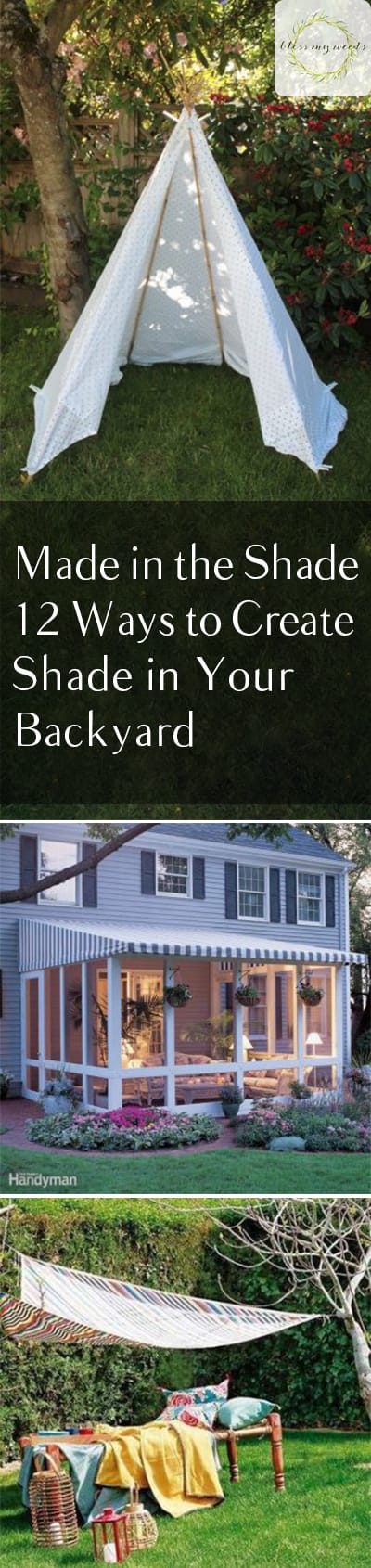
If you're looking for something more permanent and controllable, structural shade options give you that flexibility. Canopies are incredibly popular because they're easy to install and remove when needed. They come in various sizes and styles – from simple rectangular designs to more elaborate curved shapes. Many are made from durable materials that can withstand wind and weather, though you'll want to check local building codes since some areas require permits for larger structures.
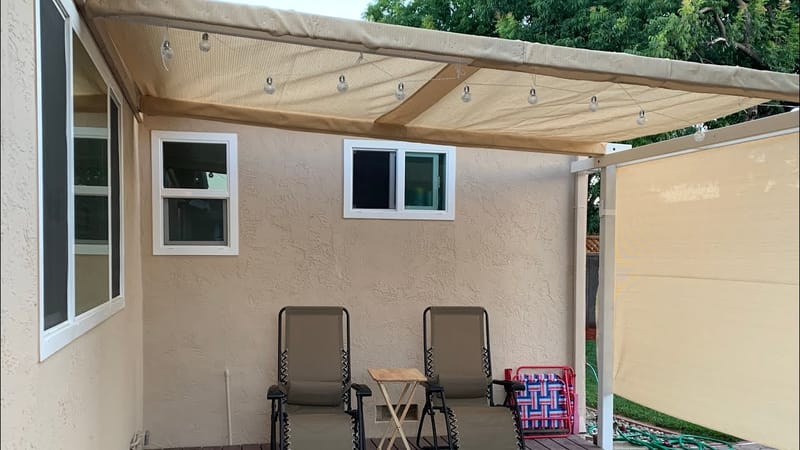
Pergolas offer a more architectural approach, combining shade with style. These structures typically feature beams that create a shaded area underneath, often with lattice work or fabric covers. They're perfect for entertaining areas or dining spaces where you want both protection and visual appeal. You can customize them with different materials like wood, aluminum, or steel.
Retractable awnings are another smart choice, especially if you want adjustable shade. They can be extended when the sun is strong and retracted when you want more light. Some models even have sensors that automatically adjust based on weather conditions. These are particularly useful for patios or decks facing west where afternoon sun is intense.
DIY Shade Ideas for Budget-Conscious Gardeners
You don't need a massive budget to create effective shade. Many creative DIY solutions can make a huge difference in your outdoor comfort. One of the simplest approaches is using large umbrellas. These aren't just for beaches anymore – they work perfectly for backyard use. Look for commercial-grade umbrellas that can handle outdoor conditions. They're portable and can be moved around as needed, giving you flexible shade throughout the day.
Building your own shade structure is surprisingly straightforward. You can create a simple frame using PVC pipes or wooden posts and cover it with shade cloth or fabric. This approach lets you customize the size and shape to fit exactly where you need it. Plus, it's a fun project that can involve the whole family.
Another budget-friendly idea is to use existing furniture creatively. Place a large umbrella over a patio table, or arrange chairs under a covered area. Sometimes the best solutions are the ones that already exist in your space. Think about what you already have and how you might repurpose it for better shade.
Smart Planting Strategies
Planting strategically can dramatically change how much sun reaches your backyard. Not all plants are created equal when it comes to providing shade. Some shrubs and small trees can be positioned to block direct sunlight while still allowing air circulation. Japanese maples, for example, have delicate leaves that filter rather than block light, creating dappled shade that's very pleasant.
Consider planting taller plants on the south side of your space to block the harsh afternoon sun. Meanwhile, smaller plants can be used to create privacy screens or add visual interest. Lavender and rosemary are excellent choices because they're drought-tolerant and aromatic. They also provide good coverage while being low maintenance.
The timing of planting matters too. If you're planning to add shade plants, consider the season. Spring and fall are generally better times to plant because the weather is milder and the plants have a better chance to establish their roots before extreme temperatures hit. Also, remember that plants take several years to reach full maturity, so start thinking about your long-term shade strategy early.
Creative Shade Solutions
Sometimes the most interesting shade solutions come from unexpected places. Consider using a gazebo – a small, open-sided structure that provides partial shade while maintaining a breezy feel. These can be quite affordable and are perfect for creating a special spot in your yard. They're also great for outdoor dining or reading nooks.
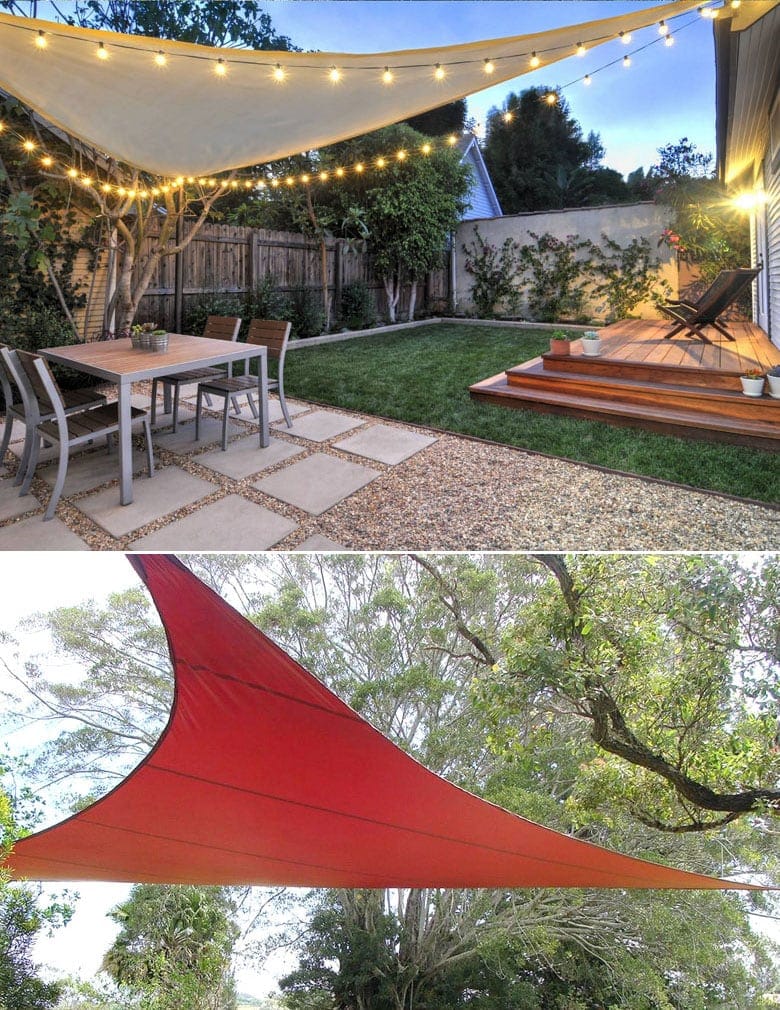
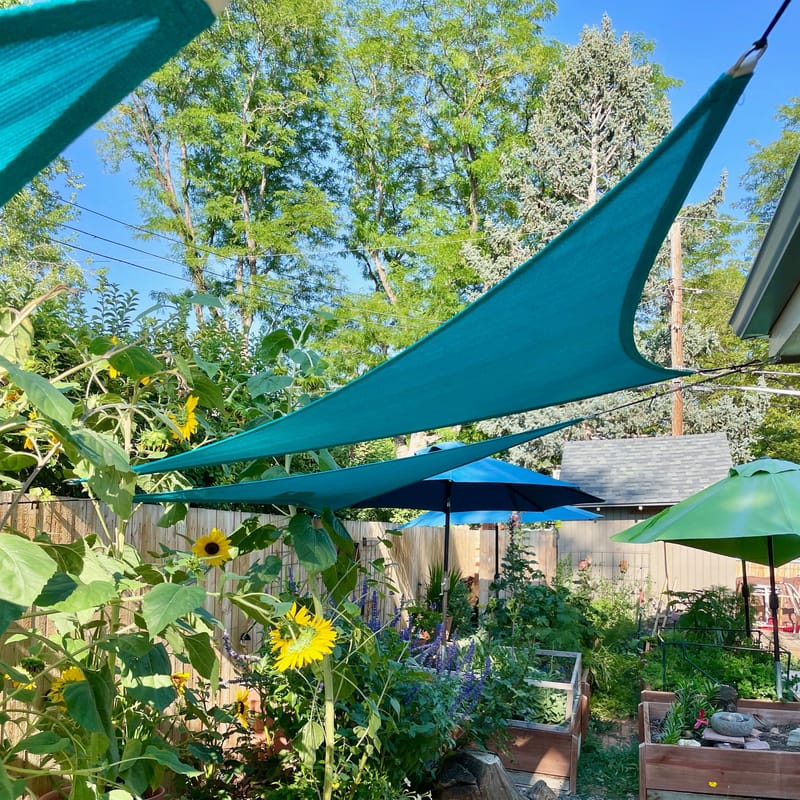
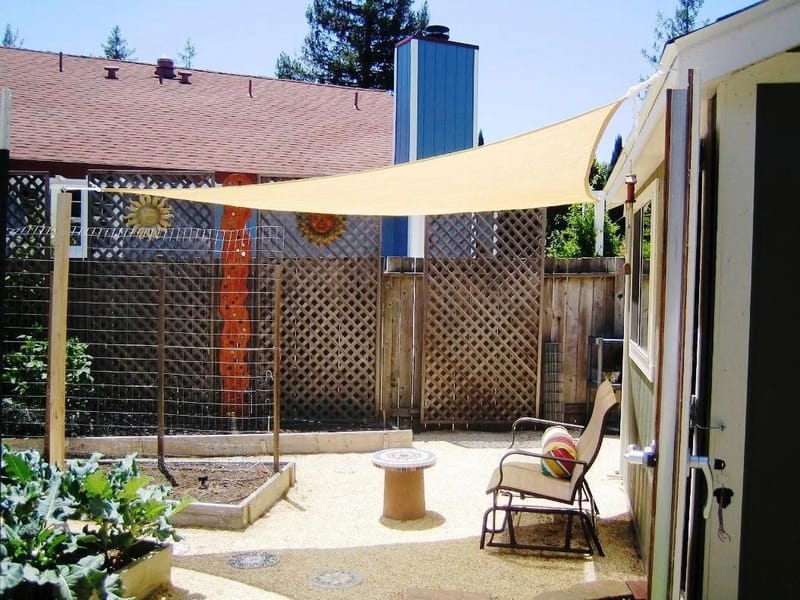
Another innovative approach is using shade sails – triangular fabric structures that can be tensioned between posts or trees. They're available in many colors and fabrics, and they can create dramatic visual impact while providing excellent shade. They're particularly effective for covering large open areas where traditional shade structures might look out of place.
For those with limited space, vertical gardening can be a game-changer. Growing climbing plants on trellises or even on the sides of buildings creates multiple layers of shade. This technique works especially well in urban settings where ground space is limited. The added benefit is that these vertical gardens also improve air quality and can provide privacy.
Maintenance and Long-Term Planning
Creating shade is only half the battle – keeping it functional and attractive takes ongoing attention. Regular maintenance ensures your shade solutions continue to serve you well. Trees need pruning to maintain proper shape and health. This means removing dead branches and trimming overgrown sections that might interfere with your home or other structures.
Fabric covers and shade sails require periodic cleaning to prevent dirt buildup and fading. Most fabric materials can be cleaned with mild soap and water, but always check manufacturer instructions first. Some fabrics are treated to resist UV damage, but even these can fade over time with constant exposure.
Consider seasonal adjustments to maximize your shade effectiveness. In spring, you might want to trim back some of the foliage to allow more light during the cooler months. As summer arrives, you'll want to ensure everything is properly positioned to block the most intense sun. Keeping a schedule helps you stay on top of these tasks and makes your investment last longer.
Planning for growth is crucial too. What seems like a small space now might be completely different in a few years when trees have grown. Think about the future layout of your garden and how shade might change over time. This forward-thinking approach prevents costly renovations down the road.
Creating the perfect shade in your backyard is more achievable than you might think. Whether you choose natural solutions like trees and vines, invest in permanent structures, or go with creative DIY projects, the key is finding what works for your specific situation and lifestyle. The right combination of shade can transform your outdoor space from uncomfortable to absolutely delightful. Remember that the process doesn't end once you've installed your shade solution – regular care and attention will keep it looking great and performing well for years to come. Start small if you're unsure, then expand your shade strategy as you see what works best for your family. With a little planning and creativity, your backyard can become the coolest place in town, no matter what the weather brings.


