
When you're planning to use wood outdoors, whether it's for a garden shed, deck, or fence, you're facing a tough challenge. The elements don't discriminate – sun, rain, wind, and temperature changes all work together to break down unprotected wood. But there's good news. With the right approach, you can give your untreated wood the protection it needs to last for years. It's not just about keeping water out; it's about creating a barrier that can handle everything nature throws at it.
Picture this: You've found the perfect piece of untreated lumber, maybe from a local supplier or even salvaged from an old barn. It looks great, feels solid, and costs less than treated wood. But then you think about the outdoor project you have in mind. What happens next? Without proper treatment, wood exposed to the elements will deteriorate quickly. This isn't just about aesthetics – it's about safety, durability, and making smart investments in your projects. The good news is that treating wood for outdoor use is a skill anyone can learn. It's not rocket science, but it does require understanding some basic principles and following proven techniques.
Understanding Wood's Natural Weaknesses
Untreated wood has several vulnerabilities that make it unsuitable for outdoor exposure without treatment. The biggest enemy is moisture. When wood absorbs water, it swells and shrinks, causing warping, cracking, and splitting. This expansion and contraction cycle weakens the wood structure over time. Sunlight also takes a toll, breaking down lignin and cellulose fibers that give wood its strength. Insects like termites and carpenter ants see untreated wood as a buffet. Mold and mildew thrive in damp conditions, turning wood black and weakening it further.
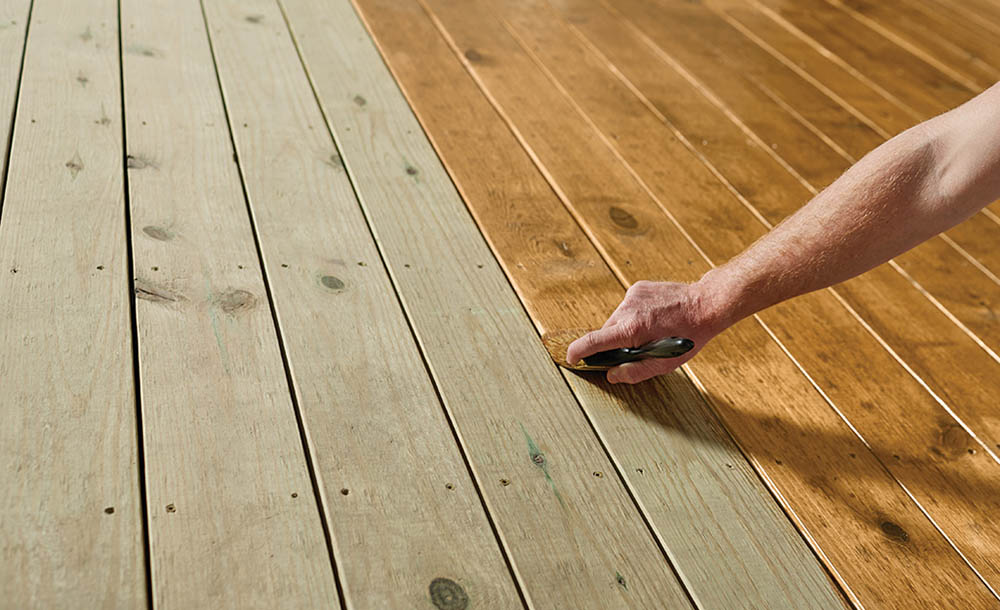
Think about how a wooden picnic table looks after a summer of rain and sun. The wood becomes brittle, develops cracks, and eventually rots away. This is exactly what happens when wood isn't properly protected. The key is to understand that wood isn't meant to be left alone in nature – it needs help to survive the elements.
Choosing the Right Treatment Method
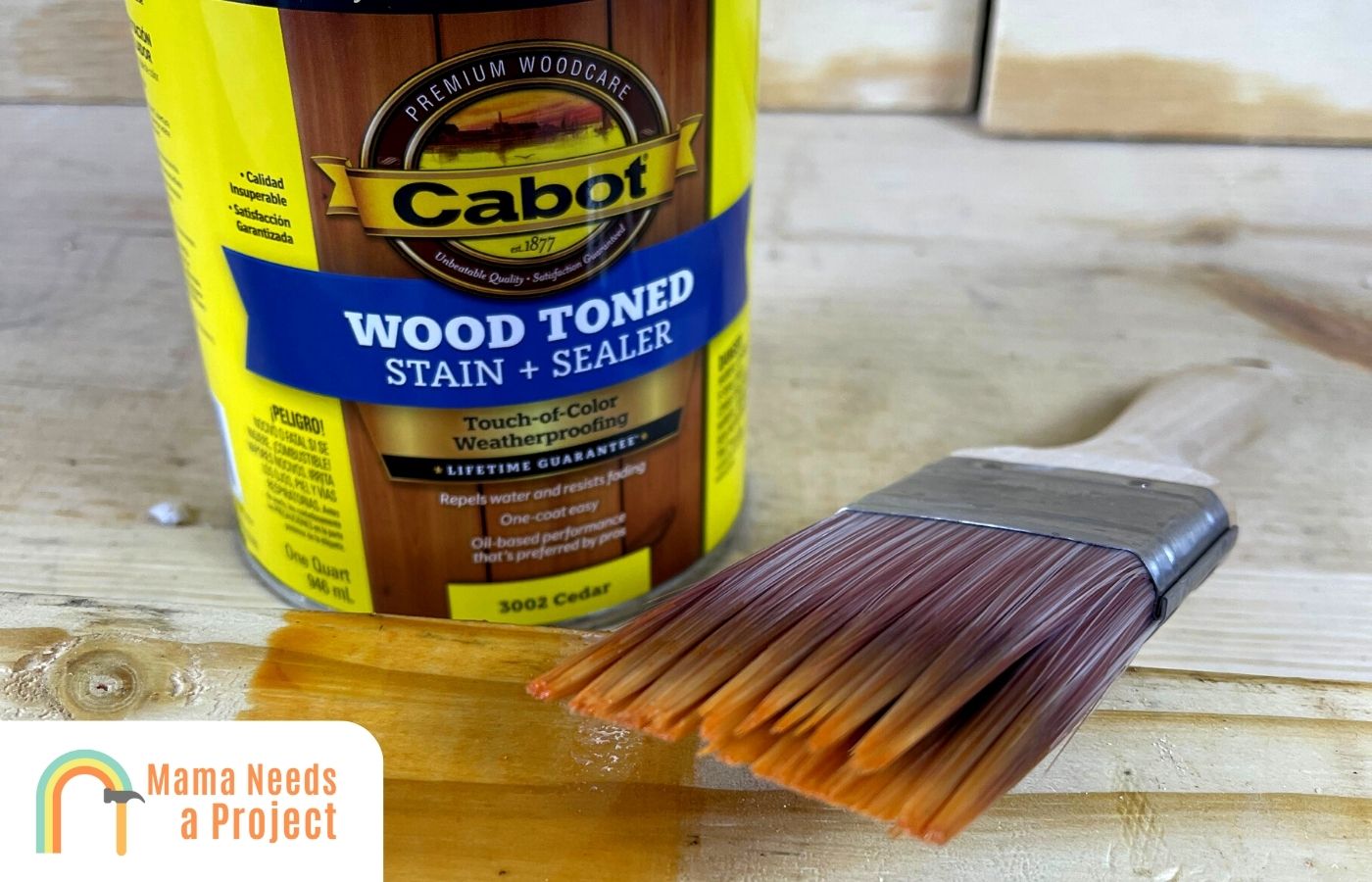
There are several ways to treat wood for outdoor use, each with different benefits and limitations:
The choice depends on what you're building, how much maintenance you want, and what look you prefer. For example, if you're building a rustic-looking fence, you might choose a natural oil treatment. But if you're making a deck that will see heavy foot traffic, a more robust water-repellent treatment makes sense.
Preparation Is Everything
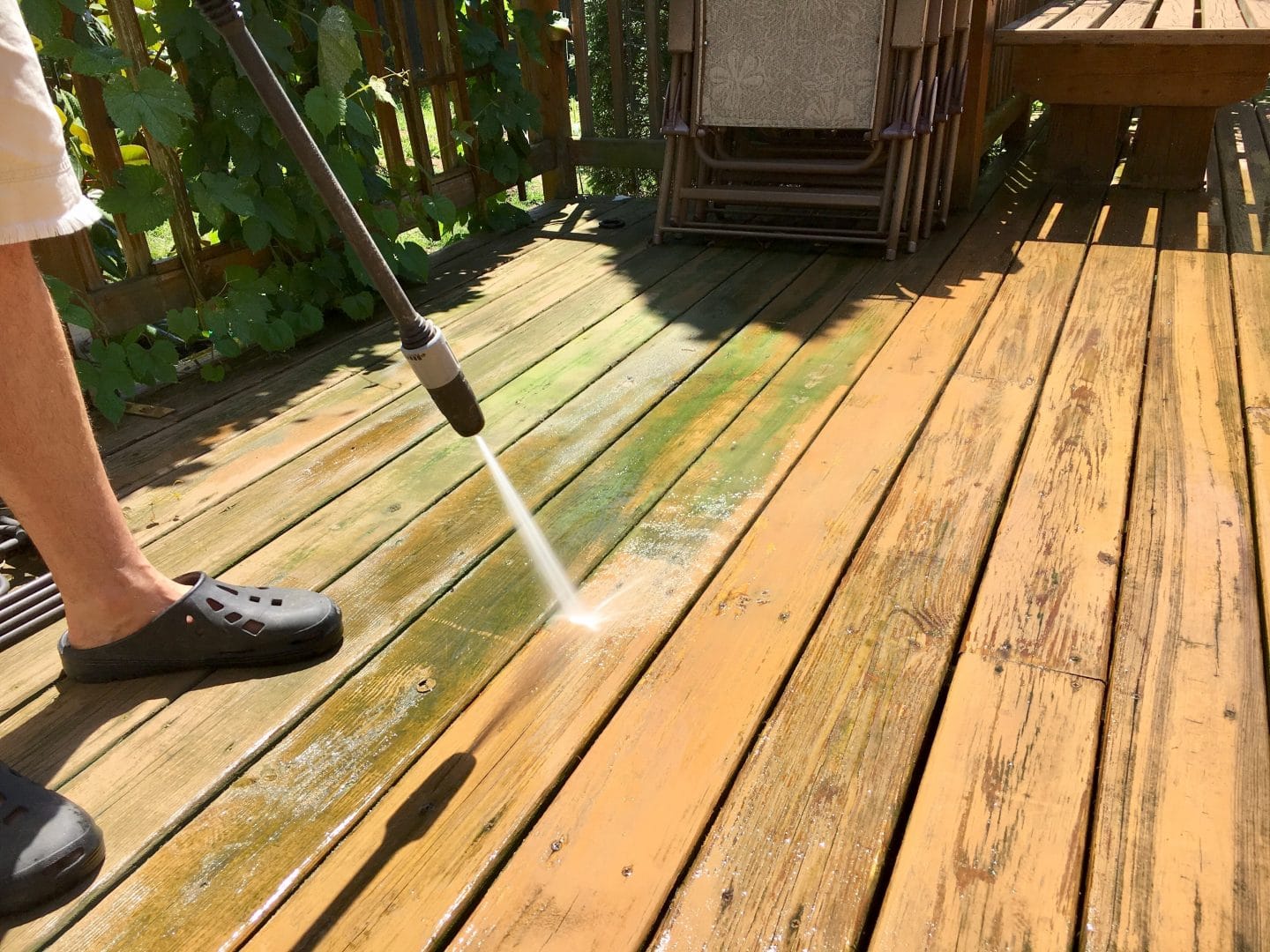
Before applying any treatment, proper preparation is crucial. Start by cleaning the wood thoroughly to remove dirt, debris, and loose material. Use a wire brush or power washer to get rid of surface grime. If the wood has old finish or paint, strip it completely. Allow the wood to dry fully – this can take days depending on weather conditions.
Check for any damaged areas and repair them before treatment. Split wood, deep scratches, or holes can become entry points for moisture and pests. Sand lightly to smooth rough surfaces and remove splinters. This step isn't just about appearance; it ensures better penetration of the treatment product.
A common mistake is rushing the preparation process. Taking extra time here pays off significantly in the long run. You'll get better results and avoid problems down the road.
Application Techniques for Best Results
How you apply wood treatment matters almost as much as what you apply. Start with clean, dry wood and work in moderate temperatures – between 50°F and 90°F is ideal. Apply treatments in thin, even coats rather than thick ones. Thick applications can lead to poor penetration and uneven drying.
Use the right tools for the job. A good quality brush works well for small areas, while rollers or sprayers might be better for larger projects. Work with the grain of the wood to ensure even coverage. Don't forget to treat the ends of boards, which are often overlooked but are particularly vulnerable.
Some products require multiple coats. Always check the manufacturer's instructions carefully. It's better to wait and apply a second coat than to rush and get poor results. The treatment needs time to cure properly, so don't walk on newly treated areas immediately.
Popular Treatment Products and Their Benefits
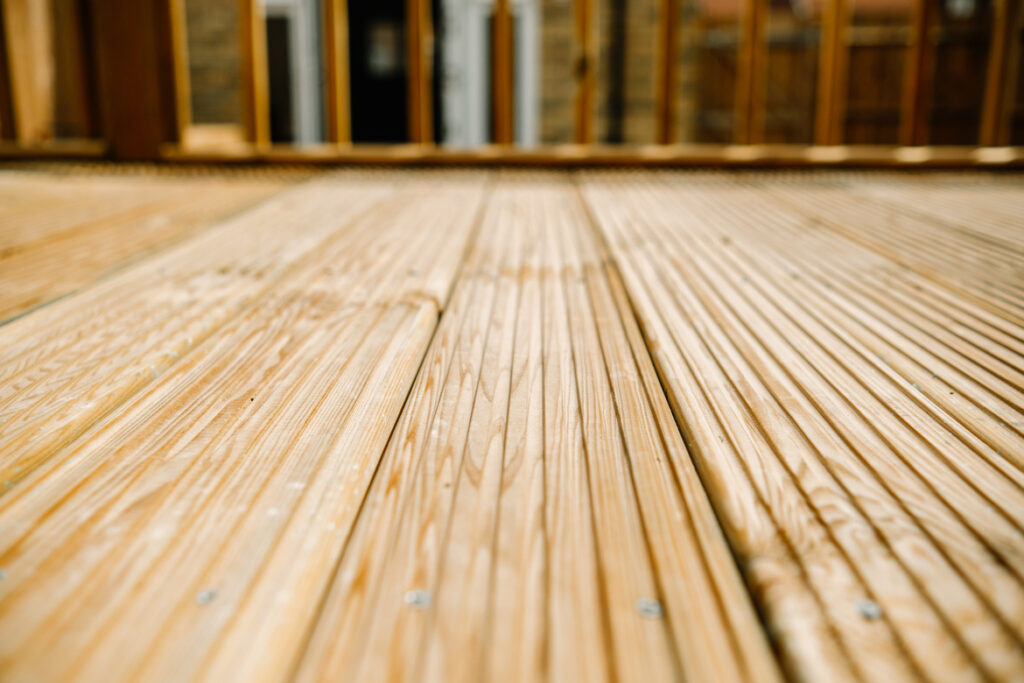
Many products are available for outdoor wood treatment, each with unique characteristics:
Consider the environment where your wood will be used. A deck in direct sunlight needs different protection than a covered porch. The cost varies significantly, with some treatments lasting decades and others requiring annual reapplication. Think about both initial cost and long-term maintenance when choosing.
Maintenance and Longevity Tips
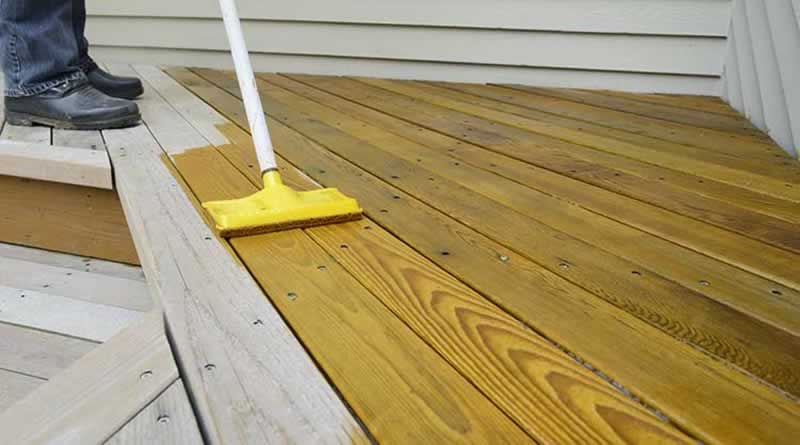
Treatment isn't a one-time job – it requires ongoing care to keep wood looking and performing well. Regular inspection helps catch problems early. Look for signs of water damage, insect activity, or fading color. Most outdoor wood treatments last 2-5 years depending on climate and usage.
Plan for reapplication based on your wood's condition rather than just time. Some areas might need attention sooner, especially those exposed to heavy rain or direct sunlight. Light cleaning with appropriate products before reapplying treatment helps remove dirt and old film.
Keep in mind that wood naturally expands and contracts with humidity changes. Properly treated wood can handle these changes much better than untreated wood. Consider seasonal maintenance – fresh applications in spring before the rainy season can extend protection.
Treating untreated wood for outdoor use is a practical skill that brings real value to any DIY enthusiast or professional builder. It's not complicated, but it does require attention to detail and patience. The investment in proper treatment pays dividends in longevity, safety, and appearance. Whether you're building a simple garden bench or a complex deck structure, the principles remain the same. Understanding wood's weaknesses, choosing appropriate treatments, preparing properly, and maintaining regularly are the keys to success.
Remember that every piece of wood has potential, but it needs the right care to realize that potential outdoors. With the knowledge shared here, you're now equipped to protect your wood projects effectively. The goal isn't just to make wood last, but to make it beautiful and functional for years to come. Your outdoor spaces will thank you for taking the time to do it right.


