
Picture this: You're enjoying your backyard, children are playing, and then you catch that unmistakable whiff of urine. It's not just unpleasant – it's embarrassing and potentially harmful to your lawn. This isn't just about cleaning up after your pet or kids. It's about understanding what's happening in your soil and how to restore your outdoor space to its natural glory.
We've all been there. That moment when you step outside and your nose immediately alerts you to the presence of an unwanted odor. It's usually not a pleasant one. Whether it's your dog's latest accident, a child's little mishap, or even a neighbor's pet wandering through your garden, urine smell can turn your once-pristine yard into a source of discomfort and embarrassment. But here's the good news – you don't have to live with this problem forever. There are several approaches you can take to effectively neutralize these odors and restore your outdoor environment to its former glory.

Understanding Why Pee Smells Stick Around
Before we dive into solutions, let's talk about why urine odors persist in yards. The primary culprit is ammonia, which is present in urine. When pets or children urinate on grass or soil, the ammonia breaks down and releases volatile compounds that create that distinctive smell. This process happens faster in warm weather and can penetrate deep into the soil. Grass gets damaged too, turning brown and creating unsightly patches. The bacteria in the soil break down urea, converting it to ammonia gas, which is what causes that pungent odor we associate with pet accidents. Understanding this chemical reaction helps us develop better strategies to combat it.

Natural Remedies That Actually Work
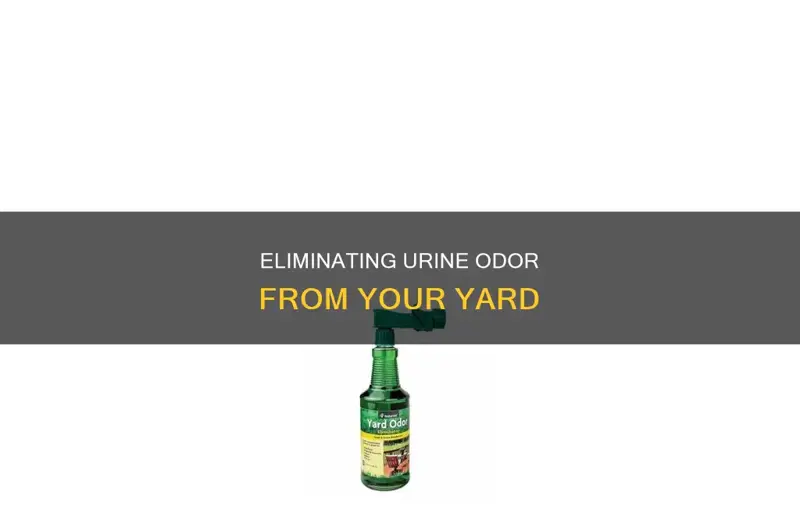
You might think you need expensive commercial products, but many effective solutions come from your own backyard. Vinegar is one of the most powerful natural deodorizers. Mix equal parts white vinegar and water in a spray bottle and apply directly to affected areas. The acid properties break down the ammonia molecules. Coffee grounds work wonderfully too – they absorb odors while adding nutrients to the soil. Simply sprinkle them over the area and rake gently. Baking soda is another excellent option. Sprinkle it generously on the spot, let it sit for a few hours, then water it in. These solutions are safe for pets and plants, unlike some harsh chemicals that can damage your lawn.
Proper Cleaning Techniques for Different Surfaces
Different surfaces require different approaches. For grass areas, start by flushing the area with water to dilute the urine. Then apply your chosen natural remedy. For concrete or paved areas, a mixture of hydrogen peroxide and dish soap works well. Scrub the area thoroughly and rinse. Wooden decks and patios need special attention – use a solution of bleach and water (1:10 ratio) but always test first to avoid discoloration. Sand and dirt areas benefit from the addition of lime, which raises pH levels and neutralizes acidic compounds. Always remember to wear gloves and ensure proper ventilation when using any cleaning solution.
Prevention Strategies for Long-Term Success
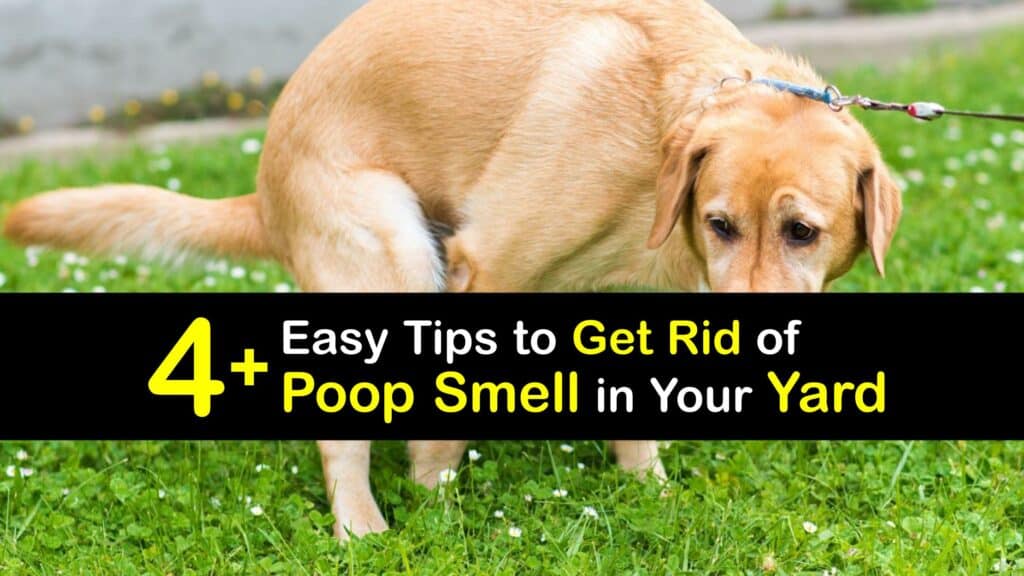
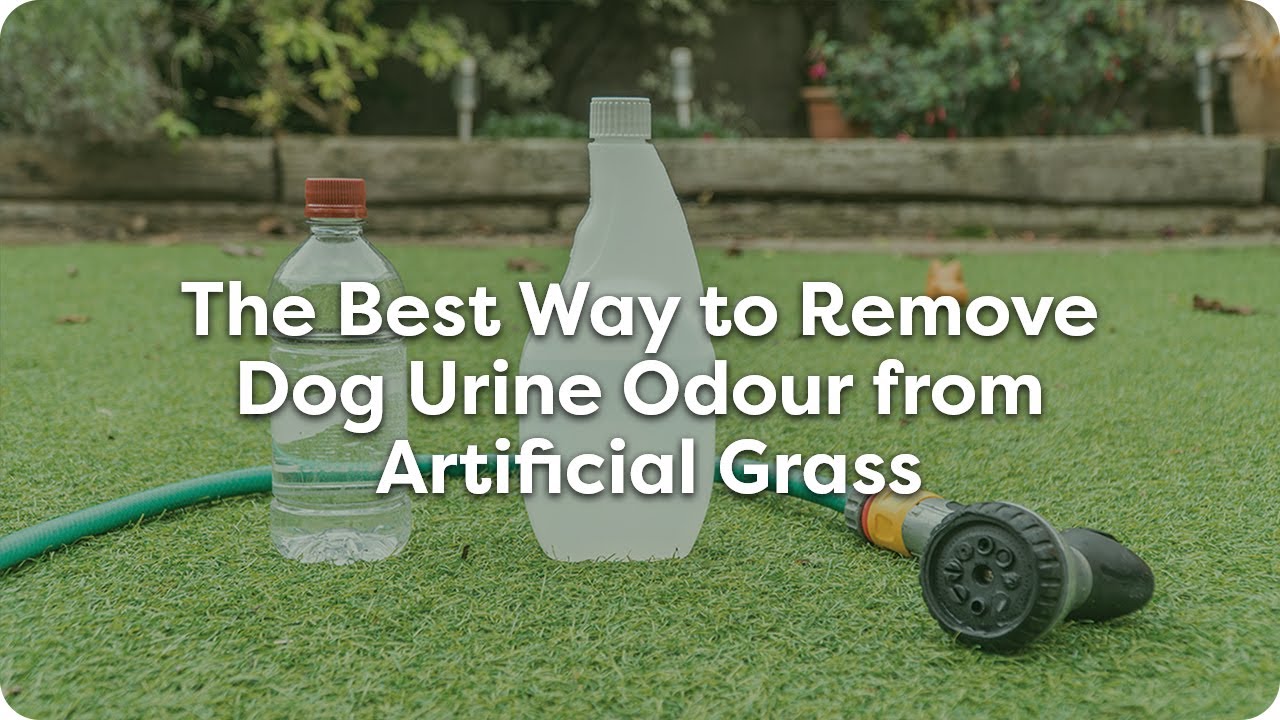
Prevention is often better than cure. Establishing regular bathroom routines for pets can dramatically reduce accidents. Train your dogs to go in designated spots using positive reinforcement. Consider installing artificial turf in high-traffic areas where accidents frequently occur. This creates a barrier between urine and soil. Planting certain herbs like lavender or rosemary can help mask odors naturally. These aromatic plants not only smell great but also repel insects and animals. Regular watering helps flush out residual ammonia from the soil, preventing buildup. Creating a designated play area with permeable surfaces can also help manage the problem.
When to Seek Professional Help
Sometimes, despite our best efforts, the problem persists. If you notice persistent odors that won't go away, or if the affected area shows signs of serious plant damage, it might be time to call in professionals. Soil testing services can reveal nutrient imbalances or pH issues that are contributing to the problem. Some cases may require specialized enzymatic cleaners that target specific bacterial breakdown processes. Professional landscapers can also suggest permanent fixes like drainage improvements or soil amendments. Don't hesitate to seek expert advice when home remedies aren't sufficient.
Safety Considerations and Environmental Impact
While dealing with pee smells, safety should always be a priority. Many commercial products contain harsh chemicals that can harm beneficial soil microorganisms, pets, and even humans. Always read labels carefully and follow instructions precisely. Some ingredients can cause skin irritation or respiratory problems. When using bleach or ammonia-based products, ensure adequate ventilation and keep pets and children away from treated areas until dry. Natural alternatives are generally safer and more environmentally friendly. They break down quickly without leaving harmful residues. Consider composting organic materials instead of letting them decompose naturally in your yard, which can produce odors.
Getting rid of pee smell in your yard doesn't have to be a daunting challenge. With the right combination of natural remedies, proper cleaning techniques, and preventive measures, you can restore your outdoor space to its original condition. Remember that prevention is key – establishing routines and creating designated areas can save you countless hours of cleanup later. Don't overlook the power of simple solutions like vinegar, baking soda, or coffee grounds. They're not just affordable, but they're also gentle on your environment and your family. Whether you're dealing with a small spot or a recurring issue, taking action now will prevent bigger problems down the road. Your yard deserves to be a place where you can relax and enjoy nature, not a source of unwanted odors. Give these methods a try and see how much better your outdoor space becomes.


