
Picture this: You've finally saved up for that dream above ground pool, but your yard isn't flat like the brochure promised. What do you do? The good news is, with some planning and creativity, even the most challenging slopes can become the perfect place for your backyard oasis.
Let's face it, most people don't have perfectly flat backyards. Nature has its own ideas about how land should look, and sometimes those ideas don't align with our swimming pool dreams. But here's the thing - a sloped yard shouldn't stop you from enjoying your new pool. In fact, many pool owners find that working with their yard's natural contours can create something truly special. The key is understanding how to work with gravity, soil conditions, and drainage rather than against them.
Understanding Sloped Yard Challenges
Installing a pool on uneven ground brings unique problems that might not occur on flat terrain. First, there's the matter of water management. On a slope, rainwater naturally flows downhill, potentially creating pooling issues around your pool structure. The weight of water in your pool can also cause additional stress on the soil beneath it.
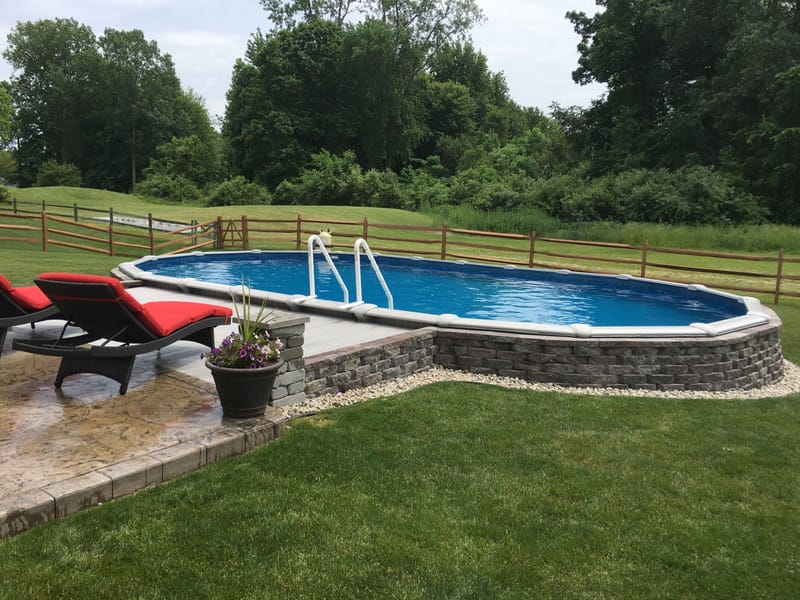
Consider the angle of your slope. A gentle incline of 5-10 degrees is manageable, but steeper gradients require more careful attention. Soil type matters too - sandy soils drain quickly but may not provide adequate support, while clay soils hold water but can shift under pressure.
The most common issue? Uneven pool floors. If you don't account for the slope properly, you'll end up with one side of your pool higher than the other, which can cause water distribution problems and make your pool look unattractive. That's why proper preparation and planning are absolutely crucial before digging.
Essential Planning Steps Before Installation
Before you even think about placing that first pool panel, you need to assess your landscape carefully. Start by measuring your yard's slope using a level and measuring tape. Mark the highest and lowest points, then calculate the gradient.
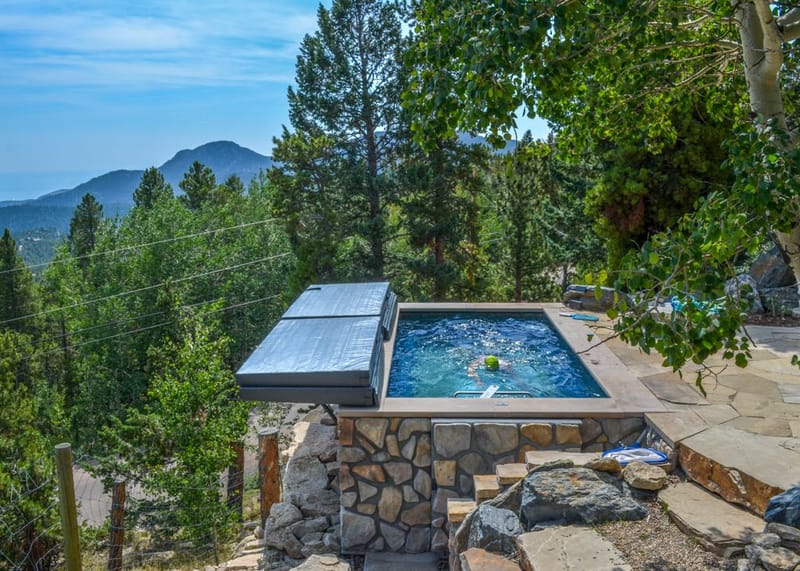
Key steps to take:
A detailed site plan helps prevent costly mistakes later. Many pool installations fail because people skip this crucial step. Think of it as drawing your battle plan before entering the field. You'll save time, money, and frustration by getting it right the first time.
Foundation Preparation Techniques
Creating a stable foundation on a slope requires creative solutions. The most popular approach involves creating a level platform using concrete blocks, pavers, or specialized pool pads designed for sloped applications.
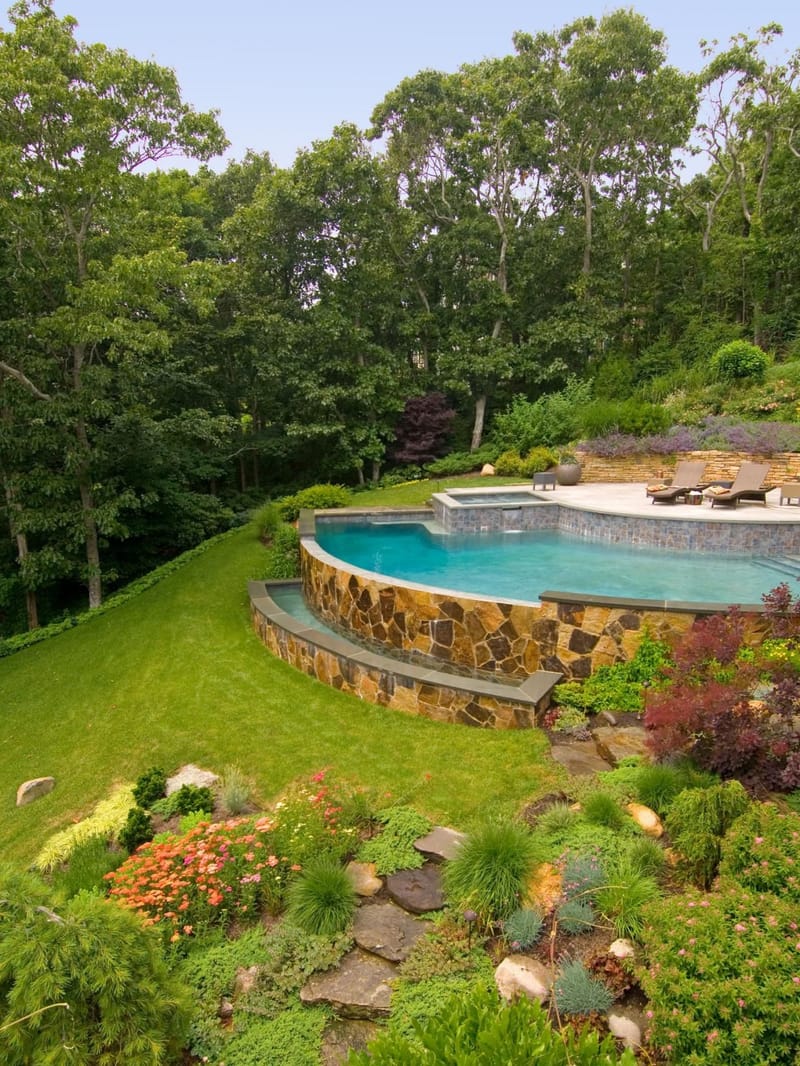
Here's how it works:
For very steep slopes, consider building a retaining wall or terracing the area. This creates multiple flat sections that can each support a portion of your pool. Some homeowners even build a small deck or patio area on the higher end to create visual balance.
Remember, the pool's foundation must be solid enough to support the full weight of water, plus the weight of people and equipment. A weak foundation leads to leaks, structural damage, and expensive repairs.
Drainage Solutions for Sloped Pools
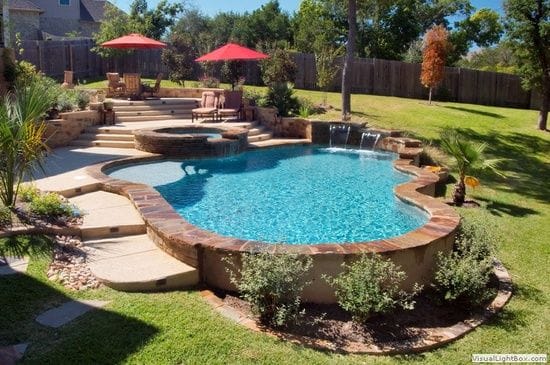
Proper drainage is probably the most important factor in successfully installing a pool on a slope. Water flowing toward your pool creates dangerous conditions and can damage both your pool and surrounding landscaping.
Effective drainage strategies include:
Some pool owners install a small pump system to remove excess water during heavy rains. Others simply design their pool installation to take advantage of natural drainage patterns, directing water away from the pool area entirely. The goal is to keep your pool and its surroundings dry and stable year-round.
Safety Considerations on Sloped Terrain
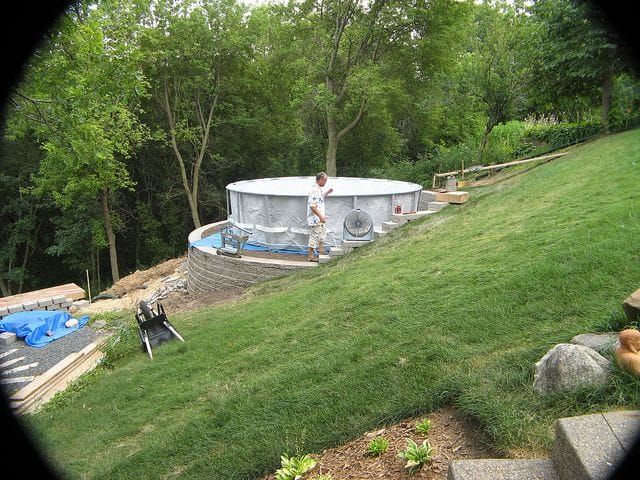
Safety becomes even more critical when your pool sits on a slope. The uneven ground means potential hazards that don't exist on flat surfaces. For instance, a pool on a steep incline could roll if not properly secured, especially during high winds or earthquakes.
Important safety measures:
Sloped yards often mean less space for safety zones, so every inch matters. Make sure there's adequate clearance around the pool, and consider installing warning signs or barriers if the slope creates visibility issues.
Costs and Timeline Expectations
Installing a pool on a slope typically costs 10-30% more than on flat ground due to extra preparation work and materials. The exact cost depends on several factors:
Typical timeline for slope installations:
Keep in mind that weather delays can extend this timeline significantly. Spring and fall are generally better seasons for slope installations since they avoid the extreme heat and heavy rain that can complicate the process.
Installing an above ground pool on a sloped yard isn't just possible - it can actually create a stunning focal point that enhances your entire outdoor space. The key lies in understanding the challenges ahead and preparing accordingly. With proper planning, creative foundation solutions, and attention to drainage and safety, your pool will not only function beautifully but also complement the natural beauty of your landscape. Remember, every challenge presents an opportunity to create something unique and memorable. Your pool on the slope might just become the most talked-about feature in your neighborhood.


