
There's nothing quite like stepping onto a clean, fresh porch after a long day. But when those screens start looking grimy or blocked, it can ruin the entire experience. Whether you're dealing with dust, pollen, bird droppings, or just general grime, knowing how to properly clean your porch screens makes all the difference. This guide covers everything you need to know to restore your screens to their pristine condition.
Picture this: It's a beautiful summer evening, and you're ready to enjoy some outdoor time on your porch. You step outside, expecting that refreshing breeze to greet you, but instead you're met with a screen that blocks almost all airflow. This frustrating scenario happens more often than you might think, and it's usually because of neglected screen cleaning. Porch screens, while seemingly simple, require regular maintenance to function properly and look good. They protect us from insects and debris while letting in light and fresh air. But over time, they accumulate dirt, pollen, and other elements that can make them less effective and visually unappealing. The good news? With the right approach, cleaning your porch screens becomes a straightforward task that can transform your outdoor space.
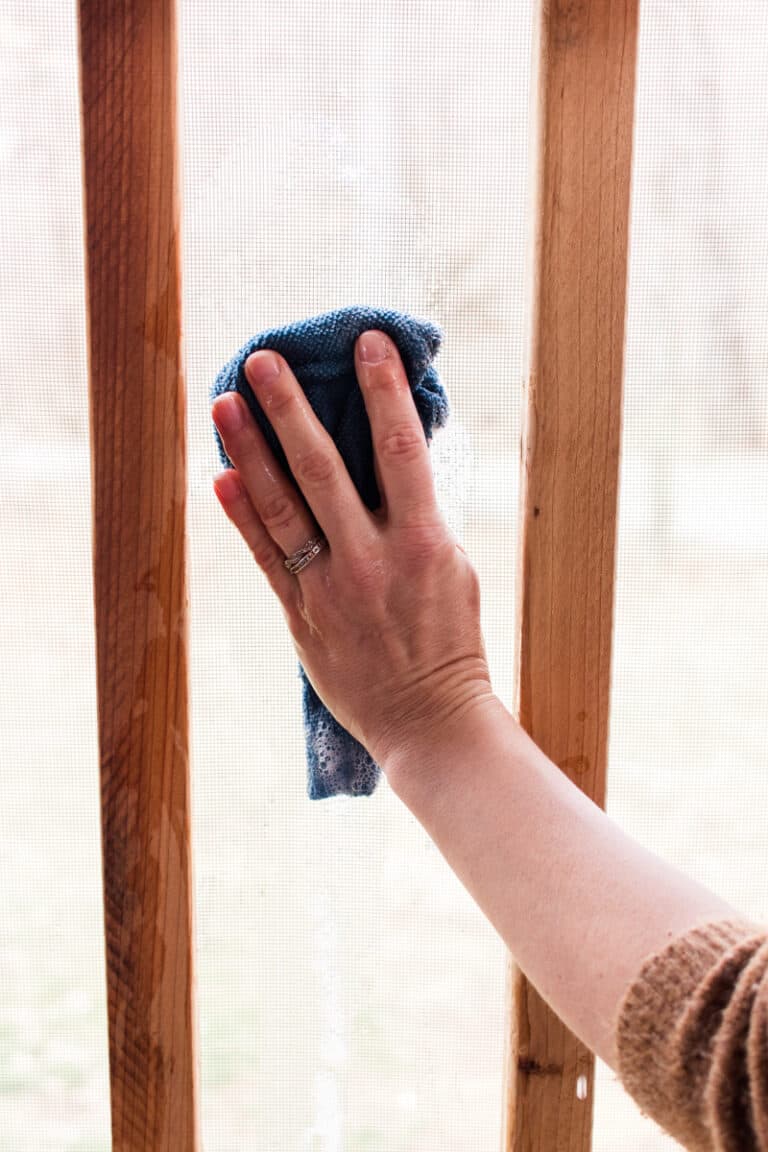
Why Regular Screen Cleaning Matters
Regular cleaning isn't just about aesthetics – it's essential for maintaining your screens' functionality. When screens become clogged with debris, they lose their effectiveness at keeping bugs out and airflow in. Think about it – if you're trying to enjoy a peaceful evening outdoors, but your screen is so dirty it feels like you're looking through a foggy window, it's not just annoying. It's actually compromising your outdoor experience. Dust, pollen, and even bird droppings can build up on screens, creating a barrier that reduces visibility and airflow. Additionally, neglecting screen maintenance can lead to premature wear and tear. Accumulated dirt can be abrasive, causing tiny tears or weakening the mesh over time. Proper cleaning helps extend the life of your screens, saving you money on replacements. Plus, clean screens contribute to better indoor air quality by preventing pests from entering your home and reducing allergens that might otherwise make their way inside. A well-maintained porch screen is a small investment that pays off in comfort and protection.
Essential Tools and Supplies
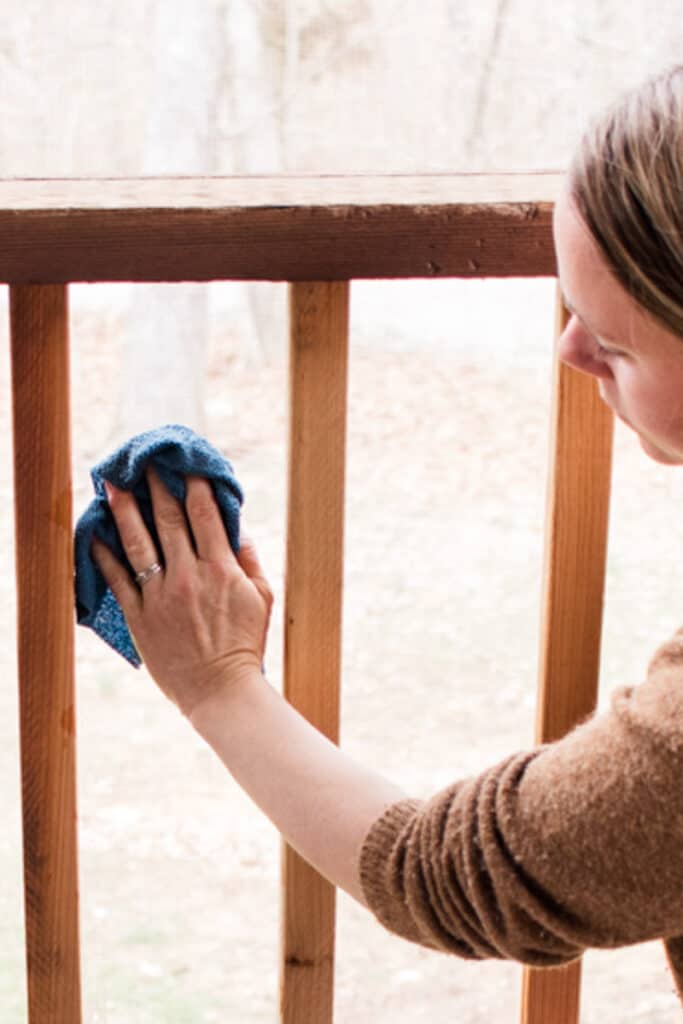
Before diving into the cleaning process, gathering the right tools makes everything much easier. You'll want a soft-bristle brush or a vacuum cleaner with a brush attachment for removing loose debris. A garden hose with adjustable pressure works great for rinsing off dirt and grime. For tackling stubborn spots, mild soap or detergent mixed with water creates an effective cleaning solution. Consider using a soft cloth or sponge for gentle scrubbing. A squeegee can help remove water from the screen surface without leaving streaks. If you have particularly heavy buildup, a soft toothbrush might come in handy for reaching tight spaces. A bucket provides a convenient place to mix your cleaning solution. Don't forget protective gloves – they're important for keeping your hands safe from chemicals and sharp edges. A ladder or step stool may be necessary depending on your porch height and screen placement. Some people prefer using a pressure washer for heavy-duty cleaning, but this requires caution to avoid damaging the screen material. Having everything ready beforehand prevents frustration and ensures thorough cleaning.

Step-by-Step Cleaning Process
The cleaning process starts with preparation and ends with proper drying. First, remove any loose debris using a soft brush or vacuum. This prevents scratching during the main cleaning phase. Next, rinse the screens thoroughly with water from one end to the other. This removes most surface dirt and prepares the screen for deeper cleaning. Mix your cleaning solution according to manufacturer instructions. Apply it gently with a sponge or cloth, working in small sections. Pay special attention to areas with visible buildup or discoloration. Use a soft brush to work in any stubborn spots. Once cleaned, rinse thoroughly again to remove all soap residue. This final rinse is crucial – leftover soap can attract more dirt. After rinsing, allow the screens to dry completely before reinstalling them. Check that all parts are dry to prevent mold or mildew growth. Some people prefer to let screens air dry in the sun, which also helps kill bacteria and germs naturally. If you're using a pressure washer, do so carefully and at a lower pressure setting to avoid damage.
Dealing with Tough Stains and Buildup
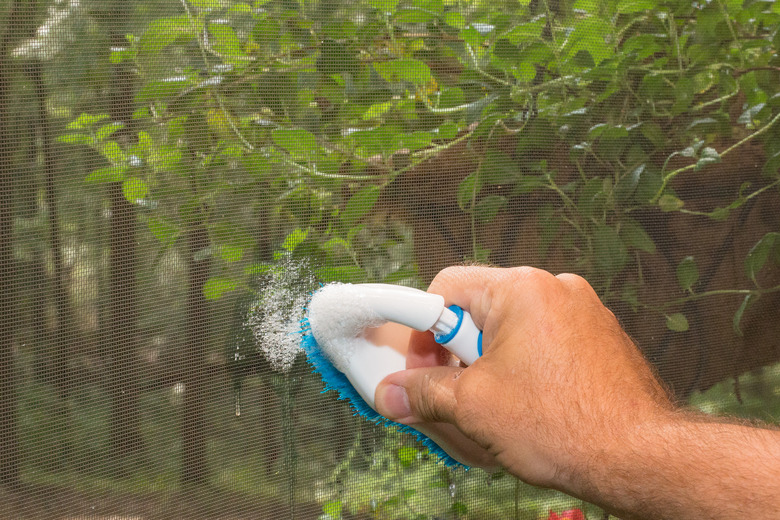
Not every cleaning job is easy – sometimes you encounter tough stains that require extra effort. Bird droppings, especially, can leave behind stubborn residue that needs special attention. Start by gently scraping away any dried portions with a plastic scraper or old credit card. Then apply a mixture of equal parts white vinegar and water to break down organic matter. Let it sit for a few minutes before gently scrubbing. For mold or mildew issues, a solution of bleach and water (1 part bleach to 10 parts water) works well. Be careful not to let bleach touch surrounding plants or wood surfaces. Grease or oil stains might need degreasing agents specifically designed for outdoor surfaces. Always test cleaning solutions on a hidden area first to ensure they won't damage the screen material. Heavy buildup often requires multiple cleaning sessions rather than one deep clean. Patience is key when dealing with persistent stains. Sometimes a combination of approaches works better than any single method alone. For example, starting with a vinegar solution followed by a gentle soap wash might provide the best results for certain types of buildup.

Prevention Tips for Long-Term Maintenance
Prevention is always better than cure, and this applies perfectly to porch screen care. Regular inspections help catch problems early before they become major issues. Check your screens weekly for signs of wear, tears, or heavy buildup. Early detection allows for quick fixes that prevent bigger problems later. Keep gutters clean to reduce the amount of debris falling onto your screens. Trim nearby trees and bushes to minimize leaf drop and insect activity around your porch area. Consider installing a simple screen cover or tarp during extreme weather conditions to protect screens from harsh elements. Seasonal cleaning schedules work well – give your screens a thorough cleaning before and after peak seasons. Using a soft broom or leaf blower to remove light debris regularly prevents accumulation. Also, consider applying a screen protector spray that repels water and dirt. These products create a barrier that makes future cleaning easier. Remember that proper storage during winter months can significantly extend screen lifespan. Following these practices helps maintain screen integrity and keeps your outdoor space enjoyable year-round.
When to Call a Professional
While many screen cleaning tasks are manageable on your own, there are times when professional help is worth it. If your screens are extremely large or difficult to access, professionals have specialized equipment and experience for these situations. Complex damage such as extensive tearing, rusted frames, or broken hardware typically requires expert repair. If you're unsure about the type of screen material you have or how to properly clean it, consulting a professional prevents accidental damage. Some homeowners prefer hiring experts for annual deep cleaning services, especially if they're frequently traveling or have mobility limitations. Professionals also offer specialized treatments like screen coating applications that enhance durability and performance. Large commercial properties or rental units often benefit from scheduled professional maintenance. Signs that indicate professional service includes persistent pest problems despite regular cleaning, widespread damage across multiple screens, or if you notice unusual odors coming from the screens. Remember that sometimes investing in professional help saves money in the long run by preventing further damage or replacement costs.
Cleaning your porch screens doesn't have to be a daunting task. With the right tools, a little time, and some basic knowledge, anyone can keep their screens looking fresh and functioning properly. From simple weekly maintenance to tackling tough stains, understanding these cleaning principles transforms what could be frustrating into a satisfying routine. Remember that prevention plays a big role in making your cleaning efforts more effective and less frequent. Regular attention to your screens means fewer surprises and more enjoyment of your outdoor space. Whether you're dealing with seasonal buildup or daily maintenance, taking care of your porch screens is an investment in comfort and protection. Don't wait until screens are completely unusable – start implementing these practices now and watch how much better your porch environment becomes. The key is consistency and understanding that these screens are an extension of your living space, deserving of the same care and attention you give to other areas of your home.


