
Picture this: you've finally found the perfect spot for your new television, right above your fireplace. The view looks stunning, the room feels cozy, and you're excited about the dramatic effect. But then you start wondering - is this really safe? Is there a risk of damage to your TV, or worse, potential fire hazards? These questions aren't just hypothetical. They're very real concerns that many homeowners face when they consider mounting their television above a fireplace. This guide will walk you through everything you need to know to make an informed decision.
When it comes to home entertainment setups, few things create as much visual impact as mounting a television directly above a fireplace. The combination of modern technology and traditional warmth can transform any living space into a sophisticated haven. However, this setup isn't without its challenges. Many people ask whether it's safe to mount a TV over a fireplace, and the answer depends on several factors. From heat management to structural considerations, we'll explore every aspect that could affect your decision. Whether you're planning a new installation or considering an existing setup, understanding these elements is crucial for both safety and longevity.
Understanding Heat Risks and TV Safety
The primary concern when mounting a TV above a fireplace is heat exposure. TVs generate heat during operation, and when placed near a heat source like a fireplace, this can become problematic. Modern televisions are designed to handle some ambient temperature changes, but prolonged exposure to high temperatures can lead to various issues.
Let's break this down simply. When a fireplace is in use, especially a wood-burning one, it can produce significant heat that radiates upward. This heat can reach temperatures well above what most TVs are designed to withstand comfortably. The internal components of your television - from the circuit boards to the screen itself - can degrade faster under constant thermal stress.
Consider this scenario: You have a beautiful fireplace that you use regularly. Every time you light it, the surrounding air heats up, and that heat rises toward your mounted television. If the TV is too close to the fireplace opening, it might be exposed to temperatures that could cause premature aging of the electronics.
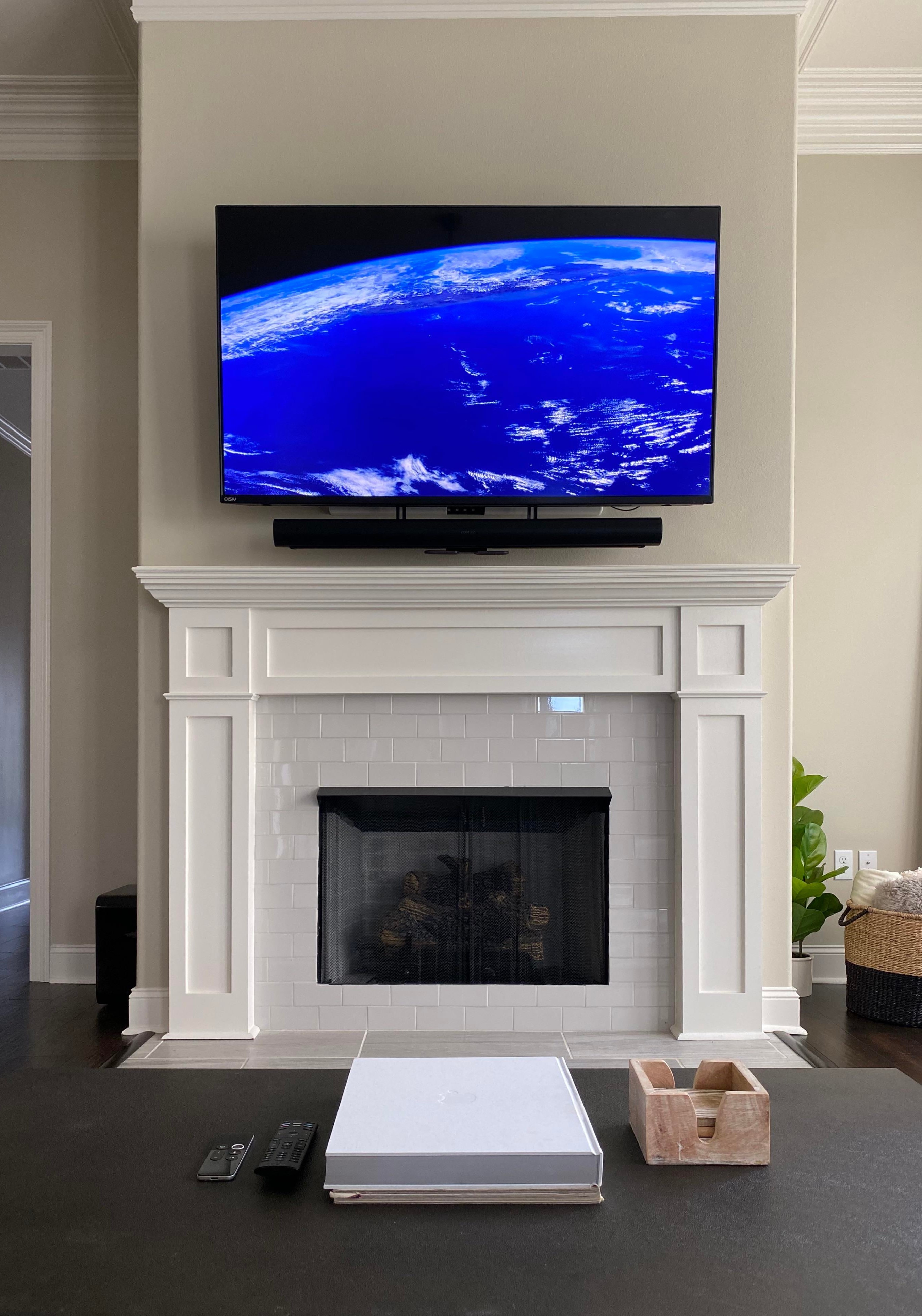
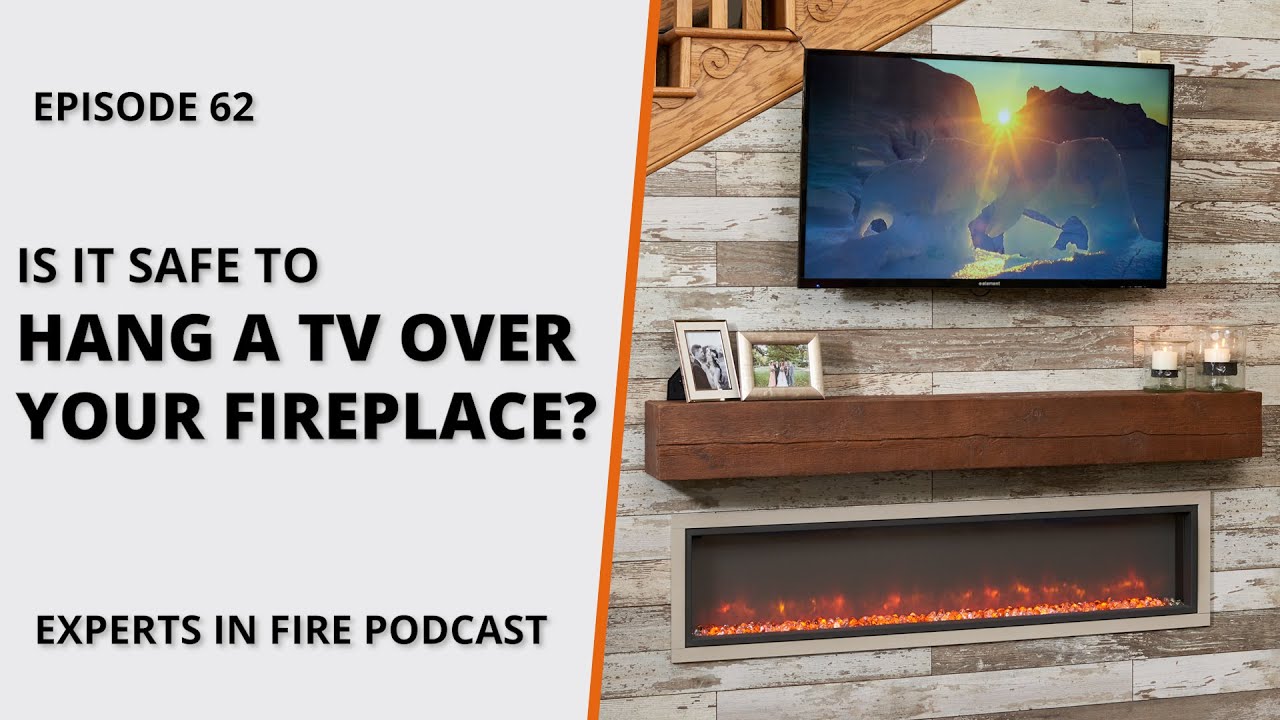
Experts recommend keeping a minimum distance of 12 inches between the top of the fireplace and the bottom of the TV. Some manufacturers suggest even more space, particularly if you plan to use the fireplace frequently. This buffer helps ensure that the heat doesn't directly impact the sensitive electronics inside your television.
Additionally, the type of fireplace matters greatly. Gas fireplaces typically produce less heat than wood-burning ones, and electric fireplaces generate minimal heat. If you have a gas or electric fireplace, you might be able to mount closer to the opening compared to a traditional wood-burning unit.
What happens if you ignore these guidelines? You might notice flickering screens, unexpected shutdowns, or even permanent damage to the display. In extreme cases, excessive heat can cause the screen to warp or the internal components to fail completely.
Structural Considerations for Mounting
Beyond heat concerns, the physical structure of your wall and fireplace must be carefully evaluated before mounting anything above a fireplace. This involves understanding the load-bearing capacity of your walls and ensuring proper mounting hardware can support the weight of your television.
First, let's talk about wall types. Not all walls are created equal when it comes to supporting heavy equipment. Drywall, for example, requires special attention because it can't hold the weight of a large television without additional reinforcement. If you're mounting above a fireplace, you're likely dealing with a wall that already has structural elements like firebox surrounds or mantels that may affect how you install your mount.
The mounting bracket plays a crucial role here. Standard VESA mounts work for many installations, but when you're mounting over a fireplace, you might need a specialized mount designed for this specific application. These mounts often have longer arms or different attachment points to accommodate the unique layout around fireplaces.
Here's where it gets interesting: the fireplace itself creates a challenge. Many fireplaces have built-in features that interfere with standard mounting techniques. The hearth, the surround, and sometimes even the chimney can block direct access to studs in the wall behind the fireplace. This means you might need to use alternative mounting solutions like toggle bolts or specialized anchors that can distribute the weight properly.
Another important factor is the height at which you're mounting. The recommended viewing angle for a TV is typically eye-level when seated, which means you might find yourself mounting higher than usual. This affects not only the stability of the installation but also the accessibility of the TV for maintenance or adjustments.
What if you're unsure about your wall's strength? That's when consulting with a professional becomes essential. A contractor or electrical specialist can assess the wall structure, locate studs, and recommend the best mounting approach for your specific situation. Sometimes, simple modifications like adding extra support brackets or reinforcing the wall area can make all the difference.
Fireplace Type and Mounting Compatibility
Different types of fireplaces present varying levels of complexity when it comes to mounting a television above them. Understanding the characteristics of each type is key to making a safe and effective installation decision.
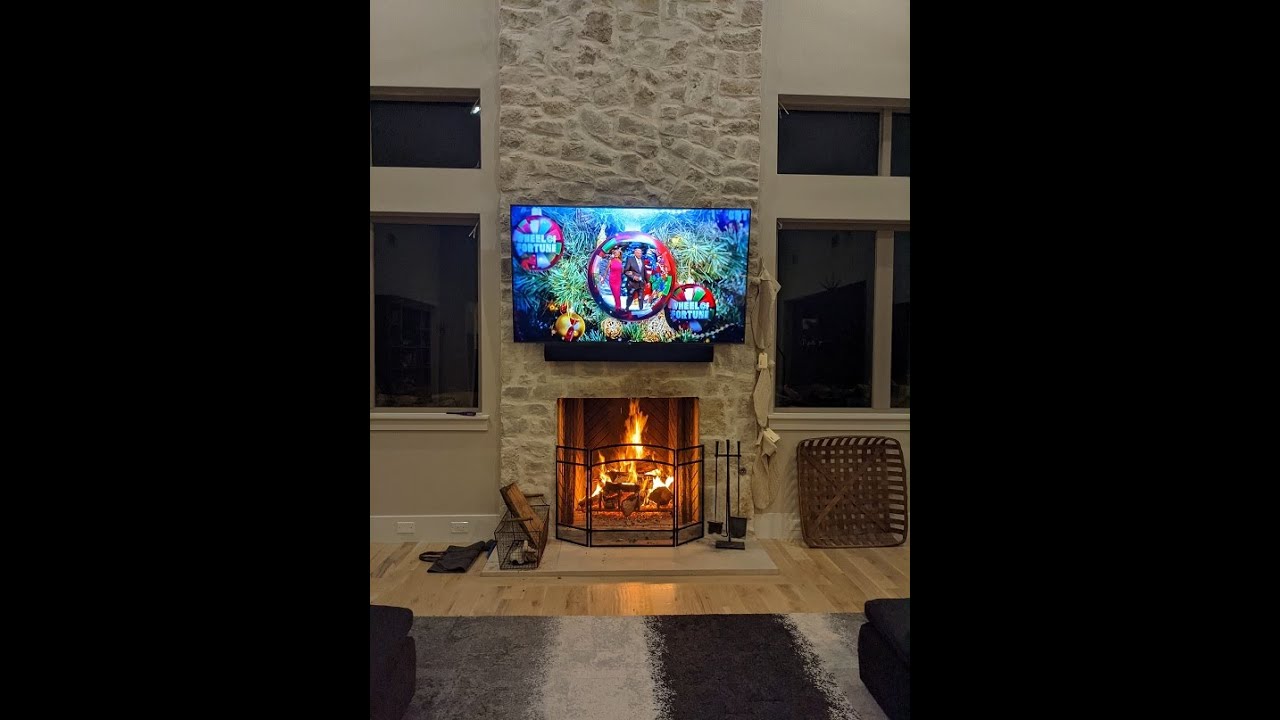
Wood-burning fireplaces are probably the most challenging for TV mounting. They produce significant heat, smoke, and potentially sparks that could damage your television. Even when the fire is out, these units can retain heat for hours after use. The smoke and ash from wood fires can also settle on your TV screen and electronics, leading to long-term damage.
Gas fireplaces offer a middle ground. They're generally cleaner burning than wood and produce less heat. However, they still require careful consideration. The heat from gas flames can rise and affect the TV, though usually to a lesser extent than wood fires. Additionally, gas fireplaces often have venting systems that might interfere with mounting hardware placement.
Electric fireplaces are often the easiest option for mounting. They produce minimal heat and no smoke or ash, making them ideal candidates for direct mounting above the fireplace. The main considerations here are typically the width of the fireplace opening and the amount of clearance needed for the TV's mounting bracket.
Some homeowners opt for zero-clearance fireplaces, which are designed to be installed directly against combustible materials. These units are engineered to minimize heat transfer, making them safer for mounting nearby electronics. However, even with these units, you should still follow recommended safety distances.
Let's consider a practical example: Sarah had a beautiful stone fireplace in her living room and wanted to mount her 55-inch TV above it. She chose a gas fireplace because she knew it would be safer than wood burning. However, she still needed to account for the heat and ensure proper clearance. She ended up installing a custom mount that extended further from the wall to provide adequate space.
The key takeaway here is that your fireplace choice significantly impacts how you approach the installation. Research your specific fireplace model and manufacturer specifications before proceeding with any mounting plans.
Proper Installation Techniques and Best Practices
Installing a television above a fireplace requires more attention to detail than a typical wall mount. Proper technique ensures both safety and longevity of your investment. Let's walk through the essential steps that make all the difference.
First, always start with careful measurement. Measure the exact dimensions of your TV, the fireplace opening, and the clearance needed. This isn't just about fitting the TV in the space - it's about ensuring there's enough room for heat dissipation and easy access to controls.
The mounting process itself needs to be methodical. Begin by locating the studs in the wall behind the fireplace. This step is crucial because you want to anchor your mount securely to solid material. If you're mounting above a mantel or other decorative feature, you might need to work around these obstacles.
A common mistake is assuming that the wall surface is the same as the structural wall behind it. Often, the visible part of the wall differs from what's actually holding the mount. The decorative finish might be thin drywall while the actual structure is wood or concrete. Using a stud finder correctly can save you from future problems.
Consider using a mounting plate that extends beyond the fireplace opening. This provides a stable base and helps keep the TV away from the direct heat source. Some professionals recommend using a "crown" or "hood" mount specifically designed for fireplace installations.
Temperature monitoring is another best practice. After installation, monitor your TV's performance when the fireplace is in use. If you notice unusual behavior or overheating, it might be time to adjust the mounting position or add ventilation.
Professional installation can be worth the investment, especially if you're unsure about your skills or the complexity of your setup. A qualified installer can verify structural integrity, check for proper clearance, and ensure all safety standards are met. They can also provide advice based on their experience with similar installations.
Remember to leave room for maintenance. You should be able to easily access the back of your TV for cable management, power connections, and potential repairs. Don't mount so high that you can't reach the equipment or that it becomes difficult to service.
Ventilation and Airflow Solutions
One of the most overlooked aspects of mounting a TV above a fireplace is ensuring proper airflow and ventilation. Without adequate air circulation, heat can build up around your television, leading to premature failure of internal components.
Think about it this way: your TV needs to breathe, just like you do. When you place it in a confined space above a fireplace, you're essentially creating a hot box. The heat generated by the TV combined with the heat from the fireplace creates a perfect storm for overheating.
Effective ventilation solutions can make a huge difference. One approach is to install a small fan or vents near the mounting location. These can help circulate air and prevent heat buildup. However, this requires careful planning to avoid directing airflow directly at the TV screen.
Another solution involves choosing a mounting location that allows for better air circulation. Instead of mounting directly over the fireplace opening, consider mounting slightly to the side where there's more airflow. This might mean adjusting your viewing angle, but it can significantly improve the lifespan of your television.
Many modern TV mounts come with ventilation features built-in. These designs allow air to flow freely around the television while maintaining secure mounting. Look for mounts that have gaps or perforations designed to promote airflow.
It's also worth considering the overall room design. If your fireplace is the main heat source in the room, you might want to think about how the entire space ventilates. A well-ventilated room will naturally help dissipate heat from your TV more effectively.
Real-world testing reveals that homes with poor airflow around mounted TVs tend to see more frequent issues. A homeowner in Denver reported that his 65-inch TV started malfunctioning within two years of installation above his wood-burning fireplace. He later discovered that the lack of ventilation was the culprit. After installing a small exhaust fan and adjusting the mounting position, the problem resolved itself.
Sometimes the solution is simpler than you think. Simply ensuring there's enough space between the fireplace and TV for air to circulate can solve many problems. Even a few inches of clearance can make a substantial difference in preventing overheating.
Maintenance and Long-Term Care
Once you've successfully mounted your TV above a fireplace, ongoing care becomes just as important as the initial installation. Regular maintenance helps extend the life of your television and prevents costly repairs or replacements.
Dust and debris accumulation is a major concern in fireplace areas. Ash, soot, and smoke particles can settle on your TV screen and internal components. These particles aren't just cosmetic issues - they can affect performance and contribute to overheating.
Create a regular cleaning schedule. Wipe down your TV screen weekly with a microfiber cloth and appropriate cleaning solution. Be gentle and avoid getting moisture into any openings. For the exterior, use a soft brush or vacuum with a gentle setting to remove dust from the bezel and mounting hardware.
Check the mounting hardware periodically for signs of loosening. The vibrations from the fireplace, especially during active use, can cause screws and bolts to work loose over time. Tighten any loose hardware as needed, but be careful not to overtighten and damage the threads.
Monitor your TV's performance closely. If you notice any changes in picture quality, unusual sounds, or erratic behavior, it might indicate heat-related issues or other problems. Early detection can prevent more serious complications.
Keep records of your maintenance activities. Note when you cleaned the TV, checked the mounting hardware, and any observations about performance. This documentation can be helpful if you ever need to troubleshoot issues or if you sell your home.
Temperature monitoring can be a simple addition to your maintenance routine. Many smart TVs have built-in temperature sensors that alert you to overheating conditions. Pay attention to these warnings and take action when necessary.
Consider seasonal variations in your fireplace usage. During winter months, when you're likely using your fireplace more frequently, pay extra attention to your TV's performance and temperature. Summer months might require less vigilance, but regular checks are still important.
The investment in proper maintenance pays dividends in reliability and longevity. A well-maintained TV mounted above a fireplace can serve you for many years without major issues.
Mounting a television above a fireplace can create a stunning focal point for your living space, but it requires careful planning and consideration. The key to success lies in understanding the interplay between heat, structural integrity, and proper installation techniques. While it's technically possible to mount a TV above a fireplace, doing so safely requires attention to several critical factors.
Start by evaluating your specific fireplace type and its heat output. Wood-burning fireplaces present the greatest challenges, while electric units offer the safest option for mounting. Consider the distance between your fireplace opening and the TV, ensuring adequate clearance for heat dissipation.
Invest in proper mounting hardware and techniques. Professional installation might be worth the cost, especially for complex setups. Ensure your wall can support the weight of your television and that mounting hardware is securely anchored to studs.
Don't overlook ventilation and maintenance. Regular cleaning, monitoring for overheating, and proper airflow are essential for long-term success. A little preventive care goes a long way in protecting your investment.
Remember, the goal isn't just to make something look good - it's to create a setup that works reliably for years to come. When you combine thoughtful planning with proper execution, mounting a TV above your fireplace can be both visually impressive and completely safe. The key is being prepared to address the unique challenges this setup presents, rather than simply jumping in without research. With the right approach, you can enjoy the beauty of your fireplace and your television together without compromising either.


