
There's something deeply satisfying about a clean, bright brick fireplace. The rich textures, the warm glow, the way light dances across those aged bricks - it's more than just a hearth. It's a focal point that brings families together. But when soot starts accumulating, it can quickly turn that cozy space into a dull, gray mess. What seems like a simple cleaning job can actually be quite tricky if you don't know the right techniques.
Cleaning soot from a brick fireplace isn't just about removing black marks. It's about maintaining the character and longevity of one of your home's most cherished features. Whether you've had your fireplace for decades or just moved into a place with a beautiful brick hearth, understanding how to properly address soot buildup is crucial. The good news? With the right approach, you can restore your brick fireplace to its former glory without causing damage. This guide will walk you through everything you need to know, from preparation to final touches.
Understanding Soot Buildup on Brick
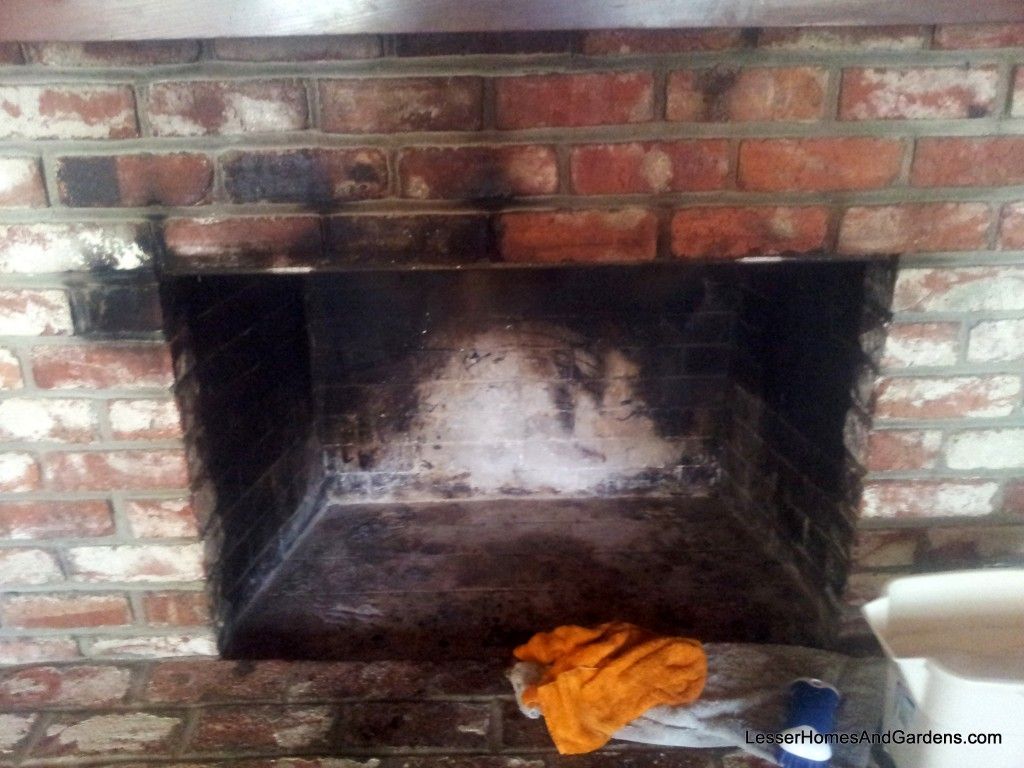
Soot is more than just black dust - it's a complex mixture of carbon particles, unburned fuel, and combustion byproducts. When wood burns incompletely, it creates soot that clings to surfaces. In brick fireplaces, this accumulation happens both on the surface and in the porous pores of the brick itself. The challenge comes from brick's nature - it's naturally absorbent, which means soot penetrates deeper than you might expect.
Different types of soot behave differently. Fresh soot tends to be more superficial and easier to remove, while older deposits have had time to set in and become more stubborn. The color can vary too - from dark gray to nearly black, sometimes with reddish undertones depending on the type of wood burned. Understanding these variations helps determine the best cleaning approach.
Preparation and Safety First
Before you even think about scrubbing, proper preparation is essential. Start by clearing the area around your fireplace completely. Remove all decorative items, mantels, and anything else that might get in the way. Open windows and doors for ventilation - you'll want fresh air circulating during the cleaning process.
Safety gear is non-negotiable. Wear gloves to protect your hands from chemicals and debris. A dust mask or respirator prevents inhaling soot particles and cleaning solutions. Eye protection is wise too, especially if you're using pressure washers or harsh chemicals.
Turn off the electricity to any fixtures near the fireplace, and ensure the fireplace is completely cool before beginning. This isn't just about safety - it's about preventing accidents and ensuring your cleaning efforts work effectively.
Essential Cleaning Tools and Materials
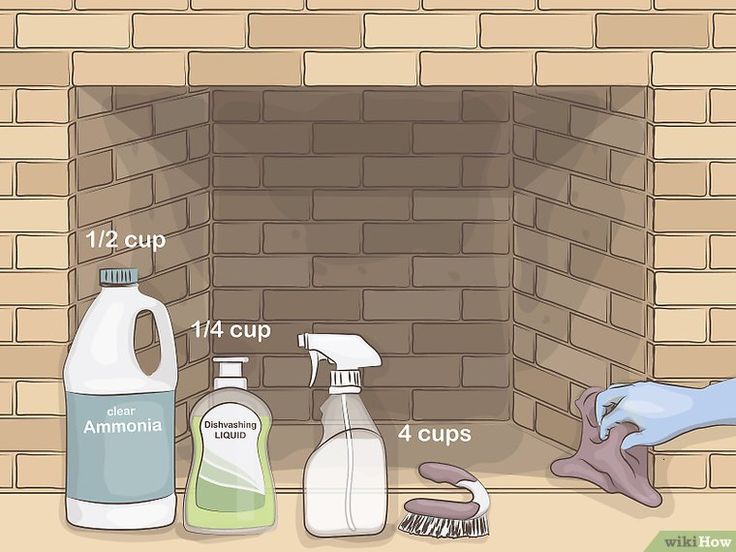
Having the right tools makes all the difference. For basic soot removal, you'll want:
For more stubborn cases, consider adding:
Some people swear by specialized brick cleaners available at hardware stores, but homemade solutions often work just as well and are gentler on the environment.
Step-by-Step Cleaning Process
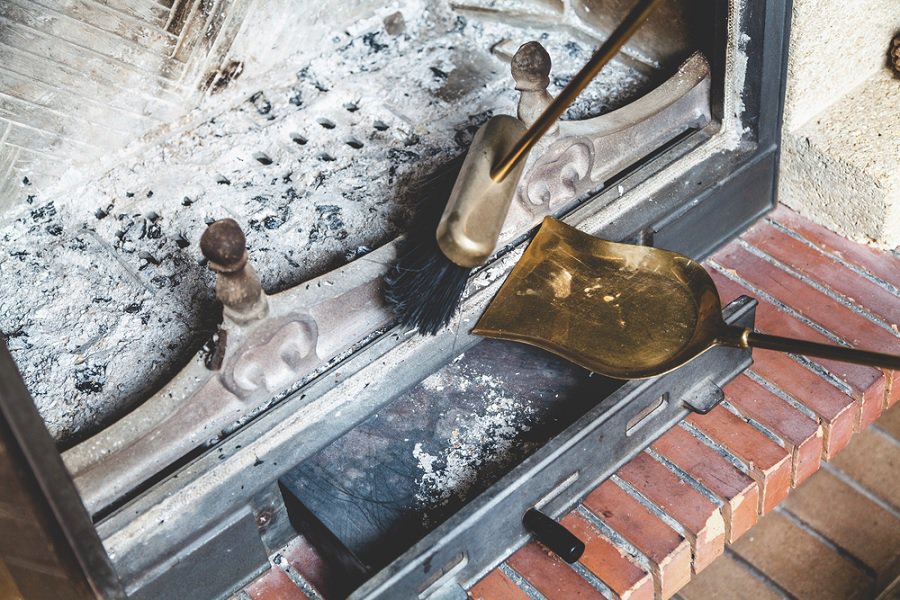
The cleaning process should be methodical and patient. Start by vacuuming away loose soot and debris from the entire surface. Work systematically from top to bottom, moving from the chimney cap down to the hearth. This prevents dirt from falling onto already-clean areas.
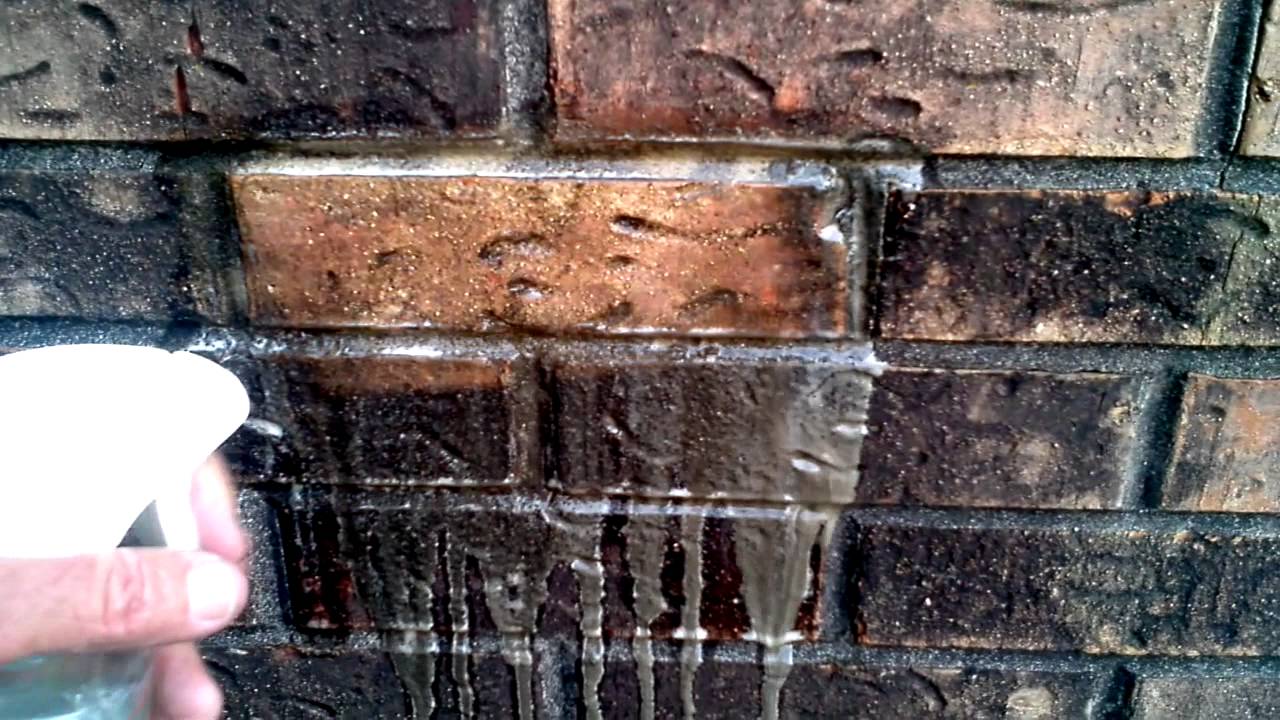
Next, apply your chosen cleaning solution. A mixture of equal parts white vinegar and water works surprisingly well for many situations. Spray lightly and let it sit for several minutes. The acid in vinegar breaks down organic matter while being safe for brick.
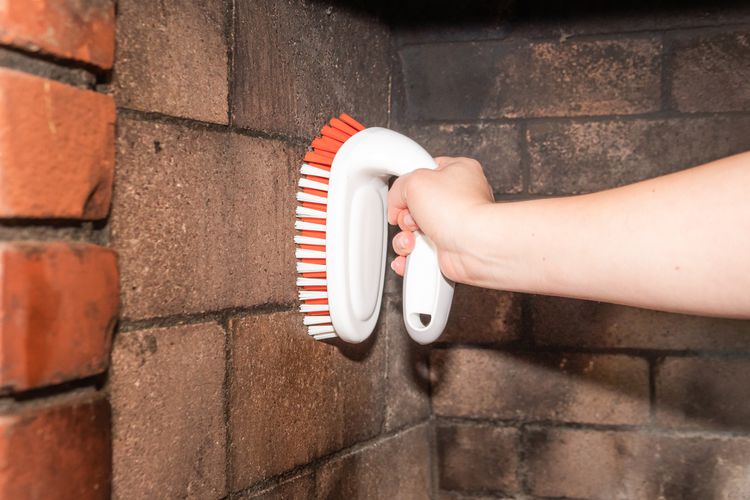
Use soft brushes to gently scrub the surface. Work in the direction of the brick's texture rather than against it. This preserves the brick's natural appearance and prevents scratches. Pay special attention to corners and crevices where soot tends to accumulate.
Rinse thoroughly with clean water. If using chemical cleaners, follow manufacturer instructions carefully. Always test any new product on a small, inconspicuous area first.
Dealing with Stubborn Soot Deposits
Sometimes, despite your best efforts, certain areas resist cleaning. This usually happens when soot has penetrated deep into the brick or when there's been years of neglect. For these situations, consider a baking soda paste.
Mix baking soda with just enough water to form a thick paste. Apply it to particularly stubborn spots and let it sit for 15-20 minutes. The mild abrasiveness helps lift embedded soot without damaging the brick surface. Gently scrub with a soft brush and rinse thoroughly.
Another option is to use a commercial brick cleaner designed specifically for soot removal. These products often contain ingredients that break down carbon compounds more effectively than household cleaners. Follow instructions exactly and allow proper drying time between applications.
If you're dealing with very old, ingrained soot, professional cleaning might be necessary. A masonry specialist can provide techniques that work better than DIY methods for severe cases.
Maintenance Tips for Long-Term Care
Prevention is always better than cure. Regular maintenance keeps soot buildup minimal and manageable. Schedule annual inspections of your chimney and fireplace to catch issues early.
Keep your fireplace well-ventilated during use. Proper airflow reduces incomplete combustion, which means less soot production. Use seasoned hardwood instead of green wood when possible - it burns cleaner and produces less residue.
Consider installing a fireplace screen or glass doors. These simple additions can significantly reduce soot spillover onto surrounding surfaces. They also help contain sparks and embers, keeping your home safer.
Clean your fireplace regularly after each use. A quick wipe-down with a damp cloth removes surface soot before it has time to settle. Address spills immediately - they're much harder to remove once dried.
Cleaning soot from brick fireplace isn't just about aesthetics - it's about preserving a part of your home's character and ensuring safe operation. The process requires patience, proper tools, and respect for the material you're working with. Remember that brick is a living material that ages gracefully, and proper care maintains that beauty for generations.
Whether you tackle the job yourself or call in professionals, the key is understanding that soot removal is a skill that improves with practice. Start with simpler methods and build up to more intensive treatments as needed. Most importantly, take your time and don't rush the process. A well-cared-for brick fireplace becomes a source of pride and comfort in your home. The satisfaction of seeing that warm, inviting glow return after a thorough cleaning is worth every moment of effort. So next time you notice that dark smudge on your brick, remember - it's just a temporary setback, not a permanent problem.


