
If you've ever wondered how much acid to add to your pool, you're not alone. This guide breaks down everything you need to know about pool acid dosing, from basic chemistry to practical application. Whether you're dealing with high pH levels or trying to maintain perfect water balance, understanding acid usage can save you time, money, and headaches.
Pool owners face many challenges, but maintaining proper water chemistry ranks among the most critical tasks. One of the most common issues is managing pH levels, which directly affects swimmer comfort, equipment longevity, and overall pool health. When pH gets too high, adding acid becomes necessary to bring things back into balance. But here's the thing - knowing exactly how much acid to add isn't just about following a recipe. It's about understanding the relationship between your pool's volume, current pH readings, and the chemical properties of the acid you're using.
Understanding Pool pH Basics
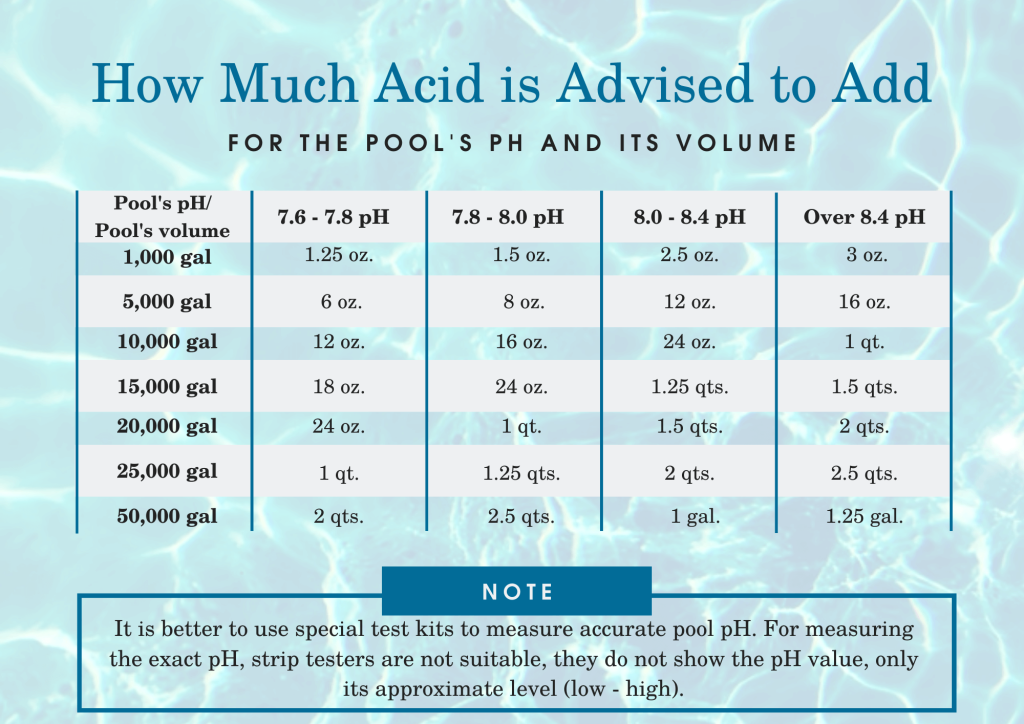
Before diving into acid measurements, let's talk about what pH actually means. Think of pH like a scale from 0 to 14 that measures how acidic or alkaline your pool water is. A pH of 7 is neutral - neither acidic nor alkaline. For pools, the ideal range sits between 7.2 and 7.6. When pH rises above 7.8, problems start appearing. Water becomes cloudy, chlorine works less effectively, and skin irritation increases. That's when acid comes into play. The most common type used is muriatic acid (hydrochloric acid) because it's effective, affordable, and easy to handle. But remember, acid isn't just about lowering pH - it's about creating a stable environment where everything else in your pool chemistry can work properly.
Measuring Your Pool Volume Correctly
The first step in calculating acid dosage is knowing exactly how much water you have. This might sound simple, but it's often where people make their biggest mistakes. For rectangular pools, measure length, width, and average depth. Multiply these numbers together and then multiply by 7.5 to get gallons. For round pools, use the formula: diameter squared times average depth times 5.9. Oval pools require slightly different calculations. Many pool owners rely on their pool's manual or previous records, but it's worth double-checking. A 10,000-gallon pool requires significantly different acid amounts than a 20,000-gallon pool. If you're unsure, it's better to overestimate slightly rather than risk under-dosing. Also, consider that your pool may hold more water during winter months due to rain or snowmelt. Always measure accurately before making any adjustments.

Testing Current pH Levels
You can't add acid without knowing your starting point. Test your pool water using a reliable test kit or strip test. Most home test kits will show pH levels in tenths, like 7.4 or 7.8. If your reading is above 7.6, it's time to adjust. But here's something important: don't panic if your pH is just slightly elevated. Small changes can be managed gradually. If your pH is way above 8.0, you'll need to take action sooner. Always test multiple spots in your pool and take an average reading. Some pools have inconsistent pH levels due to poor circulation or chemical imbalances. Testing at different times of day can also give you a clearer picture of your pool's actual condition. Remember, testing is not a one-time activity - it should become part of your regular routine.
Calculating Proper Acid Amounts
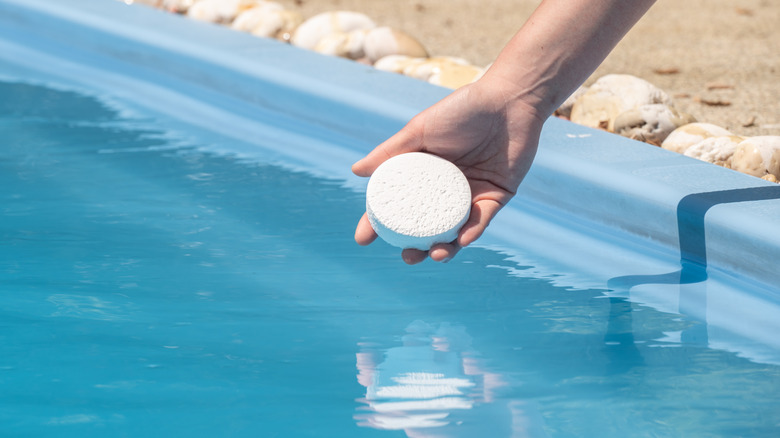
Now comes the math part that makes many pool owners nervous. But don't worry - it's manageable once you understand the process. As a general rule, you need about 1 quart of muriatic acid per 10,000 gallons to lower pH by approximately 0.2 units. So if your pool is 15,000 gallons and needs a 0.4 pH reduction, you'd use roughly 1.5 quarts. However, this varies based on several factors including your current pH level, the type of acid, and whether you're dealing with calcium hardness or other chemical imbalances. For example, very high pH levels may require more acid than expected. Always start with smaller amounts and retest frequently. Adding acid slowly prevents overshooting and potential damage to your pool surfaces. Consider using a calculator app designed for pool chemistry if you're not comfortable doing the math yourself.
Safety First: Handling Pool Acid
This is crucial information that shouldn't be overlooked. Muriatic acid is a powerful chemical that can cause serious burns and respiratory issues. Always wear protective gear including gloves, goggles, and long sleeves. Work in a well-ventilated area, preferably outdoors. Never mix acid with other chemicals - it creates dangerous fumes. Pour acid into water, never water into acid. This simple rule prevents violent reactions that could cause injury. Keep vinegar nearby in case of spills, as it neutralizes acid. Store acid away from children and pets in a cool, dry place. Even experienced pool owners sometimes make mistakes, so always read labels carefully and follow manufacturer instructions. Your safety matters more than any pool maintenance task.
Application Techniques and Best Practices
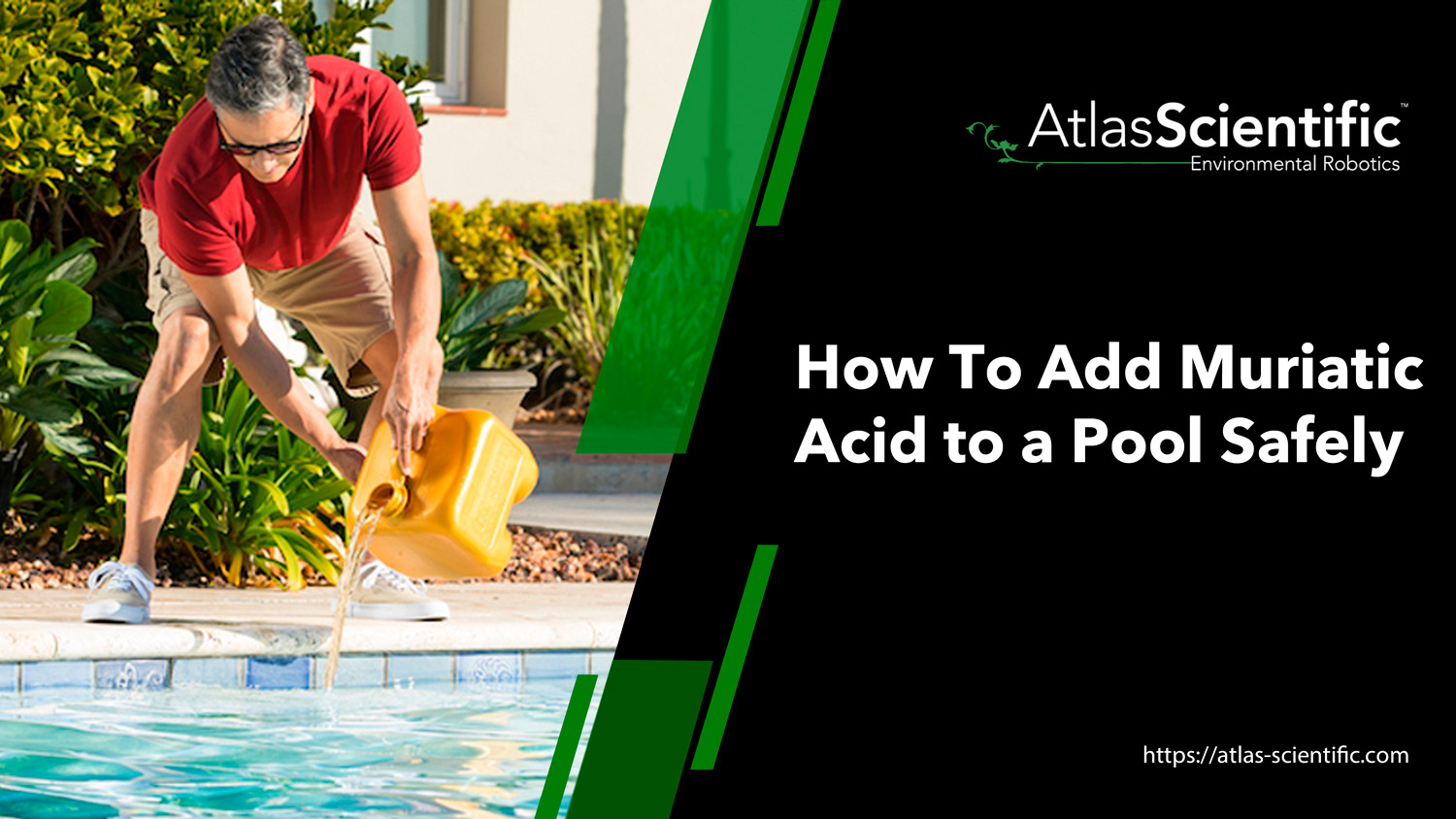
Once you've calculated your acid amount, how you apply it matters just as much as how much you use. Never dump acid directly onto pool surfaces or skimmer baskets. Instead, dilute it in a bucket of water first. Then pour the mixture slowly around the pool perimeter, avoiding direct contact with pool surfaces. Running your filtration system during and after application helps distribute the acid evenly. Wait at least 30 minutes before swimming, and test again after 2 hours. Some pool owners prefer to add acid in the evening when UV rays won't interfere with the chemical reaction. Others find it helpful to add small amounts multiple times rather than one large dose. The key is consistency and patience. Remember, pool chemistry is a gradual process, not a quick fix.
Common Mistakes to Avoid
Even experienced pool owners occasionally make errors. One major mistake is assuming all acids are equal - some brands are stronger than others. Another frequent error is adding too much acid at once, leading to dramatic pH drops that can damage pool surfaces and equipment. Many people skip testing after adding acid, which can lead to overcorrection. Some pool owners forget to account for seasonal variations in pH levels, particularly during summer months when algae growth and sun exposure increase acidity naturally. Additionally, failing to consider other chemical interactions can cause unexpected results. For instance, high calcium hardness can interfere with pH adjustments. Always keep detailed logs of your treatments and their effects to learn from past experiences.
Troubleshooting pH Issues
Sometimes your acid additions don't produce the expected results. If pH remains high despite treatment, check for interfering chemicals like alkalinity or calcium hardness. These elements can mask the effectiveness of acid. If pH drops too quickly, you might be dealing with a buffer problem or using too concentrated a solution. In extreme cases, you might need to partially drain and refill your pool if chemical imbalances become severe. Don't get discouraged if it takes a few tries to get it right. Pool chemistry often requires patience and experimentation. Keep track of your readings and adjustments to build your knowledge base over time. Sometimes, consulting with a professional pool technician can provide clarity when problems persist.
When to Seek Professional Help
While most pH issues can be handled at home, certain situations warrant expert assistance. If you're consistently struggling with pH control, have unusual chemical interactions, or suspect underlying equipment problems, it's time to call a professional. Signs include persistent pH fluctuations, strange water colors, or equipment malfunctions. Professionals can test for hidden issues like metal contamination or inadequate filtration systems. They also offer specialized products and services that might be beyond typical homeowner capabilities. Many pool service companies offer free consultations for complex chemistry problems. Remember, preventing major issues costs less than fixing them later. Professional guidance can save you both time and money while ensuring your pool remains safe and enjoyable.
Maintaining Long-Term Pool Health
Adding acid is just one part of ongoing pool care. Regular maintenance includes testing weekly, balancing all chemical parameters, and keeping equipment clean and functional. Think of pH management as part of a larger ecosystem where every element affects the others. Consistent monitoring prevents dramatic swings that require emergency chemical interventions. Schedule regular professional inspections to catch potential problems early. Keep spare supplies of basic chemicals on hand, including pH adjusters and clarifiers. Develop a routine that includes spring cleaning, summer maintenance, and winter preparation. Remember, a well-maintained pool provides years of enjoyment with minimal stress. Your investment in proper chemistry knowledge pays dividends in reduced maintenance costs and better swimming conditions.
Adding acid to your pool doesn't have to be intimidating. With proper understanding of your pool's volume, current pH levels, and correct application techniques, you can maintain healthy water chemistry effectively. Remember that pool management is a learning process - mistakes happen, but they're opportunities to improve. Start small, test frequently, and don't hesitate to seek professional advice when needed. Your pool's water quality depends on consistent attention to these details. By taking the time to understand how much acid to add and when to add it, you're investing in years of safe, enjoyable swimming. The key is patience, proper measurement, and staying informed about your pool's unique needs. Every pool owner can master this skill with practice and dedication.


