
The question that's been puzzling homeowners for years. Can you really paint the inside of a fireplace? The answer might surprise you, and it's not just about aesthetics. This guide will walk you through everything you need to know, from safety considerations to the best techniques.
Fireplaces are more than just functional elements in our homes – they're focal points, gathering places, and symbols of comfort. But what happens when you want to refresh that classic brick or stone look with a fresh coat of color? You might be surprised to learn that yes, you can paint the inside of a fireplace, but it requires careful planning and the right approach. Whether you're looking to change the mood of your living space or simply update an outdated look, understanding how to properly paint your fireplace interior is crucial. The good news is, with the right materials and technique, this project can transform your fireplace from boring to brilliant.
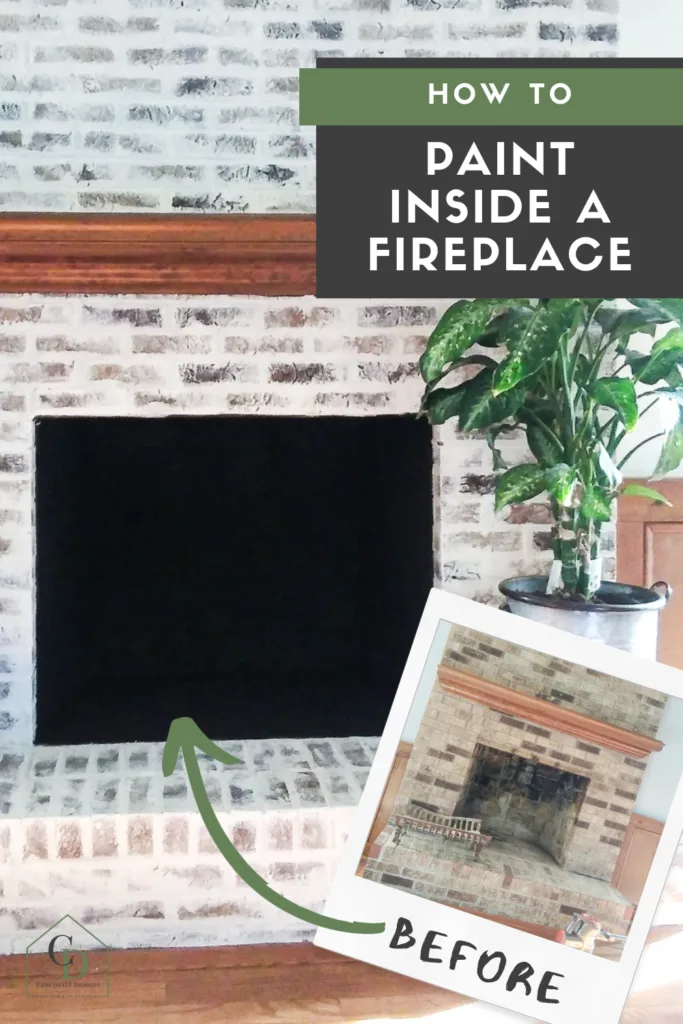
Safety First: Understanding Risks and Precautions
Before you even think about grabbing a paintbrush, safety must come first. Painting inside a fireplace isn't just about getting the job done – it's about doing it right. The heat from fireplaces can cause regular paints to bubble, peel, or even ignite. That's why using heat-resistant paint is non-negotiable. Regular interior paint simply won't cut it when temperatures soar past 1,000 degrees Fahrenheit. Consider the risks carefully, and remember that your home's safety comes before any aesthetic desires. Many people underestimate the dangers involved. Fireplaces are designed to handle extreme heat, and anything you add to them needs to be able to withstand those conditions. Think about it – you wouldn't put a regular piece of paper in a campfire, would you? The same principle applies here. When you're dealing with a fireplace, every decision matters.
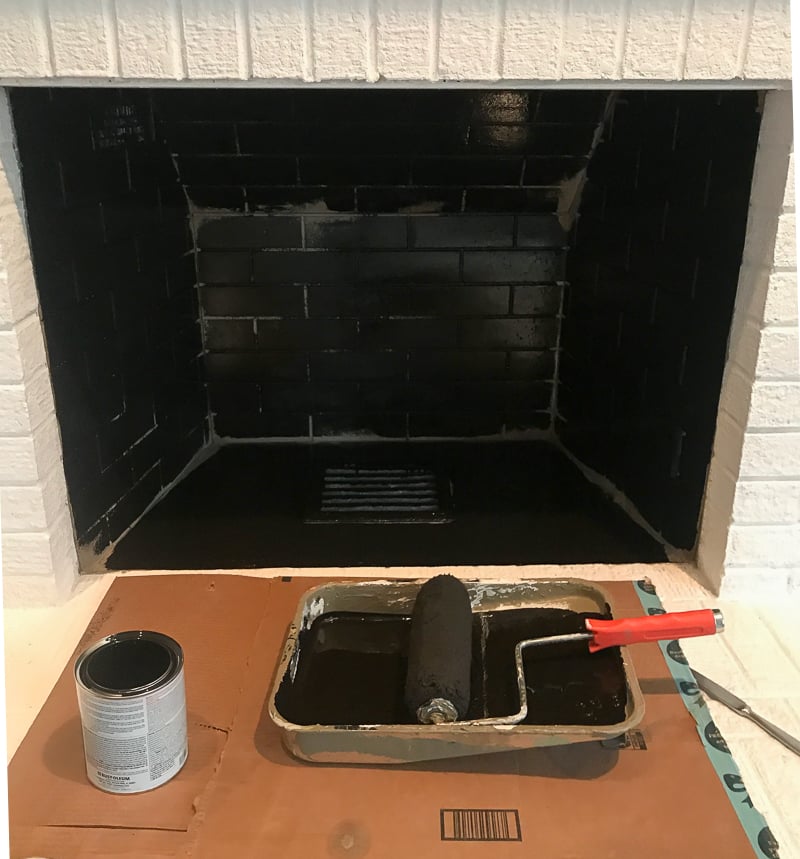
Choosing the Right Paint for Your Fireplace Interior
Selecting the proper paint is like choosing the right shoes for a long walk – it makes all the difference. For fireplace interiors, you'll want to focus on high-heat resistant paints specifically made for this purpose. These aren't your typical interior paints. They're formulated to handle temperature fluctuations and resist cracking under intense heat. Look for products labeled as "fireplace paint" or "high-temperature paint." Some popular options include ceramic paints, which offer excellent heat resistance, and specialized refractory paints designed specifically for masonry surfaces. The color choices are wide-ranging, but keep in mind that darker colors absorb more heat than lighter ones. So if you're going for a dramatic dark blue or deep red, you'll need to ensure your paint can handle the extra thermal stress. Also consider the surface material – brick, stone, or concrete each require slightly different treatment approaches.
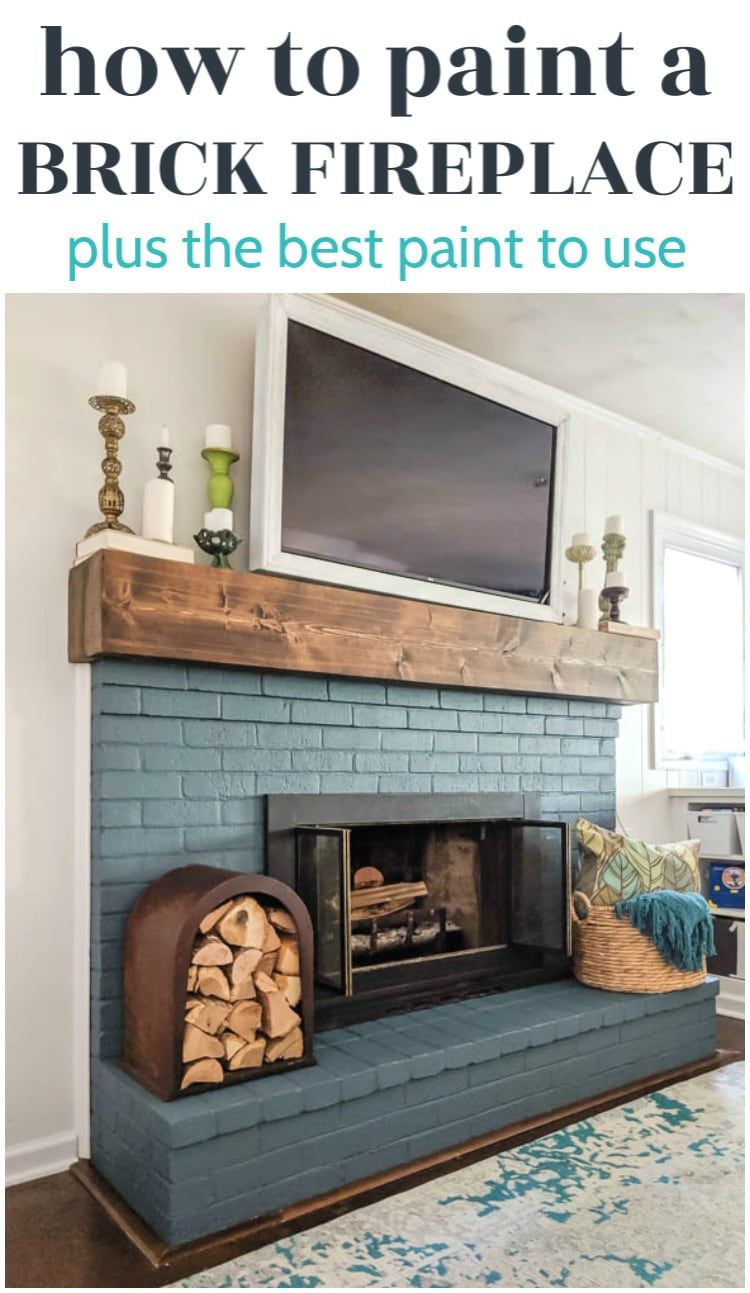
Preparing Your Fireplace Interior for Painting
Proper prep work is where most DIY projects go wrong. Before you even touch a brush, you need to thoroughly clean and prepare the surface. Start by removing any soot, ash, or debris that may have accumulated over time. Use a vacuum cleaner with a HEPA filter to avoid spreading particles around your home. Next, sand any rough areas to create a smooth surface for paint adhesion. If there are old paint layers, you might need to scrape them off completely. This step is critical because any imperfections will show through the new paint. Apply a high-quality primer designed for masonry surfaces. This acts as a foundation and helps the paint stick better. Let everything dry completely before moving forward. The last thing you want is moisture trapped beneath your paint layer causing problems later on. Some people skip this step and regret it quickly. Trust us, the extra effort pays off in the final result.
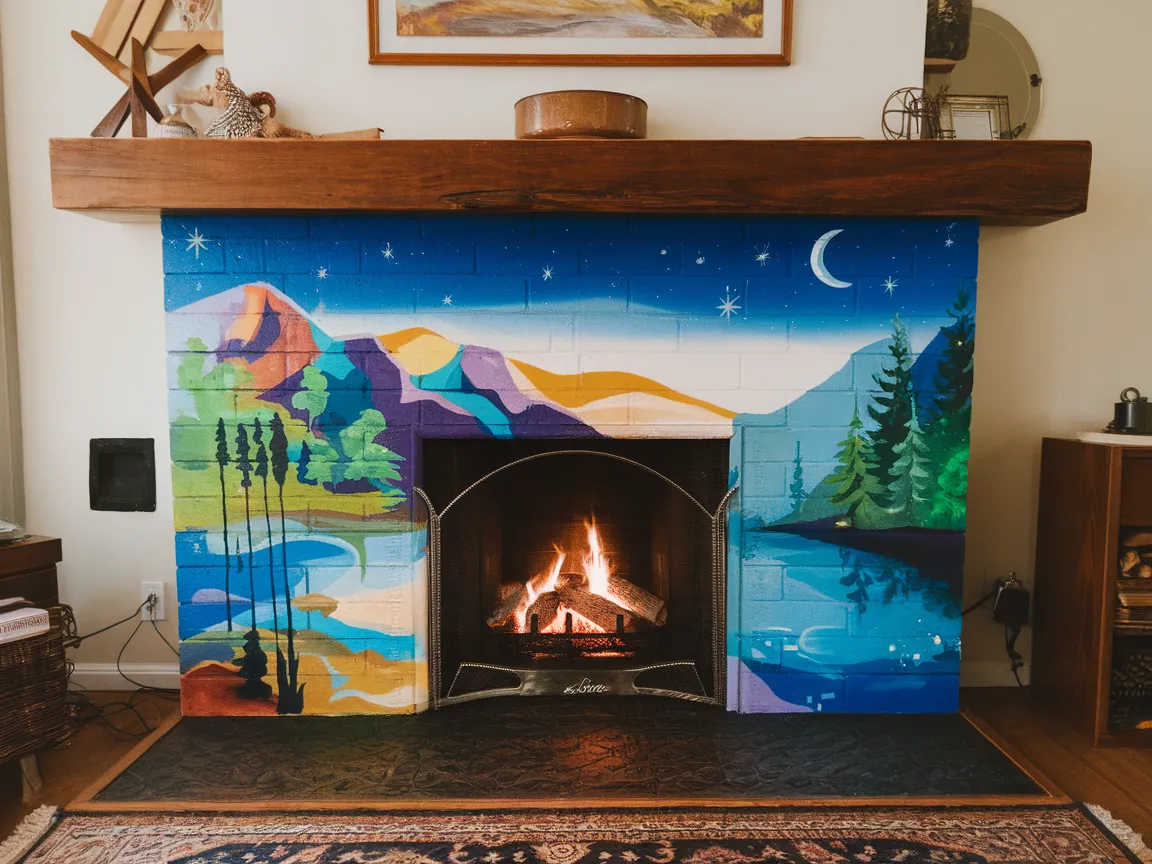
Application Techniques for Best Results
Once your surface is ready, it's time to apply that paint. The application method depends on your fireplace design and desired outcome. For smooth surfaces, a quality roller works well, especially one designed for textured surfaces. Work in thin, even coats rather than thick applications that might drip or bubble. If you're dealing with intricate details or corners, a high-quality brush is essential. Start from the top and work your way down to avoid drips. Multiple thin coats are always better than one thick one. Some people prefer to use a spray gun for even coverage, but this requires more skill and preparation. Remember to work in sections and allow adequate drying time between coats. Patience really does pay off here. The surface should be completely dry before using the fireplace again. Rushing this process can lead to poor results and potential safety issues.
Color Selection and Design Considerations
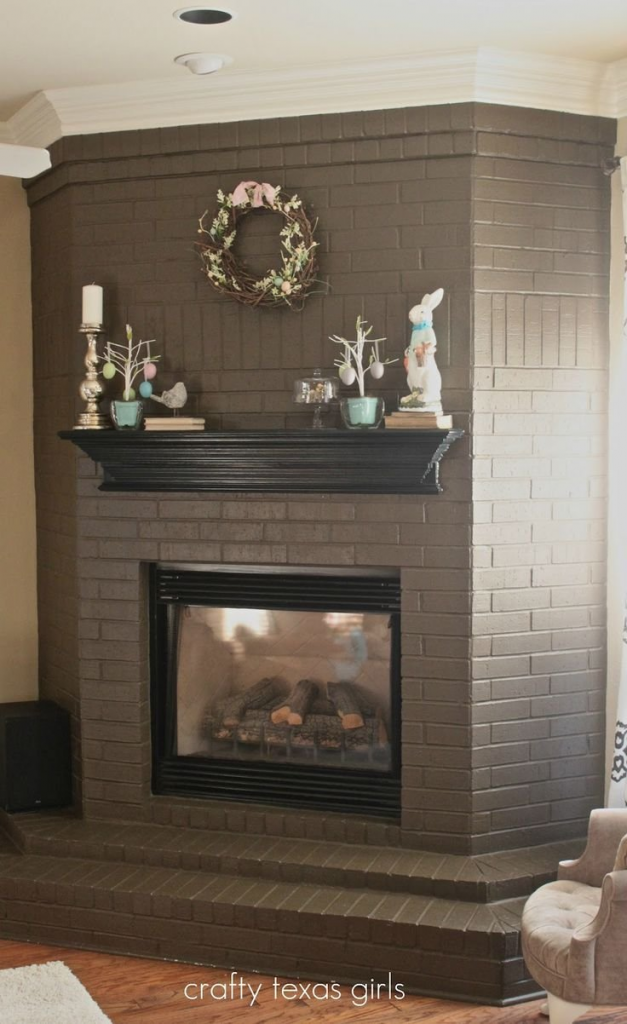
Colors can completely change how a room feels and looks. When painting your fireplace interior, consider both the existing décor and the atmosphere you want to create. Lighter colors like whites, creams, or soft grays can make a small space feel larger and brighter. Darker tones such as charcoal, navy, or deep burgundy create drama and warmth. Many homeowners opt for neutral shades to match their existing furniture and walls. However, don't overlook the opportunity to make a bold statement. A vibrant red or striking blue can become a stunning focal point. Think about how the painted surface will interact with the flames and light from the fire. The color you choose affects the overall ambiance of your entire room. Some people even choose to paint just the surround area while leaving the firebox itself neutral. It's all about creating harmony with the rest of your space.
Maintenance and Long-Term Care Tips
Painting your fireplace isn't a one-time fix – it's an investment that needs ongoing attention. Regular cleaning is essential to prevent soot buildup and maintain the paint's appearance. Use a soft cloth or brush to remove loose debris periodically. Avoid harsh chemicals that could damage the paint surface. Some homeowners find that applying a protective clear coat after the initial painting provides additional durability. This is especially useful if your fireplace sees frequent use. Check the painted surface annually for signs of wear, chipping, or fading. Touch-ups are much easier than full repainting. Most experts recommend re-painting every 5-7 years depending on usage. The key is consistent care and monitoring. Many people wait too long to address small issues, which often leads to bigger problems later on. Keep a small amount of paint on hand for future touch-ups. It's amazing how much difference a little maintenance can make in keeping your fireplace looking its best.
Painting the inside of a fireplace is definitely possible, but it requires serious attention to detail, proper materials, and safety precautions. The end result can be incredibly rewarding, transforming an ordinary fireplace into a stunning centerpiece that enhances your entire room. From selecting the right heat-resistant paint to following proper application techniques, every step matters. Don't rush through the preparation phase – it's the foundation of success. Remember that this is a project that impacts both beauty and safety, so don't compromise on quality or safety measures. With patience, proper planning, and the right approach, you can achieve professional-looking results that will last for years. Whether you're updating an old fireplace or starting fresh, taking the time to do it correctly ensures you'll enjoy the benefits for many seasons to come. The transformation is worth every moment of effort.


